


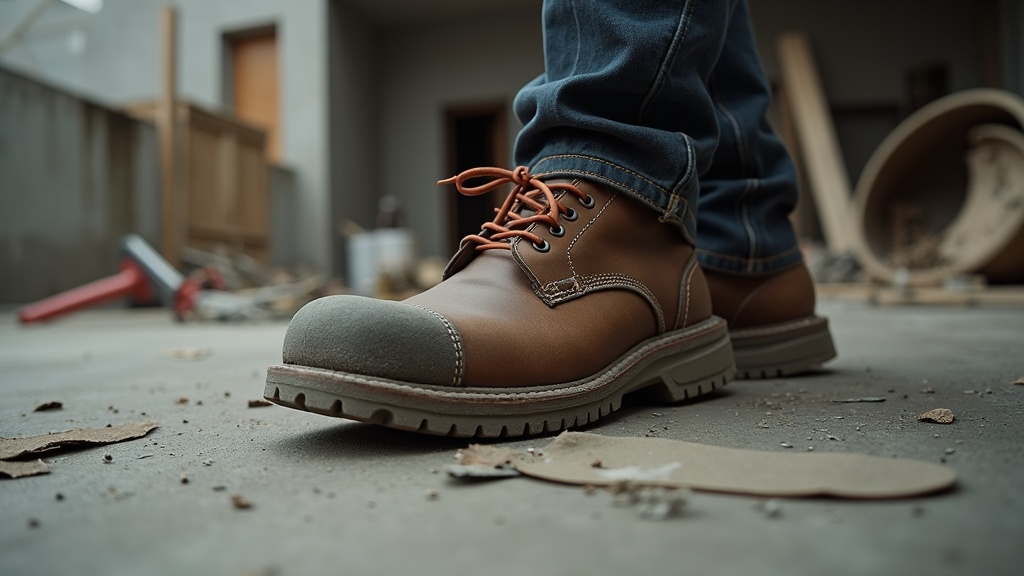
Your feet take somewhere between 8,000 and 10,000 steps on a jobsite. Concrete, rebar, uneven ground, ladder rungs. Every single one of those steps sends a shockwave up through your heel, your knee, your lower back. A good insole cuts that shock. A bad one? It just takes up space in your boot.
The question isn't whether insoles matter. They do. The question is which injuries they actually prevent, which ones they don't touch, and whether the $40 pair at the hardware store does what the packaging claims.
Key points at a glance
- The right insole reduces cumulative foot and joint stress from standing on concrete all day.
- Insoles genuinely help prevent plantar fasciitis, metatarsalgia, and fatigue-related ankle sprains.
- They cannot protect you from crush injuries, nail punctures, or falls. That's a different conversation.
- Cheap foam inserts flatten fast. A real work insole uses a rigid or semi-rigid arch plate with a proper top layer.
- Custom orthotics make sense for tradespeople with existing foot problems. For healthy feet, a quality over-the-counter option works.
- Replace insoles every 6 to 12 months depending on hours on your feet, not appearance alone.
What a Good Insole Does For You
The Short Answer: Yes, But Only If You Get the Right Ones
Yes, insoles can prevent certain work injuries on a construction site. That's not marketing talk. It's biomechanics. Every hour you stand on hard concrete without proper arch support, the plantar fascia stretches beyond its comfortable range. Do that day after day, and you end up with plantar fasciitis that puts you on the bench.
The problem is the word "insole" covers everything from a paper-thin foam strip to a medical-grade orthotic device. Getting the right one matters more than getting one at all.
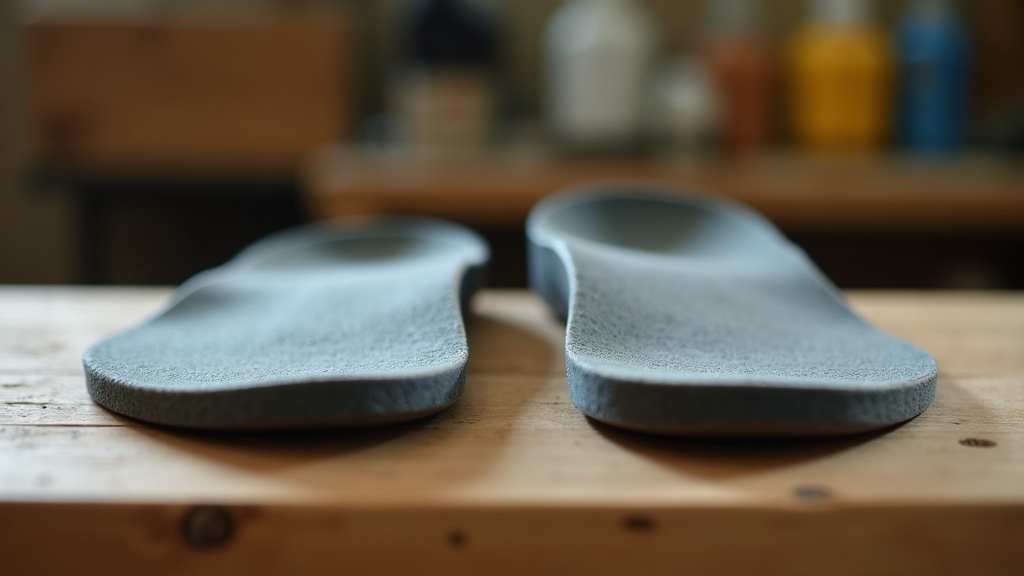
What Injuries Insoles Actually Help Prevent on a Jobsite
There's a specific category of construction injuries that insoles directly address: the ones that build up over time, not the ones that happen in a single bad moment.
- Plantar fasciitis: The number one complaint among construction workers. Insoles with a firm arch support take the chronic strain off the plantar fascia band.
- Metatarsalgia: Burning pain across the ball of your foot from constant hard-surface impact. A good metatarsal pad in the insole moves that pressure off the bones.
- Heel spurs: These grow over time from repeated plantar fascia stress. Prevent the fascia stress, you slow down the spur formation.
- Knee and hip pain: Bad foot alignment sends torque up the kinetic chain. A corrective insole straightens that out at the source.
- Ankle fatigue sprains: When your feet are tired, you roll ankles. Deep heel cups keep the foot stable during late-shift walking on uneven ground.
- Lower back strain: This one surprises guys. Misaligned arches tilt the pelvis. Corrected arches level the pelvis. Less back pain.
Did you know?
The Bureau of Labor Statistics consistently ranks foot, ankle, and lower extremity disorders among the top musculoskeletal conditions causing missed workdays in construction and extraction occupations. A significant portion of those are classified as overexertion injuries, meaning repetitive stress, not single accidents.
What Insoles Cannot Do (Be Honest With Yourself Here)
An insole has no structural value against the hazards that dominate construction fatality and serious injury reports.
- A falling beam, a dropped tool, a rolling pipe: that's what steel or composite toe caps are for.
- A roofing nail through the sole: that needs a puncture-resistant midsole rated to ASTM F2413.
- A slip on wet steel or oily concrete: that's a slip-resistant outsole problem, not a cushioning problem.
- Pre-existing structural foot deformities or tendon tears: insoles manage symptoms, they don't fix anatomy.
Know what job each piece of gear does. Insoles handle cumulative stress. Everything else needs its own solution.
The Difference Between a Cheap Foam Insert and a Real Work Insole
The foam insert that came with your boots? It's a liner, not an insole. It keeps the inside of the boot from feeling like bare leather. That's it.
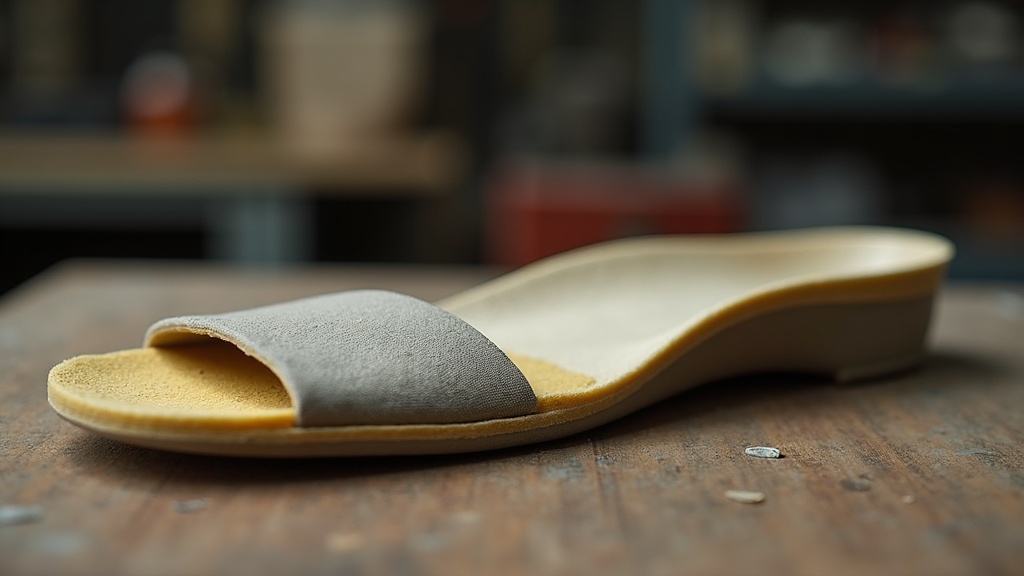
A real work insole has three layers doing three different jobs: a rigid or semi-rigid arch plate at the bottom, a shock-absorbing middle layer (usually EVA or polyurethane foam), and a top cover that wicks moisture. Cheap inserts skip the arch plate entirely. They feel soft for three weeks, then they're flat cardboard.
What to Look For When You Buy Insoles for Construction Work
Keep this list in your head when you're standing in the aisle or scrolling online.
- Semi-rigid or rigid arch support: Not flexible foam. An actual plate that holds shape under 200 pounds of bodyweight plus tool belt.
- Deep heel cup: Should cradle the heel, not just pad it. Depth of 14mm or more is the benchmark.
- Metatarsal support: Some insoles have a small raise behind the ball of the foot. If you're on concrete all day, this is worth having.
- Moisture-wicking top cover: Wet feet blister. Blisters get infected. Infected feet miss work.
- Correct sizing: Insoles that are too short leave the arch plate in the wrong spot. Trim-to-fit is fine, but trace first.
The Most Common Construction Foot Injuries and Which Ones Insoles Address
| Injury | Cause | Insole Helps? | What Else You Need |
|---|---|---|---|
| Plantar fasciitis | Arch overload on hard floors | Yes, directly | Daily stretching routine |
| Metatarsalgia | Pressure on ball of foot | Yes, with met pad | Wider toe box boot |
| Ankle sprains | Fatigue on uneven ground | Partly (heel cup) | High-cut boot, awareness |
| Crush injuries | Dropped objects, rollovers | No | Steel/composite toe cap |
| Nail punctures | Stepping on fasteners | No | ASTM-rated puncture plate |
| Lower back strain | Poor foot alignment | Yes, indirectly | Core strength work |
Are Custom Orthotics Worth the Extra Money for Tradespeople?
Custom orthotics from a podiatrist run $300 to $600. A quality over-the-counter work insole runs $30 to $80. That's a real gap, and it deserves a real answer.
If your feet are structurally normal and you don't have chronic pain, a premium OTC insole does the job. Brands built specifically for trades workers, where the arch plate is designed for heavy use, perform well for the majority of guys on a site.
Custom orthotics make sense when you have: flat feet (true pes planus), a diagnosed high arch that throws off your gait, or recurring plantar fasciitis that hasn't responded to standard insoles after 8 to 12 weeks. In those cases, the custom mold accounts for your specific foot shape in a way no shelf product can.
Did you know?
Studies published in occupational health journals have shown that workers who use structured arch-support insoles report up to 34% less end-of-day foot fatigue compared to those wearing stock boot liners. Less fatigue directly correlates with fewer late-day missteps and incidents.
How to Know When Your Insoles Are Done and Need to Be Replaced
Most guys wait until their feet hurt again. That's too late. The insole is already failing before pain shows up.
Check these signs:
- The heel cup has compressed and no longer holds its shape when you press it with a thumb.
- The arch feels flat when you press the middle of the insole from underneath.
- The top cover has worn through, especially at the heel or ball of foot.
- You've logged more than 500 hours on your feet since the last swap. For a full-time construction worker, that's roughly 6 months.
- You're waking up with heel pain again after a period without it.
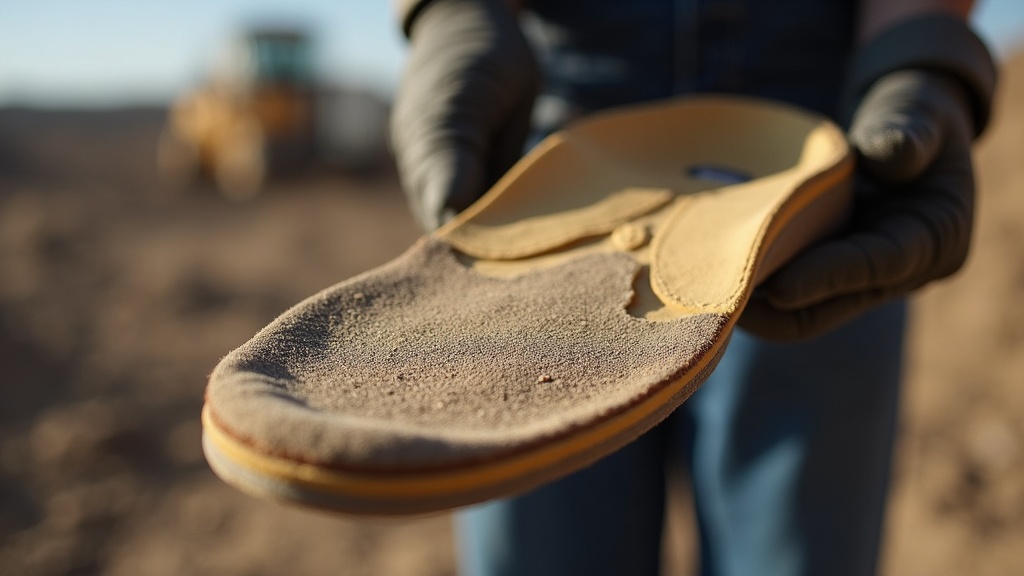
Bottom Line: What a $40 Insole Can and Can't Save You From
A $40 insole, chosen right and replaced on schedule, is one of the better investments you make in your body over a 20-year trade career. It won't stop a beam from landing on your foot. It won't fix a torn tendon. It won't replace good boot selection, proper PPE, or site awareness.
What it will do: keep your arches loaded correctly, reduce the cumulative beat-down on your joints, and cut the chance of plantar fasciitis, metatarsalgia, and fatigue-related ankle rolls. Those are the injuries that don't put you in the ER but do take you off the tools for weeks at a time.
Buy the insole. Replace it on schedule. And pair it with the right boot for your site conditions. That combination covers more ground than any single piece of footwear gear on its own.
