


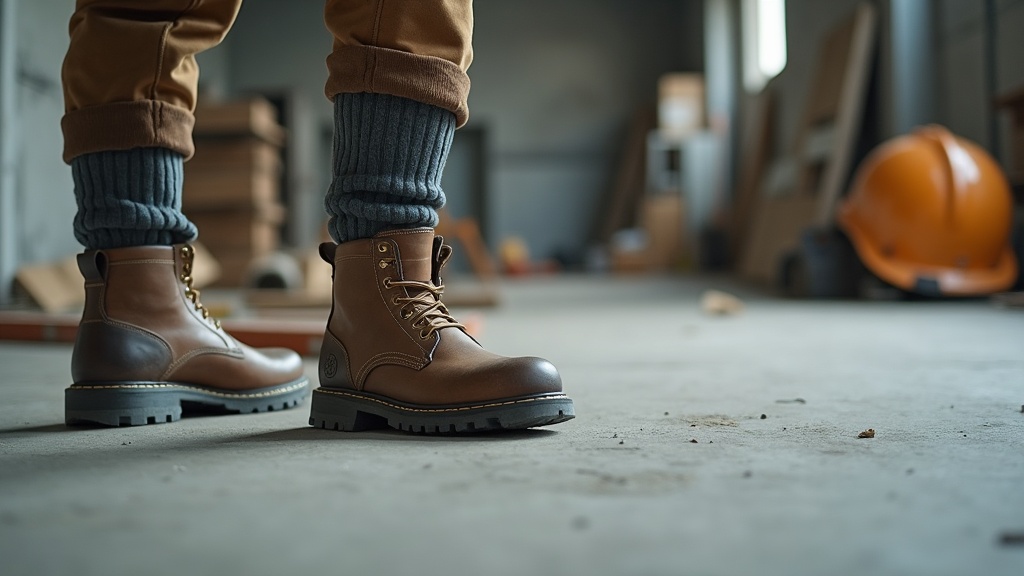
By the time you clock out, your feet feel like they've been stuffed in a vice for ten hours. The swelling, the aching, the heaviness in your calves: that's not just tired, that's your circulation losing the fight against gravity and concrete.
Comfort compression socks are one of the cheapest, most practical fixes you can buy, but only if you get the right pair. Most reviews are written by people who sit at desks. This one isn't.
Key points at a glance
- Standing 8 to 12 hours daily causes blood to pool in the lower legs, leading to swelling and long-term vein damage.
- 20-30 mmHg compression socks hit the sweet spot for most trade workers without requiring a prescription.
- Fabric blend, seam placement, and band grip matter as much as compression level for all-day comfort.
- You can wear compression socks for a full 10 to 12 hour shift safely, as long as they fit correctly.
- Affordable compression socks under $20 a pair can perform as well as premium options if you know what to look for.
- The biggest mistake workers make is buying the wrong size, which turns a good sock into a tourniquet.
What Good Compression Socks Do for You
Why Your Feet Are Wrecked by Quitting Time (And What Actually Fixes It)
When you stand all day, blood and fluid pool in your lower legs. Your venous system has to pump that blood back up against gravity, and over hours, it starts losing ground. The result is swelling, aching, and that dead-weight feeling you know too well.
Compression socks apply graduated pressure, tightest at the ankle and gradually easing up the calf. That squeezing action physically assists blood flow back toward the heart. It's mechanical, not magic.
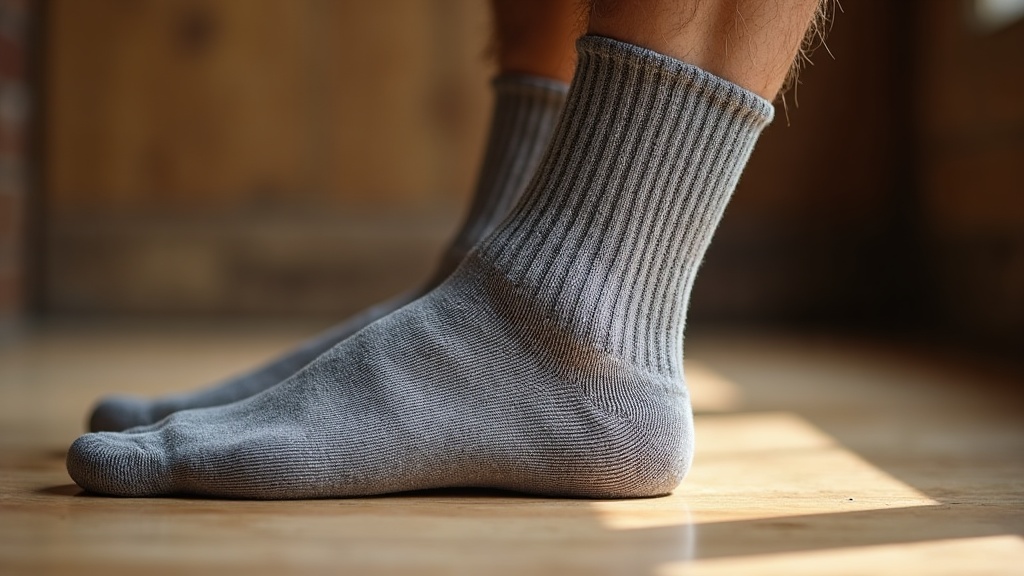
Anti-fatigue mats help. Better boots help. But if you're not addressing circulation directly, you're leaving the biggest piece of the puzzle on the table.
What Makes a Compression Sock Worth Buying for Trade Work
Most compression socks on the market are designed for airplane passengers or office workers. Trade workers need something different.
The features that actually matter on a jobsite:
- Reinforced heel and toe: High-wear zones fail first. Look for double-stitched or padded construction there.
- Non-slip top band: A band that rolls or slides down mid-shift is worse than no sock at all. It bunches and cuts off circulation in a bad spot.
- Moisture-wicking fiber: Cotton holds sweat. Inside a steel-toe boot for 10 hours, that creates blisters and fungal problems. Nylon, polyester blends, or merino wool move moisture away.
- Flat or seamless toe seam: Any raised seam under a work boot creates a pressure point. After four hours, that pressure point becomes a hot spot. After eight, it's a blister.
- Machine washability: If you can't throw them in with the rest of your laundry, you won't keep up with washing them. End of story.
Did you know?
Workers who stand on hard surfaces for more than 6 hours a day are 3 times more likely to develop chronic venous insufficiency compared to people who alternate sitting and standing, according to occupational health research published by the National Institutes of Health.
The Right Compression Level for All-Day Jobsite Wear
Compression is measured in millimeters of mercury (mmHg), the same unit used for blood pressure. The higher the number, the more squeeze.
For most trade workers, 20-30 mmHg compression socks are the target range. Strong enough to make a real difference. Not so tight that you need a doctor's sign-off or struggle to pull them on at 5 a.m.
- 8-15 mmHg: Mild. Good for light fatigue, not built for hard labor.
- 15-20 mmHg: Moderate. Decent for shorter shifts or workers who are on their feet part of the day.
- 20-30 mmHg: Firm. The standard for blue collar workers, people with swollen feet, and anyone pulling 10-hour shifts.
- 30-40 mmHg: Medical grade. Requires a prescription in most cases. Overkill for healthy workers without a diagnosed condition.
Best Comfort Compression Socks Reviewed for Workers in the Trades
These are options that have been worn on actual worksites, not tested at a desk. No sponsored picks.
| Brand / Model | Compression Level | Best For | Price Range |
|---|---|---|---|
| Copper Fit Energy | 15-20 mmHg | Half-day shifts, lighter labor | $12-$18 |
| Physix Gear Sport | 20-30 mmHg | Warehouse, construction, concrete floors | $15-$22 |
| CEP Run Compression | 20-30 mmHg | Workers needing precise sizing and durability | $40-$55 |
| Sockwell Circulator | 15-20 mmHg | All-day comfort, merino wool, odor control | $25-$35 |
| Feetures Graduated | 20-30 mmHg | Men with wide feet, hard-to-fit sizes | $28-$38 |
For most workers, Physix Gear is the starting point. Good compression, holds its shape after repeated washing, and cheap enough to buy a few pairs at once so you're never scrambling for a clean sock on Monday morning.

How Long Should You Wear Compression Socks on a Shift
Put them on before you start moving, ideally right after you get out of bed. That's when your legs are least swollen and the sock fits correctly. Wearing them 10 to 12 hours continuously is safe for most healthy adults, as long as the compression level isn't excessive.
Take them off when you're done for the day. Your legs need downtime too, and sleeping in them isn't recommended unless a doctor specifically tells you otherwise.
Did you know?
Compression socks lose roughly 30% of their elasticity after 150 to 200 wash cycles, which works out to about 5 to 6 months of daily use. If your pair feels looser than when you bought it, the compression level has dropped and it's time to replace them.
What Doctors Say vs. What Workers Actually Need
Doctors recommend compression socks for patients with varicose veins, edema, and post-surgical recovery. The compression logic is the same for workers, but the use case is different.
A vascular specialist will prescribe 30-40 mmHg socks for a patient with severe venous insufficiency. A construction worker doesn't need that level. What a worker needs is a durable 20-30 mmHg sock that fits inside a boot, wicks sweat, and survives a washing machine.
Clinical compression socks are often made of thin, slippery nylon that slides around inside a work boot. Medical-grade doesn't mean jobsite-ready.
The Real Downsides of Compression Socks (No Sugarcoating)
They're not for everyone. If you have peripheral artery disease, nerve damage in your feet, or certain skin conditions, compression socks can make things worse. Talk to a doctor before using them if you have any of those issues.
- Heat: More fabric means more heat. In July, on a rooftop, that matters. Go with a lighter compression level or a more breathable fabric blend in hot conditions.
- They're a pain to put on: 20-30 mmHg socks aren't easy to slide on in the morning, especially if your hands are beat up. A sock donner tool (costs about $10) fixes this.
- They wear out: Budget pairs may lose their compression after two or three months of daily use. Buy in packs and rotate.
- Wrong size means real problems: Too tight and you restrict circulation. Too loose and there's no therapeutic benefit. Measure your ankle and calf circumference, not just shoe size.
How to Pick the Right Pair Without Wasting Money
Start with your ankle circumference, not your shoe size. Most brands have a sizing chart based on ankle measurement. Shoe size alone is not enough information.
Quick buying checklist:
- 20-30 mmHg for full-shift workers
- Nylon or polyester blend (or merino wool if budget allows)
- Flat toe seam or seamless construction
- Non-roll silicone grip band at the top
- Reinforced heel and toe
- Buy at least 3 pairs to rotate and wash properly
You don't need to spend $50 a pair. A solid 3-pack in the $20 to $25 range will get the job done. Replace them every 4 to 6 months if you're wearing them daily. That's less than a tank of gas to keep your legs functional through a decade of hard work.
