


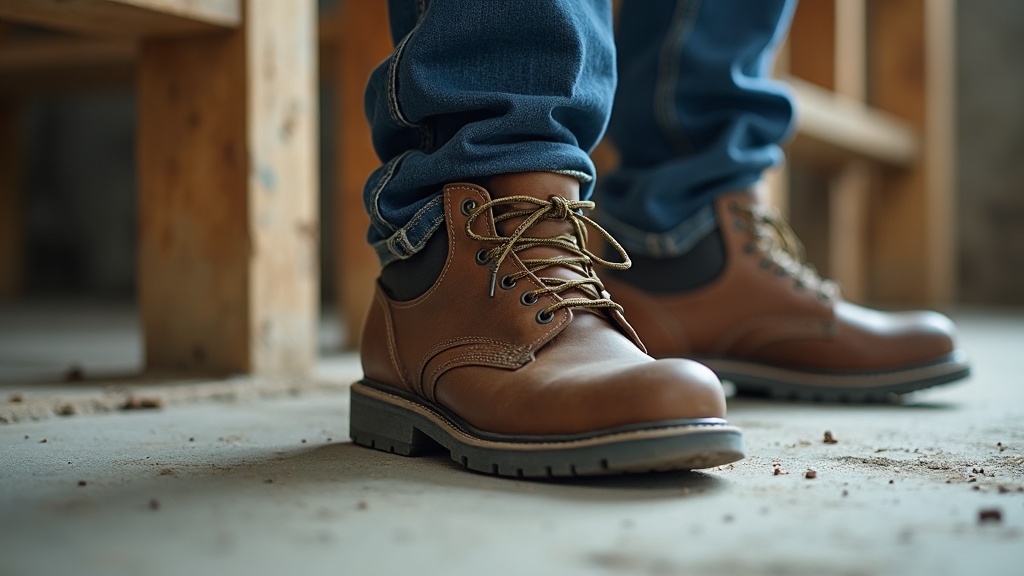
Your boots get all the credit. But the sock sitting between your foot and that steel toe? That's where your day actually gets made or broken. The wrong pair turns an eight-hour shift into a blister factory.
We're talking about work socks for steel toe boots that hold their shape, manage sweat, and don't fold down into your heel by 10 a.m. Here's what actually works.
Key points at a glance
- Cushioning at the toe box and heel prevents blisters against the hard steel cap
- Moisture-wicking fibers (wool, synthetic blends) keep feet dry and odor-free
- Crew or over-the-calf height stops the sock from bunching inside the boot shaft
- Thick socks work for most people, but fit matters: size up your boot if needed
- Women-specific cuts and Dickies steel toe socks offer real value at everyday prices
- A quality work sock should survive 50+ washes before losing its structure
What a great work sock does for you
Why Your Socks Matter as Much as Your Boots
A steel toe boot has one job: protect your feet from impact and compression. It does that job whether you're wearing the right sock or a balled-up cotton tube. The difference shows up in everything else.
Blisters, hot spots, and foot fatigue come from friction between your skin and that hard toe cap. A well-cushioned sock absorbs that friction. Without it, your foot pays the price by noon.
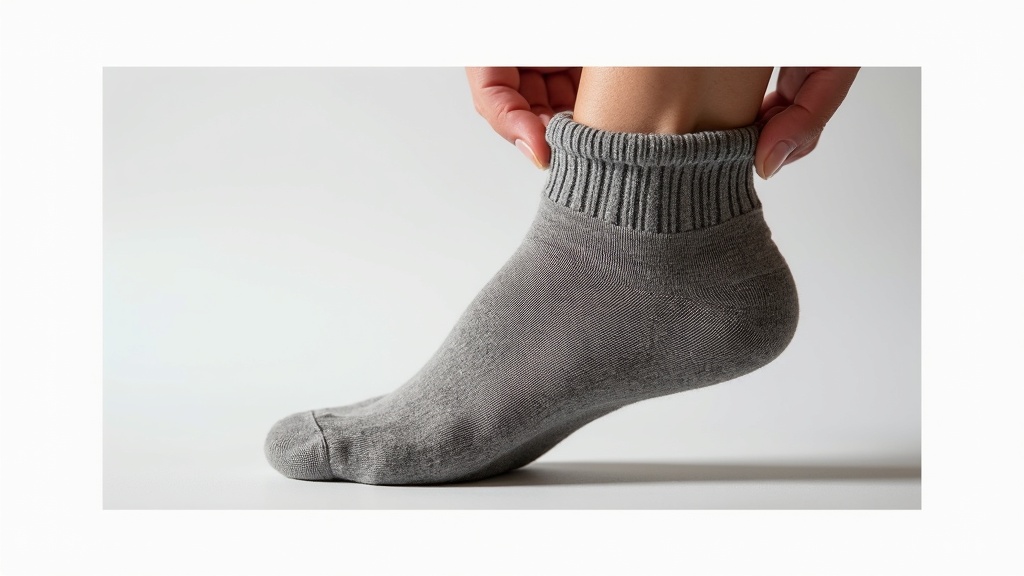
What to Look for in a Work Sock for Steel Toe Boots
Keep it simple. You need five things, and nothing else matters if these aren't right.
- Cushioning at the ball, toe, and heel, not just in the arch
- Moisture management: wool, nylon, or polyester blends over plain cotton
- Height: at minimum crew-cut (mid-calf) so the cuff doesn't drop inside the boot
- Reinforced heel and toe for durability where the boot wears the sock hardest
- Snug fit without compression: no bunching, no cutting off circulation
Did you know?
The average worker's foot produces up to half a pint of sweat per day inside an enclosed boot. A cotton sock absorbs that moisture and holds it against your skin. Merino wool or synthetic blends pull it away and let it evaporate, keeping your foot measurably drier and cooler throughout the shift.
Thick vs. Thin Socks with Work Boots: Which One Actually Works
Thick socks win for most steel toe situations. More cushion against that hard cap, more insulation in cold conditions, and more friction absorption when you're on concrete all day.
The catch: if your boots already fit snug, a heavy-duty work sock will make them tighter. That cuts circulation and creates new pressure points. Either buy boots with the sock in mind, or go mid-weight if your fit is already close.
When thin makes sense
- Hot environments (kitchens, foundries, summer outdoor work)
- Boots sized for a thicker sock but worn in warm weather
- Workers who run naturally hot and always have sweaty feet
| Sock Type | Best For | Watch Out For |
|---|---|---|
| Heavy cushion (thick) | Cold weather, concrete floors, 10+ hour shifts | Too tight if boot is already snug |
| Mid-weight cushion | Year-round all-purpose use, most trades | Less insulation in hard winter conditions |
| Lightweight / thin | Hot environments, warm-weather outdoor work | Less protection against steel toe edge |
| Over-the-calf height | Tall boots, workers on their feet all day | Can feel hot in summer, check top band tightness |
| Crew height | Standard 6-inch boots, everyday wear | May slip down in taller shaft boots |
Can You Wear Regular Socks with Steel Toe Boots?
You can. You'll regret it. A standard dress sock or thin athletic sock has no cushioning at the toe, no reinforced heel, and zero moisture management. By hour four, you'll feel every seam and every edge of that steel cap.
Regular socks also wear out faster inside work boots because the boot's interior is rougher than a sneaker. A dedicated work boot sock is built for that environment. The fabric is heavier where it needs to be.
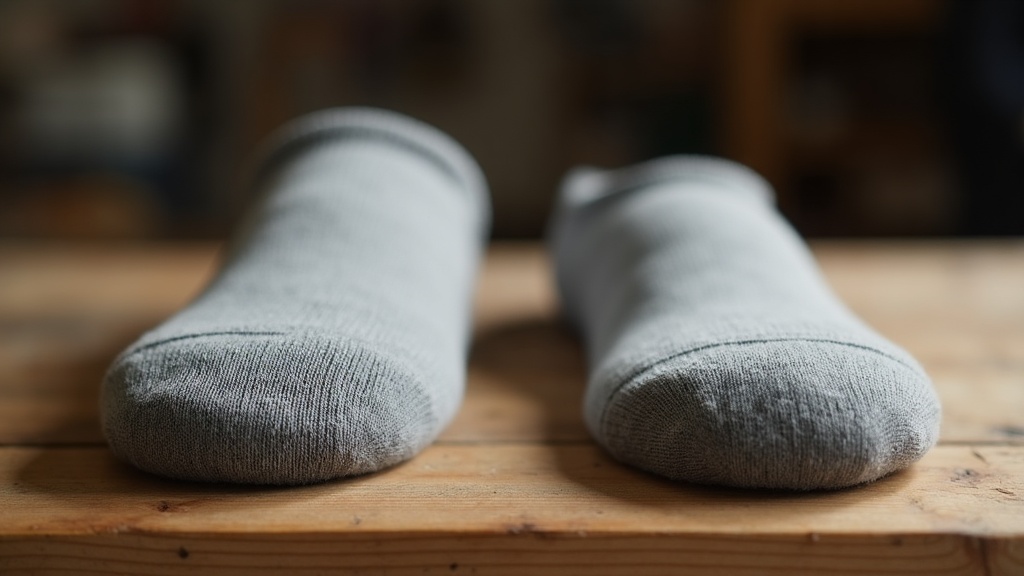
The Best Work Socks for Steel Toe Boots Right Now
Here are the options that consistently hold up in real working conditions, not just in product listings.
Dickies Steel Toe Socks
Dickies steel toe socks are built with a reinforced toe box specifically designed to reduce friction against the steel cap. They come in multi-packs, machine wash without shrinking badly, and cost about what they should. A solid starting point for anyone who doesn't want to overthink it.
Darn Tough Work Boot Sock (Wool Cushion)
Made in Vermont from merino wool. They offer a lifetime guarantee and they mean it. Pricy upfront, but over three to four years, they're actually cheaper than replacing budget pairs every few months. The cushion is dense without being stiff.
Carhartt Heavy Duty Work Boot Sock
Good midpoint between price and performance. Heavy duty work socks from Carhartt use a FastDry technology blend that genuinely moves moisture. The FastDry name is marketing, the function is real. Reinforced heel, full cushion sole, available in crew and over-the-calf.
Thorlos Experia XCMU Work Sock
Designed by podiatrists. The padding is targeted, not just dumped everywhere. If you have specific hotspot issues at the ball of your foot or under the heel, these are worth trying before you invest in custom insoles.
Did you know?
Merino wool fibers can absorb up to 30% of their weight in moisture before they feel wet to the touch, making merino-blend work socks particularly effective for all-day boot wear compared to standard synthetic-only options.
Best Work Socks for Steel Toe Boots for Women
Most work socks are built on a men's sizing template and the proportions show it. Women with steel toe boots need a narrower heel cup, a shorter foot length, and calf dimensions that don't gap at the top or cut in.
Steel toe socks for women that actually fit:
- Darn Tough Women's Boot Sock: same guarantee as the men's version, sized correctly, available in cushion and light cushion
- Dickies Women's Crew Work Sock: affordable, reinforced, comes in women's sizing with a tighter heel pocket
- Wigwam Women's Merino Wool Work Sock: natural fiber, good temperature regulation, holds shape through repeated washes
- Carhartt Women's All-Season Boot Sock: FastDry blend, full cushion, fits women's 6 to 9 without the excess fabric at the toe
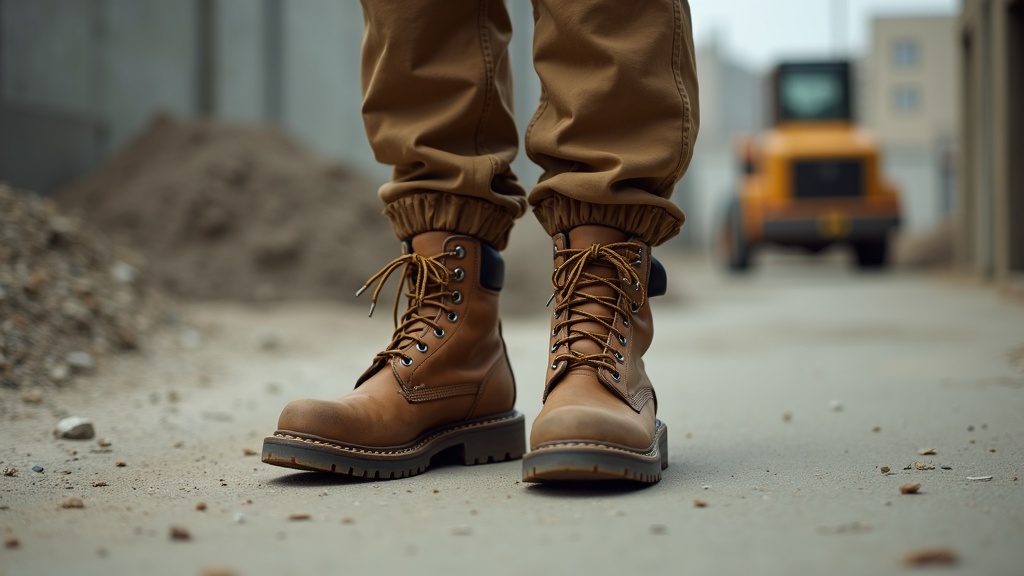
What to Do If Your Feet Sweat Through Everything
If you've burned through cotton socks by lunch every day, the problem isn't the brand. Cotton holds sweat against your skin. That's what it does.
Switch to a merino wool or synthetic blend specifically labeled for moisture wicking. Then add these habits:
- Rotate two pairs of boots, never wear the same pair two days straight
- Stuff worn boots with newspaper overnight to pull residual moisture out
- Apply foot powder to the boot interior, not just your feet
- Check that your work socks for sweaty feet have ventilation mesh panels above the arch
If the problem is severe, look at a sock with an anti-microbial silver-fiber thread woven in. It won't stop sweat, but it stops the bacteria that turns sweat into odor and skin breakdown.
How Long Should a Good Work Sock Last?
A budget pack sock, washed weekly: three to five months before it thins out at the heel and toe. A mid-range work sock from Carhartt or Dickies: six months to a year with proper care. A premium merino sock from Darn Tough: two to four years, and it comes with a guarantee if it wears out first.
Wash in cold, air dry when you can. Heat is what kills sock elasticity and breaks down cushioning fiber. Tossing them in a hot dryer every time cuts their life in half.
Signs it's time to replace
- Heel or toe fabric has gone thin enough to see light through
- The cuff no longer holds at mid-calf and drops during your shift
- You're getting blisters in spots where you never used to
- The sock twists on your foot and doesn't stay straight
Pick Your Pair and Get Back to Work
You don't need a dozen options. You need one pair that fits your boot, your climate, and your budget, and then you need to buy six of them so you always have clean ones ready.
Start with a mid-weight cushion sock in a merino or synthetic blend. If you run hot, go lighter. If you're in freezing temps or on your feet 12 hours straight, go heavier. Buy from a brand with a return policy the first time until you find your fit. Then stock up.
Your feet carry the whole operation. Give them something that actually holds up.
