



Most women's work pants are just regular pants with a cargo pocket stapled on as an afterthought. The pockets are too shallow to hold a tape measure, the fabric blows out at the knees by month three, and the waistband gaps three inches at the back. That's not a work pant. That's a costume.
Women's cargo work pants with pockets should do one thing above all else: help you do your job without fighting your clothes. Here's how to tell the difference between pants that work and pants that just look the part.
Key points at a glance
- Pocket depth matters more than pocket count: shallow pockets are useless on a job site.
- Ripstop fabric is the baseline for durability; stretch ripstop is the upgrade worth paying for.
- Women-specific fit fixes (contoured waistband, higher back rise) are real features, not marketing.
- Plus size and petite options exist that don't cut features to save cost.
- Check seam reinforcement and gusset placement before you buy, not after the first wash.
- Wide leg styles work in trades where kneeling and climbing are constant.
What Good Cargo Work Pants Actually Give You
What Makes a Cargo Work Pant Worth Buying (and What Gets Women Ripped Off)
The cheap version checks boxes on paper: cargo pocket, belt loops, elastic waist. But the pocket opening is four inches wide, the fabric is thin cotton blend, and there's zero reinforcement at the knee or crotch seam. You'll know by week six.
A legitimate women's cargo work pant starts with fabric weight (6 to 8 oz minimum for field work), triple-stitched or bar-tacked stress points, and at least one gusseted crotch seam. Without those three things, you're buying a product that looks like workwear but isn't.
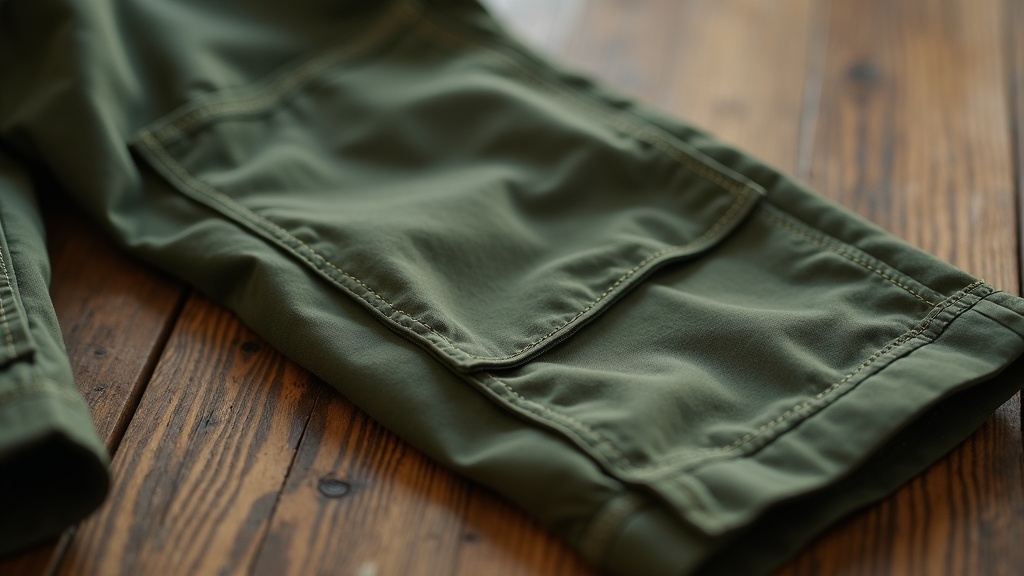
Pocket Count and Pocket Placement: Why Both Matter on the Job
Eight pockets sound great until three of them are decorative and two more are positioned so they dump everything when you crouch. Placement is the real variable.
For most trades, you want: two deep front slash pockets (at least 7 inches deep), two cargo pockets on the thigh that sit mid-thigh or higher so they don't catch on ladders, and a back right pocket with a button closure. A utility loop or hammer loop on the right thigh is worth having. A phone pocket on the cargo flap with a hidden snap is a legitimate upgrade.
- Front pockets: check depth by sliding your whole hand in, fingers extended. If it stops at the knuckles, that's a no.
- Cargo pockets: should close securely with a snap or button, not just a flap that flops open when you bend.
- Back pockets: one is enough if it has a closure. Two without closures is just two ways to lose your wallet.
Fabric That Holds Up: Ripstop, Stretch, and What Actually Lasts
Women's ripstop cargo pants use a reinforced grid weave that stops a tear from spreading. A single snag on a wire fence won't blow out into a 6-inch hole. That matters on construction sites, landscaping jobs, warehouses, anywhere with sharp edges and rough surfaces.
The upgrade from basic ripstop is stretch ripstop: usually a nylon-cotton blend with 2 to 5% spandex or elastane woven in. You get the same tear resistance with full range of motion for climbing, squatting, or working overhead. For most women in physical trades, it's worth the extra cost per pair.
Did you know?
Ripstop fabric was originally developed for military parachutes during World War II. The reinforcing grid is woven at regular intervals specifically to stop tears from propagating, which is why a small cut stays small even under tension.
| Fabric Type | Durability | Stretch | Best For |
|---|---|---|---|
| Cotton canvas | High | None | Low-mobility jobs, cool weather |
| Ripstop nylon/cotton | Very high | Low | Rough terrain, outdoor trades |
| Stretch ripstop | Very high | Medium to high | Construction, climbing, full-day wear |
| Poly-cotton twill | Medium | Low | Light duty, warehouses |
| FR (flame-resistant) blend | High | Low to medium | Electrical, oil and gas, welding |
Fit Issues Specific to Women's Work Pants (and How to Spot a Real Fix)
The most common complaint is the back-waist gap: pants that fit in the hips gape two inches at the back when you crouch or bend. On a job site, that's not just uncomfortable, it's a hazard when you're working near machinery or sharp edges.
A real fix is a contoured waistband with a higher back rise, sometimes paired with a partial elastic panel at the back or an articulated knee. These aren't buzzwords. They're measurable design choices. Ask the spec sheet or look at the construction photo before you order online.
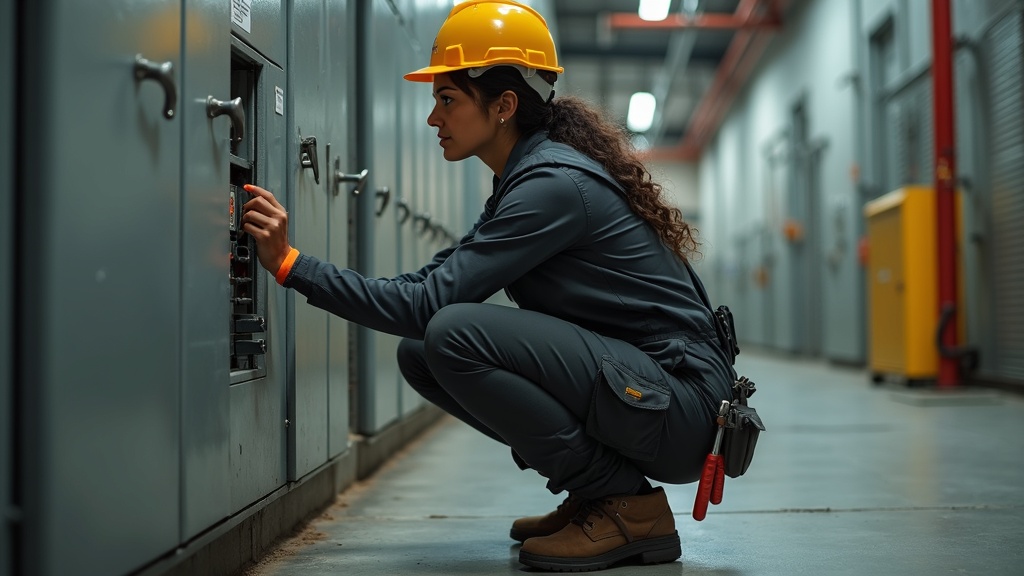
Three fit details worth checking before you buy
- Back rise: should be at least 12 inches for most women. Less than that and you'll be pulling up your waistband all day.
- Inseam options: brands that offer short, regular, and long inseams are investing in real fit, not just range theater.
- Thigh room: cargo pockets add bulk. Make sure the thigh has enough room that the pocket doesn't restrict your stride.
Top Women's Cargo Work Pants with Pockets Worth Your Money
A few names come up consistently when women on job sites talk about what actually holds up: Carhartt Women's Rugged Flex (stretch canvas, deep pockets, available in plus), Dickies Women's Cargo Work Pants (affordable, solid ripstop, good pocket layout), and Duluth Trading Women's DuluthFlex (gusseted crotch, articulated knees, long torso options).
For women's utility work pants in higher-hazard trades, Berne and Portwest both make women's FR options with actual cargo pocket capacity. They cost more. For electrical and oil and gas work, they're not optional.
Did you know?
Women make up about 11% of the U.S. construction workforce as of 2024, and that number has been growing for a decade straight. The dedicated women's workwear market has expanded significantly in response, but quality still varies widely between brands.
Plus Size and Petite Options That Don't Shortchange You on Features
Plus size women's cargo work pants with pockets have a real problem in the market: many brands extend sizing but shrink the pocket depth or drop the reinforced knee. That's not a plus size option. That's a compromise with a bigger waist number.
Carhartt and Duluth Trading both maintain full feature sets up to size 3X. Berne goes up to 4X on some women's cargo styles. For petite, Dickies offers specific inseam lengths at 28 and 30 inches without altering the pocket layout. If a brand doesn't specify inseam options for petite, assume it's just a hemmed regular and look elsewhere.
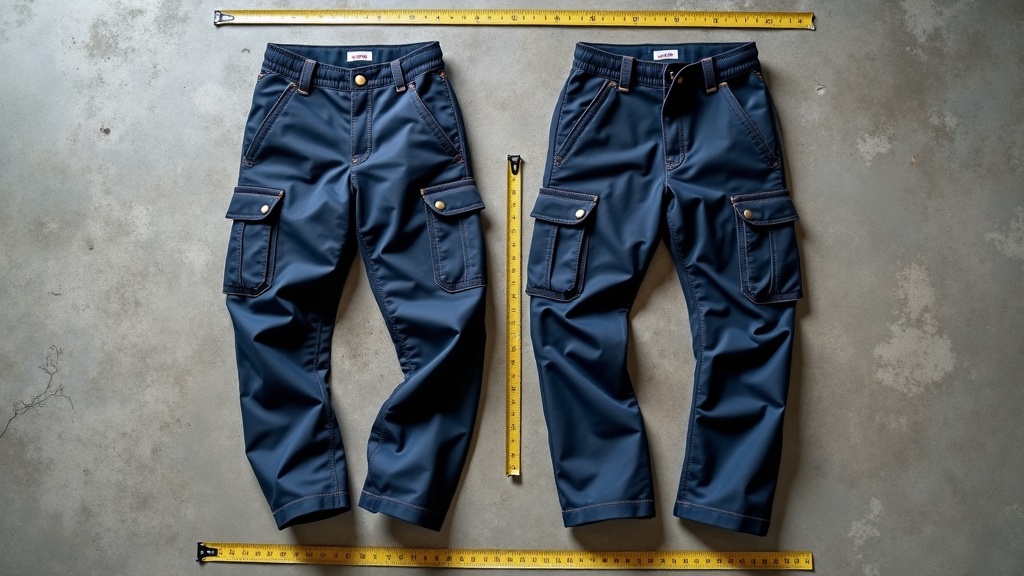
What to Ignore on the Label and What to Actually Check Before You Buy
Ignore: "professional grade," "workwear inspired," any claim without a fabric weight listed. Those phrases mean nothing.
Check instead: fabric weight in oz/sq yd (6 oz minimum, 7.5 oz preferred for heavy use), seam construction (triple stitch or bar tack at stress points), and whether the knee has a reinforcement panel or a pocket for an insert pad. That last one matters in flooring, roofing, and plumbing work.
- UL or ANSI ratings on FR pants are required, not optional. No certification number on FR claims means the pants are not rated.
- "Water resistant" is a DWR coating, not waterproofing. Fine for light rain, useless if you're working in standing water.
- A gusseted crotch is a diamond-shaped fabric insert at the crotch seam. If the spec sheet doesn't mention it, the pants probably don't have one.
Where to Buy Women's Cargo Work Pants with Pockets Near You or Online
For in-person shopping, most women's construction work pants are available at Home Depot, Tractor Supply, and dedicated workwear shops. The advantage is trying on fit before you commit. Ask to check pocket depth in the store. That 30 seconds matters.
Online, Amazon carries most major brands with verified purchase reviews from actual workers. Duluth Trading's own website is worth using for their fit guide, which maps inseam length to height range and specifies back rise measurements by size. That's the kind of data that saves a return trip.
For wide leg women's cargo work pants, search specifically on Zappos or WorkingPerson.com, which filter by fit style. Wide leg styles are worth considering for scaffolding and confined space work where a tighter cut restricts knee flexion.
Before you finalize any order: check the return policy, confirm the inseam length is listed in the product spec (not just S/M/L), and look for at least 20 verified reviews that mention actual job use, not just appearance.
