


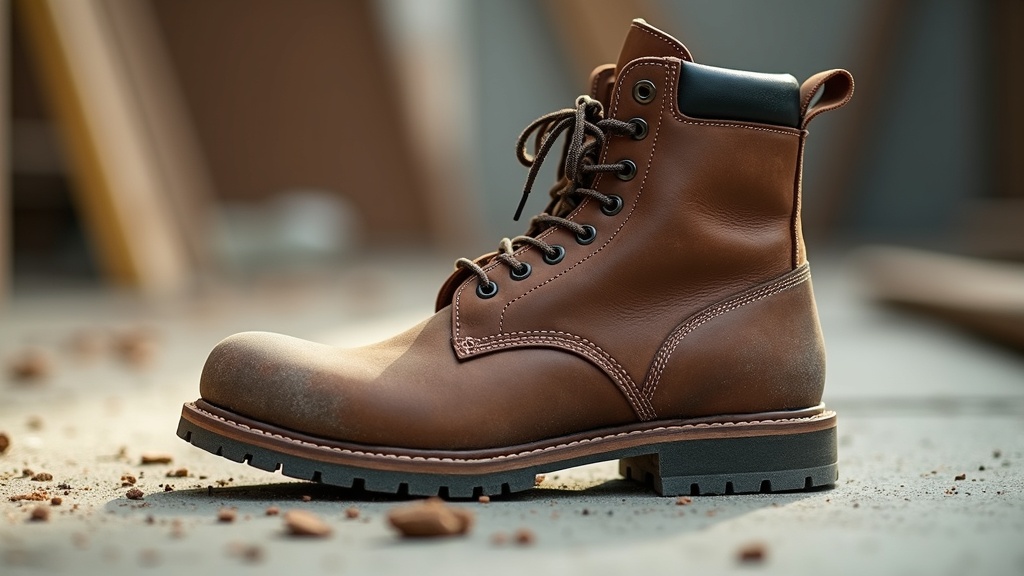
Blisters don't care how tough you are. You can be ten years into the trades, eating concrete dust for breakfast, and one new pair of boots or a long pour day will have you limping to the truck by 2 p.m. That's not weakness. That's friction, heat, and moisture doing what they do.
The good news: most blisters on the jobsite are completely preventable. Not with gimmicks, not with fancy creams, but with the right boots, the right socks, and a few habits that take about 30 seconds to build into your routine.
Key points at a glance
- Boot fit is the number-one blister cause on construction sites, and most workers are wearing the wrong size width
- Breaking in boots slowly over a week beats suffering through a full shift in stiff leather
- Anti-blister socks with moisture-wicking fibers cut friction and sweat in one move
- Moleskin and hydrocolloid bandages each have a specific job: know which to reach for
- Hand blisters follow the same rules as foot blisters, just different gear
- A small blister kit in your toolbox takes five minutes to put together and will save your week
What this guide gets you
Why Construction Workers Get Blisters More Than Anyone Else
A desk worker wearing tight shoes gets a blister. A construction worker gets five, on both feet, and has to keep moving anyway. The variables stacked against you are different in kind, not just in degree.
You're on your feet eight to twelve hours. The ground is uneven, the temperature swings, and your boots weigh two pounds each. Add concrete, gravel, rebar, and a 30-pound tool belt throwing off your stride, and every step generates more heel and toe friction than a normal person sees in a week.
Sweat is the other half of it. Feet trapped in leather and steel soak through socks fast. Wet skin is soft skin. Soft skin tears.
Boot Fit Is the Root Cause Nobody Talks About Enough
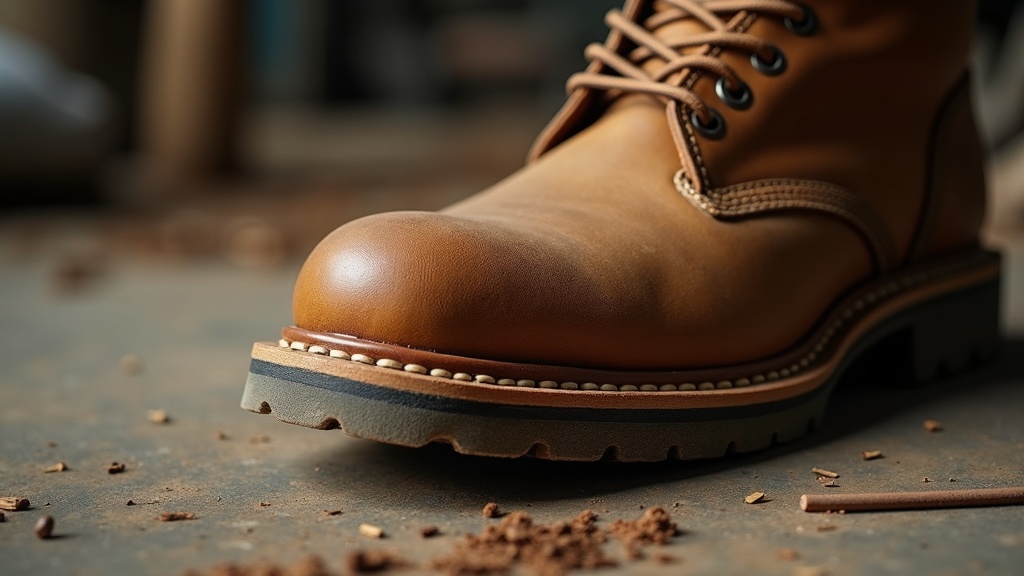
Most blister problems start at the store. Workers buy the right length and ignore the width entirely. A boot that's too narrow will squeeze your foot and create pressure points at the pinky toe and ball. Too wide, and your heel lifts every step.
Heel slip is the single biggest cause of blister prevention heels from boots failures. If your heel moves even a quarter inch with every step over a ten-hour shift, do the math on how many times that skin gets rubbed.
What to check when you buy
- Try boots on at the end of the day when your feet are swollen, not in the morning
- Wear the exact socks you plan to work in
- Wiggle your toes freely: if you can't, the toe box is too narrow
- Lace up fully, then walk a ramp or stairs in the store
- Your heel should feel locked, not sliding
How to Break In New Work Boots Without Wrecking Your Feet
The fastest way to get a massive blister is to wear brand new boots on a full shift Monday morning. Stiff leather doesn't flex where your foot flexes. It pushes back.
To properly break in construction boots, wear them for two to three hours on lighter days first. Do a half-day, then a full day, and by day five most leather boots have shaped enough to your foot that you're good.
Did you know?
Leather work boots can take 40 to 80 hours of actual wear to fully break in, depending on the thickness and tanning method. Full-grain leather takes longer than corrected-grain but lasts significantly longer once broken in.
A light coat of leather conditioner on the heel collar and tongue before your first wear also helps the material flex earlier. Mink oil and neatsfoot oil both work. Apply thin, let it absorb overnight.
The Best Socks for Blister Prevention on the Jobsite
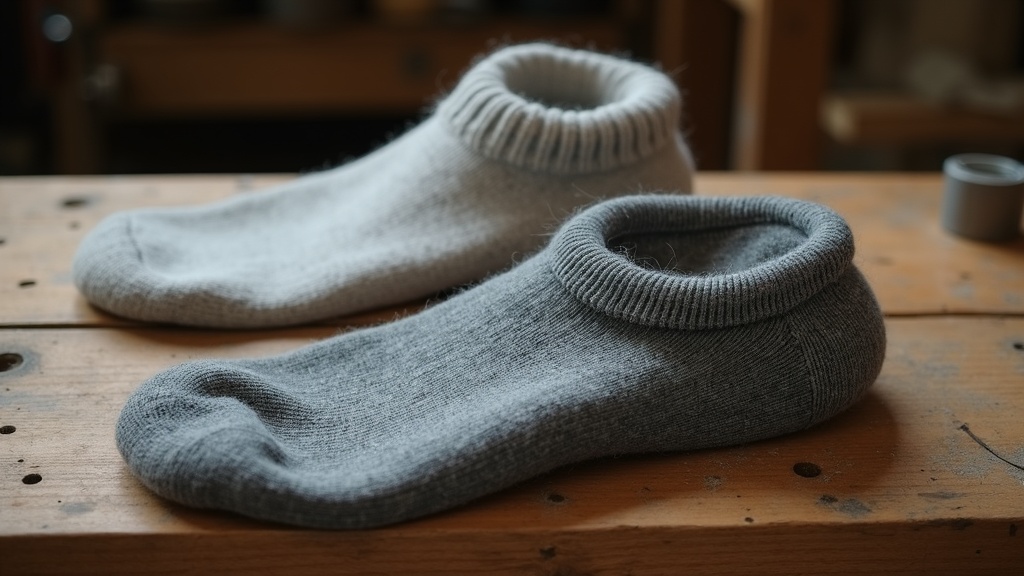
Cotton kills your feet. It holds moisture against the skin and doesn't bounce back once it's wet. Anti-blister socks for work need to wick sweat away fast and keep their structure under compression all day.
Merino wool is the top performer for most workers. It wicks, it resists odor, and it cushions. Synthetic blends (nylon/polyester/spandex) come in second, especially in hot environments where wool feels heavy.
| Sock Material | Moisture Wicking | Blister Protection | Best For |
|---|---|---|---|
| Cotton | Poor | Low | Nothing on a jobsite |
| Merino Wool | Excellent | High | All-season, most trades |
| Nylon/Polyester Blend | Good | Medium-High | Hot climates, summer work |
| Wool/Nylon Blend | Excellent | High | Heavy-duty year-round |
| Liner + Boot Sock (double layer) | Excellent | Very High | Long shifts, new boots |
The double-sock setup deserves a mention. A thin liner sock under your regular boot sock shifts friction from skin-to-sock to sock-to-sock. That one change alone cuts most heel blisters out of the equation.
Tape, Moleskin, and Blister Bandages: What to Use and When
These three things are not interchangeable. Each one does a specific job.
Moleskin
Use it before a blister forms. If you know a spot is starting to hot, cut a donut shape out of moleskin and center the hole over the hot spot. The padding around it takes the friction instead of your skin.
Athletic or Kinesiology Tape
Great for toes and the back of the heel. Wrap the toe or apply a strip to the heel before your shift. It's thin, it stays put, and it adds a friction barrier without bulk.
Hydrocolloid Blister Bandages
This is your blister bandage for feet once a blister is already there. Hydrocolloid gel creates a moist healing environment and absorbs the fluid. It also cushions the raw skin so you can keep moving. Compeed and Band-Aid Hydro Seal are the two worth buying.
Moisture and Sweat Control: The Part Most Workers Skip
You can have perfect boots and great socks and still get blisters if your feet sweat through everything by noon. Sweat management is the step most guys ignore.
Antiperspirant on the soles and heels works. Sounds strange, but it's the same mechanism as your underarms. Apply it the night before a long shift, let it dry, and your feet will stay drier longer. Regular stick deodorant doesn't do it; you need actual antiperspirant with aluminum chloride.
Did you know?
The average person's feet produce about half a pint of sweat per day. For a construction worker doing physical labor in hot conditions, that number can double. That moisture is the primary reason friction turns into a blister instead of just a callus.
Foot powder is also cheap and effective. Sprinkle some in your boots before putting them on. It absorbs moisture through the day and reduces the sock-to-boot friction that grinds at the heel.
Hand Blisters for Trades Workers: Same Rules, Different Gear
Framers, concrete finishers, ironworkers, roofers: your hands take as much abuse as your feet. The blister bandage for hands trades category is small but useful.
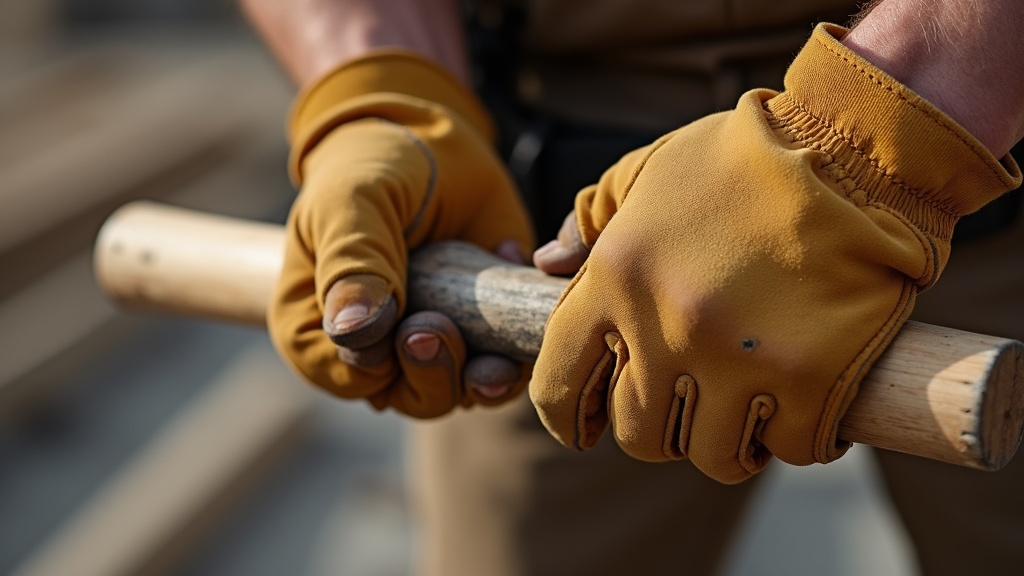
- Work gloves with padded palms are the first line. Leather palm gloves take friction on the tool grip instead of your skin
- If a blister forms on the palm or a finger, a liquid bandage or hydrocolloid pad keeps it covered and lets you grip without tearing it open
- Taping individual fingers with athletic tape before a long day of hammering or operating a plate compactor is not overkill, it's smart
- Let hand blisters air out at lunch if you can. Twenty minutes without a glove makes a difference
How to Keep Working When You Already Have a Blister
First decision: drain it or leave it alone. If a blister is intact and not infected, leave the roof on it. The fluid underneath is protecting the tissue. Pop it wrong and you've turned a sore spot into an open wound that can get infected in a dirty jobsite environment.
If it's already torn or it's so large you can't walk on it:
- Clean the area with an alcohol wipe
- If draining, use a sterile needle, poke the edge (not the center), let it drain without removing the skin
- Apply a hydrocolloid blister bandage directly over it
- Use moleskin with a donut cutout over the bandage for extra protection if it's on a pressure point
- Change the bandage at lunch if it's soaked through
Knowing how to keep working with a blister is really about reducing the pressure on it, not ignoring it. Reposition the bandage if it's sliding. Relace your boot to reduce heel movement. Take the five minutes.
The Short List: What to Keep in Your Toolbox for Foot Care
This is the whole system, pared down to what actually earns its spot. Build this kit once, keep it in the truck or your toolbox, and you're covered for 90% of what the jobsite throws at your feet.
- Hydrocolloid blister bandages (Compeed or Band-Aid Hydro Seal, assorted sizes)
- Moleskin sheet (cut your own donuts as needed)
- Athletic tape, 1.5-inch roll
- Foot powder (Gold Bond or similar)
- Alcohol wipes (for cleaning before any bandage goes on)
- A spare pair of quality socks (merino or synthetic blend, not cotton)
- Sterile needle in a sealed pack, just in case
Total cost: under $20. Total time to put together: fifteen minutes at the drugstore. The day you need it, you'll think of that $20 as the best money you spent all month.
Foot care for construction workers isn't complicated. It's just a handful of choices made consistently: the right boots, the right socks, a little prevention before each shift, and knowing what to reach for when something goes wrong. Do that, and blisters stop being a regular part of the job.
