


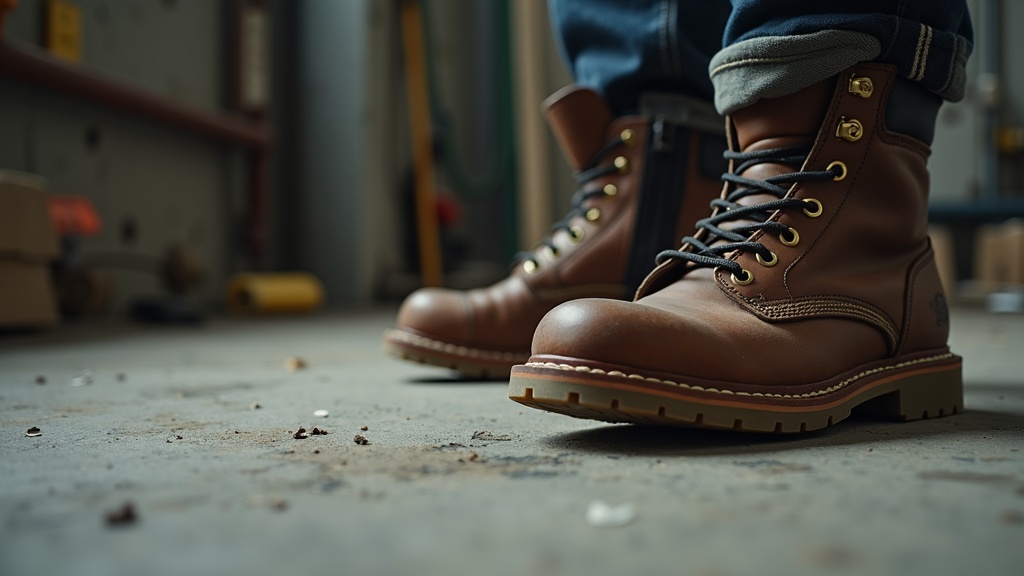
You know that feeling around hour six of a shift: a hot, electric burn right under the ball of your foot, like you're standing on a marble that isn't there. You pull your boot off, rub it, put it back on, and push through. That's what trades workers do.
But if that burn keeps coming back, sharper each week, you're not just tired. You may be dealing with Morton's neuroma, and ignoring it is going to cost you more than one bad shift.
Key points at a glance
- Morton's neuroma is a thickened, irritated nerve between the third and fourth toes, not a tumor.
- Trades workers, including electricians, plumbers, and framers, are at unusually high risk due to narrow boot toe boxes and concrete surfaces.
- It feels like a hot pebble or electric shock under the ball of the foot, worse by midshift.
- Most cases respond to non-surgical treatment: wider boots, custom orthotics, and targeted stretching.
- Cortisone injections work well for moderate cases; surgery is a last resort and recovery is slow.
- Switching footwear and adding a metatarsal pad can bring real relief within days, not months.
What This Article Gives You
What Morton's Neuroma Actually Feels Like on a Long Shift
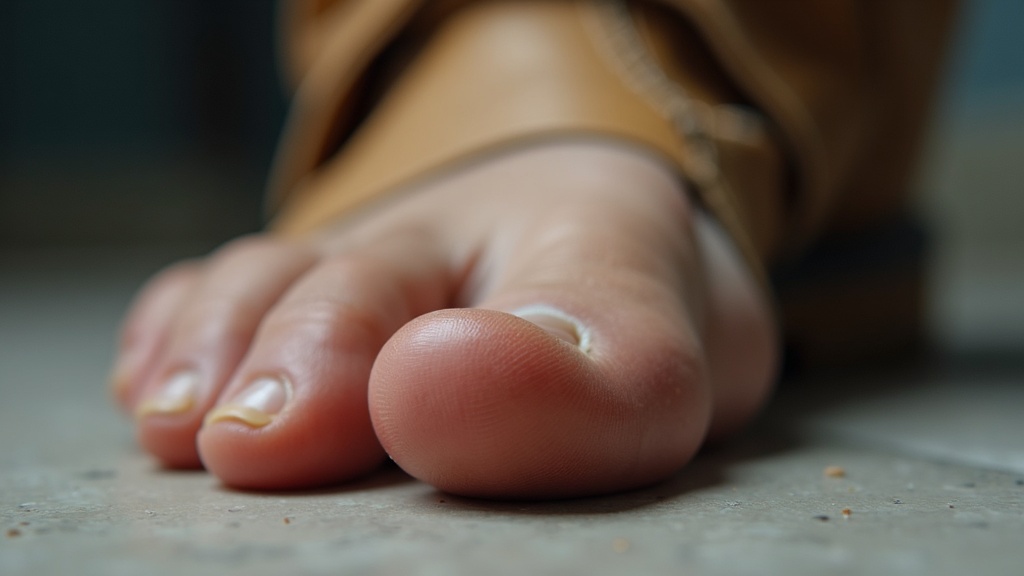
It usually starts mild: a dull ache under the ball of your foot around the third or fourth toe, easy to write off as fatigue. By hour eight it's a burning, shooting sensation, sometimes a numbness that makes your toes feel stuffed with cotton.
Some guys describe a clicking sensation when they squeeze the front of the foot. Others say it's like stepping barefoot on a folded sock that keeps moving no matter how many times you shake your boot.
The nerve involved is the interdigital nerve. When it gets repeatedly compressed and irritated, the tissue around it thickens into what doctors call a neuroma. No tumor, no tumor risk, just an angry, swollen nerve sheath doing you no favors.
Why Standing All Day in the Trades Puts You at High Risk
Construction workers, electricians, plumbers, pipefitters, tile setters: the trades are a perfect storm for this condition. Here's why.
- Narrow toe boxes in most safety boots compress the forefoot for ten hours straight.
- Hard surfaces (concrete, asphalt, steel decking) offer zero shock absorption, sending repetitive impact straight through the metatarsals.
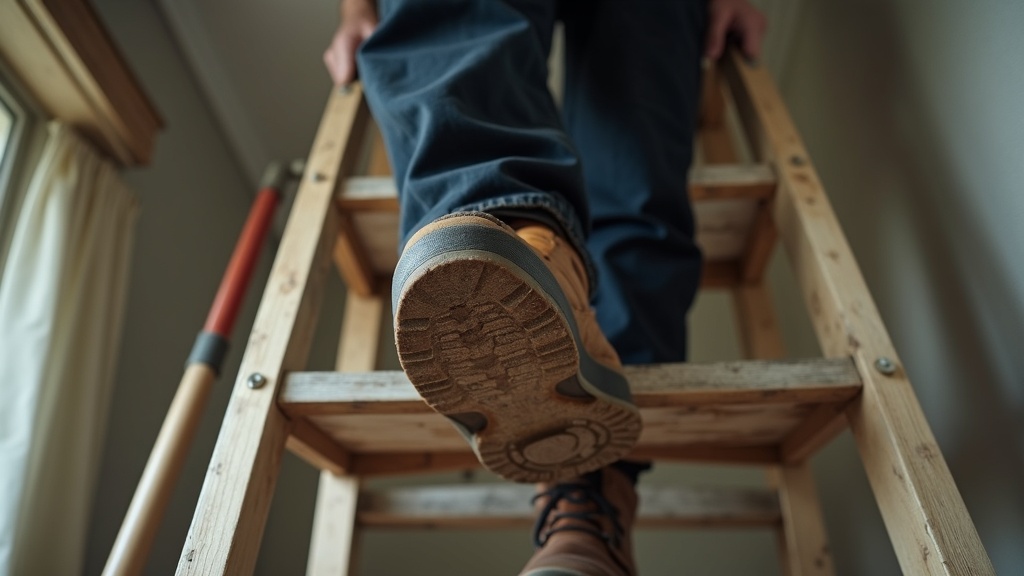
- Ladder climbing forces the ball of the foot into a hyperextended position that pinches the nerve with every rung.
- Heavy tool belts and vests add bodyweight the feet weren't designed to handle at that frequency.
- Kneeling and crouching curl the toes back, stretching and irritating the same nerve again and again.
Did you know?
A 2018 study published in the Journal of Foot and Ankle Research found that workers spending more than six hours a day on hard flooring had a significantly elevated incidence of forefoot nerve pain compared to office workers. Concrete, in particular, returns nearly all impact energy directly to the foot with almost no absorption.
Morton's Neuroma vs. Metatarsalgia: How to Tell the Difference
These two get mixed up constantly. Both cause ball-of-foot pain. But they're different problems and they respond to different fixes.
| Feature | Morton's Neuroma | Metatarsalgia |
|---|---|---|
| Location | Between 3rd and 4th toe, precise point | Broader area under the metatarsal heads |
| Pain type | Burning, electric, shooting, or numbness | Aching, bruised feeling, dull soreness |
| Toe symptoms | Numbness or tingling in adjacent toes | Rarely affects toes directly |
| Mulder's click | Often present (squeeze test produces click) | Absent |
| Relief when barefoot | Yes, usually quick | Partial, slower |
The squeeze test is simple: wrap your hand around the widest part of your foot and compress side to side. If that produces a sharp click or recreates your pain, that's a strong indicator of Morton's neuroma. Have a podiatrist confirm with a physical exam or ultrasound.
10 Signs You Might Be Dealing with Morton's Neuroma
- Burning or electric pain under the ball of the foot, worst by midshift
- Feeling like there's a pebble or fold in your sock that you can't find
- Numbness or tingling between the third and fourth toes
- Pain that gets sharper when you squeeze the sides of the forefoot together
- Immediate relief when you pull your boot off and rub the foot
- Discomfort when going up a ladder or crouching
- Worse pain in narrow boots, better in wide toe box or sandals
- Occasional sharp shooting pain into the toes
- The sensation eases on rest but comes back fast once you're back on your feet
- Symptoms that have progressively worsened over weeks or months
What Aggravates It and What to Stop Doing Right Now
Some habits are quietly making this worse every single shift.
- Stop lacing your boots too tight across the forefoot. Loosen the middle laces, not the top. Your ankle still needs support; your forefoot needs room.
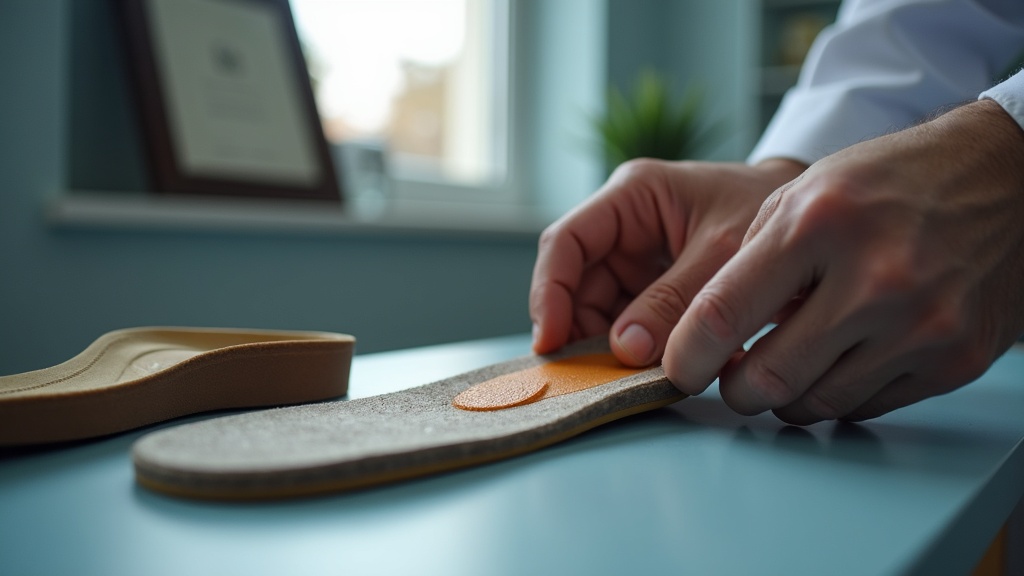
- Ditch the thin, stock insoles that came with your boots. They offer nothing. A metatarsal pad placed just behind the ball of the foot redistributes pressure off the nerve.
- Avoid standing in one spot for extended periods on concrete without shifting weight. Walk when you can.
- Skip the steel toe box if it's cramping your forefoot. Composite toe caps are often wider and lighter.
Did you know?
A correctly placed metatarsal pad costs around $15 and has been shown in clinical studies to reduce forefoot pressure by up to 43%. It doesn't cure the neuroma, but it can make a meaningful difference in daily pain levels while you work toward a longer-term fix.
Can You Keep Working, or Do You Need to Get Off Your Feet
Most people with early to moderate Morton's neuroma can keep working with the right modifications. You're not going to make it go away by pushing through with bad gear, but you also don't have to call out sick.
The honest answer: if your pain is a 3 or 4 out of 10 and manageable with insole changes and boot adjustments, keep working while you pursue treatment. If you're at a 7 or 8 by noon, that's your body telling you the nerve is inflamed enough to need a real break, or at minimum a cortisone shot before the next long week.
Pushing through severe pain accelerates nerve damage. A week of modified duty now beats six months of worsening symptoms later.
Does Morton's Neuroma Ever Go Away on Its Own
Sometimes, yes, especially if it's caught early and the mechanical cause is removed. Switch to a wider boot, add a metatarsal pad, spend a few weeks off concrete, and a small neuroma may calm down significantly.
But if the nerve has been compressed for months and the tissue has thickened, it won't reverse itself without some form of intervention. It will plateau or get worse. That's the reality.
Treatment That Actually Works: From Insoles to Injections to Surgery
Step one: mechanical relief
Wider boots, metatarsal pads, and custom orthotics. This is where most mild cases find real relief. A podiatrist-prescribed orthotic that offloads the nerve is more effective than anything off the drugstore shelf.
Step two: physical therapy
Specific stretches targeting the plantar fascia, intrinsic foot muscles, and calf complex reduce the tension that contributes to nerve compression. Not glamorous. Works.
Step three: cortisone injections
A well-placed corticosteroid injection can knock inflammation down fast. Most podiatrists allow two to three per year. They don't fix the underlying problem but they buy you time and significant pain relief.
Step four: surgery
Neurectomy (removing part of the nerve) or nerve release. Effective for severe cases. Recovery takes six to eight weeks of restricted activity, which for a tradesperson means real lost income. Exhaust every conservative option first.
Boots, Insoles, and Gear That Help You Finish the Shift Without the Burn
You need boots with a wide toe box, a rocker sole, and genuine arch support. Not marketing language on the box, actual geometry you can measure.
Boot features to prioritize
- Wide or extra-wide toe box (EE or EEE width) that doesn't narrow aggressively at the forefoot
- Composite toe cap instead of steel, typically 20 to 30% more internal volume at the toe
- Rocker bottom sole that reduces forefoot pressure at push-off
- Removable footbed with at least 6mm of cushioning depth so a custom orthotic fits
Brands that work for this condition
Keen Utility, New Balance industrial, Thorogood (American Heritage series in wide), and Wolverine's I-90 EPX line all offer legitimate wide forefoot fits with ASTM-rated protection. They cost more. They're worth it when the alternative is nerve damage.
The insole setup that makes a real difference
- Pull the stock insole out entirely
- Place a self-adhesive metatarsal pad on your foot or the insole, just behind the ball, not on top of it
- Layer a full-length orthotic (Superfeet Carbon or a custom device) over the top
- Re-lace loosely across the forefoot, firm at the ankle
Your action plan before the next shift
- Order a wide toe box boot in your size and get them on your feet this week
- Pick up a Pedag or Hapad metatarsal pad, under $20, and position it correctly
- Book a podiatry appointment. Bring your current boots to the exam. Describe your job duties specifically.
- Start calf stretching morning and evening: three sets, 30 seconds each side
- If pain is above a 5, ask your doctor about a cortisone injection before your next heavy week
