


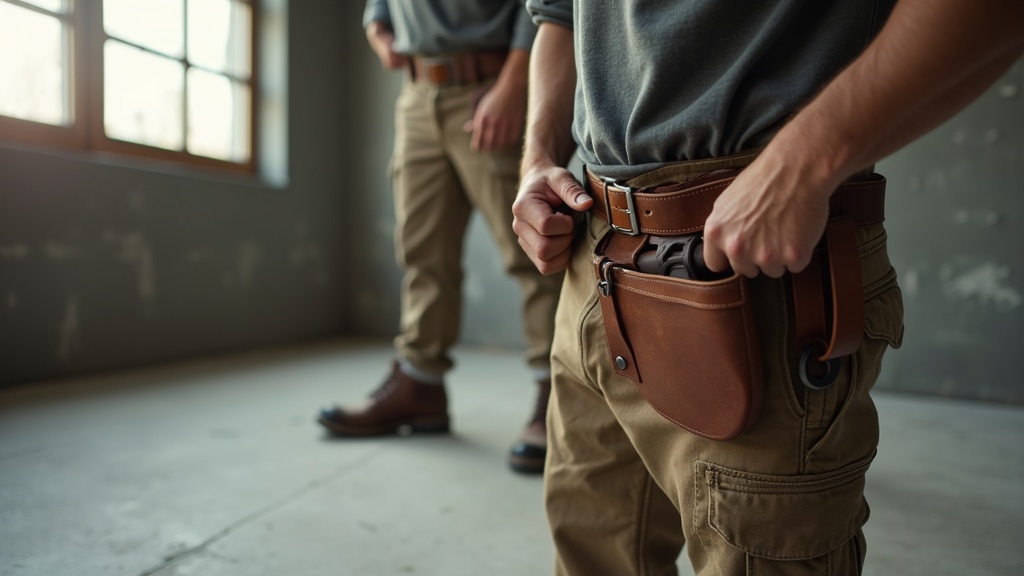
Most construction work gear falls apart before the job is done. Seams blow out, knees wear through, and zippers quit in the cold. You've been there.
This guide cuts straight to what holds up, what's worth the money, and what to skip entirely. Built for people who work for a living.
Key points at a glance
- Fabric weight and triple-stitched seams are the first things to check before buying.
- Carhartt, Duluth Trading, and Dickies remain the most consistent brands for durable workwear for construction.
- Women-specific fits now exist and they're built for range of motion, not just downsized men's cuts.
- Local construction clothes stores often stock brands you can't find online, with the option to try before you buy.
- Simple maintenance habits like cold washing and air drying can double the life of your gear.
- High price tags don't always mean high quality on the jobsite.
What this guide gives you
What to Look for Before You Buy Construction Work Gear
Start with fabric weight. Canvas, ripstop, and duck cloth outlast lightweight synthetics on most sites. If you can hold it up to a light and see through it, walk away.
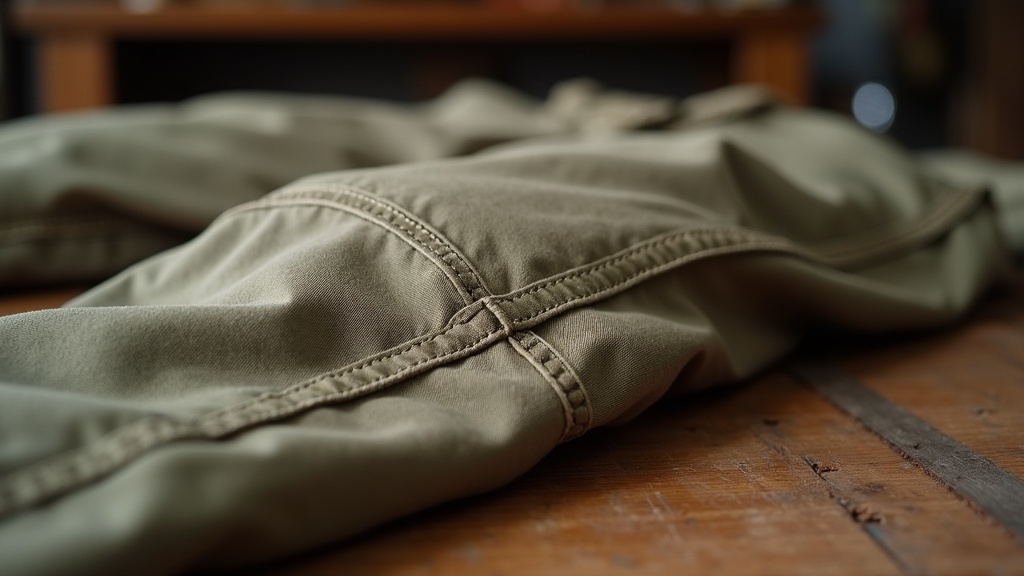
Check the stitching at the crotch, knees, and back pockets. Those are where cheap gear fails first. You want double or triple-stitched seams, reinforced with bartacking at stress points.
Key specs to check at the rack
- Fabric weight: 8 oz canvas minimum for pants, 6 oz for shirts
- Triple stitching at seams that take the most pull
- YKK zippers or equivalent (not generic plastic)
- Articulated knees if you spend time crouching or kneeling
- Flame-resistant (FR) rating if your site requires it
The Best Construction Work Gear Brands Worth Your Money
Carhartt is the benchmark. Their duck canvas line has been on American jobsites for over a century for a reason. The fit runs large, which works in your favor when you're layering in winter.
Duluth Trading leans into problem-solving design: longer inseams, gusseted crotches, extra length in the torso. Their Fire Hose pants hold up to serious abuse.
Dickies is the affordable construction workwear standard. You won't get the same longevity as Carhartt, but for pants you cycle through quickly or wear on messy jobs, the price makes sense.
Other brands worth knowing
- Wrangler Riggs: Solid mid-range option, widely available
- Lapco: FR specialist, trusted in oil, gas, and electrical trades
- RefrigiWear: Go-to for extreme cold jobsite gear
Did you know?
Carhartt was founded in 1889 in Detroit and originally made bib overalls for railroad workers. Their duck cloth formula has changed very little since, which is exactly why it still works on modern construction sites.
Construction Work Pants: What Holds Up and What Falls Apart
The knee zone and the seat are your tell. If a pant doesn't have a reinforced knee panel or at least articulation built into the cut, it'll blow out within six months of regular site work.
Cargo pockets are useful, but only if the pocket bag is sewn from the same heavy fabric as the pant. Thin pocket bags tear away from the seam when you're loading them with hardware.
| Fabric | Durability | Best For | Watch Out |
|---|---|---|---|
| Duck Canvas | Excellent | Year-round heavy work | Stiff until broken in |
| Ripstop Nylon | Good | Hot weather, light tasks | Less abrasion resistance |
| Cotton Twill | Moderate | Lighter duty, warm months | Wears faster at knees |
| FR Cotton | Good | Electrical, welding, gas | Heavier, costs more |
| Stretch Canvas | Good | High-mobility trades | Stretch wears out over time |
Shirts, Hoodies, and Jackets Built for the Jobsite
A long-sleeve FR shirt in 7 oz cotton is the most versatile thing you can own on most sites. It layers under a hoodie in fall and works solo through summer if your site requires coverage.
For hoodies, look for Carhartt's midweight sweatshirt or Duluth's heavy fleece. Both keep shape after 50 washes. Avoid anything with exposed drawstring hardware at the neck since it catches on everything.
Jackets: the Carhartt Duck Detroit Jacket and the Carhartt Sandstone Active Jac have decades of jobsite proof behind them. For wet climates, the Helly Hansen Bergvik is worth the extra spend.
Construction Work Gear for Women That Actually Fits Right
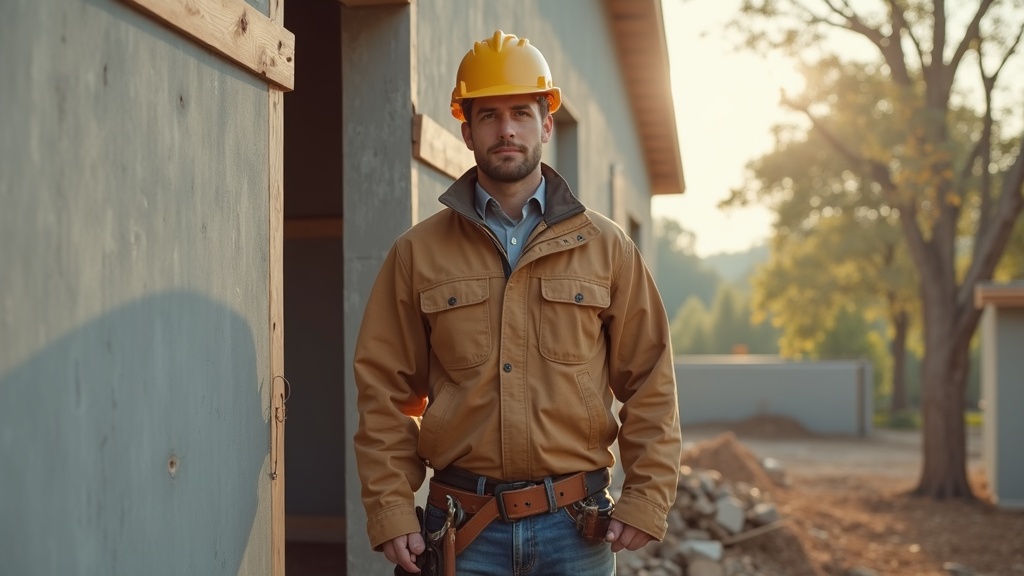
For a long time, women on the jobsite had one option: buy men's sizes and make it work. That's changing. Carhartt Women's, Duluth Trading's Women's Fire Hose line, and Dovetail Workwear now make women construction work gear with proper waist-to-hip ratios and longer rise cuts.
Dovetail is worth calling out specifically. Their Maven pants are built on a woman's movement pattern, not just a shrunken men's template. They hold up to site conditions and don't sag or gap at the waist.
What to prioritize in women's workwear
- Waistband that stays put when you bend and crouch
- Reinforced knees, same as men's cuts
- Functional cargo pockets, not decorative ones
- FR options if your site requires them
Did you know?
Women make up about 10.9% of the U.S. construction workforce according to the Bureau of Labor Statistics, a number that's been rising steadily since 2012. Gear brands have finally started catching up to that reality.
Where to Buy Construction Work Gear Near You or Online
Your local construction clothes store is still the best first stop. Places like Tractor Supply, Boot Barn, and regional workwear shops let you check fabric weight and test fit in person, which matters more than most people realize.
Online, Amazon carries most major brands but watch for third-party sellers with counterfeit Carhartt. Buy directly from brand sites or authorized retailers like Zappos, Working Person's Store, or Duluth's own site.
- Best for in-store selection: Boot Barn, Tractor Supply, local farm and fleet stores
- Best for online variety: Working Person's Store, Amazon (brand-direct listings only)
- Best for women's workwear online: Dovetailworkwear.com, Carhartt.com women's section
How to Make Your Gear Last Longer on the Job
Cold water wash, every time. Hot water breaks down cotton fibers and shrinks canvas. Never put work pants in a high-heat dryer if you can avoid it. Hang dry when possible.
Repair before you replace. A blown knee seam costs $5 and ten minutes at a sewing shop. A new pair of Carhartts costs $70. Do the math.
Gear maintenance habits that pay off
- Wash in cold, dry on low or hang
- Apply beeswax or canvas wax to jacket seams once a season
- Rotate two pairs of pants so neither pair takes daily abuse alone
- Re-waterproof rain gear with a DWR spray annually
- Check zipper teeth and lubricate with zipper wax before winter
The Gear That's Not Worth the Price Tag
Some brands charge premium prices for what amounts to marketing. Amazon house-brand workwear often looks right in the photo but uses thin fabric and generic hardware that fails within a few months.
High-end "tactical" pants marketed to contractors are another one to skip. They're built for looks, not for eight hours on your knees running cable or framing walls.
And any pant with a retail price over $120 that doesn't offer FR protection, articulated knees, and reinforced cargo pockets is overcharging you. Good affordable construction workwear exists. You don't need to overpay for it.
Red flags when shopping
- No fabric weight listed in the product specs
- "Reinforced" used as a marketing word with no visible hardware or stitching shown
- Sizes run only in even numbers with no inseam options
- No return policy on workwear items
Buy the right gear once. Check the seams, check the fabric weight, and buy from brands that have earned their reputation on actual jobsites. Your back pocket and your body will thank you by year two.
