


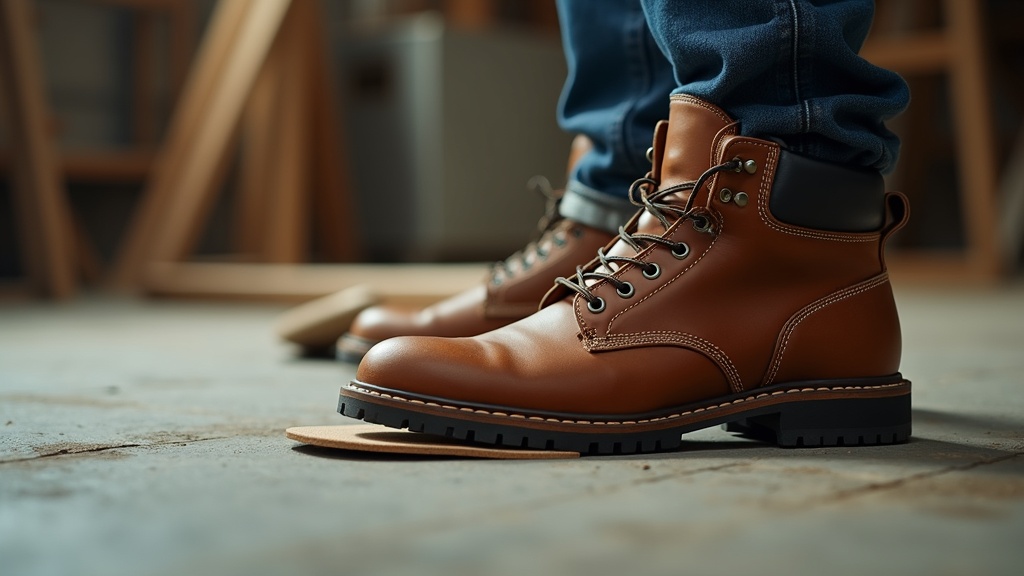
After ten hours on concrete, your feet don't lie. The ache that starts in your heel and climbs up through your knees and lower back by quitting time, that's not just fatigue. That's your foundation failing you, one shift at a time.
The insole debate, custom orthotics vs. the $20 pair from the rack at the hardware store, comes down to one question: what does your body actually need, and what can your wallet actually handle? Here's the honest breakdown.
Key points at a glance
- Off-the-shelf insoles work for mild discomfort and general cushioning, not for structural foot problems.
- Custom orthotics are built from a cast or scan of your specific foot, addressing the root cause of pain.
- Plantar fasciitis, flat feet, and high arches on a jobsite are medical issues, not inconveniences. They need real solutions.
- Custom insoles cost $300 to $600 upfront but can last 3 to 5 years and may be covered by insurance.
- The best insole for you depends on your foot type, your trade, and how many hours you're standing or walking each shift.
What Good Insoles Do for You
Your Feet Are Taking a Beating Every Shift. Here's What That Actually Costs You
Construction workers average 10,000 to 15,000 steps per shift, mostly on concrete, asphalt, rebar-covered slabs, or uneven ground. That impact travels straight up your kinetic chain: feet, ankles, knees, hips, lower back.
Ignore it long enough and you're not just sore. You're looking at plantar fasciitis, stress fractures, Achilles tendinopathy, or a blown knee that sidelines you for weeks. That's lost wages, medical bills, and a body that doesn't bounce back the way it used to.
What Off-the-Shelf Insoles Are (and What They're Not)
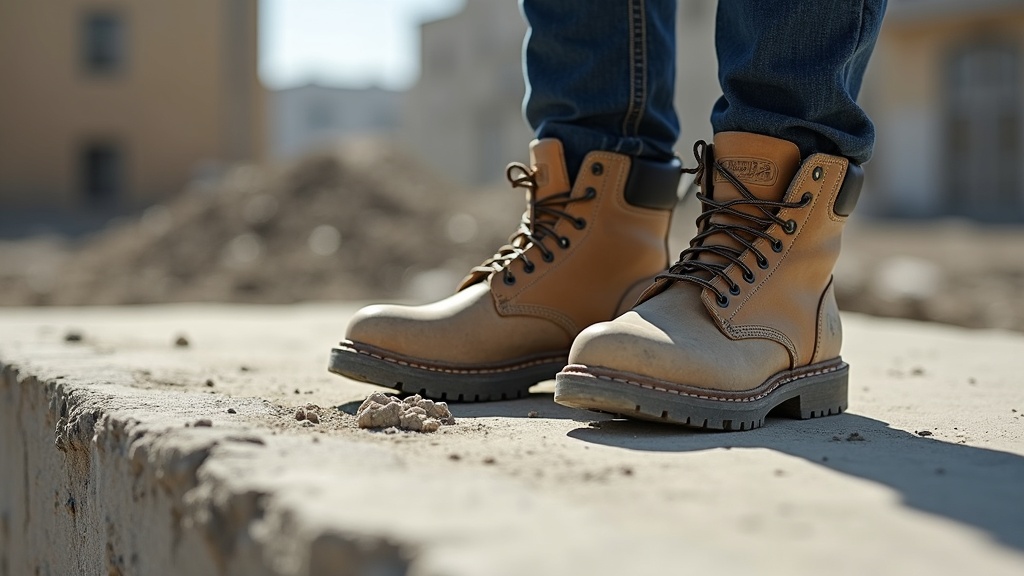
Off-the-shelf insoles, also called over-the-counter orthotics, are pre-made inserts designed for an average foot shape. Brands like Superfeet, Sof Sole, or Dr. Scholl's Workday fall into this category. They're available at hardware stores, pharmacies, and work-gear retailers for roughly $15 to $60.
They add cushioning and a basic arch profile. That's useful. But they are built for an imaginary average foot, not yours.
- Good for: Mild cushioning, basic arch support, replacing thin stock insoles in new boots
- Not good for: Flat feet, high arches, overpronation, plantar fasciitis, or any structural issue
- Lifespan: 3 to 6 months of heavy daily use before they compress and lose support
Did you know?
According to the American Podiatric Medical Association, about 77% of Americans experience foot pain, yet fewer than one-third seek professional treatment. Among construction and industrial workers, foot and ankle disorders are among the top causes of lost work time.
What Custom Insoles Actually Do Differently
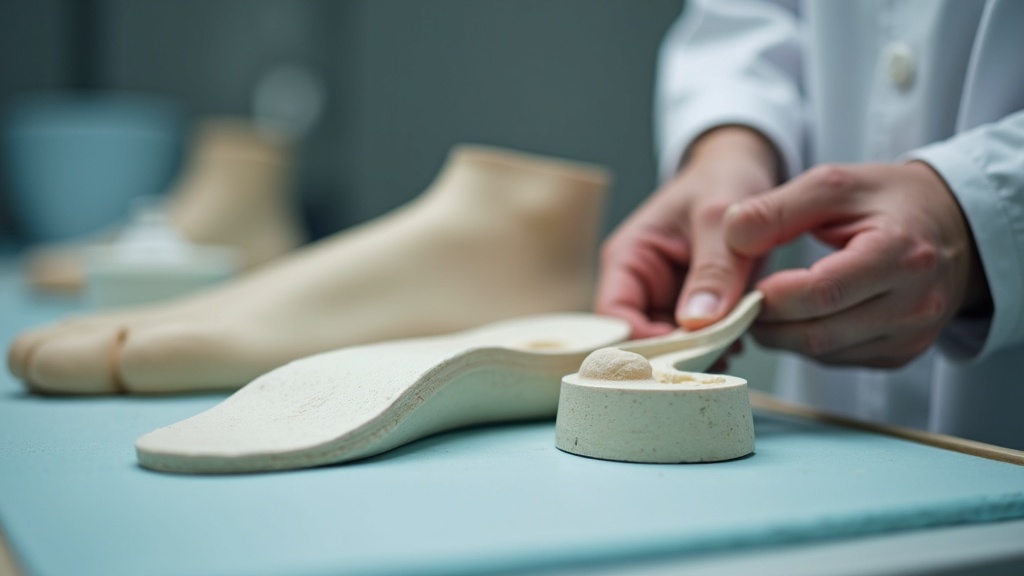
Custom orthotics start with your specific foot. A podiatrist or certified orthotist takes a cast, foam impression, or 3D scan, then fabricates an insole that matches your exact arch shape, heel width, and gait pattern.
They don't just cushion. They correct. If you overpronate (your foot rolls inward), the orthotic controls that motion. If one leg is slightly shorter, they can compensate for the discrepancy. If your plantar fascia is inflamed, the device is shaped to offload it.
What goes into a custom orthotic
- Rigid or semi-rigid shell (polypropylene or carbon fiber for tradesmen who need real control)
- Customized arch height matched to your foot scan or cast
- Heel cup depth calibrated to your anatomy
- Top cover material selected for your specific trade (moisture-wicking, antimicrobial, padded)
- Modifications for metatarsal pads, Morton's extension, or forefoot posting if needed
The Real Cost Breakdown: Custom vs. Off-the-Shelf
Price alone doesn't tell the story. You need to look at cost per day of actual use, not the sticker price.
| Factor | Off-the-Shelf | Custom Orthotics |
|---|---|---|
| Upfront cost | $15 to $60 | $300 to $600+ |
| Lifespan (heavy use) | 3 to 6 months | 3 to 5 years |
| Cost per year | $60 to $240 | $60 to $200 (amortized) |
| Insurance coverage | No | Often yes (with diagnosis) |
| Corrects structural issues | No | Yes |
| Fits your exact foot | No | Yes |
If your insurance covers custom orthotics under a diagnosis like plantar fasciitis or posterior tibial tendon dysfunction, your out-of-pocket cost can drop to $0 to $100. That changes the math entirely.
Are Off-the-Shelf Orthotics Any Good? The Honest Answer
Yes, some of them are genuinely solid for the right person. Superfeet Green and Berry are legitimate products used by tradesmen, hikers, and nurses. If your feet are structurally neutral and you're just dealing with general fatigue from standing all day, a quality over-the-counter insert will do the job.
The problem is most workers buy the cheapest option available, drop it into a boot with a worn-out factory insole, and wonder why nothing improved. Garbage in, garbage out.
Did you know?
Plantar fasciitis is the most common cause of heel pain in adults, affecting roughly 2 million Americans per year. Among construction workers and other tradespeople who spend long hours on hard floors, it's significantly more prevalent than in the general population.
When Custom Insoles Are Worth Every Penny (and When They're Not)
Custom orthotics make sense if you have
- Plantar fasciitis that's been nagging for more than 4 to 6 weeks
- Flat feet (overpronation) or high rigid arches
- Chronic knee or hip pain traced back to your gait
- Heel spurs confirmed by X-ray
- A job that puts you on concrete or uneven ground 8+ hours a day
Off-the-shelf is probably fine if you have
- Neutral foot structure with no diagnosed condition
- General end-of-day fatigue, not sharp or localized pain
- A tight budget and mild symptoms
- A job with more varied terrain and movement, less standing in place
Why Your Feet Still Hurt Even With New Insoles
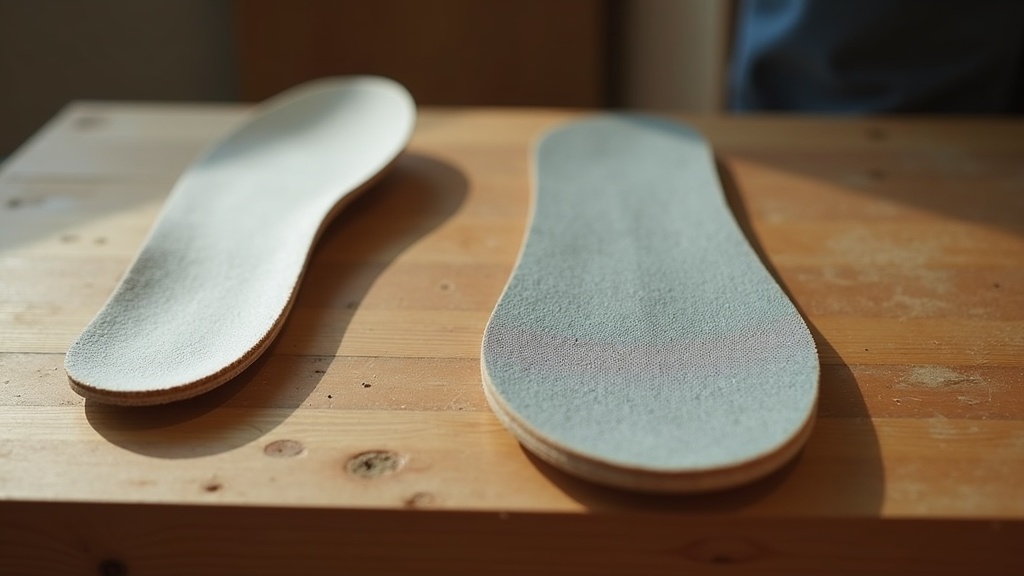
This is the part nobody talks about. If you dropped in a new pair of insoles and you're still hurting, the problem might not be the insole at all.
- Your boots are worn out. A $400 pair of custom orthotics can't fix a midsole that's been compressed flat. The boot structure matters as much as the insert.
- Wrong boot for your foot type. Wide feet crammed into a narrow last cause problems no insole can solve.
- You're dealing with an injury, not just fatigue. Plantar fasciitis, stress fractures, and tendinopathy need medical treatment alongside good footwear.
- The insole doesn't fit the boot. A thick aftermarket insole stuffed into a boot without removing the factory liner creates pressure points. Always remove the stock insole first.
How to Pick the Right Option for Your Job and Your Foot
Start with this simple filter. If your pain is sharp, localized, or has lasted more than a month, see a podiatrist before spending a dime on insoles. You might have something that needs treatment, not just cushioning.
If your pain is general fatigue and your feet are structurally normal, start with a quality over-the-counter insert in the $40 to $60 range. Superfeet Green (firm support, high arch) or Superfeet WORK (designed specifically for work boots) are solid starting points.
If you have any diagnosed condition, flat arches, or you're spending 10+ hours a day on hard surfaces, get the custom orthotics. Call your insurance first. Get the referral. The podiatrist visit plus the orthotics might cost you less than you think, and your body will thank you five years from now when you can still walk off the jobsite without limping.
