


Most tradespeople spend more time picking the right boot than the right sock. That's a mistake. A 2019 study published in the Journal of Foot and Ankle Research found that inadequate hosiery is one of the top causes of work-related foot problems — including blisters, athlete's foot, and chronic fatigue. Your boots can only do so much. The right workman socks do the rest. Here are the five pairs from Mason built for people who actually work on their feet.
What Makes a Sock Worth Wearing on the Job?
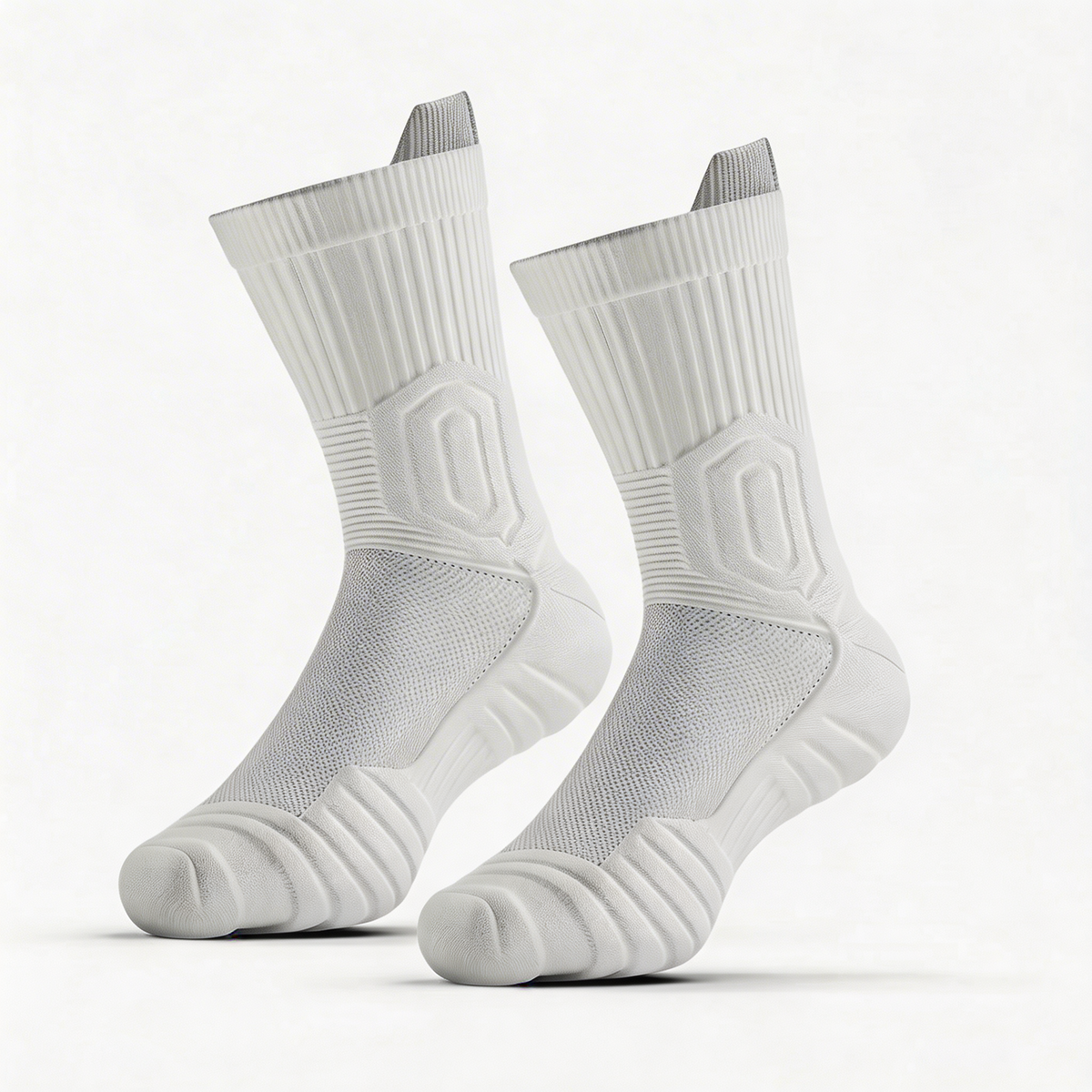
Before getting into specific picks, it's worth knowing what separates a solid work sock from a generic one.
Cushioning placement matters. Padding should be concentrated under the heel and ball of the foot — where impact actually hits. A sock with uniform thin fabric across the foot offers almost no protection during a 10-hour shift.
Moisture control is non-negotiable. The American Podiatric Medical Association notes that feet have more sweat glands per square inch than any other part of the body. On a job site, that means soaked socks by noon if the material doesn't move moisture away from the skin.
Fit prevents injury. A sock that bunches or slides inside the boot causes friction. Friction causes blisters. A few weeks of the wrong sock can sideline a worker faster than a sprain. With that in mind, here's what Mason's lineup covers.
1. Tradesman Socks 2026 — The Everyday Standard
These are the go-to workman socks for most trades. Reinforced heel and toe zones, thick cushioning underfoot, and a fit that stays put inside the boot across a full shift.
They're designed for construction, warehouse, and general site work — not gym use, not commuting. That specificity matters. The cushioning is placed where a standing worker needs it, not where a runner would.
- Good fit for: general contractors, warehouse operatives, delivery workers.
2. Breathable Work Socks 5-Pack — Volume and Ventilation
Mason Breathable Work Socks 5-Pack
If you're changing socks mid-shift or running multiple pairs through the week, this pack makes sense. Five pairs with mesh ventilation panels built into the upper foot — these pull heat away from the skin and cut down on the moisture buildup that leads to fungal issues.
The CDC estimates that up to 15% of the population has athlete's foot at any given time. Among workers in boots eight or more hours a day, the number climbs. Ventilation isn't a comfort feature here — it's a hygiene measure.
- Good fit for: anyone in heavy boots, summer site work, or jobs with active movement.
3. Atlas Crew Socks 2-Pair — Built for Colder Floors
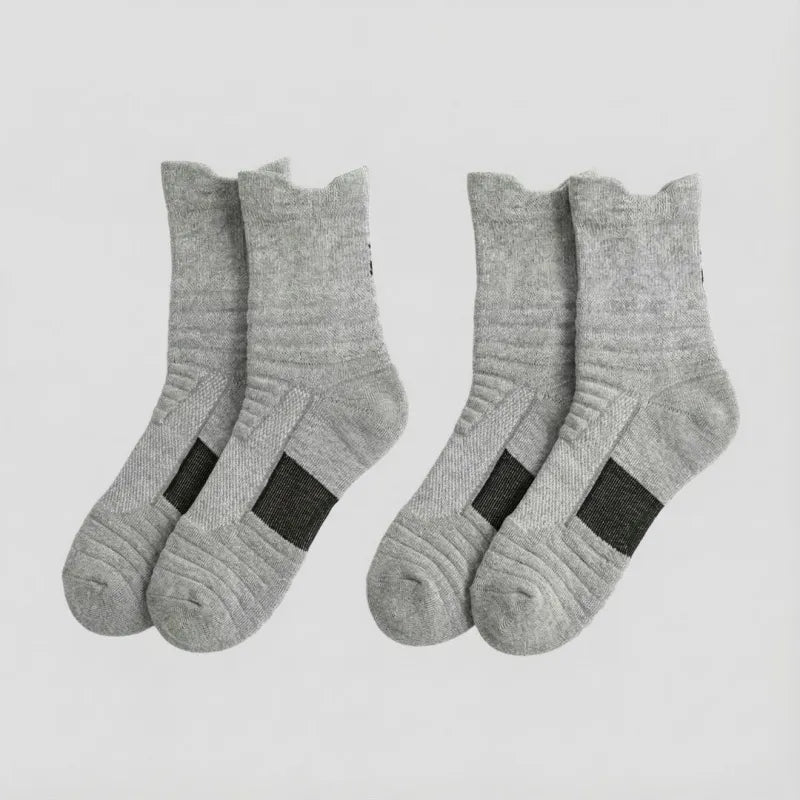
Mason Atlas Crew Socks — 2 Pairs
The crew length here isn't aesthetic — it's practical. Concrete floors, unheated warehouses, and early morning outdoor starts all pull heat from the ankle up. A low-cut sock in those conditions means cold feet within the hour.
The Atlas pair uses a tighter knit construction with reinforced arch support. The arch band reduces foot fatigue on hard surfaces — something a 2018 study in Applied Ergonomics directly linked to reduced lower limb fatigue across work shifts.
- Good fit for: warehouse staff, cold-weather site work, anyone on concrete for most of the day.
4. Warming Work Socks 5-Pack — Winter Cover
Mason Warming Work Socks 5-Pack
A thermal layer inside the sock traps body heat without adding bulk. That balance matters — a sock too thick for the boot causes its own problems (pressure points, restricted circulation).
These are the workman socks for outdoor jobs in fall and winter. Five pairs per pack, so you're covered across the week without doing laundry every two days.
- Good fit for: roofing, groundwork, outdoor construction, any job where cold starts are the norm.
5. Nordwarm Heated Socks — For Extreme Conditions
These aren't for everyone, but for certain jobs, they're hard to argue against.
Battery-powered heating elements built into the sole and toe box. Adjustable heat settings. Designed for work in sustained cold — outdoor construction in winter, exposed sites, or extended time on frozen ground.
The NHS warns that prolonged cold exposure at the feet can cause cold injuries in under an hour at low enough temperatures. For workers in those conditions, passive insulation eventually stops being enough.
- Good fit for: outdoor winter workers, construction in northern climates, anyone dealing with Raynaud's or circulatory issues in the feet.

Check out our article on: How to Pick the Right Work Gloves for Your Job and Keep Your Hands in One Piece
How to Match the Sock to the Job
|
Condition |
Best pick |
|
General site work, year-round |
Tradesman Socks 2026 |
|
High sweat / active movement |
Breathable Work Socks 5-Pack |
|
Cold floors, warehouse |
Atlas Crew Socks |
|
Outdoor autumn/winter |
Warming Work Socks 5-Pack |
|
Extreme cold, exposed sites |
Nordwarm Heated Socks |
The Takeaway
Feet take the most sustained punishment on any job site, and socks are the first line of defense — not the boots. A University of Salford study found that foot fatigue is one of the most commonly underreported occupational complaints, partly because workers don't connect their footwear to the problem.
The right workman socks won't fix bad boots, but the wrong pair will ruin good ones. See the full Mason work sock range
FAQ: Workman Socks
Why does Gen Z not wear ankle socks?
Gen Z's shift away from ankle socks is well-documented on social media but it's not random. The trend follows a broader return to 90s and early 2000s aesthetics — crew and mid-calf socks visible above low-top shoes became a deliberate style choice. Beyond aesthetics, there's a practical element: ankle socks offer no protection from shoe bite or boot friction, which matters both for sneaker culture and for workwear. On job sites, ankle socks are simply a bad call — no coverage means no protection against the boot collar. Crew-length work socks have always been standard in trades for exactly that reason.
What is a work sock?
A work sock is a sock built for the physical demands of a job — not everyday comfort or sport. The main differences from a regular sock come down to materials and construction: reinforced heel and toe zones to handle friction, cushioned soles to absorb impact across long shifts, moisture-wicking fabric to manage sweat in enclosed boots, and often a crew or mid-calf length to protect the ankle against boot collars. A good pair of workman socks also maintains its shape and padding after repeated washes, which a standard dress or sports sock typically doesn't.
Why do Gen Z hide their feet?
The "hiding feet" trend — tucking socks into shoes or wearing longer socks with low-cut footwear — comes from a mix of style and practicality. On the style side, it's part of the same aesthetic shift that brought back baggy jeans and chunky shoes: ankle exposure is out, layering is in. On the practical side, longer socks visible above the shoe have become a fashion statement in themselves. Within workwear, there's no hiding involved — crew-length socks worn with boots are standard because they actually protect the ankle and lower leg. The style world caught up to what tradespeople have known for decades.
