


Most people grab whatever's on the shelf. Wrong size, wrong material, wrong job. Then they wonder why the gloves fall apart in three weeks — or worse, why their hands still got wrecked anyway. There's one step almost nobody takes when buying work gloves. It changes everything. We'll get there. Follow the steps below:
1. Know What You're Actually Protecting Against
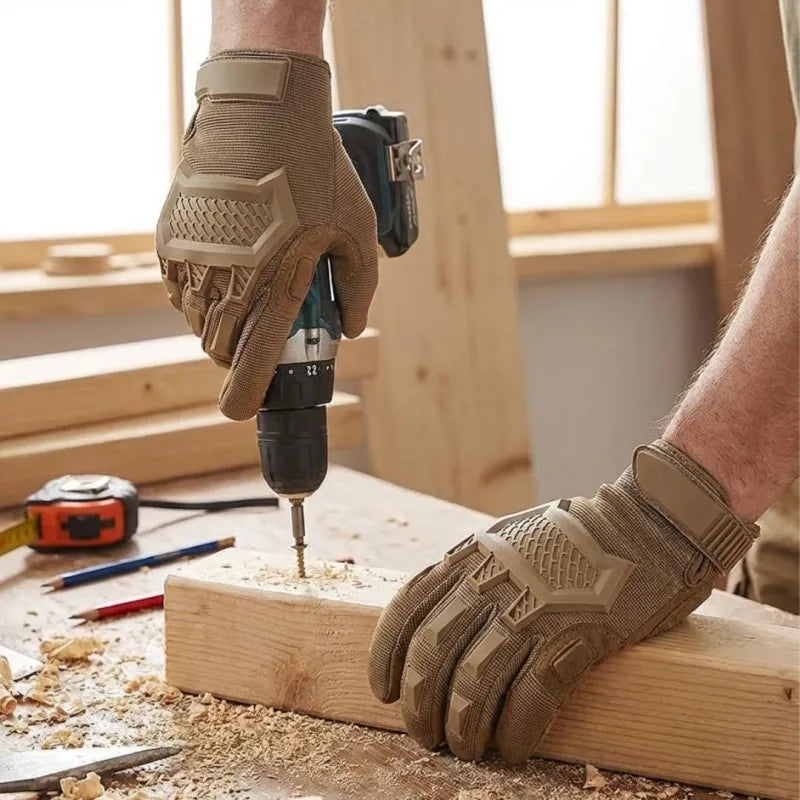
Before you look at any glove, ask yourself one question: what's the real threat on your job? This sounds obvious. It isn't. Most people think "work gloves = tough gloves." Toughness alone doesn't protect against cuts. Or heat. Or chemicals. Or vibration. Different hazards need different gloves, and a mismatch can be worse than wearing nothing — it gives you false confidence while leaving the real risk uncovered. The main categories worth thinking through:
- Abrasion and impact: Construction, landscaping, warehousing. You need durability: reinforced palms, thick materials, knuckle protection if you're around machinery.
- Cut risk: Glass handling, sheet metal, demolition. You need cut-rated gloves. Don't confuse "heavy" with "cut-proof." A thick leather glove can still be sliced through clean.
- Heat and cold: Welding, foundry work, freezer environments. Thermal protection is its own category. Standard work gloves will fail you here, fast.
- Chemical exposure: Never use fabric or leather gloves around solvents, oils, or acids. That's what nitrile and neoprene are for.
- Grip and dexterity: Electricians, mechanics, assembly workers. Sometimes a thinner coated glove does more for you than a bulky one.
Once you've identified your main hazard, half the decision is already made. The mistake is buying for one job and wearing the gloves for three completely different ones.
Do you work in Warehouse? Check out: Prevent Foot Pain Working in a Warehouse: Guide for Long Shifts
2. Match the Material to the Work
Here's a straight breakdown — because most guides list every material without telling you which job each one is actually for.
- Leather is still the standard for general labor. Durable, abrasion-resistant, molds to your hand over time. Cowhide is the toughest everyday option. Goatskin gives more dexterity. Split leather is cheaper but wears faster. If you're doing everything from handling rebar to operating a jackhammer, leather is the best all-rounder.
- Synthetic fabrics (nylon, polyester, spandex) are lighter and more breathable. Good for precision tasks where you need to feel what you're doing. Not built for heavy abuse.
- Nitrile and rubber-coated gloves work well in wet conditions and around oil or chemicals. The coating gives grip that leather can't match when surfaces are slick. [LIEN : guide des vêtements de protection chimique]
- Kevlar and cut-resistant fibers — if you handle glass, blades, or sharp metal regularly, this is non-negotiable. Kevlar-lined gloves don't look different from standard ones. The difference shows up when something goes wrong.
- Insulated gloves come in two types: heat-resistant (welding, furnace work) and cold-resistant (freezer warehouses, outdoor winter). They are not interchangeable. A heat-resistant glove offers zero protection against cold, and vice versa.
No glove does everything well. A glove built for grip sacrifices some cut resistance. A heavily padded glove kills dexterity. You're always trading off — the goal is to match the dominant hazard of your job.
3. Get the Fit Right
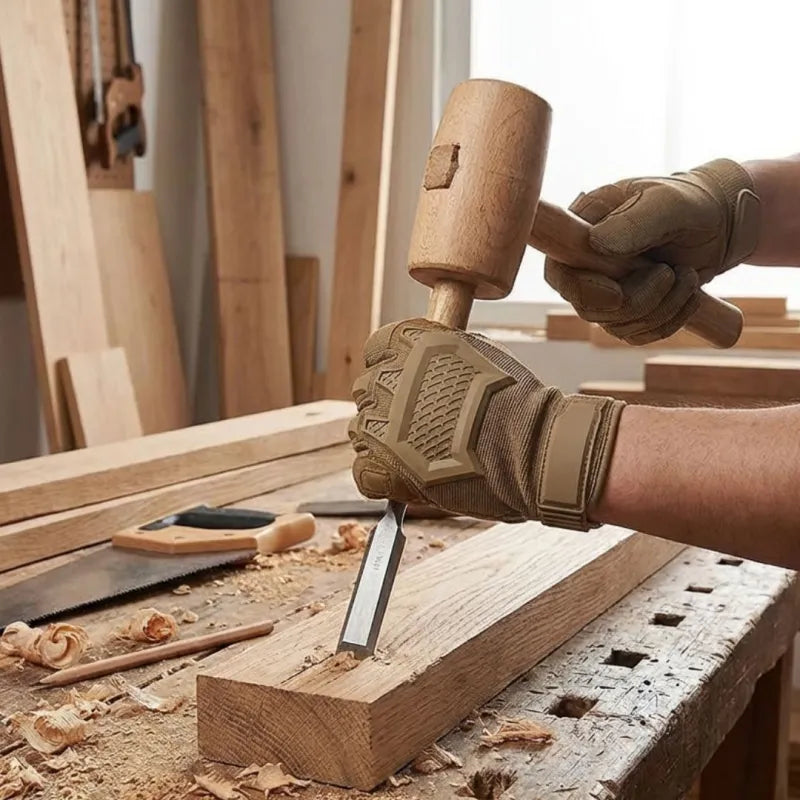
Here's the step nobody talks about. A glove that doesn't fit is worse than no glove. Too loose and it shifts during use, killing grip and control. Too tight and your hand fatigues fast, circulation gets restricted, and precision work becomes a nightmare.
How to measure: Wrap a tape measure around your dominant hand at its widest point — just below the knuckles, not including the thumb. That number in inches is your glove size.
- Under 7" → Small
- 7–8" → Medium
- 8–9" → Large
- 9–10" → XL
- Over 10" → XXL
The length of your fingers matters too. Some brands run short in the fingers even when the width is right. If you can, try before you buy. If you're ordering online, check the return policy before committing.
One practical note: your dominant hand is usually slightly larger than the other. Size for your dominant hand.
4. Think About How Long You're Actually Working
An hour in uncomfortable gloves is manageable. Eight hours is a different story. If you're using your hands all day — which is most trade work — comfort stops being a preference and becomes a safety issue. Fatigued hands make mistakes. Look for padded palms if you're working with vibrating tools. Breathable backing matters if you're in heat. Adjustable wrist closures are useful if you're constantly putting gloves on and off.
Dexterity is another thing people underestimate until they've had to pull a glove off every time they need to use their phone, read a label, or thread a fastener. The right work gloves for your job should fit the full reality of your day, not just the hardest moments of it.
Do you work in Warehouse? Check out: Warehouse Worker Safety Gear: Complete Safety Guide
5. Check Your Industry's Compliance Requirements
Not all industries let you choose freely. Some have specific PPE standards you're legally required to meet. ANSI/ISEA 138 covers impact resistance. EN 388 covers mechanical risks — abrasion, cut, tear, puncture. NFPA 2112 applies to flame-resistant gloves in certain environments.
If your job site requires a specific certification, that narrows the field fast. Within a certified category, you still have real choices around material, fit, and comfort — so the decision isn't made for you entirely.
If you're self-employed or your sector doesn't mandate specific ratings, use these standards as a quality benchmark anyway. A glove tested to EN 388 tells you something concrete about what it can take. "Heavy duty" on a label tells you nothing.
Discover: Essential PPE for Warehouse Workers: Complete Expert Guide
Two Gloves Worth Knowing About
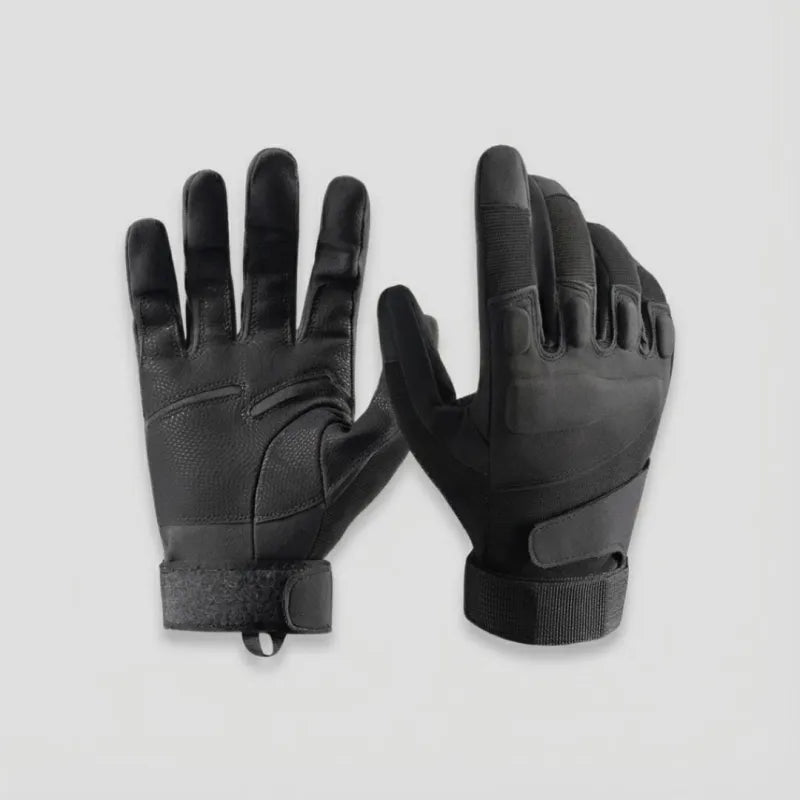
There's no single best work glove. But most tradespeople's needs land in one of two camps.
1. The Atlas Work Gloves from Mason are built for heavy labor — the kind of shift where you're handling rough materials all day and need a glove that doesn't give out by Thursday. Reinforced construction, designed to take real abuse without breaking down after two weeks of use. If abrasion, grip, and durability are your main concerns, this is the one to look at.
2. The Titan Tactical Gloves lean toward dexterity-first jobs. If you need precision — working around machinery, light construction, jobs where you're constantly threading fasteners or handling tools — the Titan keeps your hands protected without killing your feel for what you're working with. Built tougher than it looks.
Both come with Mason's 45-day money-back guarantee, which takes some of the risk out of buying gloves online without being able to try them first.
Start With the Hazard
Most people skip step one. They buy on price or habit, and they spend the year replacing gloves that weren't right for the job. Figure out the hazard first. Match the material to it. Get the fit right, and make sure the glove can hold up across a full shift — not just the first hour. That's really all it comes down to when you're trying to pick the right work gloves for your job.
