
Working in a warehouse is physically demanding and highly repetitive. Whether you are picking, packing, loading, or moving goods throughout the day, your clothing plays a much bigger role than most people realize. The wrong outfit can quickly lead to discomfort, overheating, restricted movement, or even increased risk of injury. On the other hand, the right warehouse workwear helps you stay comfortable, protected, and efficient during long and intense shifts.
Warehouse environments also vary widely — from cold storage areas to fast-paced distribution centers. This means there is no “one-size-fits-all” outfit. Workers need clothing that adapts to movement, temperature changes, and physical strain. That’s why understanding what to wear is essential. It’s not just about following a dress code — it’s about finding the right balance between comfort, durability, and safety to perform at your best every day.
In this guide, we’ll break down exactly what to wear for warehouse jobs and how to build a complete workwear system that supports your performance from start to finish.

Warehouse dress codes are not always strictly uniform, but they follow a clear logic: safety, functionality, and efficiency. The goal is to ensure that every worker can move freely, stay protected, and perform repetitive tasks without unnecessary discomfort or risk. In most warehouse environments, clothing rules are designed around practical needs rather than appearance. This means workers are expected to wear gear that supports physical activity and reduces potential hazards on the job.
Comfortable and flexible clothing: Outfits must allow full range of motion for lifting, bending, and walking throughout long shifts.
Durable materials: Fabrics should resist friction, tearing, and daily wear caused by constant movement and contact with equipment.
Closed and protective footwear: Safety shoes are often mandatory to protect against impacts, heavy objects, and slippery surfaces.
No loose or unsafe garments: Excessively loose clothing can get caught in machinery or slow down movement.
Adaptation to workplace environment: Some warehouses require specific clothing depending on temperature, such as cold storage areas or outdoor loading zones.
It’s important to understand that a warehouse dress code is not about restriction — it’s about ensuring that clothing supports performance instead of limiting it.
When choosing warehouse workwear, many workers make the mistake of prioritizing either comfort or safety. In reality, effective workwear is not about choosing one over the other — it’s about finding the right balance between both. Warehouse jobs are physically intense, involving constant movement, lifting, bending, and walking on hard surfaces. In this context, clothing must support the body while also protecting it from daily risks.
The best workwear for warehouse jobs combines both elements:
In real warehouse environments, performance depends directly on how your clothing behaves under pressure. Good workwear should feel natural, support your movements, and protect you without slowing you down. This balance is what allows workers to stay efficient, reduce fatigue, and maintain consistency throughout long and demanding shifts.

A key part of choosing the right warehouse workwear is understanding how to dress in layers. In warehouse environments, conditions can change throughout the day depending on indoor temperature, outdoor exposure, or the type of storage area. A proper layering system helps workers stay comfortable, regulate body temperature, and adapt quickly to different working conditions without compromising mobility or safety.
The base layer sits directly against the skin and plays a crucial role in comfort during long shifts.
A good base layer is essential for maintaining stable body temperature in active warehouse work.
The mid layer is responsible for retaining heat, especially in colder warehouse environments or refrigerated zones.
This layer is particularly important during long shifts with limited physical breaks.
The outer layer protects against external conditions such as wind, cold air, or light rain when moving between indoor and outdoor areas.
Layering is not just about warmth — it’s about adaptability and performance. Warehouse workers often face fluctuating temperatures and continuous movement, which means clothing must adjust to the body’s needs throughout the day. A well-designed workwear layering system helps reduce fatigue, prevent overheating, and maintain consistent comfort from the start to the end of a shift.

Choosing the right warehouse workwear is not just about layering or general comfort — it’s about selecting the right garments that actively support your movements, protect your body, and withstand long, physically demanding shifts. Below are the essential clothing pieces every warehouse worker should consider.
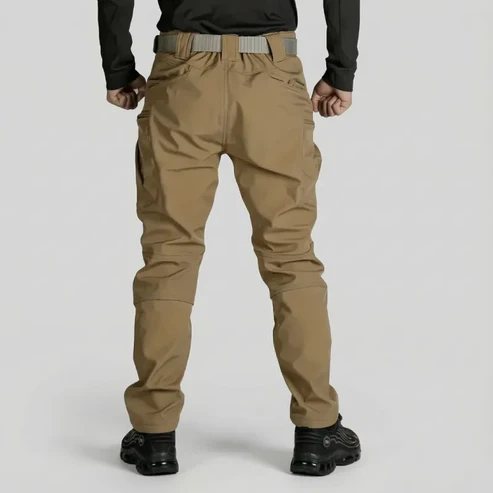
Work trousers are one of the most important elements of any warehouse workwear system. They are exposed to constant movement, friction, and physical stress throughout the day. Good work trousers should provide:
👉 Explore Mason Work Trousers.
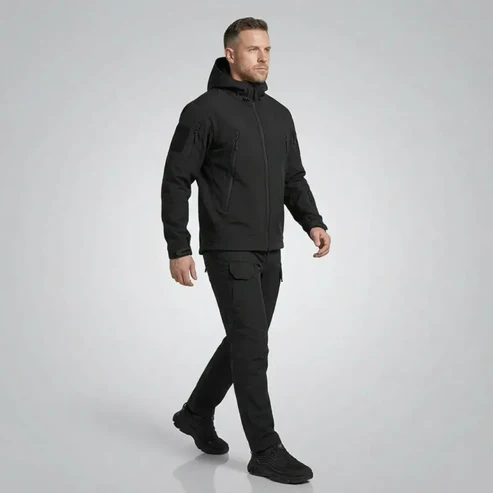
A softshell jacket is essential in warehouse environments where temperature and movement demands can vary. Key benefits include:
This makes it a key part of functional workwear for warehouse jobs.
In colder environments, a thermal fleece becomes an essential mid-layer in warehouse workwear. It provides:
The goal is to maintain body heat without limiting movement or productivity.
Each piece of warehouse clothing plays a specific role in maintaining performance throughout the day. When combined properly, they create a complete workwear system that supports comfort, durability, and efficiency in demanding environments.
Selecting the right warehouse workwear is not only about picking durable clothing. It’s about matching your gear to the real conditions of your job, your environment, and the physical demands of your daily tasks. A good choice can significantly improve comfort, reduce fatigue, and help prevent long-term injuries.
Every warehouse is different, and your clothing should adapt accordingly:
Understanding your environment is the first step to choosing effective workwear for warehouse jobs.
The intensity of your tasks directly impacts what you should wear:
Your workwear should support your movement, not restrict it.
Long shifts (8–12 hours) require clothing that performs consistently over time:
Durability and comfort become essential in extended warehouse operations.
Poorly fitted clothing can quickly become a problem in fast-paced environments:
Good warehouse workwear should feel natural during every movement.

Choosing the right warehouse workwear is only part of the equation. How you use, maintain, and adapt your clothing on a daily basis has a direct impact on comfort, safety, and long-term performance. These expert insights are based on real working conditions in fast-paced warehouse environments.
In warehouse jobs, workwear is a performance tool, not a style choice.
Good workwear for warehouse jobs should support your tasks first.
Warehouse environments often shift between warm and cold conditions.
Adaptability is key to maintaining consistent comfort.
Damaged clothing can reduce both safety and efficiency:
Even small damage can impact performance over time.
Fit has a direct impact on fatigue and mobility:
A proper fit improves both comfort and productivity.
Using the same items daily can accelerate wear:
Effective warehouse performance is not only about choosing the right gear — it’s about using it intelligently every day. Small adjustments in how you wear and maintain your workwear can significantly reduce fatigue and improve long-term comfort.
Working in a warehouse means facing long hours of movement, repetitive tasks, and constant physical demand. The right warehouse workwear is essential to support your body, reduce fatigue, and maintain performance throughout every shift. Choosing proper clothing is not just about meeting a dress code — it’s about building a complete system that combines comfort, durability, and protection. From reinforced work trousers to breathable layers and insulated jackets, every piece plays a role in how efficiently and safely you work.
Good workwear helps you move freely, stay comfortable in changing temperatures, and reduce strain caused by long hours on your feet. It also contributes to preventing common workplace discomfort and injuries linked to repetitive effort. Investing in the right workwear for warehouse jobs means investing in your long-term well-being and productivity.
👉 Explore Mason Workwear Collection.
This section answers the most common questions about warehouse workwear, dress code, and what to wear for different working conditions.
For warehouse jobs, you should wear comfortable, durable, and flexible clothing designed for movement. The best warehouse workwear includes work trousers, breathable layers, and safety shoes that support long hours of walking and standing.
In some warehouses, jeans are allowed, but they are not always ideal. Regular jeans often lack flexibility and breathability, which can increase fatigue during long shifts. Technical workwear for warehouse jobs is usually a better option.
Both are equally important. Comfort helps reduce fatigue during long shifts, while safety protects you from workplace risks. The best warehouse workwear combines both through durable, flexible, and protective materials.

I was having trouble with my feet being soaked by the end of the day, and let me you, that is a thing of the past. They have withheld the 100° test this week, magnificently. Thank you so much!

I love my new work socks. I got the original black crew socks. They got a good grip and work as advertised and they almost go up to my knees and stay up without sliding down. I do alot of walking and Mason socks help alot.

I was skeptical as to whether these socks would actually work as well as advertised. We've had real feel over 110° this past week. My feet have stayed so dry I've since thrown away all of my other socks.

I bought 4 pair for a friend. He LOVES them. He wears metal toe boots in East Texas heat. His feet don't hurt anymore after a 14-hour day and his feet stay dry. He thanks me every day!

Great socks. Only had them for 1 week and it's my favorite socks. Doesn't make my feet sweat and it doesn't stink at the end of a long work day. I am a delivery truck driver, walking every day.

I have bad neuropathy, and am on my feet 8 hrs a day in boots, these socks are the best support I've found yet. Please post this so people with the same issue will purchase these. I will be buying more.

I wore a pair Tuesday, July 14th. It was an 8hr workday plus a 90min ride on my motorcycle each way. When I got home they weren't damp with sweat, nor was it uncomfortable wearing them all day.

Most comfortable sock I've worn. After 10 years of tree lopping and a further 10 years in construction, my feet have earnt their keep and deserve the best. Mason Tradesman are the best so far.

So far these do not overheat my feet, and made do be very durable. The extra cushions to the socks are a great perk and helps with more comfort wearing safety toe shoes.