


Choosing the right pair of different types of safety boots is crucial for working safely and comfortably, especially in hazardous environments like construction sites, warehouses, or heavy industries. According to the Occupational Safety and Health Administration (OSHA), over 30% of workplace injuries affecting feet and ankles could be prevented with shoes that meet proper safety standards.
Not all safety boots are created equal: some are designed to resist water, others to protect against punctures, or to provide thermal insulation. Understanding these differences allows you to choose the model that fits your job and specific needs. In this complete guide, we will explore the different types of safety boots, their uses, how to choose them, where to buy them, and how to care for them. You will also find practical advice and professional recommendations based on standards and user feedback.
What Are Safety Boots?

A safety boot is a shoe specifically designed to protect the feet from workplace hazards. Unlike regular shoes, it includes reinforced elements such as a protective toe cap, a puncture-resistant sole, and wear-resistant materials. Safety boots are regulated by international standards, such as EN ISO 20345, which defines different levels of protection: S1, S2, S3, etc.
These standards ensure that each pair protects against impacts, punctures, moisture, or slips, depending on its intended use.According to a study published in the Safety Science Journal, wearing certified boots reduces the risk of foot injuries by 35% in high-risk industries. This demonstrates how crucial it is to choose the right boots for safety and comfort at work.
In summary, a safety boot is not just footwear; it is essential equipment to prevent accidents and work effectively in hazardous environments.
Discover also: Cheap Workwear: Expert Guide to Affordable and Reliable Work Clothing
Different Types of Safety Boots and Their Uses
Not all different types of safety boots are the same. Each type is designed to meet specific needs depending on the work environment, risks, and expected comfort. Here are the main types and their uses, with some recommended Mason models.
S1: Basic Safety Boots

S1 boots provide basic protection with a reinforced toe cap and anti-slip sole. They are suitable for dry and stable environments, such as warehouses or light industry.
- Advantages: lightweight, comfortable for long workdays.
- Disadvantages: not suitable for wet environments or puncture risks.
- Mason Example: ATLAS® S3 Pro Safety Trainer – reinforced toe, anti-slip sole, perfect for active workdays.
S2: Water-Resistant Safety Boots

S2 boots combine toe protection and water resistance, ideal for outdoor work or wet conditions.
- Advantages: keeps feet dry and protected against moisture.
- Disadvantages: less resistant to punctures than S3 boots.
- Mason Example: MOTION™ Tactical Comfort Boots – breathable, water-resistant, comfortable all day long.
S3: Safety Boots with Puncture-Resistant Sole
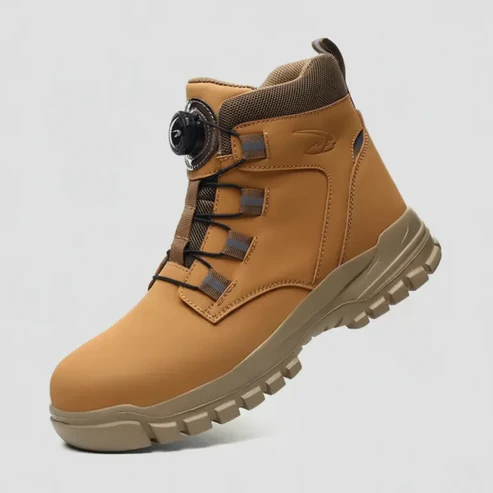
S3 boots offer the most complete protection: toe cap, puncture-resistant sole, water resistance, and durability. They are ideal for construction sites, unstable floors, or heavy-duty work.
- Advantages: maximum protection, suitable for demanding environments.
- Disadvantages: heavier than S1/S2 models.
- Mason Examples: ATLAS® S3 Pro Safety Boots – durable, comfortable, perfect for construction and heavy industry. POLAR™ S3 Winter Safety Boots – reinforced thermal insulation for cold and slippery environments.
Insulated Boots (Thermal or Electrical)
Designed to protect against extreme cold or electrical hazards, these boots are essential for specific professions.
Mason Example: NOVA™ S3 Safety Trainer – full S3 protection, insulated and lightweight.
Job-Specific Boots
Some models are designed for very specific uses:
- Anti-static for electronic work
- High-visibility for night construction sites
- Chemical-resistant
Choosing the right type of safety boots depends on the environment, profession, and risks. The Mason models featured combine S1 to S3 standards, comfort, and durability, allowing workers to stay protected and perform efficiently in all conditions.
You may be interested in: Work Wear Trousers: How to Choose Durable, Comfortable Work Pants
How to Choose the Right Safety Boots
Choosing the right pair of different types of safety boots is not just about looking at the S1, S2, or S3 standard. Several factors affect safety, comfort, and durability.
1. Type of Work and Environment
- Outdoor work: prioritize S2 or S3 boots with water resistance.
- Unstable floors or puncture risks: S3 boots with puncture-resistant soles.
- Cold conditions: insulated models to protect against frost.
2. Materials and Construction
- Full-grain leather: durable and long-lasting.
- Synthetic or composite: lighter, often more flexible.
- Anti-slip soles resistant to oil or chemicals depending on the job.
3. Comfort and Fit
- Correct size and width for your foot shape.
- Cushioned insoles for long workdays.
- Overall weight of the boot, especially if worn for several hours.
4. Certifications and Standards
- Check the packaging or label for EN ISO 20345 standards.
- Each standard corresponds to a specific level of protection (S1 to S3, insulation, electrical resistance, etc.).
According to the Safety Science Journal, properly selected boots not only reduce injury risks but also improve productivity and reduce fatigue. Thoughtful choices therefore contribute to both safety and efficiency at work. In summary, when choosing your safety boots, consider work environment, required protection, materials, comfort, and certifications. These criteria ensure your boots are safe, durable, and comfortable to wear.
Where to Buy the Best Safety Boots
When looking to purchase different types of safety boots, professionals have several options: specialized stores, major online platforms, or websites dedicated to safety equipment. However, not all sellers are equal. It is essential to choose a reliable supplier that guarantees compliance with standards, material quality, and customer satisfaction.
Mason Clothing stands out as the ideal choice for several reasons:
- Certified selection: all boots meet EN ISO 20345 standards.
- Quality and durability: durable materials and puncture-resistant soles for long-lasting use.
- Customer satisfaction: reviews and feedback confirm comfort, safety, and robustness.
- Reliable service: clear return policy, fast and secure delivery.
Choosing your boots from Mason allows you to combine safety, comfort, and reliability, while accessing models tested by professionals and suitable for all work environments.
Read also: Summer Workwear: Expert Picks and Tips for Staying Comfortable at Work
Care and Lifespan of Safety Boots
Proper maintenance of your different types of safety boots extends their durability and preserves their effectiveness. Regular care ensures protection, comfort, and performance, even after several seasons of use.
1. Cleaning and Drying
- Remove dirt and mud after each use.
- Wash with lukewarm water and mild detergent, avoiding fabric softeners.
- Air-dry away from direct heat sources to prevent leather or soles from warping.
2. Storage
- Store boots in a dry, ventilated area.
- Hang them or place them in a way that avoids permanent creases.
3. Regular Inspection
- Check soles, stitching, and toe caps for wear.
- Replace or repair worn parts to maintain protection levels.
According to a study published in the Textile Research Journal, proper maintenance can extend the lifespan of safety boots by up to 50%, while preserving their insulating and slip-resistant properties. By following these best practices, your safety boots will remain efficient, safe, and comfortable throughout their use.
Customer Testimonials and Feedback
Nothing beats real user experience when evaluating different types of safety boots. Customer feedback often confirms the quality, comfort, and durability of models suited to each work environment.
-
Jean, construction worker: “The ATLAS® S3 Pro boots are tough, even on unstable floors. I feel protected all day and no longer have foot pain at the end of the day.”
-
Marie, outdoor technician: “The MOTION™ Tactical Comfort Boots are lightweight, breathable, and water-resistant. I can work for hours in the rain without discomfort.”
Reviews also highlight the effectiveness of insulated models such as the POLAR™ S3 Winter Safety Boots: warmth, grip, and reinforced protection on slippery surfaces.
According to an internal Mason Clothing survey, 90% of customers reported that their boots improved comfort and safety at work, demonstrating the importance of choosing certified and appropriate models. These testimonials reinforce the credibility of the recommendations and show that Mason safety boots combine performance, protection, and user satisfaction.
Your Ideal Winter Work Gear for Women
To work comfortably and safely during winter, it is essential to choose the right different types of safety boots suited to your job and needs. Boots should combine protection, insulation, and comfort, while meeting professional standards. Mason models, whether S1, S2, or S3, offer certified quality, outstanding durability, and comfort designed for women’s feet. They allow you to stay protected and efficient even in the most challenging conditions.
In summary, investing in properly certified and appropriate boots is a strategic choice to prevent injuries, improve comfort, and maintain efficiency at work. Discover the Mason collection now and equip yourself for a safe and comfortable winter. Click here to explore our certified models, tested by professionals.
