


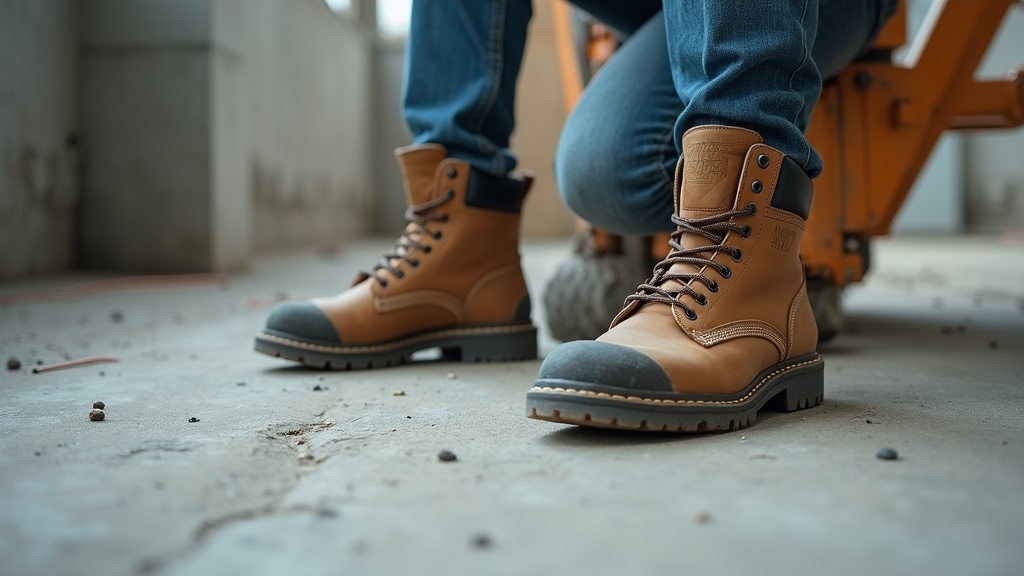
You're rolling out of bed every morning and the first step feels like someone drove a nail through your heel. By the end of a ten-hour shift on concrete, you're limping to the truck. You've heard about plantar fasciitis socks, and you want to know if they're worth pulling out your wallet for, or just another gimmick sold to people who are desperate enough to try anything.
Here's the straight answer: they work, but not the way most ads make you think. They're not a cure. They're a tool. Used right, they take real pressure off a real injury. Used wrong, they collect dust in your drawer by week two.
Key points at a glance
- Plantar fasciitis socks reduce pain by supporting the arch and compressing the plantar fascia during load-bearing activity.
- They work best as part of a routine: on the job, after shift, and sometimes during sleep.
- For trades workers, fit inside a work boot matters more than brand name.
- Wrong compression level can slow circulation, especially if you have circulation issues.
- Most workers notice real relief within 2 to 4 weeks of consistent daily use.
- Socks alone won't fix the problem. Stretching and footwear changes have to come with them.
What Good Plantar Fasciitis Socks Do For You
What Plantar Fasciitis Actually Does to Your Foot (And Why It Gets Worse on the Job)
The plantar fascia is a thick band of connective tissue running from your heel bone to the ball of your foot. Every step you take, it stretches and snaps back like a rubber band under load.
Stand on concrete for ten hours, carry weight, climb ladders, and that band gets pulled beyond what it can recover from between shifts. Small tears form near the heel attachment. Inflammation sets in. The body tries to repair it overnight, but you're back on the slab before it finishes the job.
That's why the first step in the morning is always the worst. The fascia partially tightens during sleep, then gets yanked awake the second you put weight on it.
Check out our guide: Why Do Work Boots Hurt My Feet? 6 Real Causes and How to Fix
Do Plantar Fasciitis Socks Work? The Honest Answer
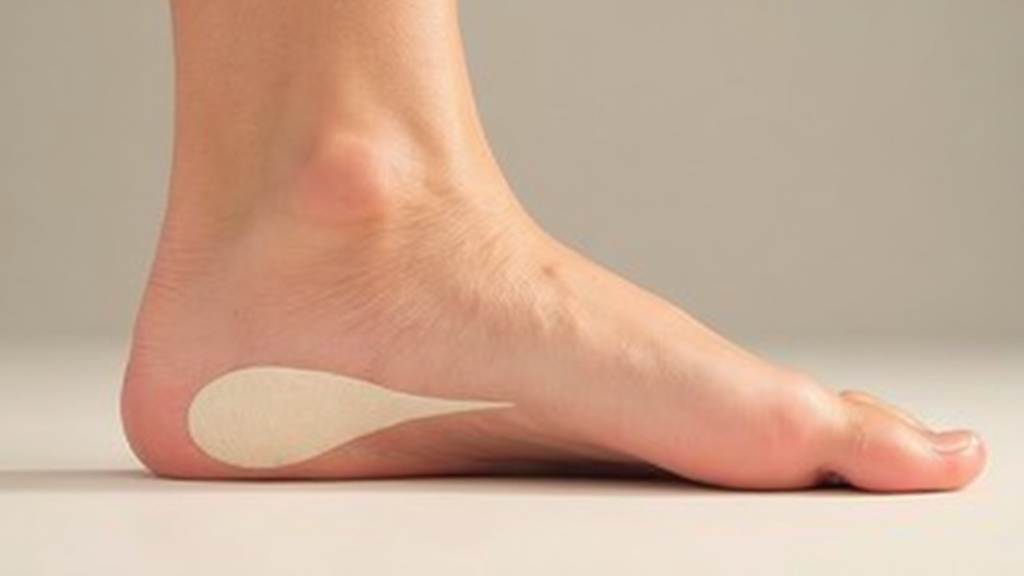
Yes, plantar fasciitis socks work, but they work by reducing symptoms and supporting healing, not by fixing the underlying damage on their own.
Clinical data backs this up. Studies on compression sleeves and arch-support socks consistently show measurable reductions in pain during and after activity. The mechanism isn't magic: it's mechanical. You're physically supporting the arch so the fascia carries less strain.
For trades workers who can't afford to stay off their feet, that margin of relief is the difference between getting through a shift and not.
Did you know?
Plantar fasciitis is the most common cause of heel pain in the U.S., affecting roughly 2 million Americans every year. It's especially prevalent in workers who spend more than 4 hours a day on hard surfaces, which covers most people in the trades.
What the Compression and Arch Support Actually Do
There are two things working in a good plantar fasciitis sock: targeted arch compression and graduated leg compression.
Arch compression
A reinforced band under the arch physically limits how far the plantar fascia stretches per step. Less stretch, less micro-tearing, less pain by the end of the day.
Graduated compression
Tighter at the ankle and heel, looser as it goes up the calf. This pushes blood back toward the heart instead of letting it pool in the foot. Less swelling means less pressure on already-inflamed tissue.
- Most effective compression range for plantar fasciitis: 15 to 20 mmHg for all-day wear
- 20 to 30 mmHg if you have significant swelling or are on your feet for 8+ hours
- Anything above 30 mmHg should be prescribed by a doctor
How Long Before You Feel a Difference
Most workers feel some pain reduction within the first day or two, especially the sharp morning heel pain. That's the overnight stretching effect.
Consistent daily use for 2 to 4 weeks is where you'll see real cumulative improvement, less inflammation, better morning mobility, and a foot that doesn't remind you it exists every time you step off a ladder.
If you're not feeling anything after three weeks of consistent wear, the socks aren't the right fit or compression level for your foot type.
Check out our guide: Work Boots for Back Pain: Expert Guide to Reducing Discomfort at Work
When to Wear Them: On the Clock, After Shift, or While You Sleep
Timing matters and it changes depending on which type you're using.
During work hours
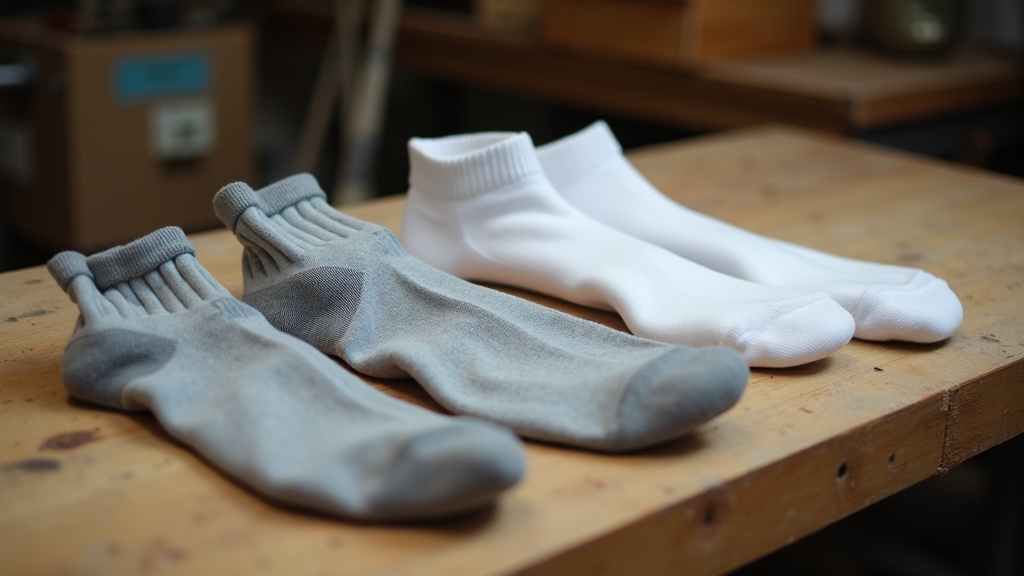
Wear a low-profile compression sock that fits cleanly inside your work boot without adding bulk. Too thick and your boot gets tight, cuts circulation, and makes things worse.
After your shift
A full compression sleeve or crew-height sock worn for 1 to 2 hours post-shift helps flush out swelling before it sets overnight.
Plantar fasciitis socks for sleeping
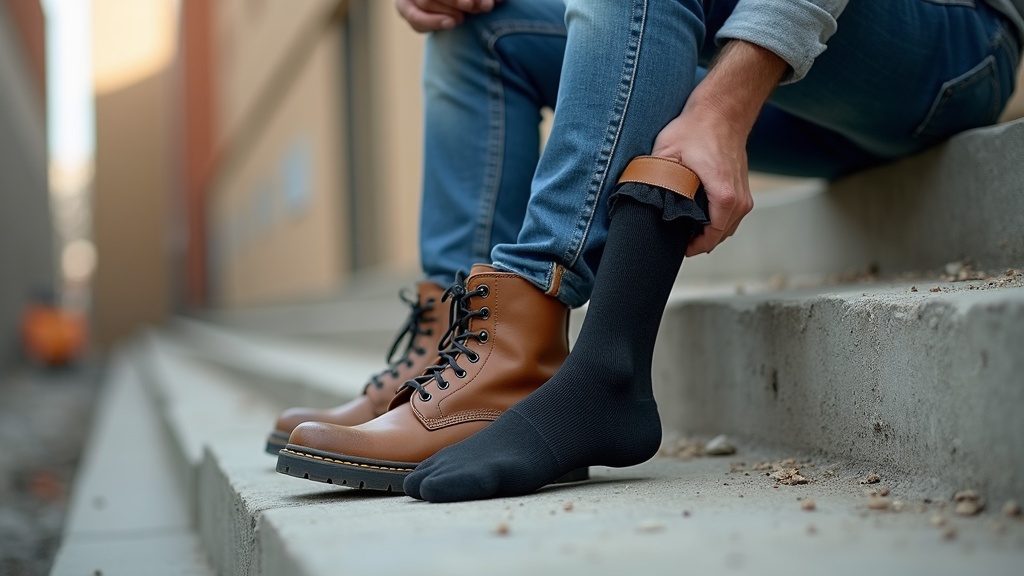
Night socks (sometimes called dorsal splint socks) hold the foot in slight dorsiflexion, keeping the fascia gently stretched through the night. This is what kills the morning heel pain. They're not tight, they're positional. Most people see the biggest single improvement once they start wearing them to bed.
Did you know?
Morning heel pain with plantar fasciitis is caused by nocturnal tightening of the fascia, a process called "first-step pain" in clinical settings. Night splints and night socks that maintain a 5-degree dorsiflexion angle have been shown in multiple studies to reduce this symptom by over 60% within four weeks.
Can Plantar Fasciitis Socks Make Things Worse?
Yes, in specific situations. Too much compression restricts blood flow, which can increase nerve pain and cause numbness in the toes, a real problem if you're already on your feet all day.
If you have diabetes, peripheral artery disease, or any circulation issue, you need to talk to a doctor before using compression socks above 15 mmHg.
The other mistake: wearing them 24 hours a day thinking more is better. Your foot needs some natural movement without support to maintain muscle strength. Compression socks are a tool for the work period, not a permanent cast.
What to Look for in a Plantar Fasciitis Sock That Holds Up in Boots All Day
Most compression socks on the market are designed for office workers or runners. Trades workers need different specs.
| Feature | What to Look For | Why It Matters in a Boot |
|---|---|---|
| Profile thickness | Thin-to-medium (under 4mm) | Thick socks compress the foot inside the boot and cut off circulation |
| Arch band | Separate reinforced arch band, not just overall stretch | Targeted support exactly where the fascia loads |
| Material | Nylon-spandex blend or merino wool with spandex | Moisture control matters. Wet feet blister and swell more. |
| Heel cushioning | Padded heel cup | Absorbs the heel strike impact that aggravates the fascia |
| Seam construction | Flat-knit or seamless toe | Seams against the toe box of a steel-toe boot cause blisters fast |
| Compression level | 15 to 20 mmHg for all-day wear | Enough to support without cutting circulation during heavy labor |
Are Plantar Fasciitis Socks Worth the Money for Trade Workers?
A decent pair runs $15 to $35. A physical therapy copay runs $50 to $80 per visit. If a pair of socks gets you through a full shift without limping and shaves two months off your recovery time, the math is obvious.
The best compression socks for plantar fasciitis aren't the most expensive ones. They're the ones that actually fit inside your boot, hold their compression after 20 washes, and don't fall apart at the heel after three weeks.
Buy two pairs minimum. Rotate them. Compression socks lose elasticity faster when washed back-to-back without a rest cycle.
Check out our guide: Best Work Boots for Plantar Fasciitis: Comfort, Support & Durability
What Finally Gets Rid of Plantar Fasciitis (Socks Are Part of It, Not All of It)
Socks reduce the load. They don't erase the cause. Here's what actually clears plantar fasciitis in workers who can't stop working:
- Calf stretching every morning before the first step. Tight calves pull the Achilles, which yanks the heel, which strains the fascia. Thirty seconds of standing calf stretch before you get out of bed changes the whole day.
- Work boots with proper arch support and a slight heel elevation. Zero-drop boots on concrete are brutal for inflamed fascias.
- A quality aftermarket insole. Most stock boot insoles are thin foam that compresses to nothing by hour four.
- Ice rolling for 5 minutes after shift. Freeze a water bottle, roll it under your foot. Cheap, fast, effective.
- Consistent wear of plantar fasciitis socks, both the daytime compression type and the overnight dorsiflexion type.
Stack all of these and most workers see significant improvement in 4 to 8 weeks. Keep doing only one of them and you're back to square one when the next busy season hits.
