


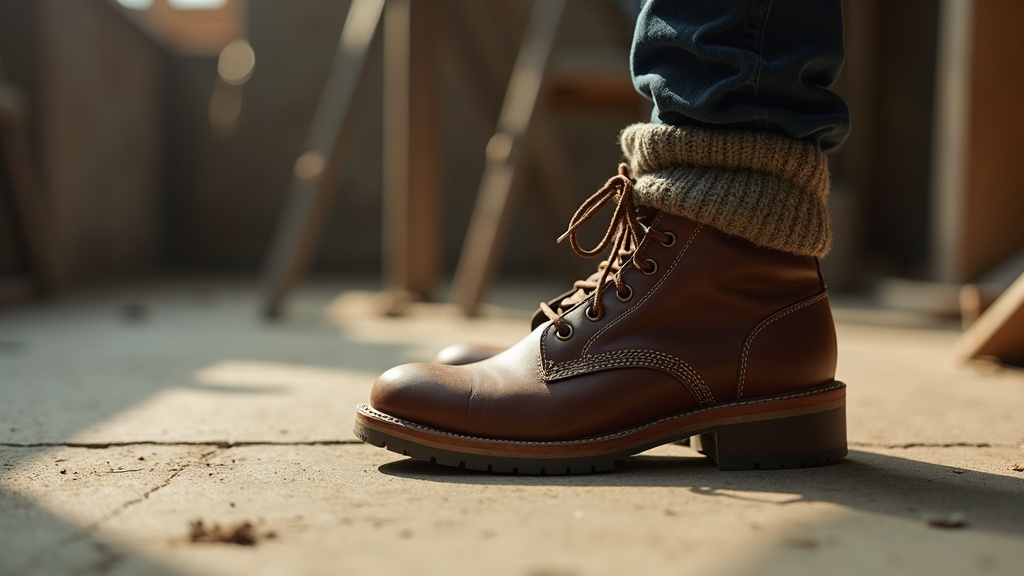
Your feet sweat. That's not a problem, that's physics. The real question is whether your socks deal with it or just sit there soaking it up. Wool handles sweat differently than any other fabric you've worn, and once you understand why, you'll never go back to cotton on a long shift.
This isn't about brand marketing or soft promises. It's about what actually happens inside your boot after eight, ten, twelve hours on your feet, and which material holds up when it counts.
Key points at a glance
- Wool doesn't stop you from sweating, it moves moisture away before it soaks in and chills your skin.
- Merino wool can absorb up to 30% of its weight in moisture without feeling wet to the touch.
- Cotton holds sweat against your skin. After a few hours, you're walking in a wet sponge.
- Wool socks work in summer too: the same fiber that insulates in winter breathes and regulates in heat.
- For work boots and long shifts, wool outlasts synthetics and cotton on comfort, odor control, and blister prevention.
- Durability is the one honest trade-off: wool costs more and requires gentler washing, but it's worth it.
Why Wool Works on the Job
The Short Answer: Yes, But Not the Way Most People Think
Wool socks don't create a dry environment. Your feet are going to sweat regardless of what you wear, period. What wool does is manage that moisture fast enough that your skin stays relatively dry even while the fiber itself is wet.
That's the key distinction most people miss. You're not looking for a sock that stops sweating. You're looking for one that moves sweat away from your skin before it pools, cools down, and turns into a blister or a fungal problem.
How Wool Actually Handles Sweat (The Science Without the Fluff)
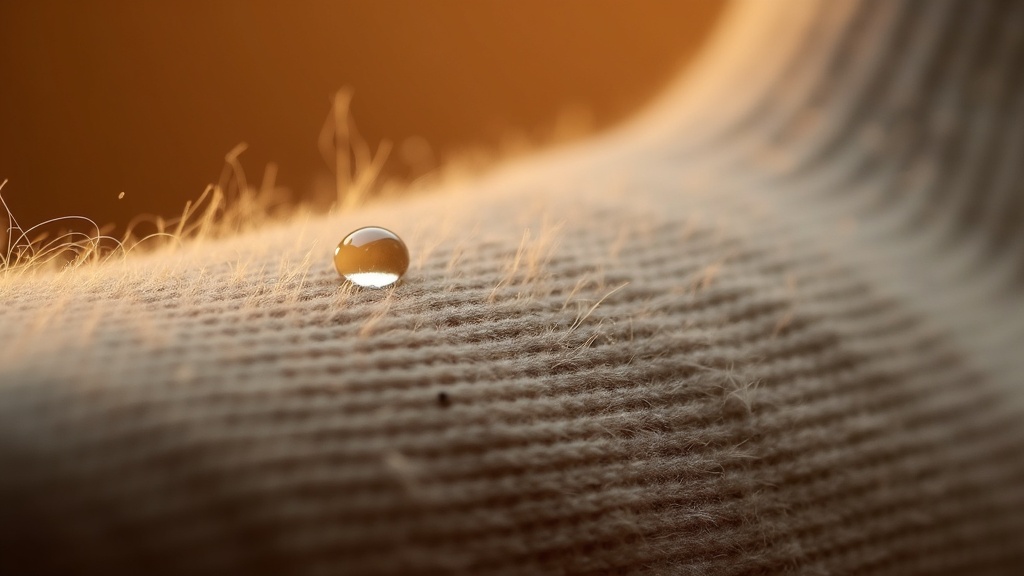
Each wool fiber has a two-part structure: a water-repelling outer layer and a moisture-absorbing core. Sweat gets pulled into the fiber core through a process called capillary action. The outer surface stays dry even as the fiber is holding moisture inside.
Merino wool specifically can absorb up to 30% of its own weight in water before it feels wet to the touch. On a hard shift, that's a meaningful buffer between your skin and discomfort.
Did you know?
Wool fiber also generates a small amount of heat as it absorbs moisture through a chemical reaction called heat of sorption. That's one reason wool feels warmer than synthetics at the same thickness, even when slightly damp.
The odor control comes from the same place. Bacteria that cause foot odor need moisture and warmth to multiply fast. Because wool pulls moisture into the fiber core, there's less available on the surface for bacteria to feed on. A pair of merino socks can handle two or three days of wear before odor becomes an issue. Try that with cotton.
Check out our guide: Best Moisture-Wicking Socks for Work – Expert Tips for Comfort & Performance
Wool vs. Cotton vs. Synthetics: Which One Wins After 10 Hours on Your Feet
Here's a straight comparison of how the three main materials perform over a full workday inside a boot.
| Material | Moisture Management | Odor Resistance | Comfort After 10 Hours |
|---|---|---|---|
| Merino Wool | Absorbs into fiber, stays dry on skin | Excellent, multi-day wear possible | High, regulates temp and cushions |
| Cotton | Holds moisture against skin, stays wet | Poor, bacteria multiply fast | Low, blisters and cold clammy feel |
| Polyester / Nylon blend | Wicks fast but stays damp on skin | Fair, degrades over washes | Moderate, no cushion or temp control |
| Wool/Nylon blend | Strong wicking plus added durability | Very good | High, best option for work boots |
Cotton is the worst choice for sweaty feet on the job. It absorbs moisture and holds onto it. After a couple of hours, you've got a wet sock glued to your skin, and that's where blisters start and infections follow.
When Wool Socks Fall Short (Honest Limitations You Should Know)
Wool is not waterproof. Step through standing water or work in truly soaked conditions and the fiber will eventually saturate. Once it's fully wet through, it takes a while to dry out, longer than synthetics.
- Pure wool wears out faster at the heel and ball of the foot. Look for a wool/nylon blend (at least 15-20% nylon) for work boots.
- Price is real. Good merino work socks run $15 to $25 a pair. That's not pocket change when you need four or five pairs.
- They need careful washing. Hot water and a regular spin cycle will shrink them fast. Cold water, gentle cycle, air dry.
Are Wool Socks Good in the Summer or Just for Cold Weather?
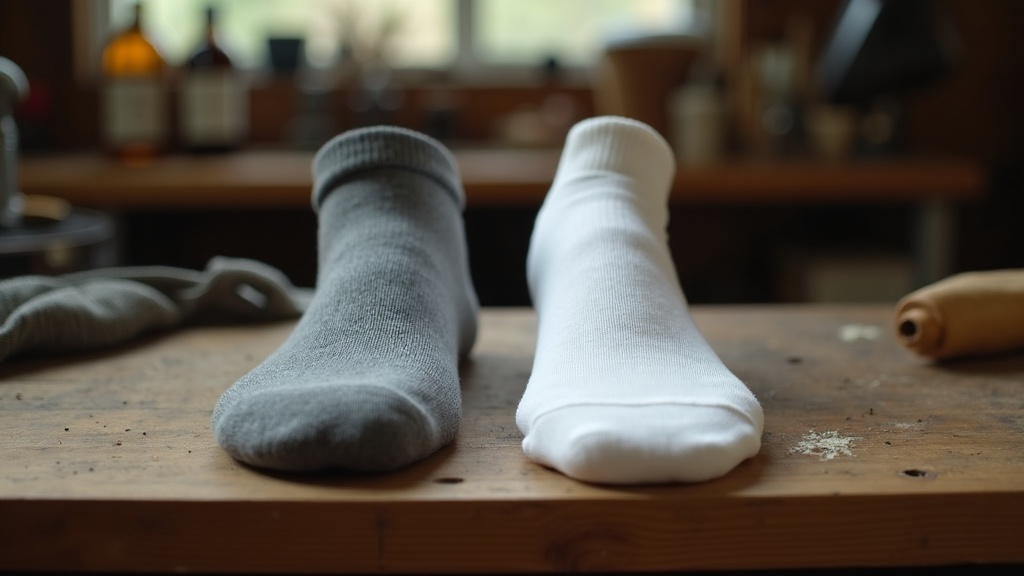
This is probably the biggest misconception about wool. People think it's a winter-only fabric. It's not. Merino wool regulates temperature in both directions. In winter, it traps warmth. In summer, the breathability and moisture management work to keep your feet cooler than cotton or synthetics.
For summer work, go with a lighter-weight merino, in the 150 to 200 gram range. Thinner fiber, still all the moisture management, less heat retention. Your feet will thank you by hour six.
Did you know?
Merino wool fibers measure under 18.5 microns in diameter. That's fine enough that the fiber bends when it touches skin instead of scratching it, which is why merino doesn't itch the way traditional wool does.
What to Look for When Buying Wool Socks for Work
Not all wool socks are made for a ten-hour shift in a steel-toe boot. Here's what actually matters when you're buying.
- Merino content: Look for at least 60-70% merino. Below that, you lose most of the moisture management benefit.
- Nylon reinforcement: 15-25% nylon at the heel and toe makes them last. Pure wool alone won't hold up to constant friction inside a boot.
- Cushioning zone: A padded footbed and reinforced heel matter more than any marketing claim. Feel it before you buy.
- Height: For work boots, mid-crew or full crew height keeps the boot collar from digging into bare skin.
- Fit: A sock that bunches up inside a boot is a blister waiting to happen. Size them right, and make sure they stay put.
Check out our guide: What Are the Best Work Socks for Sweaty Feet?
The Disadvantages of Wool Socks and How to Work Around Them
Price is the one that stops most people. Here's the math: a $20 pair of merino socks that lasts two years costs less per day than a $5 cotton pair you replace every few months. Over a year, wool is usually cheaper.
For care, get a mesh laundry bag and use cold water. Air dry. That's the whole routine. Takes thirty seconds of extra thought and it keeps the socks alive for years.
If itchiness is a concern, go pure merino rather than a coarser wool blend. Merino at 18.5 microns or finer won't itch on most people, even with sensitive skin.
Bottom Line: Are Wool Socks Worth the Extra Money for Trade Workers
If you're standing, walking, or climbing for eight or more hours a day, yes. The difference between a wool sock and a cotton sock at hour ten is not subtle. One foot feels tired. The other feels wrecked, wet, and ready for a blister.
The best material socks for sweaty feet on the job is a merino/nylon blend, cushioned at the heel and ball, crew height for boot coverage. Buy three or four pairs, rotate them, wash cold, air dry. That's the whole system.
Your feet carry you through every hour of every shift. Spend the extra ten bucks on the sock. It's one of the cheapest upgrades you can make to your workday.
