


Work boots are not just an accessory; they are essential for protecting your feet and ensuring comfort throughout the day, whether on a construction site, in a factory, or outdoors. According to a study by the Occupational Safety and Health Administration (OSHA), over 15% of workplace injuries on construction sites involve the feet, highlighting the importance of choosing suitable and reliable boots. In this complete guide, we will explore the key features of work boots, from protection and durability to comfort and style. Each section is based on expert recommendations and recognized standards, helping you make an informed and safe choice.
You will learn how materials, toe caps, soles, and even ergonomic aspects impact your safety and well-being. Whether you are an experienced worker or new to a high-risk environment, this guide will help you understand which features truly matter and why they are important.
Top 5 Features of Work Boots Endorsed by Experts
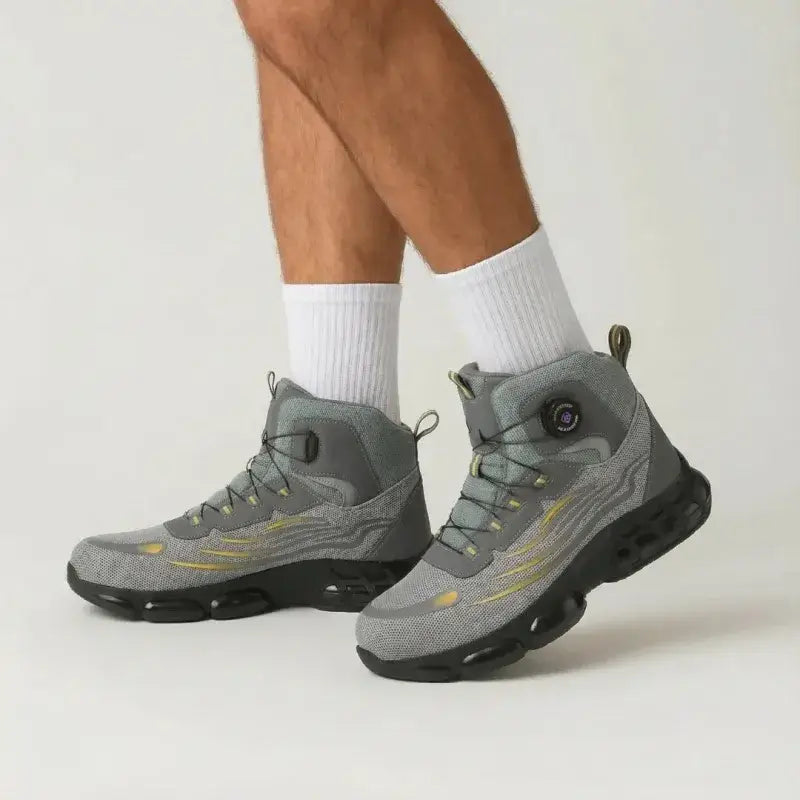
Workplace safety and ergonomics experts agree that certain features of work boots are essential for effectively protecting feet while providing optimal comfort. These features not only help reduce the risk of injuries on construction sites or in industrial environments but also improve posture and reduce fatigue during long workdays.
This guide presents a ranking of “must-have features” for each type of boot, starting with one of the most fundamental aspects: the materials used.
1. Materials of Work Boots
Materials are the foundation of any good pair of work boots. They determine resistance to impacts, weather, and daily wear, as well as the overall comfort for the wearer.
Leather
Leather remains the benchmark material for work boots. It is known for its exceptional durability, water resistance when properly treated, and robustness against impacts and abrasions. Additionally, it gradually conforms to the shape of the foot, providing personalized comfort over time.
According to a report from the American Leather Association, full-grain leather offers a 30% longer lifespan compared to standard synthetic leathers, explaining its widespread use in industrial and construction boots.
Rubber / PVC
Rubber and PVC boots are especially popular for wet or chemically exposed environments. They provide complete waterproofing, are lightweight, and easy to maintain. These materials are often used for rain boots, agricultural boots, or any task with daily water exposure.
Technical Textiles
Technical textiles, such as reinforced nylon or breathable fabrics combined with waterproof membranes, are increasingly popular. They offer breathability, comfort, and lightness while remaining durable thanks to integrated soles and reinforcements. These materials are particularly suitable for workers who need mobility and ventilation over long periods.
Expert Tips for choosing materials based on usage:
-
Heavy construction and industrial work: durable leather for protection and longevity.
-
Wet or chemical environments: rubber or PVC for waterproofing.
-
Work requiring mobility and lightness: breathable, reinforced technical textiles.
Discover: Best Work Boots for Plantar Fasciitis: Comfort, Support & Durability
2. Protection and Safety Features
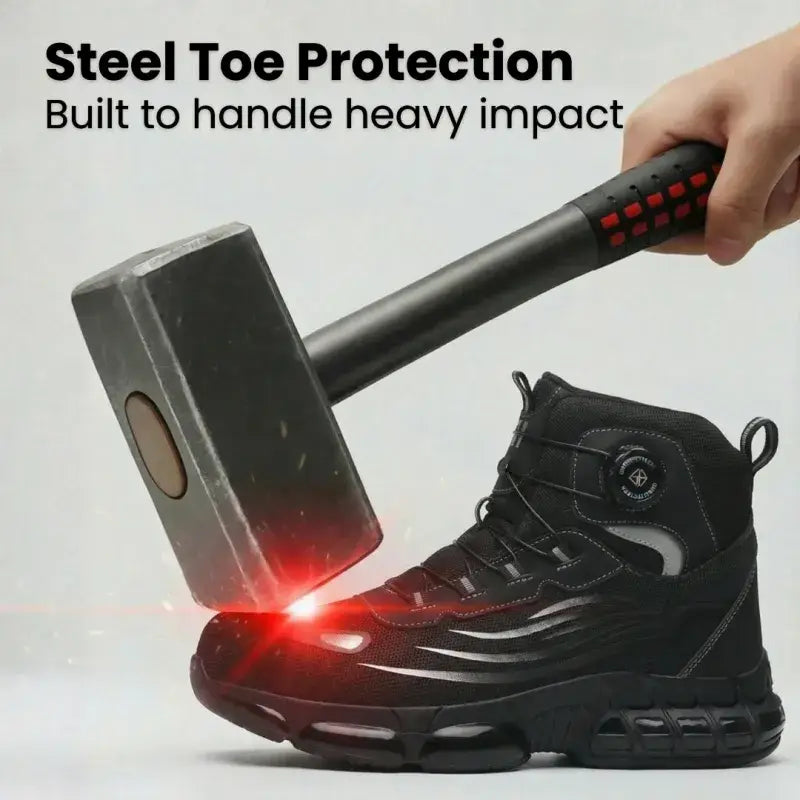
Safety is the top priority when choosing work boots. The features of work boots designed for protection can prevent serious injuries caused by impacts, sharp objects, or slippery surfaces. According to the American National Standards Institute (ANSI), foot-related accidents account for nearly 10% of all workplace injuries, making it essential to select secure boots.
Toe Caps
Toe caps, whether made of steel, composite, or aluminum, protect the toes from impacts and heavy objects.
-
Steel: strong and durable, ideal for high-risk environments.
-
Composite: lighter, non-conductive, suitable for areas requiring electrical insulation.
-
Aluminum: lightweight and strong, combining comfort and protection.
Anti-Perforation Soles
Steel or Kevlar-reinforced soles prevent sharp objects from penetrating the boot, a crucial feature for construction sites or warehouses. They provide protection while maintaining comfort and flexibility depending on the material used.
Slip-Resistant Soles
Boots with slip-resistant soles prevent slips and falls, especially in wet or greasy environments. Rubber Vibram soles or specially patterned treads offer maximum traction.
Safety Standards
Checking that boots comply with ASTM, EN ISO, or ANSI standards is essential to ensure certified protection. These certifications guarantee that the boots have been tested against impact, puncture, and slip hazards.
By choosing boots that integrate these features of work boots, workers benefit from optimal protection while maintaining comfort and mobility.
Read also: Best Work Boots for Plantar Fasciitis Men—Expert Picks and Advice
3. Comfort and Ergonomics
Comfort is often underestimated, yet it is essential for ensuring worker productivity and health. Ergonomics experts agree that the features of work boots directly influence posture, muscle fatigue, and even the prevention of musculoskeletal disorders. According to a study published by the Occupational Safety and Health Administration (OSHA), ergonomic boots reduce foot and leg fatigue by 25% during long standing workdays.
Cushioning and Insoles
Insoles made of EVA foam or gel provide optimal cushioning, absorbing impact with every step and reducing joint pressure. Some insoles are orthopedic, offering additional support for the arch and heel.
Arch and Heel Support
Proper arch support stabilizes the foot and prevents back or joint pain. Ergonomic boots often combine a reinforced heel support to limit injury risks from repetitive movements or uneven surfaces.
Breathability and Thermal Insulation
Breathable materials like technical textiles or perforated leather allow air circulation, reducing moisture and odors. Conversely, in cold environments, boots with thermal insulation keep feet warm without sacrificing comfort.
Practical tips:
-
For long shifts, prioritize boots with cushioning insoles and arch support.
-
In hot or humid environments, choose breathable materials to prevent excessive sweating.
-
In winter, adequate thermal insulation is essential to maintain performance and safety.
Integrating these features of work boots ensures not only safety but also lasting comfort, a critical factor in preventing fatigue and injuries during long work hours.
4. Durability and Maintenance
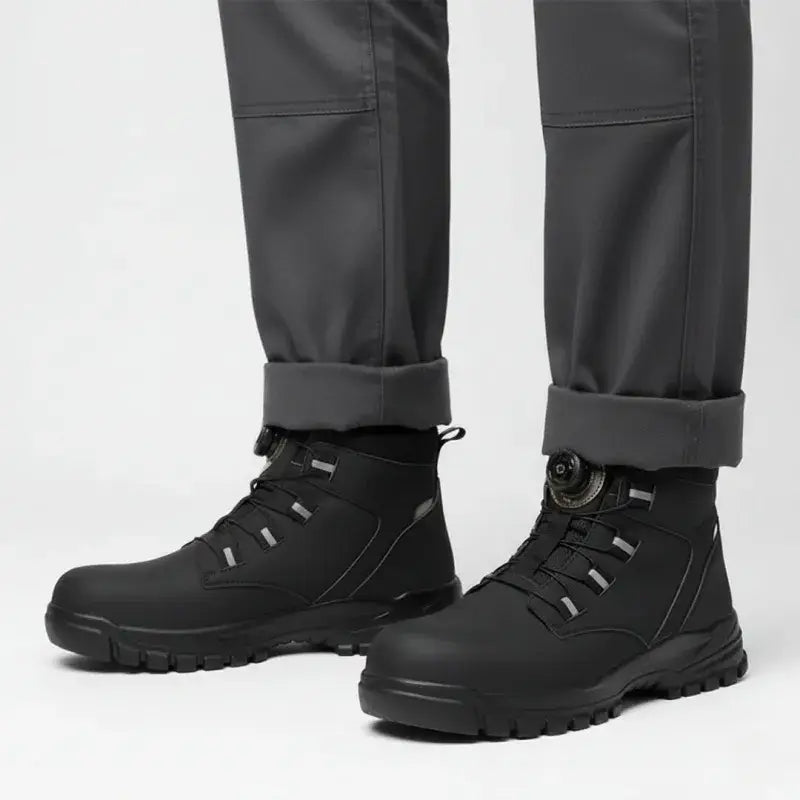
Durability is a crucial factor when choosing work boots. A long-lasting pair not only reduces long-term costs but also ensures consistent and reliable protection. Safety experts recommend prioritizing boots whose features of work boots include robust materials and reinforced soles capable of withstanding extreme conditions.
Resistance to Wear and Extreme Conditions
Full-grain leather, thick rubber, and reinforced technical textiles provide maximum resistance to abrasions, impacts, and extreme temperatures. Boots designed for longevity prevent cracks or deformations, ensuring optimal safety throughout their use.
Easy Maintenance
Good boots are also easy to clean and maintain. Leather requires periodic polishing and waterproofing treatments, while rubber or PVC boots can simply be rinsed with water. Breathable technical textile boots need gentle cleaning to preserve waterproof membranes.
Signs of Wear to Monitor
To extend the lifespan of boots, it’s important to monitor:
-
Worn or slippery soles
-
Tears or cracks in leather or textiles
-
Loss of arch support
According to an analysis by the American Society of Safety Professionals (ASSP), properly maintained boots last on average 30% longer, reducing the risk of injuries from degraded materials.
Read this complete guide: Top 5 Methods to Prevent Foot Pain at Work and Expert Advice
5. Style and Additional Features
Beyond safety and comfort, style and additional features play an important role in choosing work boots. Modern features of work boots incorporate practical elements that make workers’ daily tasks easier while maintaining protection.
Lace-Up Boots vs Quick-Closure Boots
Lace-up boots provide a custom fit and optimal support, ideal for environments where movement is frequent and varied. Quick-closure boots save time and are particularly convenient for tasks that require frequent shoe changes.
Lightweight vs Heavy-Duty Boots
Lightweight boots prioritize mobility and comfort, suitable for work that involves a lot of movement. Heavy-duty boots, which are heavier, offer maximum protection against impacts and environmental hazards.
Practical Additional Features
Some boots include removable insoles, fastening loops, or even small tool pockets, providing increased comfort and efficiency. Waterproofing and breathability are also essential features depending on the work environment.
According to recommendations from the Occupational Safety and Health Administration (OSHA) and several specialized manufacturers, adding practical features improves safety and reduces fatigue, thereby enhancing overall worker performance.
Comparison of Work Boots features
To choose the ideal pair, it is useful to compare the features of work boots according to usage and priorities: safety, comfort, or mobility. A simple table allows a quick visualization of the differences between the main types of boots.
|
Type of Boots |
Recommended Use |
Strengths |
Weaknesses |
|
Construction boots |
Construction, industrial sites |
Steel toe, slip-resistant soles |
Heavy |
|
Lightweight safety boots |
Warehouses, logistics |
Comfortable, light |
Limited impact protection |
|
Waterproof boots |
Outdoor, farming |
Waterproof, breathable |
Less flexible |
|
Insulated boots |
Cold environments |
Thermal protection |
Higher cost |
This comparison shows that not all boots are equal, and the choice should be based on the environment, potential hazards, and desired comfort.
How to Choose the Right Work Boots?
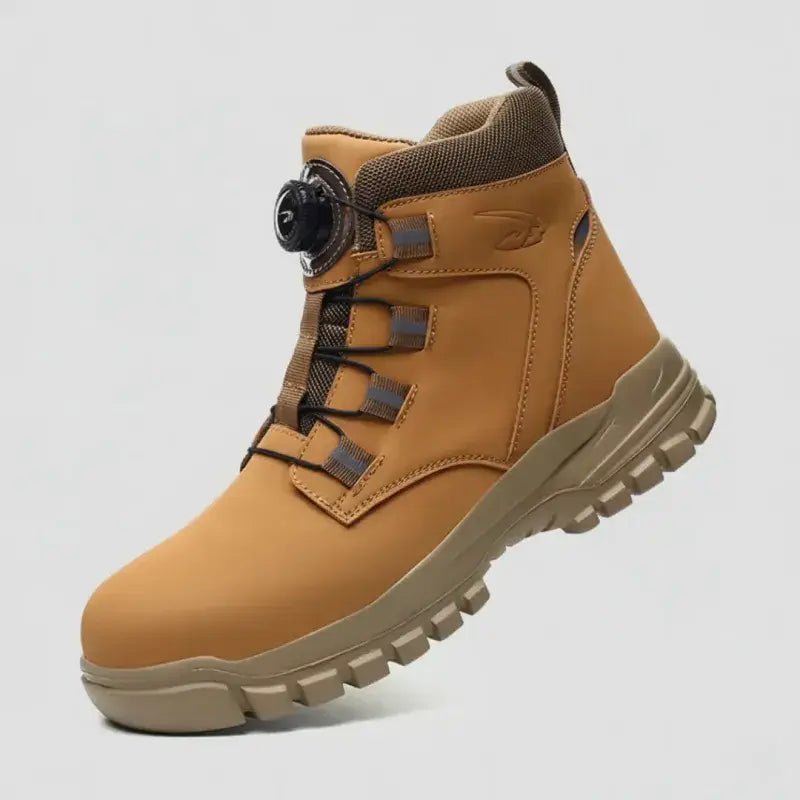
Choosing the right pair of work boots involves considering several essential criteria to combine safety, comfort, and durability. Safety experts recommend always evaluating the features of work boots before purchase to reduce the risk of accidents and fatigue.
Identify the Risks and Type of Work. First, define potential hazards: slippery floors, heavy objects, chemicals, wet environments, or extreme temperatures. Boots should be suited to these conditions to effectively protect your feet.
Prioritize Safety vs Comfort. Some boots provide maximum protection but may be heavier and stiffer, while others prioritize comfort and lightness. According to a study by the Occupational Safety and Health Administration (OSHA), balancing protection and comfort reduces fatigue and injury risk over time.
Test Fit, Sole, and Arch Support. Try on boots with the socks you normally wear and ensure the arch and heel are well supported. A proper sole improves stability and comfort throughout the day.
Check Certifications and Materials. Ensure the boots comply with ASTM, EN ISO, or ANSI standards and that the materials are appropriate for your work environment.
By following these recommendations, you ensure a pair of boots that combines safety, comfort, and durability, maximizing performance while protecting your feet.
Discover also: Best Work Boots for Walking All Day: Comfort, Support & Expert Picks
Choosing the Best Work Boots: Safety, Comfort, and Durability
The features of work boots play a crucial role in worker safety, comfort, and durability. From the choice of materials to the protective toe caps, slip-resistant soles, and ergonomic support, every detail matters. According to the Occupational Safety and Health Administration (OSHA) and the American Society of Safety Professionals (ASSP), investing in properly suited boots significantly reduces the risk of accidents and fatigue.
By carefully evaluating your needs, work environment, and certifications, you can choose a pair that provides optimal protection, lasting comfort, and maximum performance every day.
