


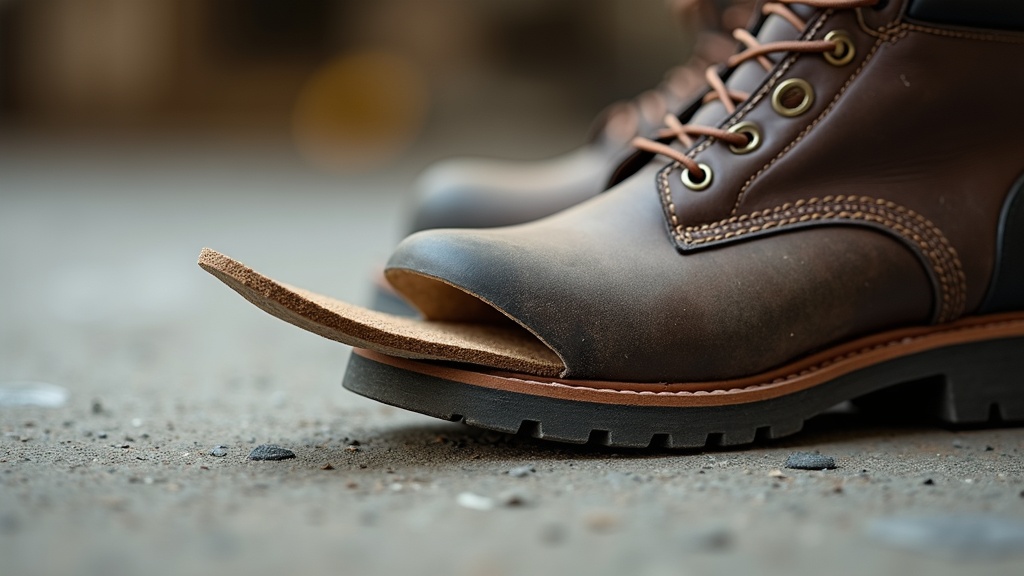
Your feet hurt at the end of the shift. Your knees ache when you get home. You blame the boots, or the concrete, or the hours. Nine times out of ten, the insoles are the problem, and they've been shot for months.
Most guys never think about insoles until something hurts. By then, the damage is already happening. Here's what you actually need to know.
Key points at a glance
- Most work boot insoles need replacing every 3 to 6 months for full-time workers
- Standing on concrete all day cuts that lifespan in half compared to lighter-duty use
- Flat cushioning, heel pain, and visible compression are clear signs it's time
- Stock insoles that came with your boots wear out faster than quality aftermarket ones
- Brands like Superfeet, Timberland PRO, and Sof Sole hold up better on real jobsites
- Rotating two pairs of insoles dramatically extends the life of both
What Good Insoles Actually Do for You
The Short Answer: Every 3 to 6 Months for Most Workers
If you're putting in 40-plus hours a week on your feet, plan to replace your insoles every three to six months. That's the honest baseline, not a sales pitch.
Light-duty use, say four to five hours a day, indoors on softer flooring, and you might stretch it to nine months. But most workers on construction, warehouse, or manufacturing floors don't get that luxury.
Why Your Job Changes Everything About Insole Lifespan
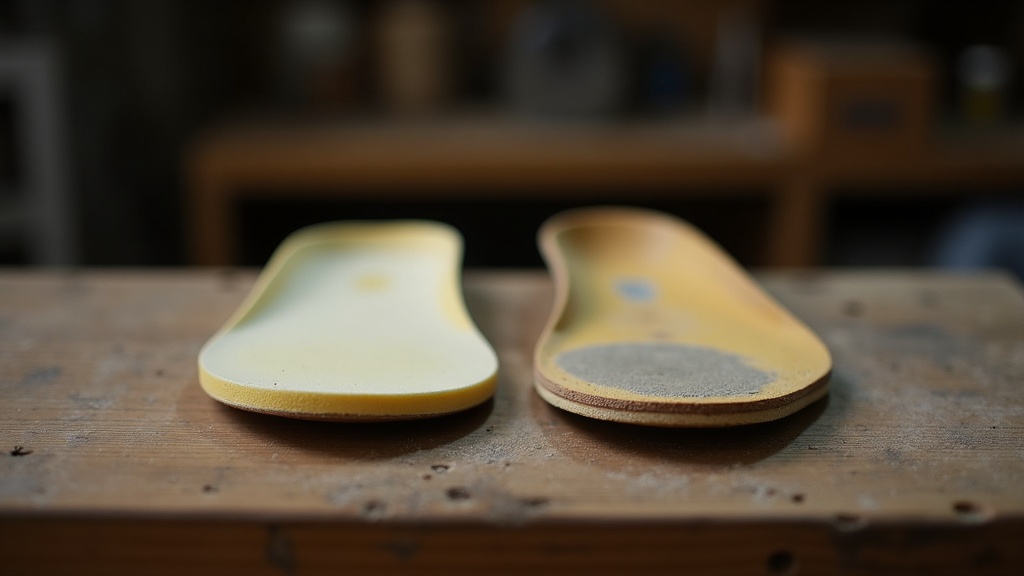
Not all work is equal on foam and gel. Concrete is the worst surface on the planet for insole longevity. It's unforgiving, and it compresses cushioning material faster than anything else.
Jobs that burn through insoles the fastest
- Warehouse work: constant walking on sealed concrete, often 8 to 12 miles a day
- Construction: uneven terrain, added weight from gear, temperature swings
- Manufacturing: standing in one spot causes pressure points to form early
- Landscaping and agriculture: moisture, mud, and uneven ground work the material hard
Jobs with more mixed surfaces, carpeted offices, rubber flooring, or short outdoor stints, will extend your insole life noticeably.
Did you know?
A 200-pound person walking on concrete generates roughly 110 to 130% of their body weight in force with each step due to the lack of surface give. That's the load your insoles absorb thousands of times per shift.
How to Tell Your Insoles Are Done (Without a Podiatrist)
You don't need a doctor's visit to figure this out. Your body and your boots will tell you. You just have to know what to look for.
Physical signs on the insole itself
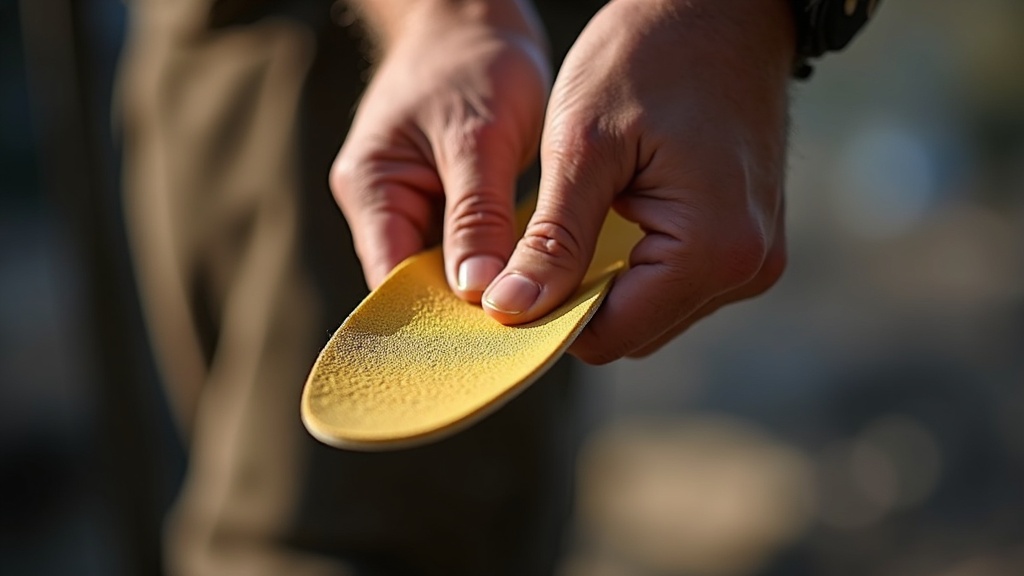
- Flat heel and forefoot: press your thumb into the cushion. If it doesn't spring back, the foam is dead
- Visible wear grooves: the outline of your foot permanently pressed into the material
- Cracked or peeling top cover: the fabric layer is gone, which means friction against your sock
- Compression ridges: the insole is thinner in spots than when you bought it
What your body tells you
- Heel or arch pain that wasn't there three months ago
- Knee or lower back soreness that builds through the week
- Feet burning earlier in the shift than they used to
- Blisters forming in new spots
Stock Insoles vs. Aftermarket: What Wears Out Faster
The insoles that came in your boots are usually the first thing you should replace. Most boot manufacturers put in the cheapest insole that clears basic comfort requirements, because the boot itself is where the engineering budget goes.
Stock foam insoles typically last six to eight weeks of heavy use before they lose meaningful cushioning. That's not a flaw, it's just how it's priced.
Quality aftermarket insoles use denser foam, better arch geometry, and more durable top covers. They cost more upfront but last two to three times longer and do a better job the whole time.
| Insole Type | Avg. Lifespan (Heavy Use) | Approx. Cost | Best For |
|---|---|---|---|
| Stock boot insole | 6 to 8 weeks | Included | Temporary use only |
| Basic aftermarket foam | 3 to 4 months | $15 to $25 | Budget-conscious workers |
| Mid-range (Sof Sole, Spenco) | 5 to 7 months | $25 to $45 | Mixed-surface work |
| Premium (Superfeet Green, Timberland PRO) | 6 to 12 months | $45 to $70 | Full-time jobsite workers |
| Custom orthotics | 2 to 5 years | $200 to $600 | Chronic pain or specific conditions |
What Happens to Your Body When You Push Past the Replace Date
A dead insole isn't just uncomfortable. It changes how you walk, and your body compensates in ways that stack up over time.
When cushioning is gone, your heel strikes harder. Your plantar fascia takes more stress. Your knees absorb impact that the foam used to handle. Then your hips shift to compensate for the knee, and your lower back follows.
Plantar fasciitis is the most common result. It takes months to heal and doesn't care how tough you are. Knee inflammation and IT band pain are close behind. None of this is dramatic, it happens gradually, which is exactly why it's easy to ignore until it's serious.
Did you know?
Plantar fasciitis affects approximately 2 million Americans per year, with workers who stand or walk on hard surfaces for extended periods making up a disproportionately large share of those cases, according to the American Academy of Orthopaedic Surgeons.
How to Make Insoles Last Longer Without Cutting Corners
You can get more mileage out of a good insole without sacrificing the support that matters.
Simple habits that actually help
- Rotate two pairs: buy two sets and swap them daily. Each pair gets 24 hours to decompress and dry out, which significantly slows breakdown
- Pull them out after every shift: leaving them in a warm, closed boot accelerates material breakdown from moisture and heat
- Hand wash, air dry: machine washing damages the foam structure. Use mild soap and let them dry flat at room temperature
- Match the insole to the boot volume: an insole crammed into a tight boot will compress faster and unevenly
Which Insoles Actually Hold Up on a Jobsite (Brands Worth Knowing)
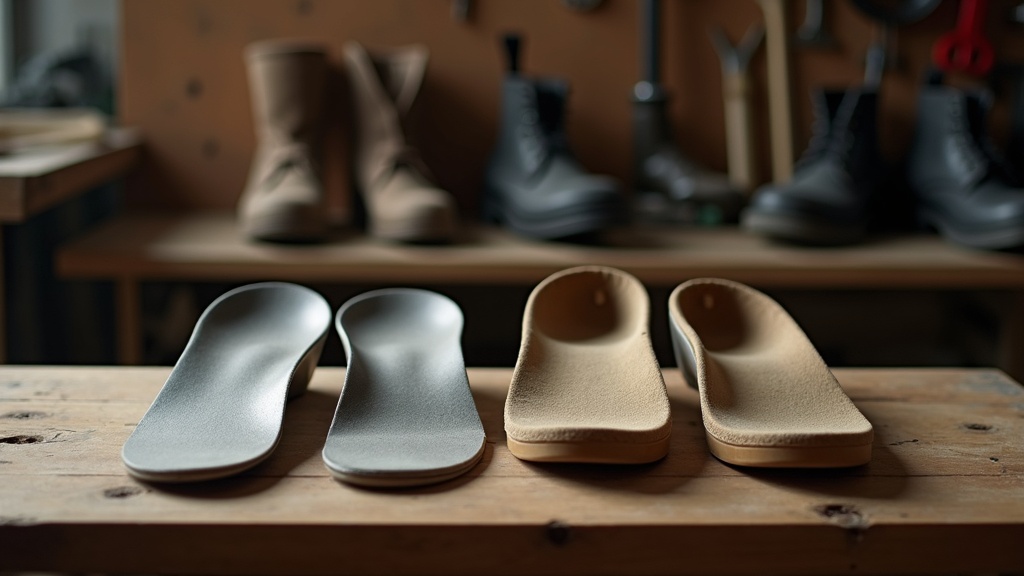
There's no shortage of options. These are the ones that consistently get positive mentions from workers, not just reviewers sitting at a desk.
Superfeet GREEN
The most-cited brand on forums and Reddit threads about insole replacement schedules. High-density foam cap, rigid stabilizer shell, deep heel cup. Most users get six to nine months of solid support from heavy use. How often to replace Superfeet insoles depends on your job, but the foam cap wears faster than the shell, and that's your cue.
Timberland PRO Anti-Fatigue
Designed specifically for jobsite use. The inverted cone geometry in the heel absorbs impact well on concrete. Holds up better than average in wet or muddy conditions.
Sof Sole ATHLETE
A solid mid-range option. Good gel heel, breathable top cover, and at $25 to $30 it's easy to replace on schedule without hesitation.
Physix Gear Sport Full Length Insoles
A popular pick among warehouse workers. Firm arch support, durable enough for long standing shifts, and priced where you won't agonize over replacing them every five months.
Your Practical Replacement Schedule: Set It and Forget It
Stop trying to guess. Build insole replacement into your calendar like an oil change. It takes one minute and saves you months of joint pain.
- Full-time jobsite work (40+ hours/week on hard surfaces): replace every 3 months
- Moderate use (20 to 40 hours/week, mixed surfaces): replace every 5 to 6 months
- Light use (under 20 hours/week, softer floors): check at 9 months, replace when the thumb test fails
- You have plantar fasciitis or knee issues: replace every 8 to 10 weeks regardless of visible wear
Set a phone reminder. Buy your next pair before the current ones are completely dead so you're never caught between shifts with nothing in your boots.
