


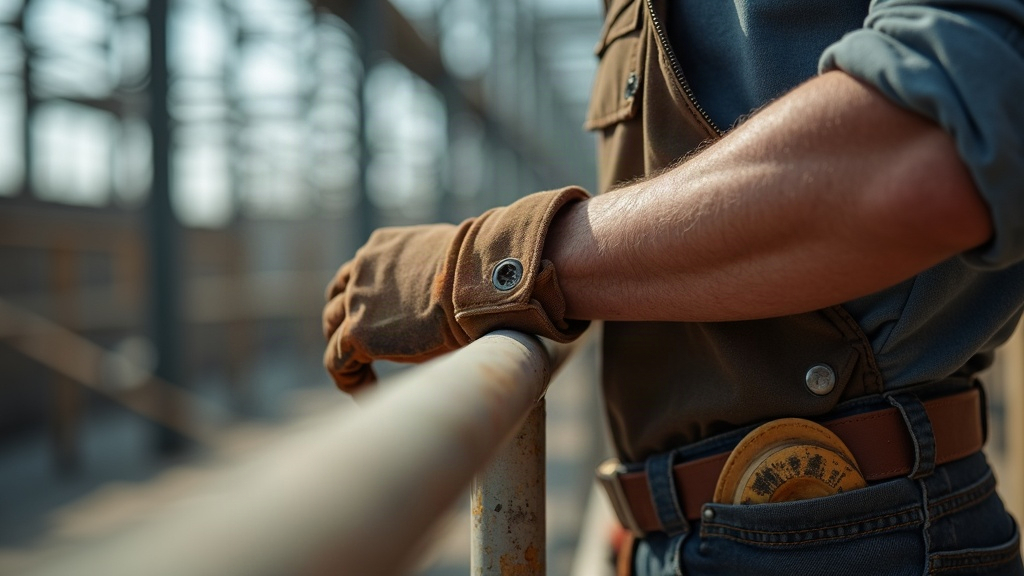
You notice it on a Tuesday. That dull burn on the outside of your elbow, right where the forearm meets the joint. You tape it up and keep moving. By Friday it's sharper, and by the following month you're dropping tools you've carried for twenty years.
Tennis elbow construction trades prevention isn't about being soft. It's about staying on the clock and keeping your paycheck. Here's what actually works, from someone who's watched too many good tradespeople lose weeks of work to a problem that was preventable.
Key points at a glance
- Lateral epicondylitis (tennis elbow) is a tendon overload injury, not a muscle pull. It builds slowly and heals slowly.
- The biggest triggers on the jobsite: grip-heavy tools, vibration, and wrist-extended postures repeated for hours.
- Anti-vibration gloves and a forearm strap together cut mechanical stress significantly, especially for drillers and grinders.
- Five specific exercises protect your forearm tendons better than any brace alone.
- Ignoring the pain past the first warning signs can mean surgery and six to twelve months off the tools.
- A daily two-minute routine is enough to stay ahead of this injury if you start before it gets bad.
What This Guide Gives You
What Tennis Elbow Actually Is (and Why the Trades Beat It Up So Fast)
Lateral epicondylitis is not a pulled muscle. It's a tendon problem. The extensor carpi radialis brevis, the tendon that attaches your forearm to the bony knob on the outside of your elbow, gets microtears from repetitive loading. Those tears don't heal cleanly without rest and rehab.
Construction work is practically designed to cause it. You're gripping, twisting, and extending your wrist under load for eight to ten hours a day. Carpenters, electricians, plumbers, drywall hangers, ironworkers: all of you are in the high-risk category for forearm tendon pain in the trades.
Did you know?
Studies on manual labor populations show that construction workers are up to 3x more likely to develop lateral epicondylitis than office workers, with repetitive wrist extension under load identified as the primary driver in over 70% of cases.
The Jobsite Moves That Cause It: Know Your Enemy
Certain tasks are particularly hard on the lateral epicondyle. Knowing which ones to watch is the first step toward repetitive strain injury prevention on the jobsite.
- Running screws all day with a drill, especially with your elbow partially extended
- Hammering overhead, where your wrist locks and your forearm absorbs the recoil
- Operating a grinder or rotary tool for extended stretches without breaks
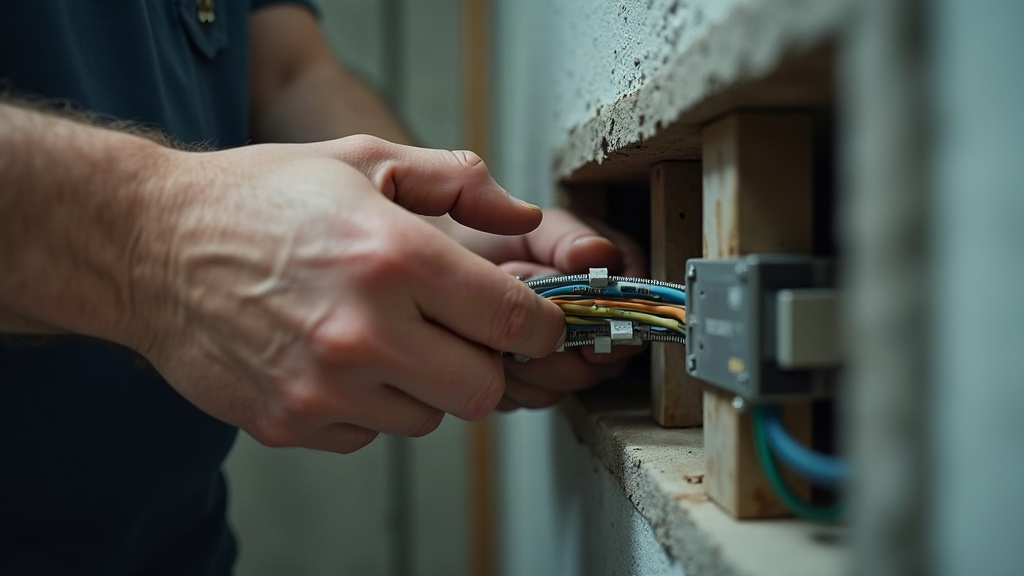
- Pulling wire through conduit with repeated wrist curls under tension
- Carrying heavy pipe or lumber with a pinch grip rather than a full palm grip
Elbow pain in electricians and plumbers often spikes during rough-in phases when wire-pulling and pipe threading happen in high volume for days straight.
Read also: Best Material for Work Socks: What Actually Holds Up
Tool Selection and Grip: The First Line of Defense
Bigger handles mean less grip force. A thicker grip spreads the load across more of your hand, dropping the per-finger stress on your forearm extensors. Ergonomic tool handles aren't a gimmick. They directly reduce the mechanical input that tears tendons.
Switch to a brushless drill if you're still running a brushed motor. Less vibration, less torque spike on the wrist. For screwdrivers used frequently, foam-handle or cushioned versions cut gripping force requirements by a measurable amount.
Quick grip rules to follow
- Keep your elbow slightly bent when gripping tools. A straight-arm grip transfers more shock to the lateral epicondyle.
- Loosen your grip between uses. A white-knuckle default grip all shift is a fast path to tendon damage.
- Use both hands where possible. Split the load.
Braces and Straps: Which Ones Are Worth Wearing on the Clock
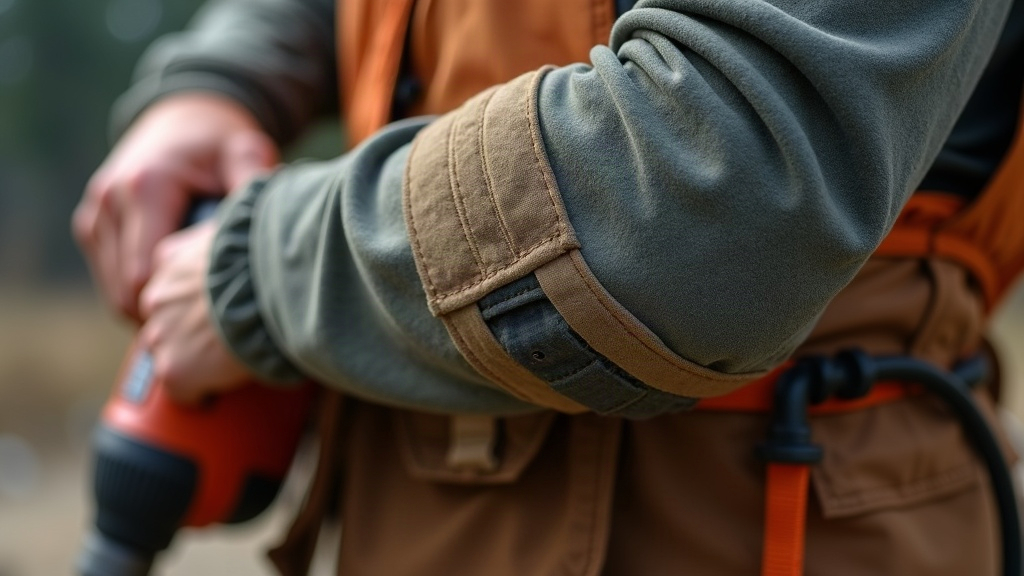
A tennis elbow prevention brace, specifically a forearm strap or counterforce brace, works by applying pressure just below the tendon attachment point. This shifts where the muscle force loads onto the arm, reducing stress at the inflamed spot.
Two types matter for trade workers:
- Counterforce strap (the band worn an inch below the elbow): Best for active use. Stays out of the way, doesn't restrict wrist movement, works with gloves on.
- Full elbow sleeve with lateral pad: Better for recovery days or lighter work. Adds compression and warmth to the joint.
Skip the cheap neoprene wraps with no firm pad. They provide compression but not the counterforce effect that actually offloads the tendon. Budget $20 to $40 for a strap that will hold up on the jobsite.
| Brace Type | Best Use | Jobsite-Friendly? | Price Range |
|---|---|---|---|
| Counterforce forearm strap | Active work, all trades | Yes, fits under gloves | $18, $40 |
| Full elbow sleeve | Recovery, light-duty days | Partially (bulky) | $20, $55 |
| Cheap neoprene wrap | Compression only | Yes, but limited benefit | $8, $15 |
| Anti-vibration gloves | Grinders, jackhammers, saws | Yes, built for it | $25, $70 |
| Rigid elbow brace | Post-injury immobilization | No, restricts movement | $30, $80 |
Anti-vibration gloves for construction deserve their own mention. If you run a grinder, reciprocating saw, or jackhammer regularly, vibration-dampening gel-pad gloves cut the high-frequency shock that travels straight up into the forearm tendons. Combine them with the forearm strap for maximum protection.
Five Exercises That Keep Your Forearm Tendons from Breaking Down
These tennis elbow prevention exercises work best done before your shift or during a break. You don't need a gym. You need a resistance band or a light dumbbell.
1. Eccentric wrist extension
Hold a light weight (two to three pounds), palm down. Raise your wrist with the other hand, then lower it slowly with just the working arm. Three sets of fifteen. This is the number-one exercise for tendon health, period.
2. Reverse wrist curl
Forearm on your knee, palm facing down, curl the weight up slowly. Two sets of twelve. Builds the extensor strength that protects the attachment point.
3. Wrist pronation and supination
Hold a hammer by the end of the handle. Rotate your forearm palm-up to palm-down, slowly. Two sets of fifteen each direction. This one directly mimics the motion that causes the injury.
4. Finger extension with rubber band
Wrap a rubber band around all five fingers. Spread them against the resistance. Twenty reps, twice. Balances the grip muscles and reduces the extensor overload pattern.
5. Forearm stretch
Arm straight out, palm down. Use your other hand to gently pull your fingers toward you. Hold thirty seconds. Do this every two hours on the jobsite.
Work Habits That Cut Your Risk Without Slowing You Down
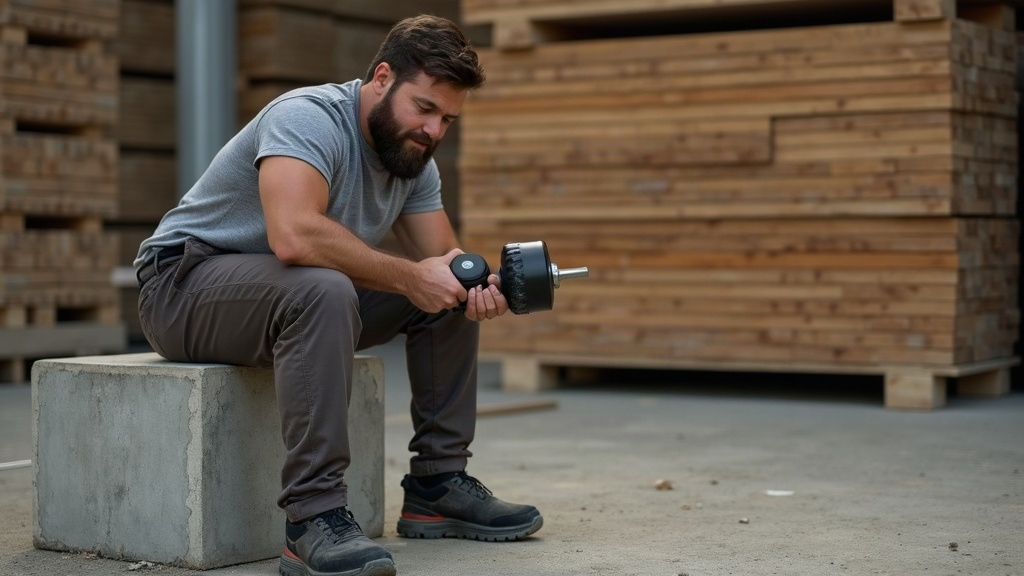
Small changes in how you move add up more than most people expect.
- Switch hands for low-skill tasks when possible. Painters and carpenters can alternate arms on simple strokes.
- Take micro-breaks every 45 to 60 minutes when doing repetitive grip work. Even 90 seconds of rest and stretching makes a measurable difference in tendon recovery.
- Keep your elbow warm in cold weather. Cold tendons are stiffer and more vulnerable. A long-sleeve base layer or elbow sleeve in winter is worth it.
- Pre-load your tendons before heavy work. Three minutes of light eccentric exercises before you pick up a grinder warms up the tissue and reduces injury risk.
Did you know?
Tendons have very low blood supply compared to muscles. That's why they heal so slowly and why consistent low-load exercise (not aggressive stretching) is the only proven way to strengthen them over time without causing more damage.
When to Take Time Off and When to Push Through (Honest Answer)
Here's the real answer, not the liability-dodging one.
Push through when: the pain is a 2 out of 10 or less, it fades within the first hour of work, and you're using a brace and doing your exercises. A mild ache during activity is tolerable if you're managing it correctly.
Stop the specific task when: pain hits 4 or above, it worsens through the day, or you're dropping things because your grip is failing. That's your tendon telling you the load is too high for where it currently is.
See a provider when: pain is sharp at rest, it wakes you up at night, or it's been present and worsening for more than two to three weeks. At that point, you need a proper diagnosis and possibly a corticosteroid injection or PRP treatment to get ahead of it.
Read also: Mens Heavy Duty Work Socks That Last the Full Shift
What Happens If You Ignore It: Surgery, Recovery, and Lost Wages
Most cases of lateral epicondylitis in construction workers resolve with conservative care in six to twelve weeks, if caught early. The guys who tape it and grind through for six months are the ones who end up in surgery.
Tennis elbow surgery (lateral epicondyle release) takes most trade workers six to twelve months to return to full-load work. That's your income, your position, and in some cases your career trajectory.
If you're asking how to cure tennis elbow permanently, the honest answer is this: load management, tendon strengthening, and not letting it get to the point where surgery is the only option. That's it. There's no magic shot or supplement that bypasses that process.
The Short Stack: Your Daily Prevention Checklist for the Trades
Two minutes before your shift. That's all this takes.
- Strap on your forearm band before the first heavy task
- Do 15 eccentric wrist extensions each side with a light weight or resistance band
- 30-second forearm stretch, both arms
- Check your tool grips: thick, cushioned, and not cracked or slippery
- Gloves on if you're running anything with a motor that vibrates
- Set a phone reminder for a 90-second stretch every hour if you're doing repetitive grip work
That's your toolkit. Use it consistently for four weeks and you'll feel the difference. Skip it and you'll feel that difference too, just in a way you won't like.
