


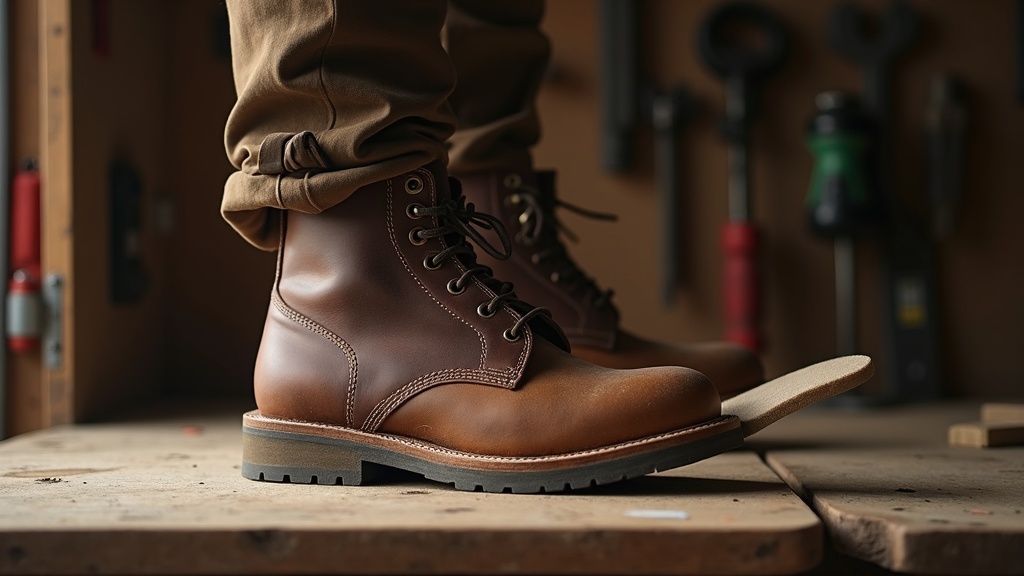
By the time you pull your boots off at 5 PM, your feet feel like you've been standing on concrete slabs. You have been. And the thin foam that came stock in your boots stopped doing anything useful around week three.
Thick insoles for boots are one of the cheapest, fastest fixes a working man can make. But grab the wrong ones and you'll either blow out the heel in two months or end up with boots so tight they cut off circulation. Here's what you need to know before you spend a dime.
Key points at a glance
- Foam and gel insoles solve different problems. Knowing which is which saves you money.
- Thicker is not always better. Past a certain point, you lose fit and support.
- If your boots run big, a thick insole is a legitimate fix, not a workaround.
- Most quality work boot insoles last 6 to 12 months under daily heavy use.
- Cowboy boots need a specific profile. Standard insoles will wreck the fit.
What a good thick insole actually does for you
Why Your Feet Are Shot by Quitting Time (And What's Actually Causing It)
Most work boots are built for durability, not comfort. The factory insole is an afterthought: a thin slab of EVA foam that compresses to near nothing within a few weeks of daily use.
Once that foam bottoms out, you're basically standing on the boot's internal platform. That transfers shock directly up through your heel, ankle, and knee. Over a full shift, that adds up fast.
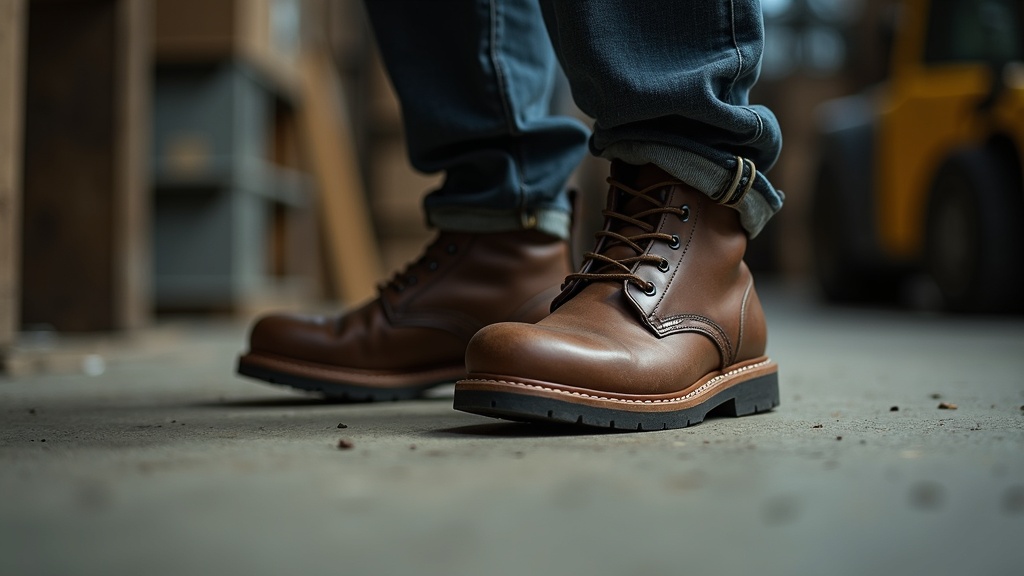
Plantar fasciitis, heel spurs, shin splints, these aren't just athlete problems. They're what happens when a guy stands ten hours a day on bad support for months straight. The fix is often simpler than people think.
Read also: Best Work Boots for Walking All Day: Comfort, Support & Expert Picks
What 'Thick' Really Means: Foam, Gel, and What Each One Does
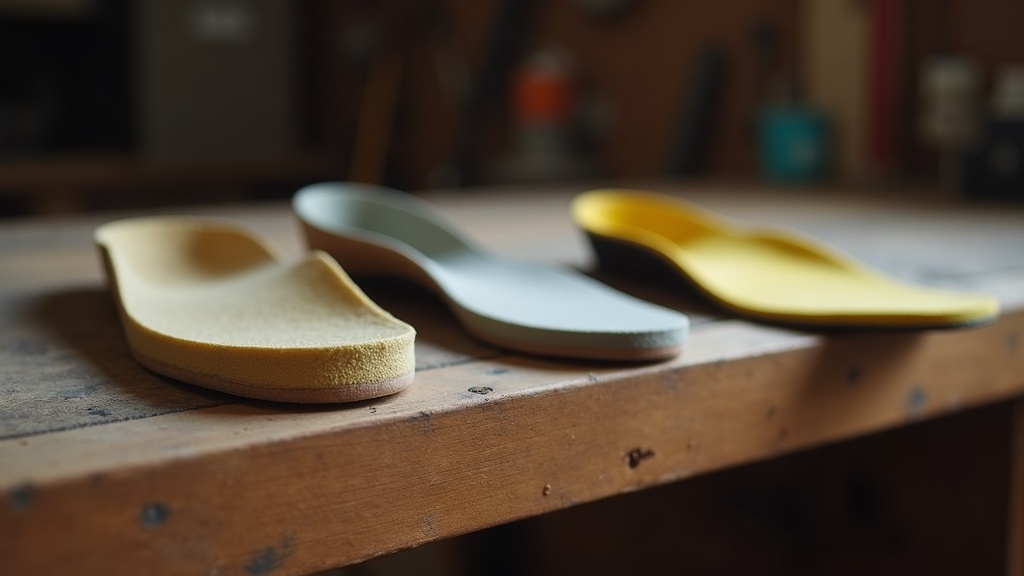
Not all thick insoles are built the same. The material determines what problem it actually solves.
EVA Foam
Lightweight and cheap. Good general cushioning but compresses over time. Fine for lighter-duty work. Not what you want if you're putting in 50-hour weeks on a slab.
Memory Foam
Molds to the shape of your foot. Comfortable for standing but slow to rebound, so it can feel mushy on long shifts. Often combined with a firmer base layer in better insoles.
Gel (Extra Thick Gel Insoles)
Handles impact and vibration better than foam. Extra thick gel insoles work well in boots where you're on hard floors, operating machinery, or on your feet for 10-plus hours. They hold their shape longer than foam alone.
Polyurethane (PU) Foam
Denser than standard EVA. Common in heavy duty work boot insoles because it resists compression better and lasts longer under real load.
Did you know?
The average construction worker takes between 8,000 and 12,000 steps per shift. A worn-out 3mm insole that's lost half its thickness still absorbs measurably less impact than a fresh insole, adding real cumulative stress to the heel and Achilles over a week.
Are Thicker Insoles Actually Better? The Honest Answer
Up to a point, yes. More cushioning material means more impact absorption. But there's a ceiling.
Go too thick and you raise your foot inside the boot. That changes how the heel cup holds you, throws off your ankle stability, and can create pressure points at the top of the foot where the boot closes down. A 6mm to 8mm insole is a solid sweet spot for most work boot setups.
The best thick cushion insoles combine cushioning with structure. A deep heel cup and a firm arch support channel hold your foot in position so the cushioning actually does its job, rather than letting your foot roll and slide around on a soft platform.
How to Pick the Right Thick Insole for Your Boot Type
Boot construction changes what insole works. One size does not fit all.
- Standard lace-up work boots: Most aftermarket insoles are designed around this format. Full-length insoles with heel cups work well here.
- Steel-toe boots: The toe box is already tight. Check the width rating on your insole. A thick insole that runs wide can compress your toes against the cap.
- Cowboy boots: Thick insoles for cowboy boots need a tapered toe profile and a low heel ramp. A standard rectangular insole will bunch up at the front and kill the fit. Look for insoles cut specifically for western boots.
- Rubber-sole waterproof boots: These already run warmer. Prioritize moisture-wicking top fabric on the insole, not just cushion.
| Boot Type | Best Insole Material | Key Feature to Look For | What to Avoid |
|---|---|---|---|
| Lace-up work boot | PU foam or dual-layer gel | Deep heel cup, arch support | Flat gel pads with no structure |
| Steel-toe boot | Medium-density EVA or PU | Narrow or standard width profile | Wide insoles that crowd the toe cap |
| Cowboy boot | Thin gel or slim foam | Tapered toe, western cut profile | Full-length rectangular insoles |
| Waterproof rubber boot | Gel with moisture-wicking top | Breathable fabric layer | Memory foam (holds heat and moisture) |
| Pull-on work boot | Slim PU foam | Anti-slip base to prevent shifting | Thick insoles that make entry difficult |
Thick Insoles When Your Boots Run Too Big
Half a size too big is a real problem. Your heel lifts with every step, which causes blisters, Achilles irritation, and faster boot wear. A thick insole is one of the most practical fixes.
For thick insoles for boots too big, go with a full-length insole that also has volume in the heel cup. This fills the dead space under your foot and behind your heel at the same time. If the boot is a full size big, pair the insole with a thicker work sock to complete the fit.
Read also: Top 5 Methods to Prevent Foot Pain at Work and Expert Advice
Did you know?
A boot that's just half a size too long increases heel slippage by roughly 3 to 5mm per stride. Over a 10-hour shift, that repetitive micro-movement adds up to real friction and tissue stress at the Achilles insertion point.
Top Picks for Thick Work Boot Insoles Worth the Money
These aren't paid placements. These are insoles that show up repeatedly when working guys talk about what actually holds up.
- Timberland PRO Anti-Fatigue insoles: Inverted cone design that returns energy with each step. Holds up well for medium-to-heavy work. Good arch geometry.
- Superfeet GREEN: High-arch option with a hard cap under the heel. Better for guys with high arches or mild plantar fasciitis. One of the longer-lasting options on the market.
- Dr. Scholl's WORK insoles: Budget-friendly, widely available, decent shock absorption for the price. Don't expect them to last past 6 months under serious use.
- Sof Sole WORK: Extra thick gel insoles with good forefoot cushioning. Solid choice for guys who are on their feet but also moving around a lot, not just standing.
- Powerstep Pinnacle: Arch support insoles for boots with a firm shell and cushioned top layer. A go-to for guys dealing with heel or arch pain specifically.
What to Watch Out For Before You Buy
A few things that'll save you from returning a pair after one day.
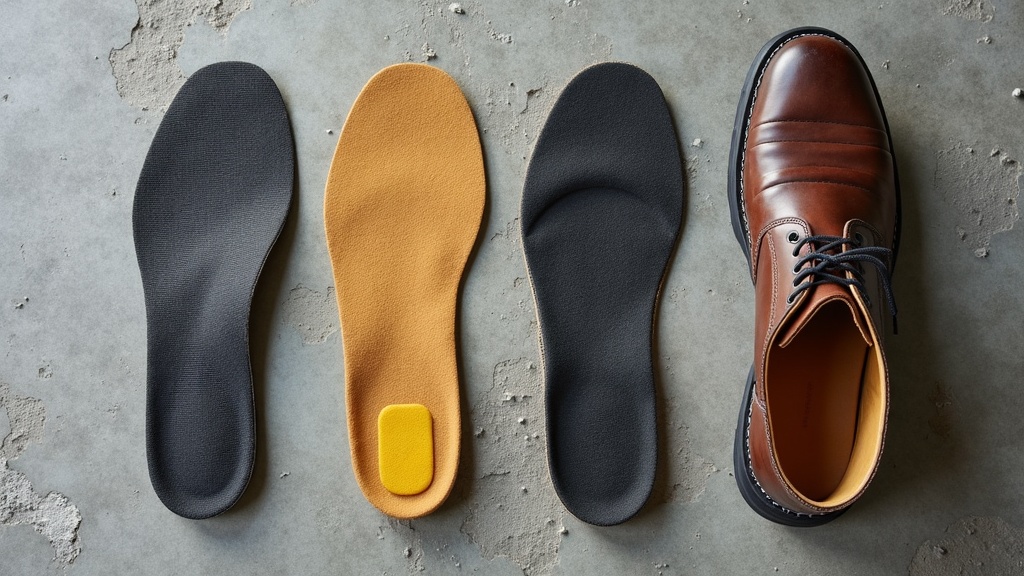
- Check the trim line. Most insoles come in size ranges and need to be cut to fit. Use your factory insole as a template, not the boot itself.
- Moisture-wicking fabric matters. A thick insole that gets soaked and stays wet is a blister machine. Look for perforated tops or moisture-wicking materials if you sweat heavily or work in wet conditions.
- Don't stack insoles. Removing the factory insole before putting in your new one is almost always the right move. Stacking two insoles raises your foot too high and usually ruins the fit.
- Heel cup depth. Shallow heel cups feel fine in the store and terrible after four hours. Look for a heel cup at least 10mm deep if you're dealing with heel pain.
How Long Should a Good Insole Last on the Job
Under daily heavy use, a quality insole should hold its shape for 6 to 12 months. Budget foam options may compress out in 3 to 4 months. PU-based and gel insoles typically last longer.
The easy test: press your thumb into the heel. If it bottoms out in under a second with light pressure, the cushion is gone. Time to replace it before your joints start telling you the same thing.
Replacing insoles twice a year costs $40 to $60. The alternative is joint pain, missed shifts, and eventually a physio visit. The math isn't complicated.
Pick the right insole for your boot type, check the material, replace it before it's dead, and your feet will feel the difference by the end of the first full shift. That's the whole playbook.
