


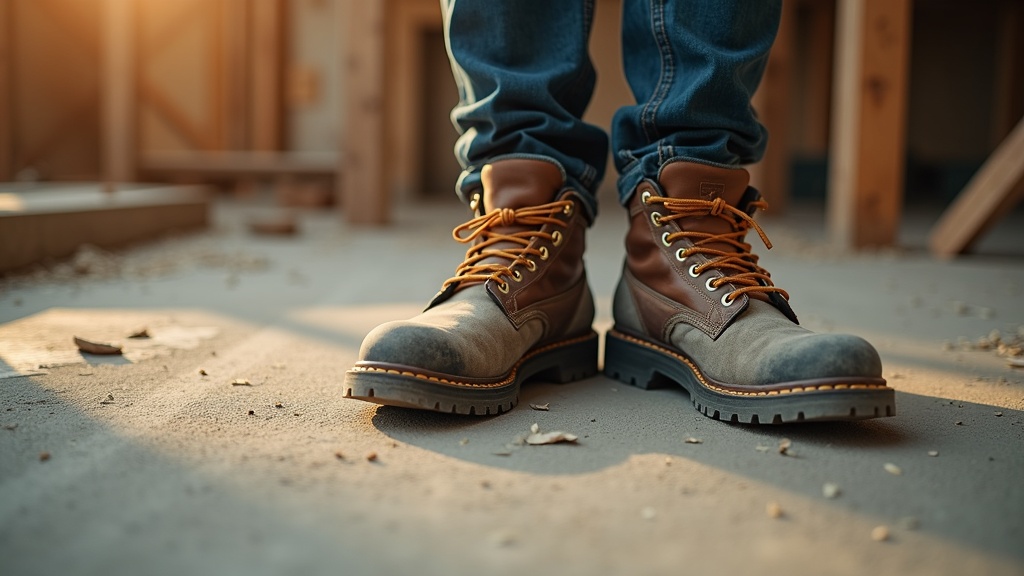
Your feet are locked inside a steel-toe boot for ten hours straight. Heat builds, sweat soaks through, and by the time you pull that boot off at the end of the shift, you already know what's coming. The right sock material is the only thing standing between you and a serious fungal problem.
Two materials dominate the conversation right now: merino wool and bamboo. Both carry antibacterial claims. Both are sold in every work supply store. Only one might actually be right for your conditions.
Key points at a glance
- Merino wool fights odor through natural lanolin and fiber structure, not a chemical treatment that washes out.
- Bamboo viscose has softer initial antibacterial properties but excels at moisture wicking in high-heat environments.
- For antifungal protection on the jobsite, merino wool holds a measurable edge due to its moisture-regulating mechanism.
- Bamboo socks wear down faster inside steel-toe boots, especially at the heel and ball of the foot.
- Season and sweat level matter: bamboo in summer heat, merino in cold or mixed conditions.
- Label reading matters: "bamboo" on a label often means bamboo viscose, which behaves differently than raw bamboo fiber.
What this guide gives you
Why Your Sock Material Matters More Than You Think on the Jobsite
A construction worker's foot sweats roughly half a pint of fluid per day inside a closed boot. That warm, moist environment is exactly where bacteria and fungi thrive. Athlete's foot, toenail fungus, blisters from friction, and persistent foot odor are not inevitable. They're usually the result of the wrong material trapped against your skin all day.
Cotton, the default for most people, holds moisture against your skin instead of moving it away. That's where problems start. Both wool and bamboo improve on cotton, but they do it in different ways and with different tradeoffs.
How Wool and Bamboo Actually Fight Bacteria (The Real Mechanism)
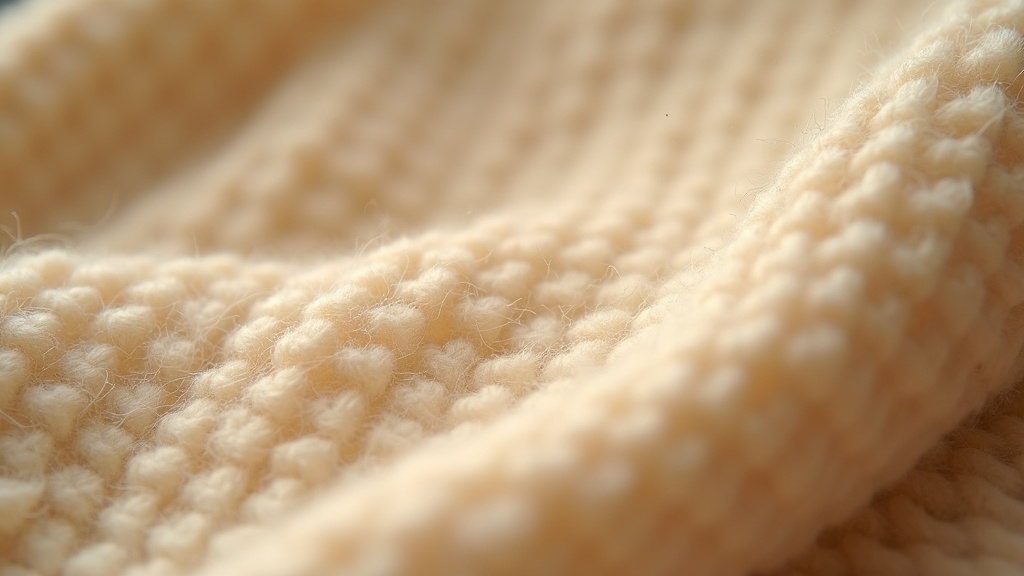
Merino wool works through its physical structure. The fiber's natural crimp and the lanolin present in the wool create an environment where bacteria struggle to multiply. The fiber also absorbs moisture vapor before it reaches liquid state, which keeps the bacterial food source (wet warmth) from building up.
Bamboo viscose, the processed form used in most bamboo socks, contains a compound called bamboo kun. Some research shows it has mild antimicrobial properties. The honest catch: a significant portion of that activity can diminish with repeated washing as the surface structure breaks down.
Did you know?
Merino wool has been worn by mountaineers for multi-day expeditions without washing precisely because its antibacterial properties are structural, not surface-applied. Military testing has confirmed that merino socks retain odor resistance significantly longer than synthetic or cotton equivalents under continuous wear.
Moisture Management Head-to-Head: Wool vs Bamboo Under Load
Wool can absorb up to 30% of its own weight in moisture before it starts to feel wet against your skin. More importantly, it moves water vapor outward through a process called active moisture transport. Your feet stay drier for longer, even during hard physical exertion.
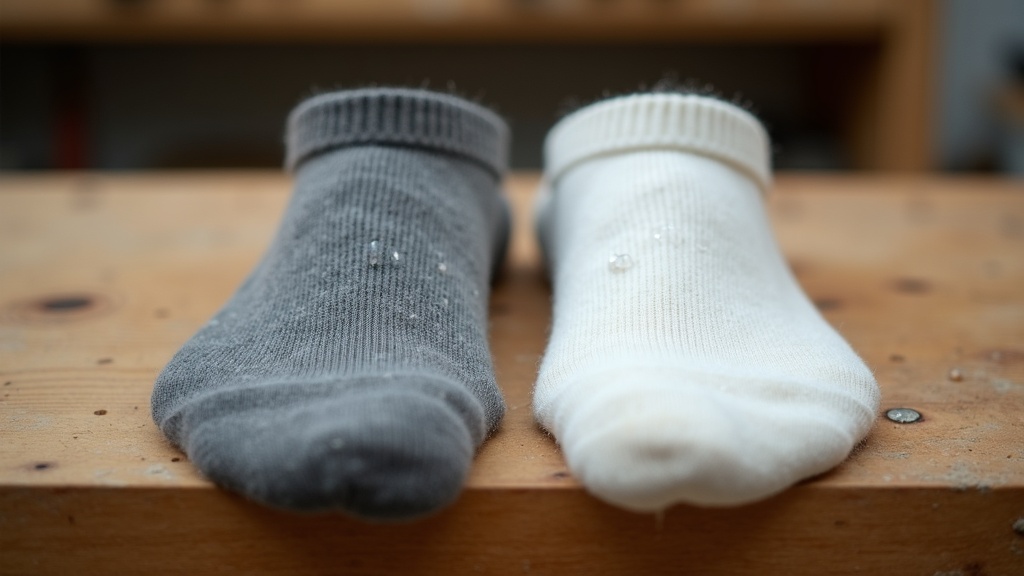
Bamboo viscose wicks moisture fast, faster than wool in a direct sprint. The problem is it saturates sooner. On a job where you're sweating heavily for hours straight, bamboo socks can feel damp by mid-morning. For bamboo socks on sweaty feet in trades work, the sweet spot is hot dry conditions where sweat evaporates quickly, not a sealed boot environment.
Durability Inside a Steel-Toe Boot: Which Fiber Holds Up
Steel-toe boots are rough on socks. The rigid toe cap creates constant friction at the toe box. The heel counter does the same at the back. You need a fiber that can handle that abrasion shift after shift.
Merino wool, especially at lower micron counts (17-19 microns), is softer but also more delicate on its own. Quality work-grade merino socks compensate by blending in nylon or polyester at the heel and toe (typically 15-20%). Pure bamboo socks wear thin faster in these zones. Check the label: if there's no reinforcing synthetic in the high-abrasion areas, the sock will not last a full season of daily trades work.
| Criteria | Merino Wool | Bamboo Viscose |
|---|---|---|
| Antibacterial mechanism | Structural (permanent) | Surface compound (fades with washing) |
| Moisture capacity | Up to 30% of weight before feeling wet | Wicks fast, saturates sooner |
| Odor control (all-day) | Excellent, multi-day capable | Good, degrades over time |
| Durability (steel-toe boot) | High when nylon-reinforced | Moderate, wears thin at toe and heel |
| Hot weather performance | Good (temperature-regulating) | Very good (fast initial wicking) |
| Cold weather performance | Excellent (insulates when damp) | Poor (loses insulation when wet) |
Hot Weather vs Cold Weather: Picking the Right Fiber for Your Season
In summer heat, bamboo viscose socks have a real advantage in the first few hours. They're lightweight, they move sweat away from skin quickly, and they don't feel heavy. If your shift involves outdoor work in dry heat, they're a legitimate option.
Drop into cold weather or wet conditions and bamboo loses its case entirely. Wool insulates even when damp. That is not a marketing line, it's thermodynamics: wool fibers generate a small amount of heat as they absorb moisture through a process called sorption. On a cold pour day or a wet-slab morning, wool is the only sensible choice.
Are Bamboo Socks Really Antibacterial or Just Good Marketing?
This is the question worth asking straight. The short answer: bamboo socks do have some antibacterial properties when new. Multiple independent lab tests confirm that raw bamboo fiber shows genuine antimicrobial activity. The problem is that most "bamboo" socks are made from bamboo viscose, a heavily processed form where the fiber structure is chemically broken down and reformed.
In that process, a meaningful portion of the natural antibacterial compounds is lost. Some brands compensate by adding a silver-ion or other antimicrobial treatment to the finished sock, which is effective but temporary. After 30 to 50 washes, you're mostly wearing a soft synthetic sock with good moisture management and not much else protecting you from bacteria.
Did you know?
The FTC has issued warnings to multiple sock brands for making unsubstantiated antibacterial claims on bamboo products. In 2023, the agency clarified guidelines requiring that antimicrobial claims must be supported by third-party testing specific to the finished product, not the raw material.
The Best Sock Material for Antifungal Protection on the Job
Fungal infections like athlete's foot need three things: warmth, moisture, and darkness. Inside a steel-toe boot, you have all three locked in. Antifungal protection comes down to one thing: how dry can the sock keep your skin across an entire shift.
Merino wool wins this one. Its ability to absorb and hold moisture vapor away from the skin surface, combined with its permanent antibacterial mechanism, makes it the most consistently protective option for antifungal prevention. Bamboo performs adequately in shorter shifts or lower-sweat conditions but struggles over a long, hard day.
What to Look for on the Label Before You Buy
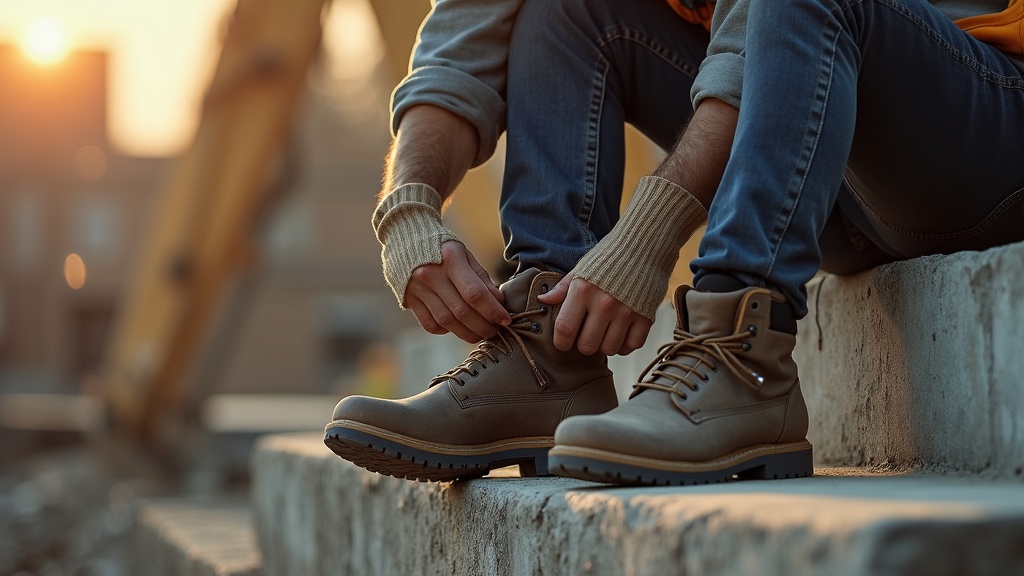
Labels can mislead fast. Here's what actually matters when you're standing in a store aisle.
- Fiber blend percentage: Look for at least 60-70% merino or bamboo. Below that, you're mostly buying a synthetic or cotton sock with a premium label.
- Reinforcement zones: Words like "cushioned sole," "reinforced heel and toe," or a nylon/polyester percentage (15-25%) tell you the sock is built for real wear.
- Micron count for merino: 17.5-21.5 microns is the sweet spot for work socks: soft enough not to irritate, coarse enough to hold up.
- Bamboo viscose vs bamboo lyocell: Lyocell is a cleaner process that retains more of the fiber's natural properties. If you're going bamboo, lyocell is the better choice.
- Third-party antibacterial certification: Look for Oeko-Tex or ASTM E2149 test references. A generic "antibacterial" claim without a standard behind it means nothing.
Bottom Line: Wool, Bamboo, or Both for Your Work Bag
If you work year-round in all conditions and you want one sock that covers you for odor control, antifungal protection, and all-day comfort, a nylon-reinforced merino wool blend is the right answer. It is the best material for work socks across every key metric except initial wicking speed in extreme heat.
If you work hot summers outdoors, sweat heavily, and rotate your socks twice a day anyway, high-quality bamboo lyocell socks are a solid warm-weather pair to keep in the bag alongside merino for the cooler months.
The smartest move for most tradespeople: two to three pairs of reinforced merino for year-round use, plus two pairs of bamboo lyocell for peak summer heat. That rotation protects your feet, your boots, and your money better than betting everything on one fiber.
