


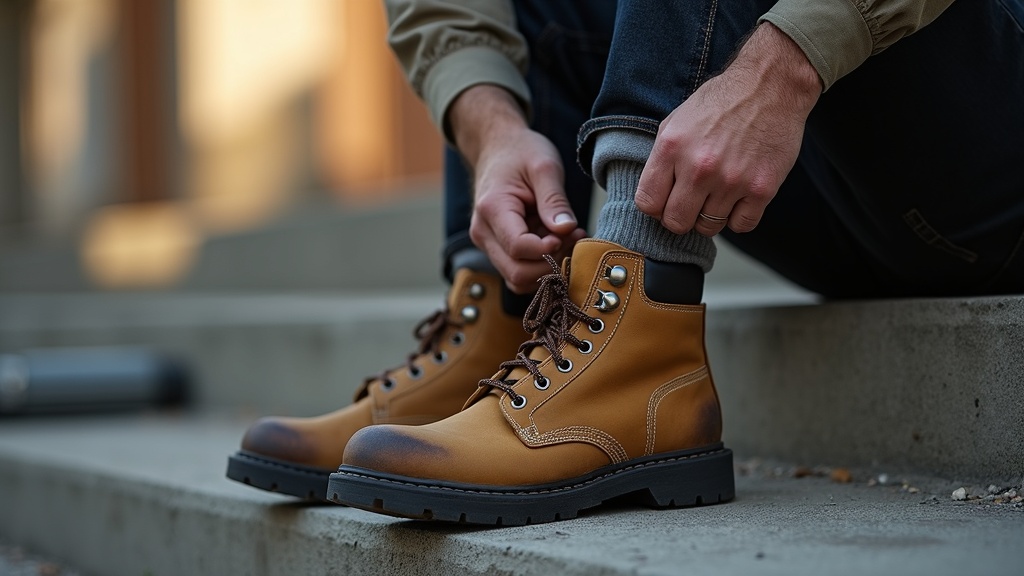
Your boots get replaced every couple of years. Your socks get replaced almost never, and that's a problem. Bad socks mean blisters, sweat, and feet that are wrecked by noon, no matter how good your boots are.
The benefits of wool socks are real, and for trade workers, electricians, welders, and anyone spending eight to twelve hours on a hard floor or a jobsite, the right sock is not a luxury. It's basic equipment.
Key points at a glance
- Wool wicks moisture and controls odor far better than cotton, even after a full shift.
- Merino wool regulates temperature, making wool socks a smart choice in both summer heat and winter cold.
- Wool socks outlast cotton significantly when washed properly, making them worth the higher upfront cost.
- Modern merino blends are not itchy for most people, especially compared to older-style coarse wool.
- Wool has real disadvantages too: price, wash care, and some wear patterns that need managing.
- Fit, weight, and fiber percentage all matter when picking a work sock that holds up in boots.
Why Wool Works on the Job
Why Your Socks Matter More Than You Think (Especially on a 10-Hour Shift)
Every hour you stand on concrete, your feet compress the padding in your socks. By hour four, a thin cotton sock is flat, damp, and starting to bunch. That bunching causes hotspots, and hotspots become blisters.
A blister on your heel doesn't sound serious until you're limping through hour nine of a twelve-hour pour. Foot comfort is directly tied to how well you work and how beat-up your body feels at the end of the day. Most guys don't make the connection until they try something better.
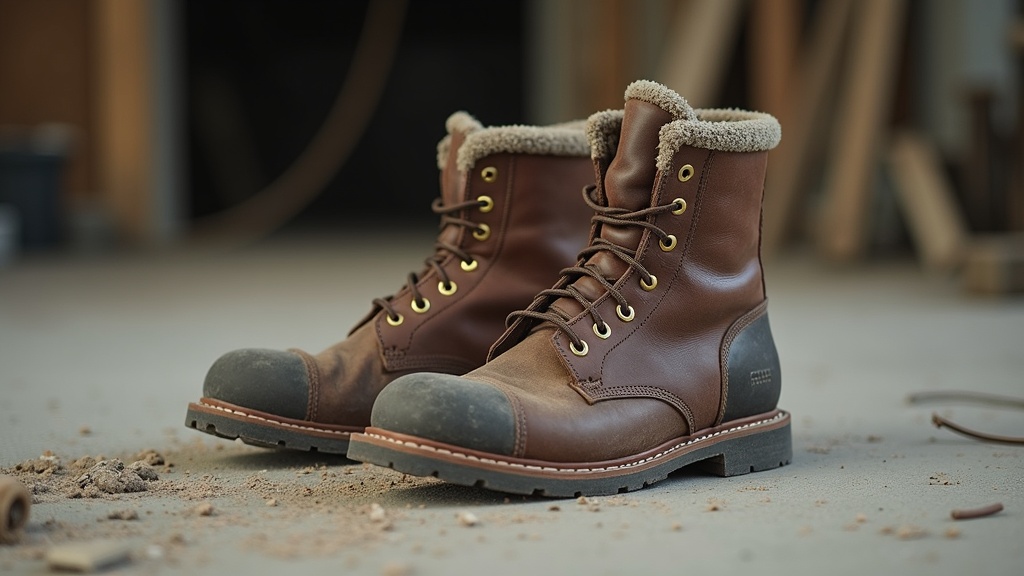
The Real Benefits of Wool Socks for Workers on Their Feet All Day
Here's what wool actually does, in plain terms:
- Moisture wicking: Wool fibers absorb up to 30% of their weight in moisture without feeling wet against your skin. Cotton holds that moisture right against you.
- Odor resistance: The lanolin in wool naturally inhibits the bacteria that cause foot odor. You can wear a merino sock two days in a row and most guys won't even notice.
- Temperature regulation: Wool traps air in its fiber structure. That air insulates in the cold and breathes in the heat, keeping your foot at a steadier temperature than synthetic blends.
- Cushioning that holds up: A quality wool work sock keeps its loft through a full shift. Cotton flattens out. That extra cushion matters when you're standing on steel decking or a concrete slab all day.
- Reduced blister risk: Drier skin and a sock that stays in place both reduce friction. Friction is what makes blisters.
Check out our guide: Can Diabetics Wear Steel Toe Shoes? Here's What You Need to Know
Did you know?
Merino wool fibers measure 17 to 24 microns in diameter. Human hair averages around 70 microns. That fineness is why merino feels soft against skin instead of scratchy, and it's what separates it from traditional coarse wool.
Wool vs. Cotton: What Actually Happens Inside Your Boot After Hour Four
Cotton is comfortable for the first two hours. Then your feet start sweating, the cotton soaks it up, and the sock becomes a damp compress wrapped around your foot for the rest of the shift.
Wet cotton loses nearly all its insulating ability. It also stays wet, which softens skin and makes it far more prone to blisters and hotspots. Wool, even when damp, keeps its structure and continues to insulate.
| Feature | Wool (Merino) | Cotton | Synthetic Blend |
|---|---|---|---|
| Moisture wicking | Excellent | Poor (holds moisture) | Good |
| Odor resistance | Natural, high | Low | Low to moderate |
| Temperature control | Summer and winter | Summer only | Varies by blend |
| Durability | High (with care) | Moderate | High |
| Cost per pair | $15 to $30+ | $3 to $10 | $8 to $20 |
| Blister risk (long shift) | Low | High | Moderate |
Do Wool Socks Work in Summer, or Are They Just for Winter?
This is the most common question, and the honest answer is: yes, thin merino wool socks work well in summer heat. The same fiber structure that insulates in cold also breathes in warm conditions. It's not magic, it's physics.
A lightweight merino sock (roughly 150 to 200 gsm) worn inside a work boot in July will keep your feet cooler and drier than a mid-weight cotton sock. The key word is lightweight. Don't wear your heavy winter hiking socks in August and blame the wool.
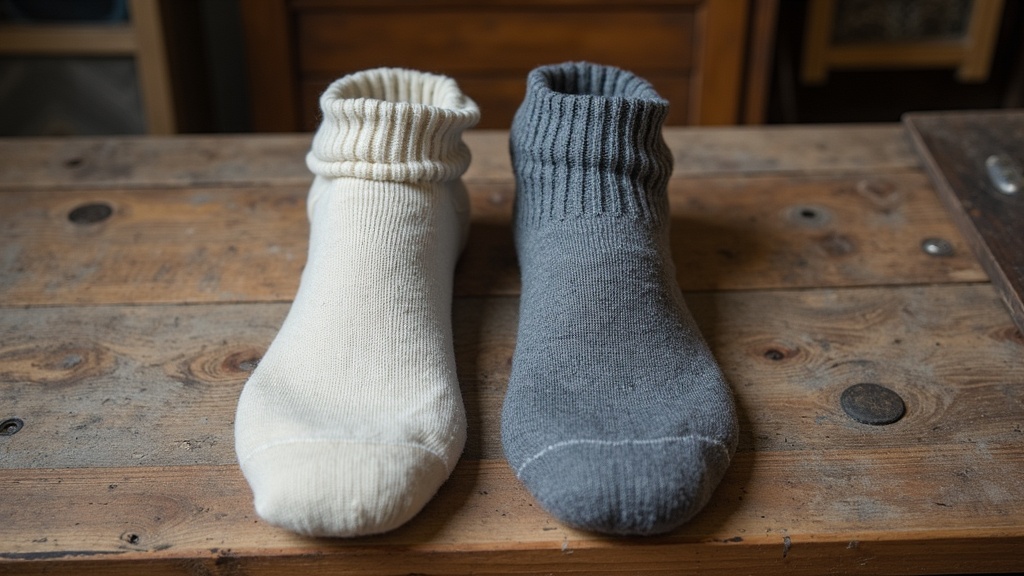
Are Wool Socks Itchy? The Honest Answer for Guys Used to Regular Work Socks
Old-school wool: yes, it could itch. The coarse fibers used in cheap wool blankets and grandpa's hunting socks were stiff enough to irritate skin.
Modern merino wool is a different animal entirely. The fibers are fine enough to bend rather than poke, and most people who try quality merino for the first time say they can't feel the difference between it and a soft synthetic. The small percentage of people who are genuinely sensitive to wool fiber still exist, but they're rare.
If you've tried a cheap wool-blend sock and had issues, try a sock with at least 60% merino from a reputable brand before writing it off.
Did you know?
The itch threshold for wool is around 30 microns. Fibers above that diameter will feel prickly on most people's skin. Premium merino socks stay well under that threshold, typically between 17 and 22 microns.
What Are the Disadvantages of Wool Socks? (No Sugarcoating Here)
Wool socks have real drawbacks, and you should know them before you spend the money.
- Price: A good merino work sock costs $15 to $30 a pair. A six-pack of cotton work socks costs the same. That upfront gap is real.
- Wash care: Most merino socks should not go in a hot dryer. High heat shrinks and felts the fibers. Cold wash, low or air dry. That's a habit change some guys don't want to make.
- Pilling: Lower-quality merino blends will pill at the heel and ball of the foot. Look for reinforced zones when buying.
- Slower drying: Wool holds moisture longer than synthetics when fully saturated, even though it manages light sweat well. If you're soaking your socks in a river crossing or working in standing water, synthetic is faster to dry.
Check out our guide: Can Work Boots Cause Achilles Tendonitis? Honest Answer and Expert Advice
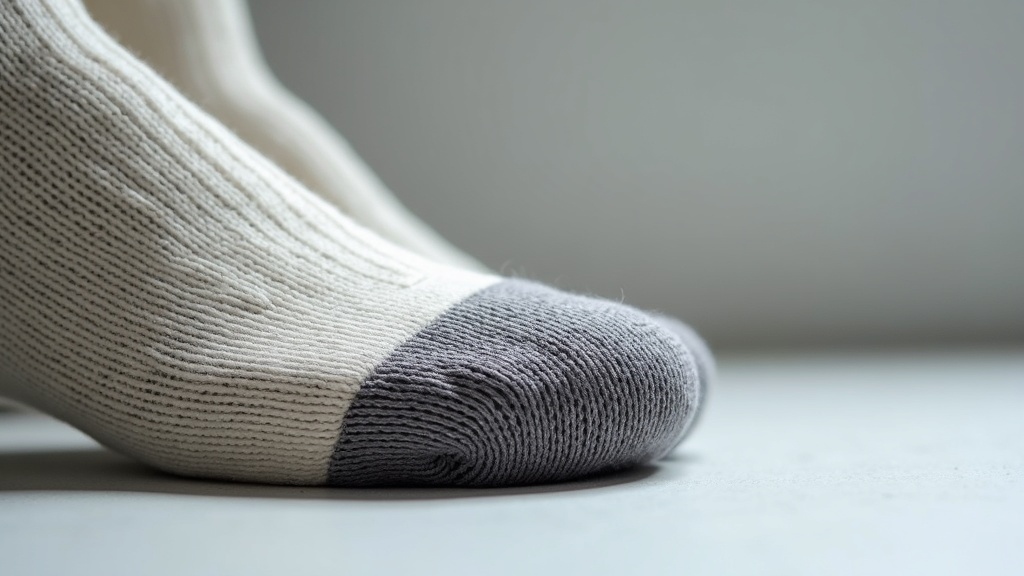
How Often Should You Wear Wool Socks, and How Long Do They Last?
Wear them every working day if you want. Merino's natural odor resistance means you can get two wears out of a pair before washing, which extends the life of the sock and makes a smaller rotation stretch further.
Washed properly, a quality merino work sock lasts two to four years with regular use. Cotton work socks typically go six to twelve months before the heel or toe blows out. The math on cost-per-wear works out in wool's favor most of the time.
What to Look for When You Buy Wool Work Socks (Without Wasting Your Money)
Not every wool sock is worth what they're charging. Here's what actually matters:
- Fiber content: Look for at least 50 to 60% merino wool. Lower percentages mean the benefits shrink fast.
- Reinforced zones: Heel, toe, and ball of foot should have a denser weave or nylon reinforcement. This is where socks fail first.
- Sock height: For work boots, a crew or mid-calf height protects your ankle and prevents boot rub. Ankle-cut socks have no business inside a 6-inch boot.
- Weight class: Light (summer, warm environments), medium (year-round general use), and heavy cushion (cold climates, standing on hard floors all day). Match to your work conditions.
- Fit: A sock that slips inside your boot creates friction points. A snug fit with no excess fabric is what you want.
Start with two or three pairs and rotate them through your workweek. Wash cold, air dry, and give them a month before you judge. Most guys who make the switch don't go back.
