


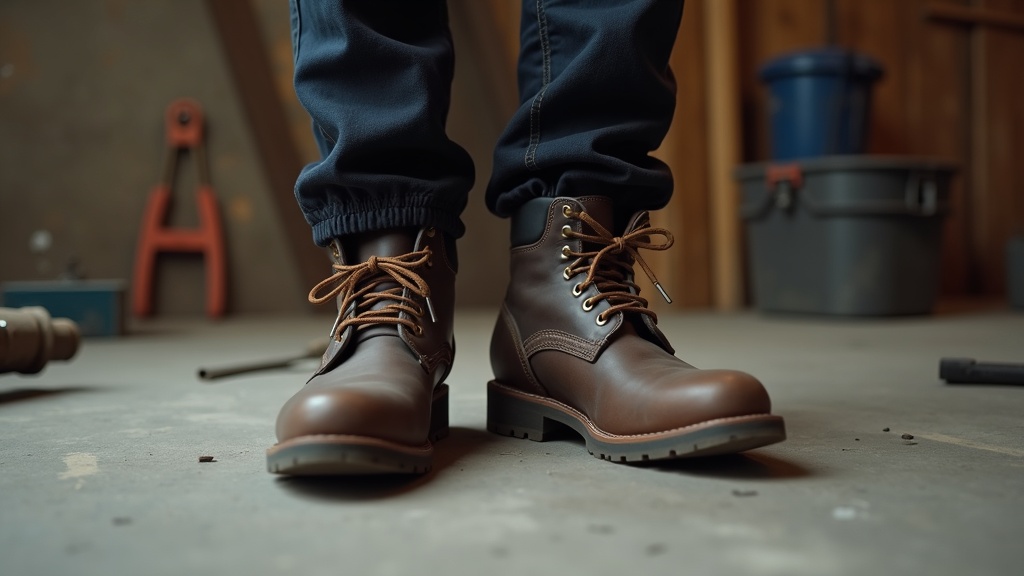
Your feet take a beating every single shift. Eight hours, ten hours, twelve, on concrete, in boots, carrying weight. The wrong socks don't just make you uncomfortable, they wreck your feet by hour four.
This guide is built for people who work for a living. We looked at what holds up in real conditions, what Reddit workers actually recommend, and what materials back their claims with science. Here's what's worth your money.
Key points at a glance
- Cushion level and sock height matter more than brand name for all-day comfort
- Moisture-wicking fabric is non-negotiable if your feet sweat heavily on the job
- For boots, you need at least a crew height and a reinforced heel and toe
- Merino wool outperforms cotton in nearly every work condition, hot or cold
- Quality work socks should last 6 to 12 months of daily use before replacement
- Women in trades need specific fits, not just smaller versions of men's socks
What Good Work Socks Actually Do For You
What Makes a Black Work Sock Worth Buying (And What Kills Your Feet by Noon)
Three things kill a work sock fast: thin cushioning, bad moisture management, and cheap elastics that blow out at the heel. You feel all three by midday.
Cushioning matters most at the heel and ball of the foot. That's where impact concentrates when you're on concrete. A flat sock with no padding is basically wearing nothing inside a boot.
Moisture is the second problem. Wet feet blister. Wet feet smell. Wet feet lead to fungal issues if you're in the same boots every day. Cotton holds sweat against your skin. That's why cotton socks on a long shift are a mistake.
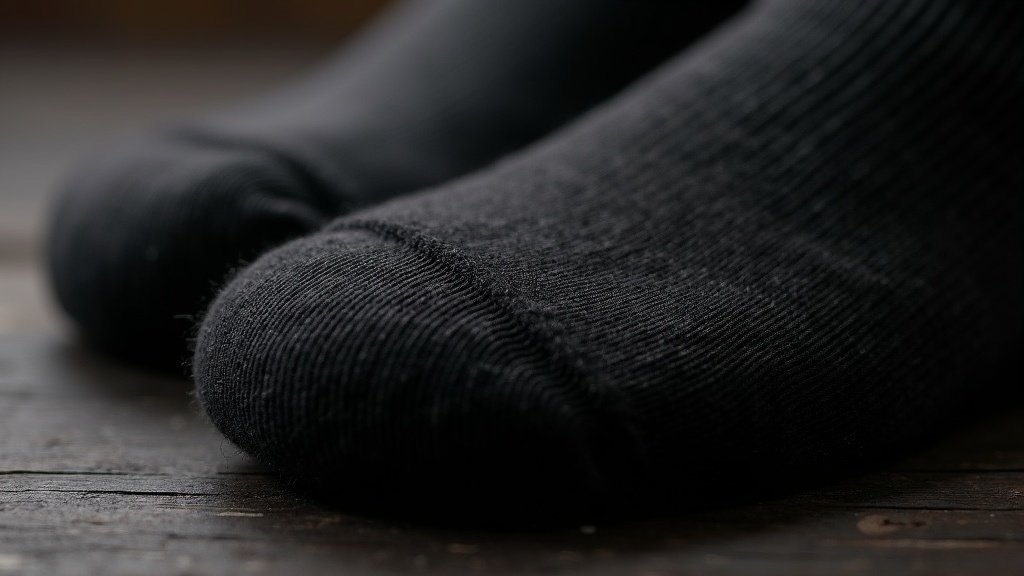
Best Black Socks for Work: Top Picks by Trade and Use Case
Different jobs punish socks differently. A nurse on tile floors needs different cushioning than an ironworker in steel-toe boots.
Healthcare and retail workers
- Darn Tough Vertex No-Show Tab: Thin enough for sneakers, lifetime guarantee, merino wool base
- Bombas All-Purpose Performance Crew: Good arch support, consistent sizing, holds up well through repeated washing
Construction and trades
- Carhartt All-Terrain Boot Sock: Heavy cushioning, over-the-calf option available, reinforced heel and toe
- Wigwam Steel Toe Boot Sock: Dense terry cushioning, built specifically for lug-sole boot environments
Warehouse and logistics
- Darn Tough Hiker Boot Midweight: Midweight cushion, merino wool, excellent odor resistance across back-to-back shifts
- Smartwool PhD Work Heavy Crew: Targeted cushioning zones, stays in place without bunching inside safety boots
Did you know?
Merino wool fibers can absorb up to 35% of their dry weight in moisture before they feel wet to the touch. That's roughly four times more capacity than synthetic polyester, and it explains why merino socks stay comfortable deep into a long shift when synthetics have already soaked through.
Best Black Socks for Standing All Day (10 to 12-Hour Shifts)
If you're on your feet for a 12-hour shift, cushion thickness and arch compression are the two specs you care about most. Thin socks compress flat by hour three. A proper midweight or heavyweight sock stays lofted.
Look for a defined arch band woven into the sock, not just elastic at the top. That band reduces foot fatigue by holding the arch in position as muscles tire.
Top picks for marathon shifts: Darn Tough Hiker Boot Midweight, Carhartt All-Terrain Boot Sock, and Smartwool PhD Work Heavy Crew. All three show up repeatedly on work-focused Reddit threads (r/nursing, r/construction, r/Flipping) as go-to choices for people logging serious hours.
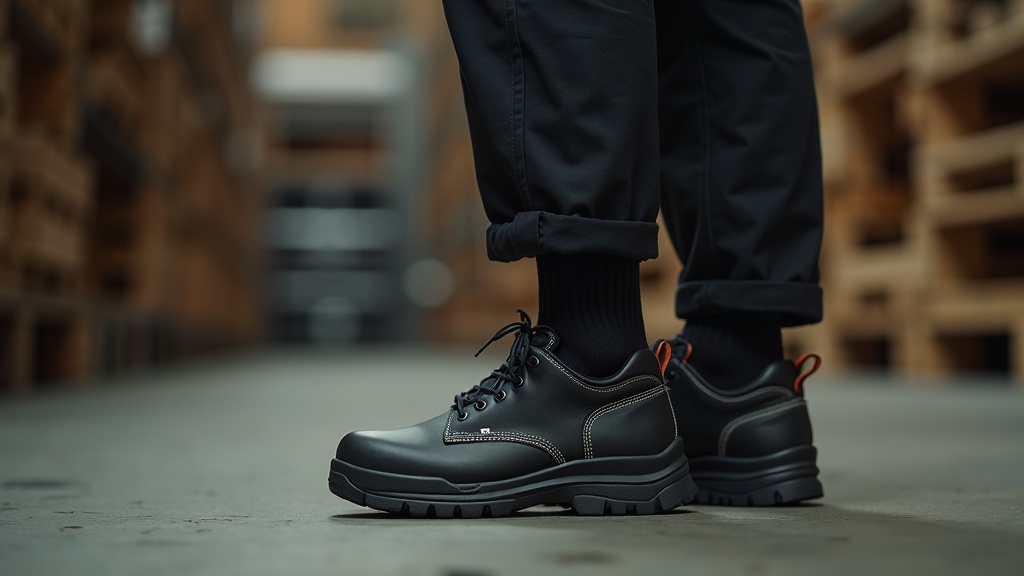
Best Black Socks for Sweaty Feet on the Job
If your boots smell like a locker room by noon, the fix starts with the sock, not a spray. You need moisture-wicking fiber that pulls sweat away before it pools.
Merino wool is the top performer here. It wicks, it resists odor naturally (lanolin in the fiber inhibits bacterial growth), and it regulates temperature. CoolMax polyester and Tencel blends are solid synthetic alternatives for workers who run hot and need faster-drying fabric.
Avoid anything that lists cotton above 20% in the blend if sweaty feet are your main problem. Cotton absorbs and holds. That's the opposite of what you want.
Did you know?
The average person's foot has around 250,000 sweat glands and can produce up to half a pint of sweat per day. In an enclosed work boot for a 12-hour shift, that moisture has nowhere to go without a wicking fiber layer to move it away from the skin.
Best Heavy-Duty Black Work Socks for Boots
Boot socks have one extra job: protect the leg from the boot shaft. A low-cut sock inside a work boot is a recipe for blisters on the Achilles and ankle bone. Minimum crew height. Over-the-calf if you're in tall logger or lineman boots.
Reinforced heel and toe panels are essential. That's where boot socks fail first, the toe box wears through from the steel cap friction, and the heel thins out from the boot counter.
- Carhartt Force Midweight Crew: Built for boot use, reinforced zones, stays up without slipping
- Wigwam Heavy Duty Boot Sock: Dense terry loop cushioning, ideal for rugged terrain or ladder work
- Darn Tough Vermont Boot Midweight: Unconditional lifetime guarantee, merino wool, holds shape after 200+ washes
| Material | Moisture Wicking | Durability | Best For |
|---|---|---|---|
| Merino Wool | Excellent + odor resist | High (nylon blend) | All-day shifts, sweaty feet, boot use |
| CoolMax Polyester | Very good, dries fast | Medium-High | Hot environments, active jobs |
| Nylon Blend | Good | Very High | Heavy-duty boot environments |
| Cotton | Poor (holds moisture) | Low | Avoid for work use |
| Bamboo Blend | Good, soft on skin | Medium | Light-duty, sensitive skin |
Best Black Work Socks for Women in the Trades
Women working trades, healthcare, warehousing, and food service have one consistent complaint: men's socks in a women's size don't fit right. The heel pocket sits wrong, the arch band lands in the wrong place, and the toe box bunches.
Socks built on a women's-specific last solve this. The heel and toe proportions match actual female foot geometry, which matters a lot when you're on your feet all day.
- Darn Tough Women's Hiker Boot Midweight: Women's-specific fit, same construction quality as the men's version
- Smartwool Women's PhD Work Crew: Targeted cushion zones sized for women's foot proportions
- Bombas Women's Merino Wool Calf Sock: Clean black colorway, strong arch support, machine washable
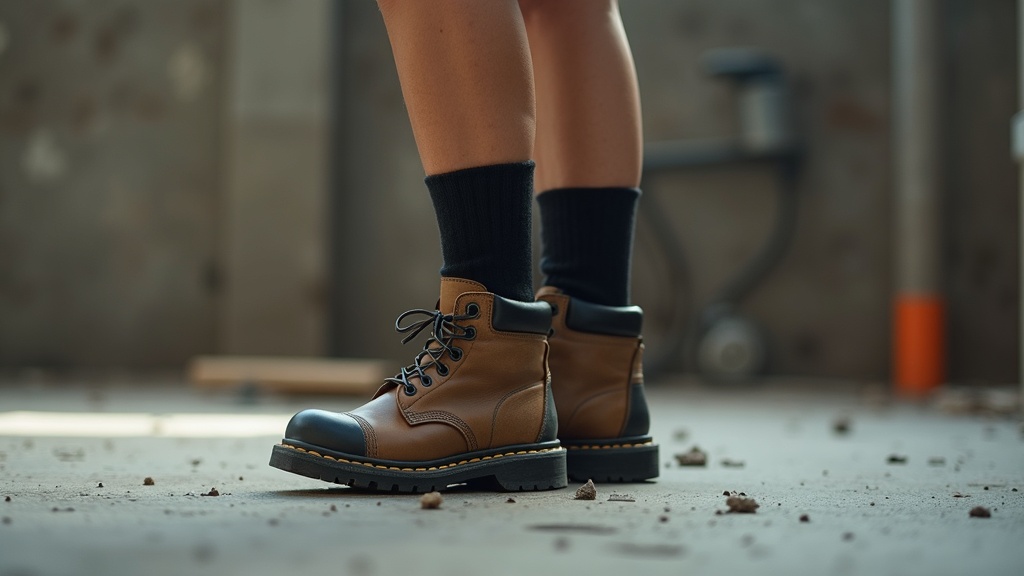
How to Pick the Right Pair: Cushion, Height, Material Breakdown
Cushion level
- Light cushion: Good for sneakers or low-profile shoes, not ideal for concrete all day
- Midweight cushion: The sweet spot for most work environments, heel and ball padding without bulk
- Heavyweight cushion: Right for rugged boot use, outdoor work, cold conditions
Sock height
- No-show/ankle: Sneakers and clogs only. Never in a work boot.
- Crew (mid-calf): Standard for most work boots, protects the ankle from the boot shaft
- Over-the-calf: Best for tall boots, logging, linework, or cold-weather outdoor jobs
How Long Should Work Socks Last, and When to Replace Them
A quality work sock worn five days a week should last 6 to 12 months before you feel cushion breakdown. Budget socks often go flat in 8 to 12 weeks. The math usually favors spending $20 to $25 per pair once instead of $6 every two months.
Replace when you feel thinning at the heel or ball, when the elastic no longer holds the sock up by midday, or when the toe or heel fabric shows visible wear-through. Don't push past that point. A worn-through heel creates friction and blisters fast.
Darn Tough's unconditional lifetime guarantee is worth mentioning here specifically: you mail back worn-out pairs and they replace them free. It's a real policy, not a gimmick, and it changes the actual cost-per-wear math significantly.
Straight Answers to Common Questions About Black Work Socks
A few things workers ask about regularly, answered plainly.
Black vs. white for work: Black hides dirt and grease, which matters in most trade environments. Performance is identical if the material and construction are the same. Pick black and stop thinking about it.
Two pairs per day vs. one: If you sweat heavily, swapping to a fresh dry pair at the midpoint of a 12-hour shift prevents more blisters than any single sock upgrade. Carry a spare pair in your bag.
Machine wash vs. hand wash: Quality merino and nylon blends handle machine washing fine on cold or warm. Hot water breaks down elastic and shrinks merino. Flip them inside out, cold wash, air dry or low tumble. That alone doubles sock life.
Reddit consensus on best work socks: Across r/nursing, r/Construction, r/HVAC, and r/Welding, Darn Tough and Smartwool come up most consistently. Carhartt gets strong marks for value. Bombas gets solid reviews for healthcare workers specifically. Cotton tube socks get called out every time as the thing people stopped wearing once they knew better.
