



You land after nine hours in a middle seat, stand up, and your legs feel like two bags of wet cement. That's not just discomfort. That's fluid pooling in your lower legs because cabin pressure and zero movement slowed your circulation to a crawl.
The right compression socks for women travel fix that problem before it starts. Here's what actually works, what's a waste of money, and when to put them on.
Key points at a glance
- 15-20 mmHg is the sweet spot for most travelers: firm enough to work, comfortable enough to wear all day.
- Put them on before you leave for the airport, not after you board.
- Wide-calf options exist and they fit without digging into your leg.
- Bombas and Sockwell lead on comfort; Go2Socks wins on value.
- Some health conditions mean compression socks are off the table entirely.
- Wash them by hand or cold cycle to keep the elasticity past trip three.
What good compression socks deliver
Why Your Legs Hate Long Flights (And What Compression Actually Does)
Sitting still for hours with your knees bent and cabin pressure hovering around 6,000-8,000 feet equivalent slows venous return. Blood and lymph fluid drift toward your ankles and stay there.
Compression socks apply graduated pressure, tightest at the ankle and easing up toward the calf. That gradient pushes fluid back up toward your heart instead of letting it pool. It's the same principle behind the medical-grade stockings nurses wear for 12-hour shifts.
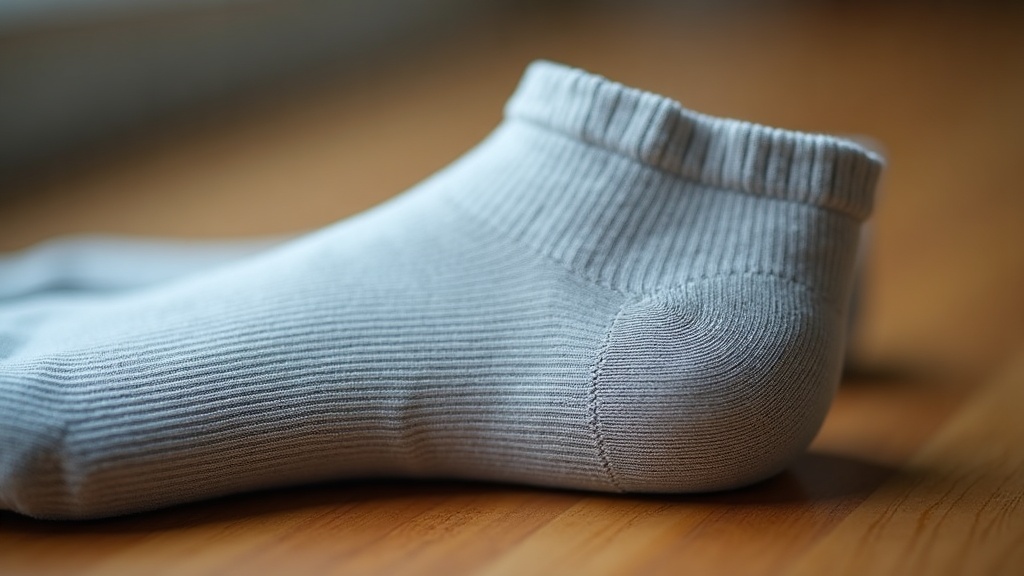
What to Look For Before You Buy: mmHg, Fit, and Material
Compression level (mmHg)
mmHg stands for millimeters of mercury, the same unit used for blood pressure. For travel, you want 15-20 mmHg. Below that, you're basically wearing a fancy sock. Above 20-30 mmHg starts to move into medical territory and usually requires a doctor's input.
Fit
Measure your calf circumference and ankle circumference before buying. A sock that's too small cuts off circulation. One that's too big does nothing useful. Both outcomes are worse than not wearing any.
Material
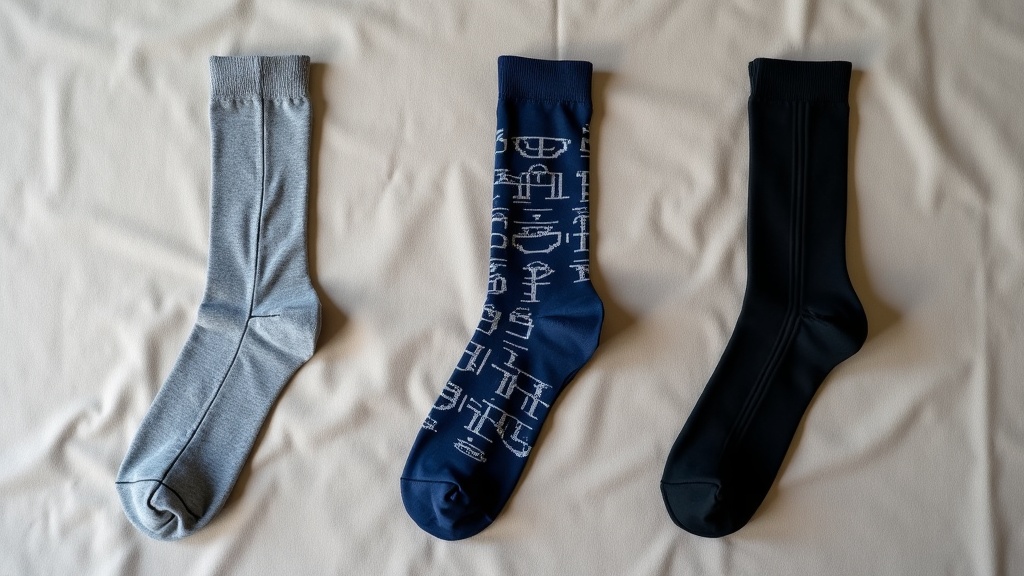
Merino wool manages temperature and odor on multi-day trips. Nylon-spandex blends are thinner and easier to pack. Avoid 100% cotton: it holds moisture and loses elasticity fast.
Did you know?
A 2016 Cochrane review of 10 randomized trials found that compression stockings significantly reduced the risk of deep vein thrombosis (DVT) in airline passengers on flights of 7 hours or more. Symptom-free DVT dropped from about 10% to under 2% in sock wearers.
Best Compression Socks for Women Travel: Our Top Picks
These aren't ranked by affiliate payout. They're ranked by what holds up across multiple trips, multiple wash cycles, and real-world feedback from frequent flyers.
1. Sockwell Circulator (Best Overall)
Merino wool and bamboo blend. 15-20 mmHg. Regulates temperature well enough for a red-eye to Europe and a full day of walking. The toe seam is flat and doesn't raise a hot spot. Around $30 a pair.
2. Bombas Compression Socks Travel Women (Best Comfort)
Bombas built their reputation on cushioning and they deliver it here. The honeycomb arch support actually does something. Available in solid colors and subtle patterns that don't scream medical supply store. Around $28-$35.
3. Physix Gear Sport Compression Socks (Best for Active Travel)
If you're landing and going straight to a hike or a long city walk, Physix Gear holds its shape under real pressure. Nylon-spandex construction, dries fast, packs flat. Around $18-$22.
| Sock | mmHg | Material | Price range |
|---|---|---|---|
| Sockwell Circulator | 15-20 | Merino / bamboo | ~$30 |
| Bombas Compression Travel | 15-20 | Nylon / spandex | $28-$35 |
| Physix Gear Sport | 20-30 | Nylon / spandex | $18-$22 |
| Go2Socks | 15-20 or 20-30 | Nylon / spandex | $14-$18 |
| CEP Travel Compression | 15-20 | Polyamide / elastane | $40-$50 |
Best Budget Option: Go2Socks vs. the Pricier Brands
Go2Socks runs about $14-$18 a pair. At that price, you're not getting merino wool or lifetime guarantees. What you are getting is a solid 15-20 mmHg compression level that actually holds its pressure for the first dozen washes.
Compared to Bombas or CEP, they're thinner and less cushioned. If you're flying once a month, invest in Sockwell or Bombas. If you're taking two trips a year and want a backup pair, Go2Socks earns its place in the bag.
Wide Calf? Here's What Fits Without Cutting Off Circulation
Most standard compression socks cap out around a 15-inch calf circumference. For anyone above that, the elastic at the top bands into the leg and causes exactly the problem you're trying to prevent.
Look specifically for socks labeled wide calf or XL/2XL with a calf measurement listed on the packaging. Brands that get it right for the best compression socks for flying wide calf category:
- SB SOX Compression Socks: goes up to 20-inch calf, no banding, consistent pressure throughout.
- CHARMKING Wide Calf: inexpensive, available in multipacks, holds up reasonably well for the price.
- Sockwell Circulator in XL: the merino blend has more natural stretch, so it accommodates without compressing where it shouldn't.
Did you know?
Calf circumference varies more than shoe size. A woman who wears a size 8 shoe can have a calf anywhere from 12 to 20+ inches. Buying compression socks based on shoe size alone, without checking calf measurements, is one of the most common reasons they don't work.
When to Put On Compression Socks for Flying (Timing Matters)
Put them on before you leave for the airport, not at the gate. By the time you've walked through a terminal, waited at security, and sat at the gate, fluid has already started to shift if your circulation is sluggish.
Keep them on through the flight and for at least an hour after landing. If you're changing flights, leave them on for the layover too.

Who Should Skip Compression Socks on a Flight
Compression socks are not for everyone. Do not use them if you have peripheral artery disease, severe peripheral neuropathy, or any skin condition that makes pressure on the leg dangerous. These are not rare edge cases.
If you have diabetes with reduced sensation in your feet or legs, talk to your doctor before wearing any compression garment on a flight. The same goes for anyone who has had a skin graft on their lower leg.
How to Make Them Last More Than a Few Trips
Compression fabric is elastic. Elastic breaks down with heat. That's the whole story.
- Wash cold or hand wash in cool water.
- Skip the dryer entirely. Air dry flat or hang them.
- Don't wring them out hard. Press the water out gently.
- Replace them every 4-6 months of regular use, or when they no longer feel firm at the ankle.
A $30 pair that lasts a year beats a $15 pair you replace every three months. That's basic math and it applies here just like anywhere else.
Your pre-flight checklist
- Measure your calf and ankle before ordering. Don't guess.
- For flights under 4 hours: 15-20 mmHg is plenty.
- For flights over 7 hours: same range, but prioritize a merino or moisture-wicking blend.
- Wide calf? Check the sizing chart, not just the shoe size guide.
- Pack a second pair for the return flight. They've done a day's work by then.
