


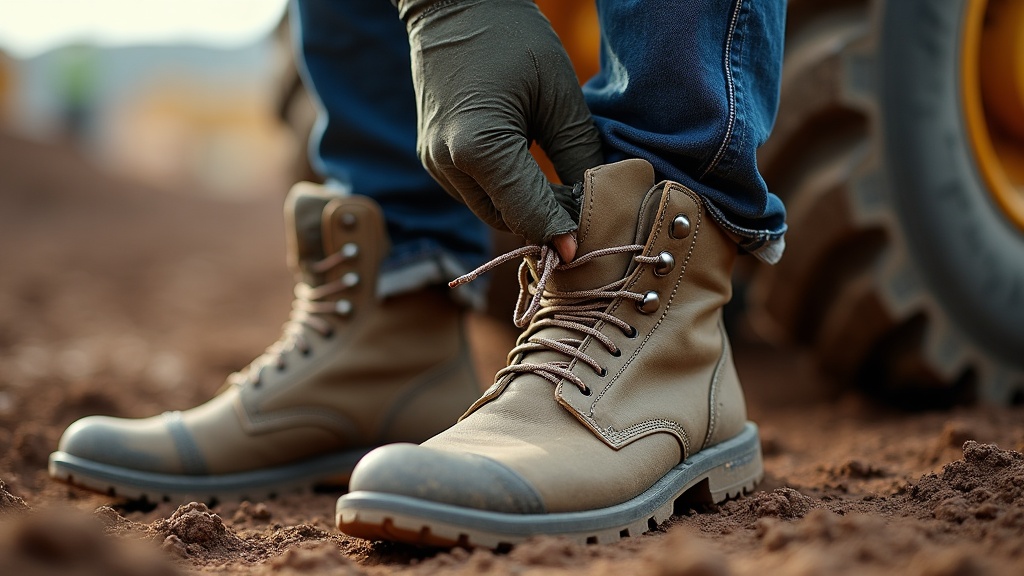
Your boots get all the credit. Your feet take all the punishment. The sock sitting between them is the one thing you actually feel every hour of a ten or twelve-hour day, and most guys treat it like an afterthought.
A bad sock costs you blisters, hot spots, and a miserable drive home. A good one keeps your feet dry, padded, and functional until the last whistle. Here's what actually works, by trade and by need.
Key points at a glance
- Cushion zone placement matters more than overall sock thickness.
- Merino wool beats synthetics for odor and all-day temperature control.
- Steel toe boots need a specific fit to prevent toe box bunching and blisters.
- Sweaty feet need moisture-wicking fiber, not just cotton labeled "moisture-wicking."
- After hour six of a shift, compression and arch support are the difference makers.
- Paying more upfront saves money: quality socks last 3 to 5 times longer.
What a real work sock gives you
What Makes a Work Sock Actually Heavy Duty (Not Just Marketing)
The word "heavy duty" on a sock package means almost nothing without digging deeper. What you actually want: terry loop cushioning in high-impact zones, reinforced heel and toe knitting, and a fiber blend that won't collapse after a few months.
A sock that's thick all over sounds good but it's actually dead weight. Targeted cushioning at the ball of the foot and heel is what absorbs the shock of concrete, gravel, and steel grating for eight hours straight.
Look for nylon reinforcement woven into the heel and toe. That's the thread that decides whether your sock lasts six months or two years. Without it, the high-friction zones wear through fast no matter how much you paid.
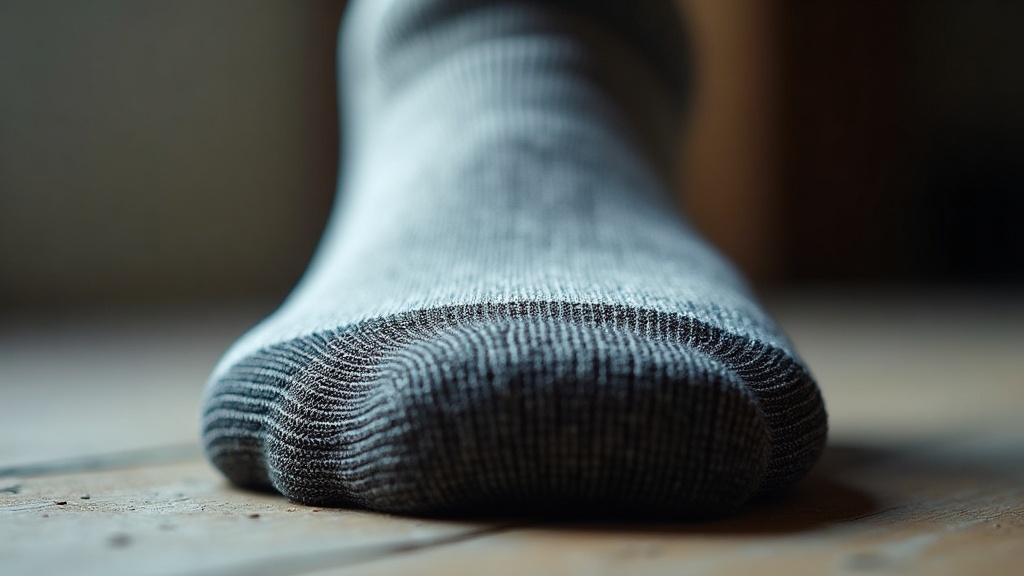
Best Heavy Duty Work Socks: Our Top Picks by Trade and Use
For construction and outdoor trades
Darn Tough Vermont Hiker Boot Sock is the go-to. Merino wool blend, unconditional lifetime guarantee, and a cushion level that handles rocky terrain and concrete equally well. It's priced around $25 a pair but replaces itself when it wears out, for free.
For warehouse and manufacturing
Thorlos Thick Cushion Work Sock was engineered specifically for standing on hard floors. The extra padding under the metatarsal reduces foot fatigue measurably. Synthetic blend keeps cost down without sacrificing durability.
For electrical and utility work
Farm to Feet Marshall Crew Sock uses American-grown merino and sits tight enough around the ankle to stay put during heavy boot use. No sliding, no bunching inside the boot shaft.
For general trades on a budget
Dickies Dri-Tech Moisture Control Crew clocks in under $15 for a six-pack. Not a long-term solution, but it beats drugstore cotton and gets the job done when you're rotating socks daily.
Did you know?
The average person's foot produces roughly half a pint of sweat per day. In a sealed work boot, that moisture has nowhere to go unless the sock actively transports it away from the skin. Cotton holds that moisture against your foot, which is the direct cause of blisters and athlete's foot in workers who are on their feet all day.
Merino Wool vs. Synthetic: Which Material Holds Up on the Job
Merino wool regulates temperature naturally, resists odor without any chemical treatment, and stays comfortable whether it's 20°F or 90°F outside. It costs more per pair but performs across seasons without needing a different sock for summer versus winter.
Synthetics like polyester and nylon wick moisture fast and dry faster after washing. They're more durable in straight abrasion tests. The tradeoff: they hold odor badly after a few months of hard use, even with washing.
The practical answer for most guys: a merino and nylon blend. You get the temperature regulation and odor resistance of wool with the structural toughness of nylon. Most premium work socks in the $20+ range use exactly this combination.
| Material | Moisture Wicking | Odor Control | Durability |
|---|---|---|---|
| 100% Cotton | Poor | Poor | Low |
| 100% Polyester | Good | Fair | High |
| Merino Wool | Very Good | Excellent | Medium |
| Merino + Nylon Blend | Very Good | Excellent | High |
| CoolMax / Synthetic Blend | Good | Fair | High |
Best Work Socks for Sweaty Feet: Stop the Burn Before Lunch
If your feet are soaked by 10 AM, the problem isn't just comfort. Wet skin inside a boot creates friction ten times faster than dry skin. That friction becomes a blister, and a blister on a work boot job becomes a real problem.
Stay away from any sock with cotton above 20% of the blend. Cotton absorbs sweat and holds it against your skin. That's the opposite of what you need.
- Darn Tough Coolmax socks use polyester microfiber that pulls moisture to the sock's outer layer where it evaporates.
- Wrightsock Coolmesh II uses a double-layer construction: the inner layer slides against your skin while the outer layer absorbs and vents. Eliminates blister friction almost entirely.
- Look for socks labeled with ventilation channels across the top of the foot, not just generic wicking claims.
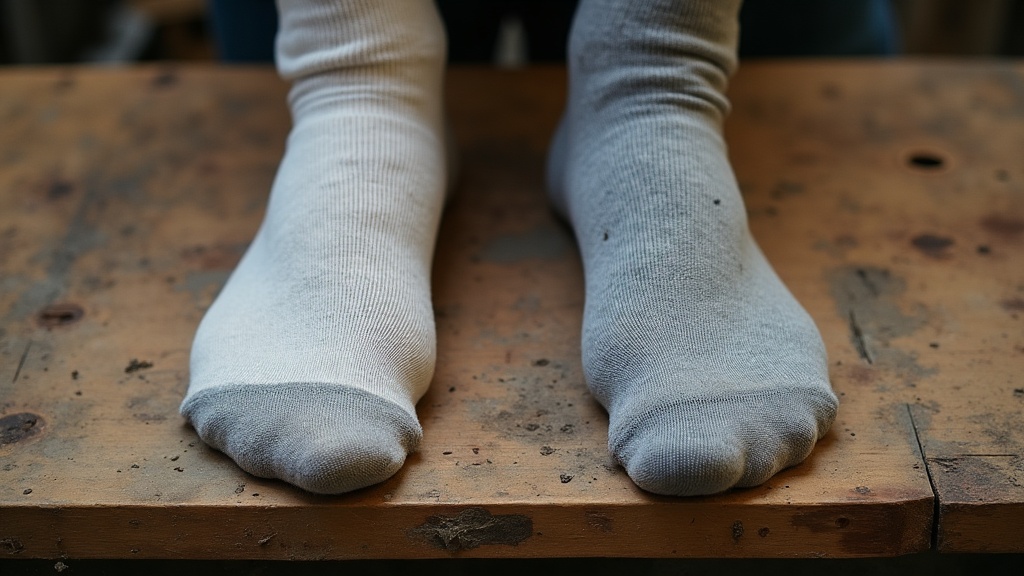
Best Socks for 12-Hour Shifts: What Your Feet Need Past Hour Six
The first six hours of a shift are handled by cushioning. Past hour six, arch support and compression are what keep your feet from aching by the time you clock out.
A sock with a compression arch band (a tighter knit band running across the middle of the foot) reduces the micro-fatigue that builds up from standing and walking on hard surfaces. It's not the same as medical compression. It's just enough to keep the arch from collapsing flat inside the boot.
The other factor past hour six: heel slippage. A sock that migrates down your foot during the day creates a fold at the heel that will shred your skin. Look for a contoured heel pocket in the knit pattern, not just a flat tube shape.
Best Heavy Duty Work Socks for Steel Toe Boots
Steel toe boots have a rigid cap that ends abruptly at the toe box. Without the right sock, your toes hit that seam on every step. After eight hours, that contact point creates a raw spot across all five toes.
The fix: socks with a seamless or hand-linked toe seam. A flat toe seam eliminates the ridge of fabric that rubs against the steel cap interior. Darn Tough and Thorlos both use this construction on their boot-specific models.
Also look for extra cushioning specifically at the toe zone, not just the heel. In a steel toe boot, the toe absorbs more impact than most people realize, especially when kneeling on hard floors or climbing ladder rungs.
Did you know?
OSHA estimates that foot and leg injuries account for roughly 60,000 workplace incidents per year in the US. While most attention goes to boot protection, podiatrists note that sock-related issues like blisters, plantar fasciitis aggravation, and foot infections are among the most common unreported foot problems among tradesmen.
Are Darn Tough or Bombas Worth It, or Is There a Smarter Buy
Darn Tough: Worth every cent for outdoor and construction trades. The lifetime guarantee is real. Vermont-made, merino-based, and they hold up through genuinely abusive conditions. If you're on rough terrain or logging significant miles in boots daily, buy them once and stop thinking about it.
Bombas: Solid for warehouse and light industrial work. Well-cushioned, comfortable right out of the bag, and the seamless toe is well-executed. Not as rugged as Darn Tough for heavy outdoor use, but at the same price point they perform well for standing shifts on smooth floors.
The smarter budget buy: Carhartt Force Midweight Crew Socks run around $15 to $18 for a two-pack. Merino blend, reinforced heel and toe, and they hold up well for light to medium construction work. Not a lifetime sock, but a solid value rotation option.
How to Make Work Socks Last Longer (Most Guys Get This Wrong)
Washing in hot water kills elasticity and breaks down the fiber structure. Cold water, gentle cycle, air dry whenever possible. The dryer is the number one killer of quality work socks, especially merino blends.
- Rotate at least three to four pairs so the same pair isn't being washed and worn daily.
- Turn socks inside out before washing to protect the outer surface and reduce pilling.
- Never use fabric softener on wool socks. It coats the fiber and kills the moisture-wicking ability permanently.
- Inspect the heel and toe every few weeks. When the knit starts going thin there, it's time to replace before a hole forms mid-shift.
The Bottom Line: What to Buy Based on Your Job
You don't need one perfect sock. You need the right sock for your specific conditions. Here's the short version:
- Construction, roofing, outdoor trades: Darn Tough Vermont merino crew, full cushion. Buy two or three pairs.
- Warehouse, manufacturing, concrete floors: Thorlos thick cushion or Bombas work sock. Arch band is a must.
- Hot climate or sweaty feet: Wrightsock Coolmesh double-layer or a CoolMax synthetic blend. Skip wool in summer heat.
- Steel toe boot wearers: Any sock with a flat/seamless toe seam. Darn Tough and Thorlos both nail this.
- Budget rotation: Carhartt Force two-pack. Solid enough to fill in the gaps without burning money.
Spend $25 on a pair of work socks the same way you'd spend $200 on boots. Your feet are the only tool you can't replace.
