



Your legs are telling you something after every shift, and it's not that you need to stretch more. Twelve hours on concrete, on tile, on unforgiving factory floors, and that deep ache from the knee down is your circulatory system asking for help.
Most women grab whatever's on the Walgreens shelf and call it good. Most of them are disappointed by lunch. This guide cuts through the noise and tells you exactly what to buy, where to find it, and why the details matter more than the brand name.
Key points at a glance
- 20-30 mmHg is the sweet spot for most women doing active, standing work on a full shift.
- Knee-high compression socks do more for circulation than ankle sleeves on long days.
- Wear them from the start of your shift, not after your legs already ache.
- Medical-grade options require a prescription but offer measurable clinical results.
- Walgreens and CVS carry decent entry-level picks, but fit matters more than brand.
- The fabric blend determines whether a sock survives real work or just looks the part.
What a good compression sock actually does for you
Why Women in the Trades Need Compression Socks (And Most Are Wearing the Wrong Ones)
Standing on hard surfaces all day forces blood to pool in the lower legs. Gravity wins every time if your veins don't get help pushing it back up. That's not a minor inconvenience, it's how varicose veins start.
The problem is that most women reaching for compression socks for women near me in a search bar end up buying fashion-grade graduated socks that clock in at 8-15 mmHg. Those are fine for a plane ride. They are not fine for a hospital floor or a warehouse.

What the mmHg Number Actually Means for a Full Shift on Concrete
mmHg stands for millimeters of mercury, the same unit used to measure blood pressure. It tells you how much squeezing force the sock applies at the ankle, the point where compression is highest.
- 8-15 mmHg: Light. Good for travel or sitting most of the day.
- 15-20 mmHg: Mild. Okay for someone on their feet a few hours.
- 20-30 mmHg: Moderate. This is the real-work range. Most nurses, retail workers, and tradeswomen land here.
- 30-40 mmHg: Firm. Medical-grade, usually prescribed for specific conditions like chronic venous insufficiency.
20-30 mmHg compression socks for women are what you want if your job keeps you upright for more than six hours. That's the honest answer.
Did you know?
A study published in the Journal of Vascular Surgery found that nurses who wore 20-30 mmHg compression stockings reported significantly less leg fatigue and lower leg circumference increase over a 12-hour shift compared to those wearing no compression or less than 15 mmHg.
Knee-High vs. Ankle: Which Style Does the Real Work
Ankle compression socks focus pressure at the foot and just above. They help with plantar fasciitis and arch support, but they do almost nothing for the calf, where the real venous work happens.
Knee-high compression socks for women cover the full lower leg, which means the graduated pressure starts at the ankle and eases off as it rises toward the knee. That gradient is the whole mechanism. Cut it short and you cut the results.
When ankle socks make sense
- Foot swelling is the only complaint
- You're already wearing a brace or wrap on the calf
- Your footwear won't accommodate a taller sock
For most standing-work situations, knee-high wins. Full stop.
How Many Hours Should You Wear Compression Socks? Straight Answer Here
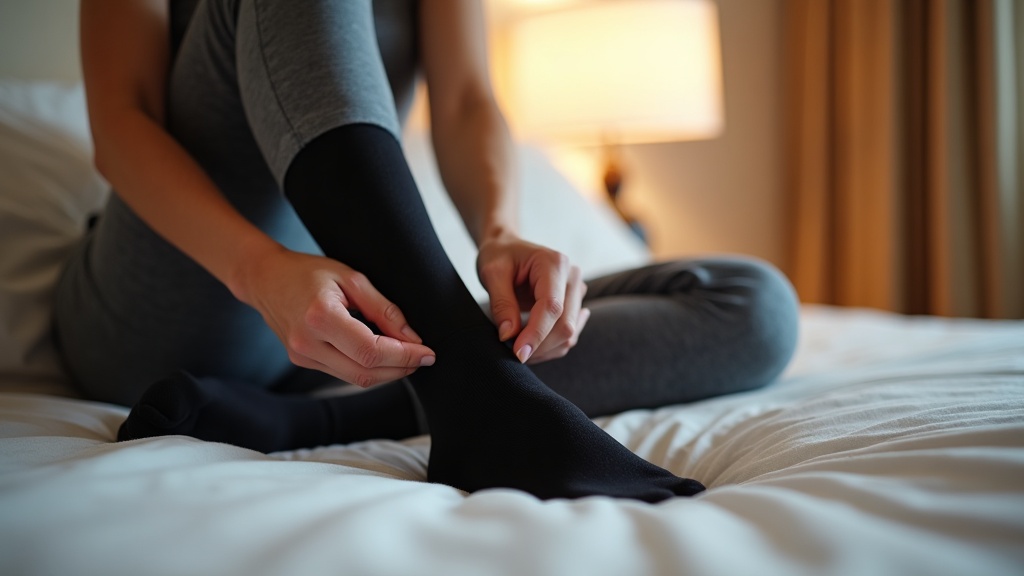
Put them on before you get out of bed, or at minimum before you stand up and start moving. Once blood starts pooling, compression is playing catch-up. You want it working from the first minute.
Take them off at the end of your shift or when you're done being upright for the day. Do not sleep in them unless a doctor specifically told you to. Horizontal rest doesn't need compression, and wearing them overnight can disrupt circulation.
What Makes a Compression Sock Worth Your Money: Fabric, Fit, and Construction
The compression level printed on the label means nothing if the sock doesn't fit your leg correctly. A sock too wide at the calf bunches up and creates pressure points. Too narrow and it cuts off circulation rather than supporting it.
Fabric matters for real work
| Material | Best For | Watch Out For |
|---|---|---|
| Nylon + Spandex | Durability, consistent compression over time | Runs hot in warm environments |
| Merino Wool blend | Temperature regulation, odor resistance | Pricier, requires careful washing |
| Copper-infused nylon | Antimicrobial, good for multi-day wear | Marketing often overstates benefit |
| Bamboo blend | Moisture wicking, softer feel | Less durable under heavy use |
| Cotton blend | Budget-friendly, comfortable feel | Holds moisture, loses compression faster |
Look for reinforced heel and toe panels. That's where socks fail first on working women. A seamless toe is worth paying for if you're in steel-toe boots all day.
Where to Find Compression Socks for Women Near You (Without Getting Ripped Off)
Before you search compression socks for women near me and click the first result, know what you're walking into. Pharmacies, medical supply stores, sporting goods chains, and online retailers all sell compression socks, but the quality range is enormous at every price point.
Your fastest local options
- Walgreens / CVS: Stocks Dr. Scholl's, Jobst, and store-brand options. Decent for 15-20 mmHg. Spotty sizing.
- Medical supply stores: Better for 20-30 mmHg and above. Staff can help with sizing. Search "medical supply" near your zip code.
- Uniform and scrubs shops: Near hospitals or nursing schools, these carry nurse-specific brands like Sigvaris and Compression Wear.
- Sporting goods stores: Carry athletic compression socks. Usually 15-20 mmHg max, good construction, poor sizing range.
Did you know?
True medical-grade compression socks (30-40 mmHg and above) require a prescription in most U.S. states. If a retailer sells 40 mmHg socks without asking for one, the actual compression delivered is almost certainly lower than labeled.
The Best Options by Budget: From Walgreens to Medical-Grade
Here's where the rubber meets the road. Three tiers, honest assessments.
Under $20 (Walgreens, CVS, Amazon basics)
Brands like Dr. Scholl's and the Copper Compression sleeve you see everywhere. Fine for a first try or occasional use. Compression accuracy is inconsistent. Replace every two to three months if wearing daily.
$20 to $50 (mid-tier, best value for most workers)
Sockwell, Feetures, and Vitalsox hit this range. Better fabric blends, more consistent sizing, actual graduated compression. This is where most nurses and tradeswomen end up staying. Sockwell's merino blend is a standout for long shifts in variable temperatures.
$50 and up (medical-grade brands)
Sigvaris, Jobst Ultrasheer, and Juzo are the names your vascular surgeon would recognize. Designed for specific medical indications. If you need medical-grade compression socks for women near me, start with your primary care doctor and get sized properly at a medical supply store.
What Doctors Actually Recommend vs. What the Job Demands
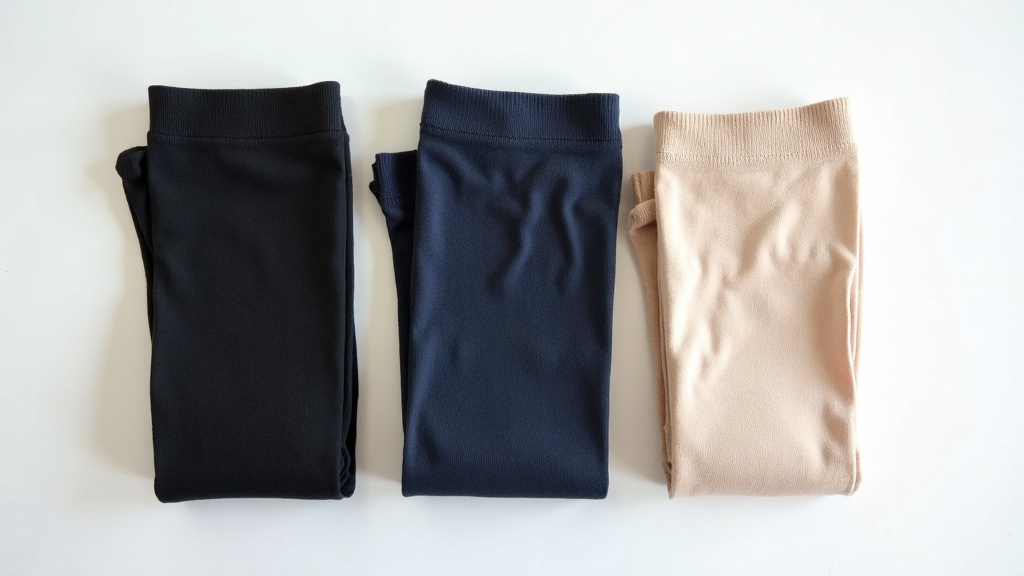
A physician will typically recommend the lowest effective compression level to minimize any risk. That's 15-20 mmHg for most healthy women with mild symptoms. That's the clinical safe default.
The job demands something different. A nurse on a 12-hour overnight, a dental hygienist standing over a chair for six hours straight, a woman running a line in a food processing plant: these situations benefit from 20-30 mmHg and the data backs that up.
You don't need a prescription for 20-30 mmHg. You need accurate sizing and a sock that's actually built to deliver what the label says. Those two things eliminate 90% of the complaints you'll read in reviews.
The sizing rule nobody tells you
Measure your ankle circumference and calf circumference first thing in the morning, before any swelling sets in. That measurement is your true size. Most brands publish a chart. Use it. Guessing is why so many women say compression socks don't work for them.
Your next practical steps
- Measure ankle and calf circumference this morning before your shift.
- Choose 20-30 mmHg if you stand more than six hours a day.
- Go knee-high unless you have a specific reason not to.
- Try one pair from a mid-tier brand before buying a three-pack you might not like.
- If you have a diagnosed vein condition, talk to your doctor before going above 20 mmHg on your own.
- Replace daily-wear socks every three to six months. Compression breaks down with washing.
