


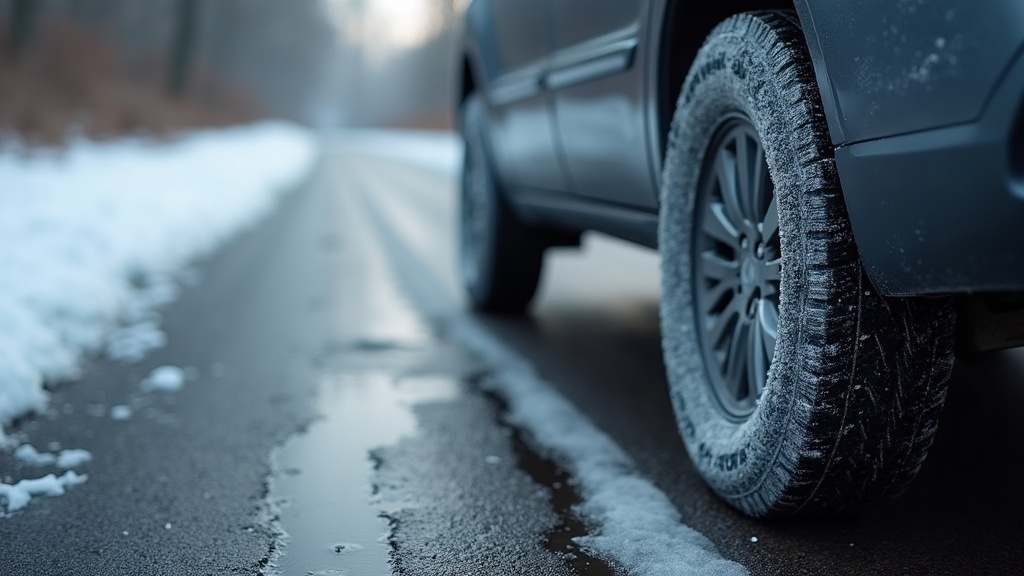
Black ice doesn't announce itself. You're rolling along a stretch of road that looks perfectly fine, and then your wheels are doing exactly nothing. That's the problem, and it's a different animal than packed snow.
So the question stands: do snow socks work on black ice? The short answer is yes, somewhat, but there's a real gap between "somewhat" and "you're safe." Here's what you actually need to know before you trust your truck to a fabric sleeve on a frozen road.
Key points at a glance
- Snow socks add some traction on black ice, but they are not a full solution on pure glaze ice.
- Chains outperform snow socks on hard ice, but snow socks win for convenience and road surface protection.
- Snow socks work best on packed snow, slush, and light ice, not a solid sheet of black ice.
- Max speed with snow socks on is typically 30 mph (50 km/h). Pushing past that shreds the fabric fast.
- Most snow socks last between 300 and 500 miles of use, depending on road texture and driving style.
- In many chain-control zones, snow socks are legally accepted as a chain alternative. Always verify local rules.
What This Article Gives You
What Black Ice Actually Is (And Why It's a Different Problem Than Snow)
Black ice is a thin, transparent layer of ice that forms directly on the pavement. Because it takes on the color of the road beneath it, it's nearly invisible. That's what makes it dangerous.
Unlike snow or slush, black ice offers almost zero texture for a tire to bite into. Snow has air pockets. Slush has give. Black ice is hard, smooth, and flat. The friction coefficient on glaze ice can drop below 0.1, compared to 0.3 to 0.4 on packed snow. That's a massive difference in stopping distance.

How Snow Socks Work: The Basic Friction Principle
Snow socks, sometimes called tire socks, are fabric covers that stretch over your tires. Most are made from a woven polyester or nylon blend designed to maximize surface contact with the road.
The fabric works by absorbing the thin water film that forms between a tire and ice or snow. That water film is actually what makes ice slippery, it acts as a lubricant. A good snow sock wicks some of that moisture and creates micro-friction points across a larger contact area than a bare tire tread can manage.
Think of it like sliding in socks across a hardwood floor versus sliding in dress shoes. The socks grab a little. Not perfectly, but noticeably.
Do Snow Socks Work on Black Ice: The Honest Answer
Yes, they work. No, they are not a fix for serious black ice.
Tire socks do improve black ice traction compared to a bare tire. Independent tests show that snow socks can improve braking distance on ice by 15 to 25 percent versus a standard all-season tire with no traction device. That's real. But it's also far less than what studded tires or chains deliver on the same surface.
On a light glaze, in a controlled approach, at low speed, snow socks give you something to work with. On a heavy sheet of black ice on a grade, they are not going to save you if you're moving too fast or braking too hard.
Did you know?
The friction coefficient of bare glaze ice sits around 0.05 to 0.1. Snow socks typically bring that up to around 0.15 to 0.2, roughly doubling grip, but studded snow tires reach 0.3 or higher on the same surface.
Snow Socks vs Chains on Ice: Which One Grips Better
On pure ice, chains win, period. Metal links cut into the ice surface and create mechanical grip that fabric cannot replicate. If you're driving a mountain pass in January with a loaded truck, chains are the right call.
That said, chains come with trade-offs. They're loud, they chew up paved roads if used incorrectly, and they take 15 to 30 minutes to install in the cold, on your knees, in the dark. Snow socks go on in under five minutes.
| Criteria | Snow Socks | Metal Chains |
|---|---|---|
| Black ice grip | Moderate improvement | Strong grip |
| Packed snow grip | Excellent | Excellent |
| Install time | 2 to 5 minutes | 15 to 30 minutes |
| Road surface damage | None | Can damage bare asphalt |
| Max speed | 30 mph (50 km/h) | 20 to 30 mph depending on type |
| Durability | 300 to 500 miles | Several seasons with care |
What Snow Socks Are Actually Good For (Their Real Strength)
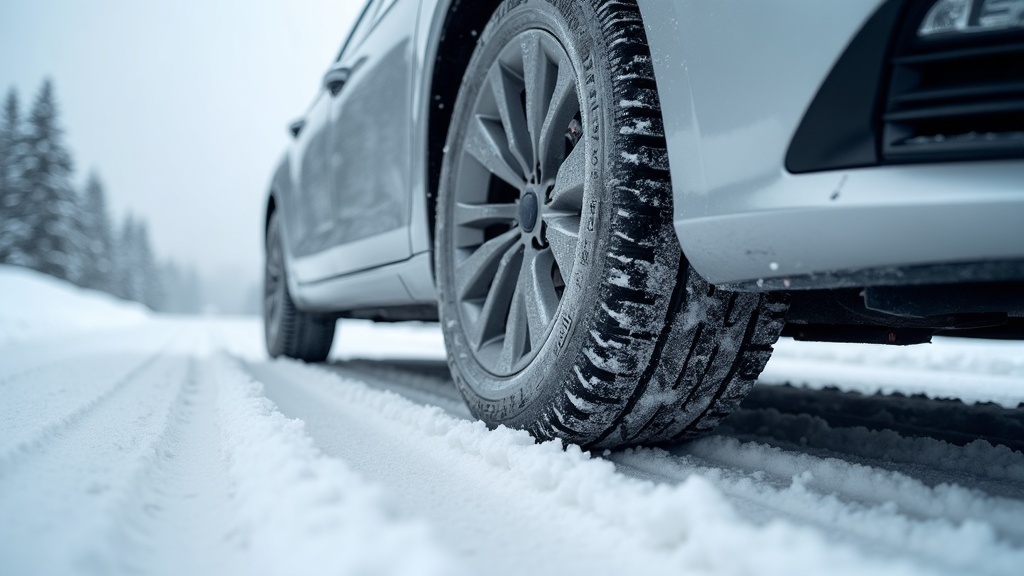
Snow socks shine on packed snow and slush. That's where the fabric micro-texture does its best work, wicking moisture and creating consistent friction across the full contact patch.
They're also the right tool when you need to get through a brief stretch of winter road without banging up your rims or the pavement. Tight wheel wells, low-clearance cars, and vehicles where chains physically won't fit are exactly where snow socks make sense.
Disadvantages of Snow Socks You Need to Know Before You Buy
No piece of gear is perfect. Here's what snow socks don't do well:
- They wear fast on rough or dry pavement. Drive even a short stretch of bare asphalt and you're burning through the fabric.
- They don't stop you on steep, pure ice grades. On a serious descent with a glaze, you need more than fabric.
- Fit matters a lot. A sock that's even slightly loose will shift, bunch up, and lose effectiveness within a mile.
- They must be installed before you hit ice, not after you're already sliding. You can't stop on black ice to put them on.
- Durability is limited. Most brands are rated for 300 to 500 miles, but rough gravel roads or high speeds will kill them much faster.
Did you know?
Switzerland and several Austrian mountain cantons were among the first to officially approve textile snow socks as a legal chain alternative, back in the early 2000s. Today, many U.S. state DOTs, including California's Caltrans, formally recognize them in chain-control zones, though always at the R1 or R2 restriction level, not R3.
How Fast Can You Drive With Snow Socks On
Keep it at or under 30 mph (50 km/h). That's the manufacturer limit across virtually every brand, AutoSock, ISSE, SnoGrip, all of them.
Push past that and two things happen: the sock heats up from friction, and the weave starts to break down. You'll see fraying within a few miles if you're doing highway speeds. At that point you've wasted the money and you're back to bare tire on ice.
How to Install Snow Socks on Your Tires Fast
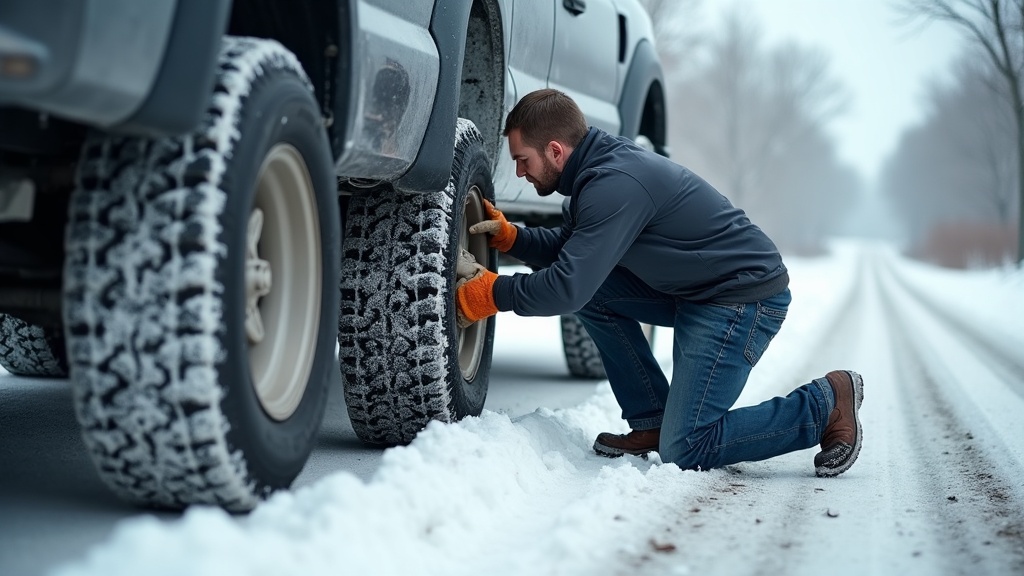
Installation is straightforward, but you need to do it before you hit the problem zone. Here's the sequence:
- Pull over on a clear, safe surface, not on the ice itself.
- Lay the sock flat and push it over the top half of the tire, tucking as much fabric behind the wheel as you can reach.
- Drive forward a few feet so the covered section rolls to the bottom.
- Pull the remaining fabric down and over the wheel, securing the elastic band all the way around.
- Drive 300 feet, stop, and check the fit. Adjust if the sock has shifted.
How to Avoid Sliding on Black Ice
Snow socks help, but your driving technique matters just as much. A few rules that hold up every time:
- Slow down before the icy stretch, not during it. Braking on black ice multiplies your stopping distance dramatically.
- Increase following distance to at least 10 seconds in black ice conditions. That's not a typo.
- Steer gently. Aggressive inputs, braking or turning, will break traction immediately on glaze ice.
- Watch for temperature. Black ice forms most often at 28 to 32 degrees Fahrenheit, especially on bridges and overpasses that cool faster than the surrounding road.
- Keep tires properly inflated. An underinflated tire has a smaller contact patch and less inherent grip, which matters even more on ice.
Bottom Line: When Snow Socks Are Worth It and When They Are Not
Get them if: you drive a low-clearance vehicle, you're passing through chain-control zones seasonally, or you need a compact emergency traction tool for packed snow and light ice.
Skip them if: you're regularly dealing with steep grades, heavy ice conditions, or commercial hauling where traction failure is not an option. In those cases, proper chains or studded tires are the honest answer.
Snow socks are a real tool. They're just not a miracle. Know what you're dealing with before you roll, and choose your gear accordingly.
