


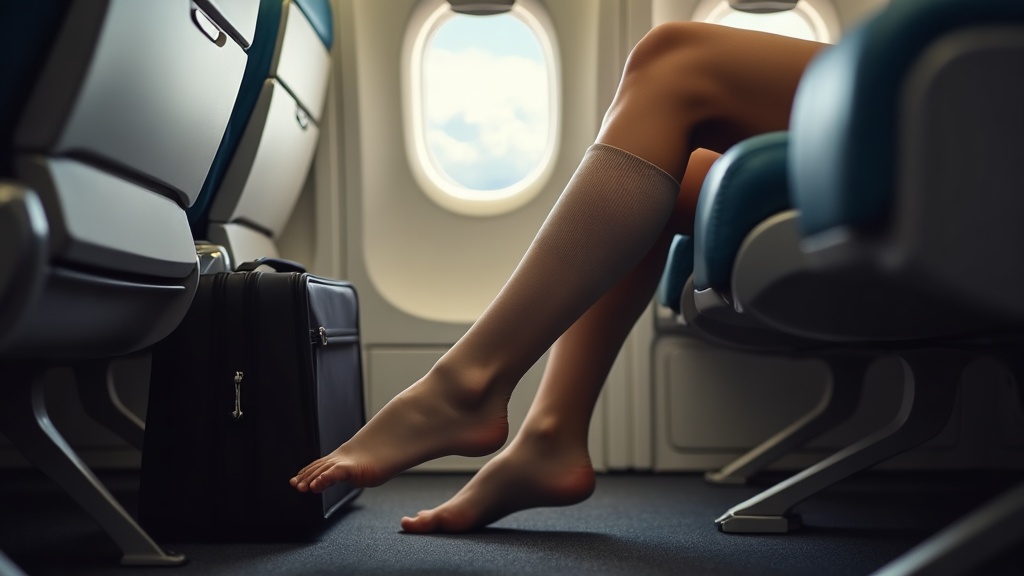
Your legs don't care how short the flight is. Sit still in a pressurized cabin for two hours and your circulation slows, fluid pools in your ankles, and you land feeling like you walked through wet cement. It happens to fit, healthy women every single day.
The fix is simple, cheap, and backed by solid science. Compression socks for women for flying are one of the few travel products that actually do something. This guide cuts the noise and tells you exactly what to get and how to wear it.
Key points at a glance
- Economy seats cut circulation faster than you think, even on a 90-minute hop.
- Graduated compression (15-20 mmHg) is the sweet spot for most healthy women flying.
- Put them on before you leave the house, not at the gate.
- Fabric blend matters: nylon-spandex breathes better than pure cotton at altitude.
- Knee-high is the right length for flights; thigh-highs are overkill unless prescribed.
- Avoid buying unrated "compression" socks with no mmHg label printed on the packaging.
What Good Flight Socks Do For You
Why Your Legs Take a Beating on a Plane (Even If You're Not Flying Far)
Cabin pressure drops to the equivalent of 6,000-8,000 feet elevation. That lower pressure causes blood vessels to expand slightly, making it easier for fluid to leak into surrounding tissue. Your ankles pay the price.
On top of that, you're folded into a seat with your knees bent, which slows venous return, the process of blood pushing back up from your feet toward your heart. Gravity, stillness, and low pressure are a rough combination.
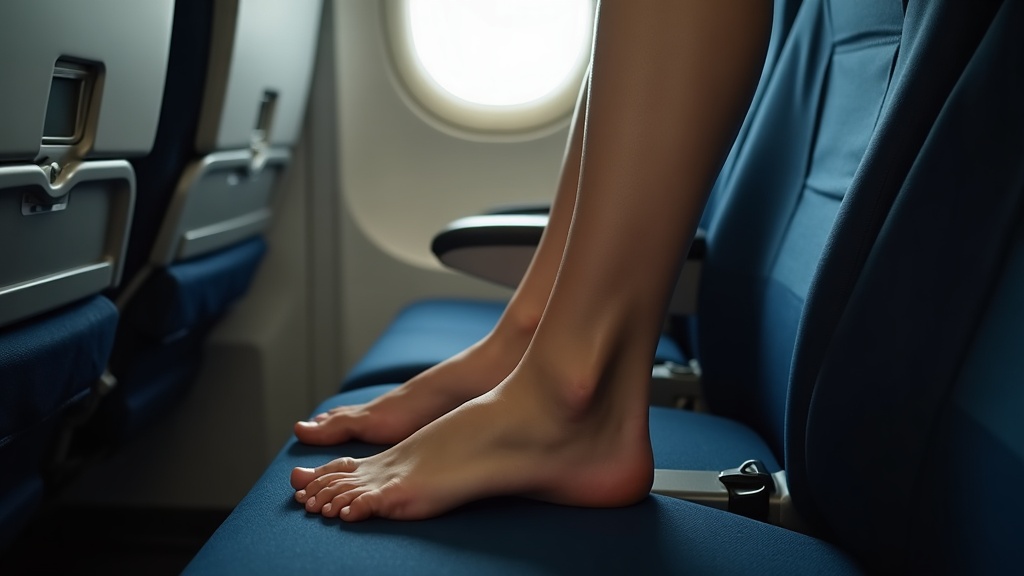
Should Women Wear Compression Socks When Flying? (Short Answer: Yes)
Women are statistically at higher risk for DVT during travel than men, particularly those on hormonal birth control, pregnant women, or anyone in the weeks after surgery. But even if none of that applies to you, swelling and leg fatigue affect virtually everyone on flights over two hours.
The British Journal of Haematology reviewed multiple trials and found that compression stockings significantly reduced both DVT incidence and symptomless blood clots in air travelers. This is not marketing copy. It's documented.
Did you know?
A 2006 study in The Lancet tracked nearly 3,000 passengers and found that those who wore below-knee compression stockings had a 12-fold reduction in symptomless DVT compared to those who did not. Even short-haul flights showed measurable benefit.
What Type of Compression Socks to Use for Flying
The term that matters here is graduated compression. That means the sock applies the most pressure at the ankle (the tightest point) and gradually loosens as it goes up the calf. This gradient is what actively pushes blood upward.
Flat-knit or uniform-pressure socks don't do the same job. For flying, stick to graduated compression socks only.
Compression levels explained
- 8-15 mmHg: Light support. Fine for short flights (under 2 hours) or women with no swelling history.
- 15-20 mmHg: The standard travel range. Works well for most women on any flight length.
- 20-30 mmHg: Medical grade. Best for women with varicose veins, prior DVT, or a doctor's recommendation.
- 30+ mmHg: Prescription only. Not a travel product, a treatment.
For the majority of women taking long-distance flights, 15-20 mmHg graduated compression socks hit the right balance of effectiveness and comfort without needing a prescription.
When to Put Them On Before Your Flight
Put them on first thing in the morning, before you even sit down for breakfast. Compression works best when your legs are not yet swollen. Once fluid has already pooled in your ankles, the sock has to fight harder and feels more constricting.
At minimum, get them on before you leave for the airport. Sitting in a car or rideshare to the terminal counts as the same kind of stillness as sitting on the plane.
Did you know?
Your body starts experiencing reduced venous return within 90 minutes of sitting still, regardless of altitude. That means a cross-country drive carries a similar short-term risk to a short flight, and the same socks work for both.
What to Look For Before You Buy
Here's where most women get burned. The word "compression" on a package means nothing without an actual mmHg rating printed on the label. Plenty of products sold as compression socks are just tight socks.
The checklist
- mmHg rating is clearly labeled (15-20 mmHg for travel)
- Graduated compression specified, not uniform pressure
- Nylon-spandex or merino blend for breathability at altitude
- Reinforced heel and toe so they hold up past the third trip
- Size chart based on calf circumference, not just shoe size
The Best Compression Socks for Women Flying Right Now
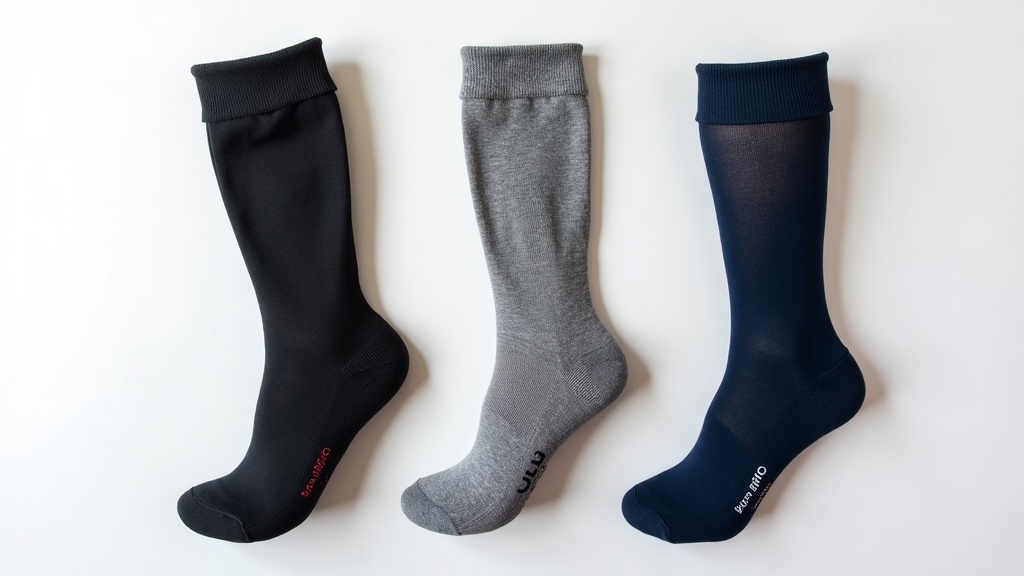
These are the options that consistently perform well across long-haul routes, hold their compression after washing, and fit women's leg proportions without cutting off at the calf.
| Brand / Model | Compression Level | Material | Best For |
|---|---|---|---|
| Sockwell Incline | 15-20 mmHg | Merino wool blend | Temperature regulation, long-haul |
| Physix Gear Sport | 20-30 mmHg | Nylon-spandex | Varicose veins, high-risk travelers |
| Comrad Allies | 15-20 mmHg | Nylon-cotton blend | Everyday travel, style-conscious wear |
| CEP Travel Compression | 15-20 mmHg | Polyamide-elastane | Athletic women, frequent flyers |
| Rejuva Health Travel | 15-20 mmHg | Nylon-spandex | Budget-friendly, wide calf sizes |
Common Mistakes Women Make With Flight Compression Socks
Buying the wrong size is the biggest one. If the sock cuts in at the top of the calf or slides down, you sized wrong, not your leg. Always measure calf circumference at the widest point and match it to the brand's actual chart.
- Taking them off mid-flight because they feel tight: that tightness is the compression working. Loosen your shoe instead.
- Wearing them to sleep on overnight flights for 10+ hours: fine for most women, but if circulation is already compromised, ask your doctor first.
- Buying two sizes too small thinking more pressure is better: at 30+ mmHg without a medical reason, you can actually restrict blood flow instead of helping it.
- Washing them in hot water: heat destroys the elastane. Cold wash, air dry, every time.
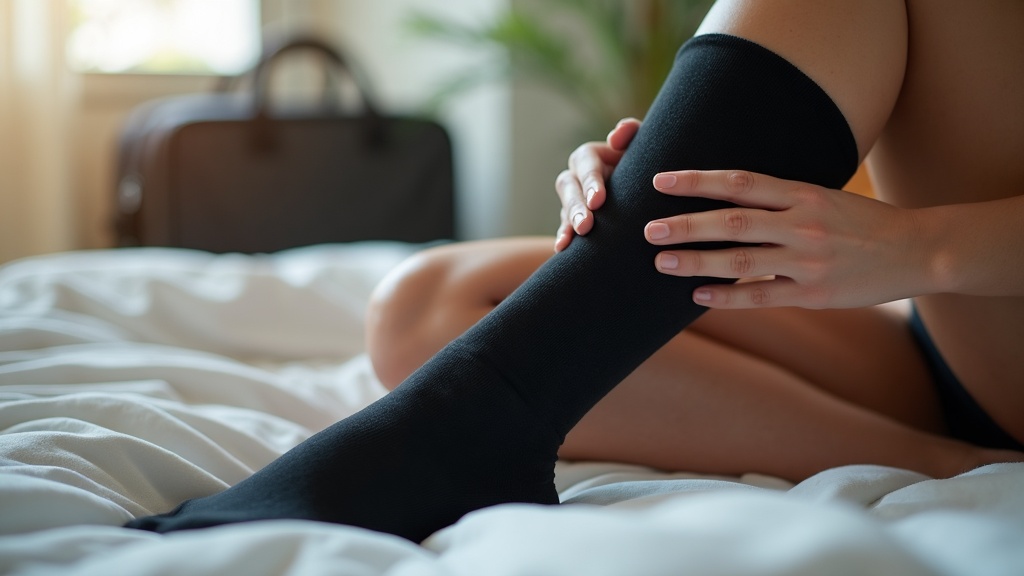
Where to Buy Compression Socks for Flying Without Getting Ripped Off
Amazon is fine if you stick to brands with verified mmHg ratings and at least a few hundred real reviews. Avoid anything under $10 with no compression specs. REI, running specialty stores, and medical supply retailers carry solid options and staff who can actually size you correctly.
Medical compression socks for women flying are also available through pharmacies like CVS or Walgreens, particularly the Truform and Dr. Scholl's medical lines, which carry certified 15-20 mmHg ratings at a reasonable price point.
Skip the airport gift shop. Those "travel compression socks" sold at gate-side shops are almost always marketing over function and carry no clinical compression rating.
Quick buying rules
- Look for the mmHg number. If it's not there, put it back.
- Measure your calf before you order online.
- Two pairs minimum so you're never stuck washing the only pair the night before a flight.
- Replace them every 4-6 months with heavy use. Elastane wears out and compression drops over time.
