


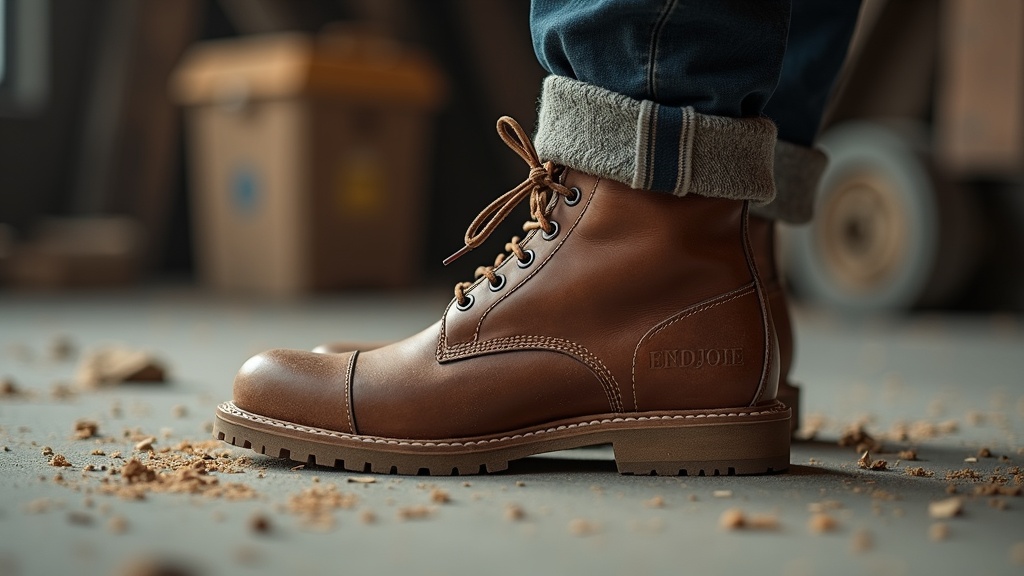
Your feet take the worst of it. Concrete, steel grating, ladders, 10-hour days in boots that were already stiff at 7 a.m. Most guys spend real money on their boots and exactly zero thought on what goes inside them. That's backwards.
The right work sock cuts blisters, keeps your feet dry, and makes a hard shift bearable. The wrong one turns into a wet rag by noon. Here's what actually works, trade-tested and straight to the point.
Key points at a glance
- Material is everything: merino wool and wool blends outperform cotton on every shift.
- Cushioning in the heel and ball of the foot is non-negotiable for 12-hour shifts.
- Moisture-wicking fiber prevents blisters better than any powder or cream.
- Steel-toe boots need over-the-calf socks with reinforced toe boxes to avoid seam pressure.
- Cheap cotton socks cost you more in foot pain and ruined skin than any premium pair ever would.
What a great work sock does for you
What Makes a Work Sock Worth a Damn (and What Makes It Garbage)
Two things kill a work sock fast: the wrong material and weak construction. A sock that can't handle 10 hours of sweat, friction, and boot pressure has no place on a jobsite.
The best work socks for tradesmen share three traits: a fiber that manages moisture, enough cushioning to absorb impact, and a build that doesn't fall apart after six washes. Everything else is noise.
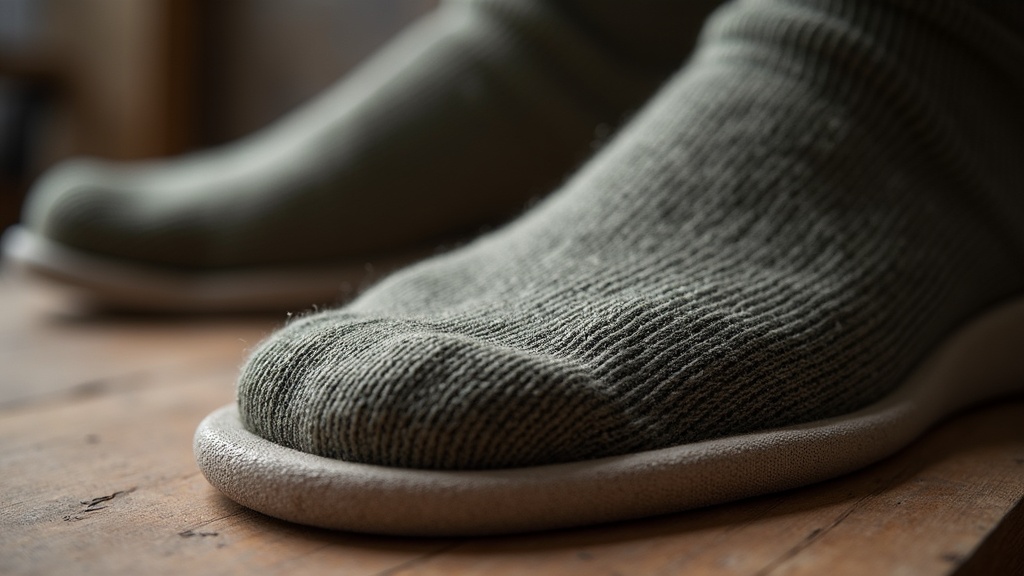
The Best Socks for Tradesmen Right Now: Our Top Picks
Not a ranked list with affiliate filler. Just the options worth your money, by category.
Best overall: Merino wool crew or OTC
Merino handles moisture, resists odor, and regulates temperature better than any synthetic blend on the market. Darn Tough Vermont and Smartwool are the workhorses here, both with lifetime guarantees that actually pay out.
Best American-made: Camel City Mill
Camel City Mill socks are made in Winston-Salem, NC, on old-school knitting machines. Their heavyweight work sock is thick, tight-knit, and holds up to repeated industrial washing without turning into a tube sock. If buying American matters to you, these are the ones. The cotton-poly blend isn't as moisture-wicking as merino, but the cushioning is serious.
Best budget heavy-duty: Carhartt Force
At roughly $15 for a three-pack, Carhartt Force socks punch above their weight. FastDry technology handles sweat reasonably well. Not a merino replacement, but solid for the price if you're burning through socks on a dusty site.
Did you know?
Merino wool fibers can absorb up to 35% of their weight in moisture before they even feel damp. Polyester starts feeling wet at around 8%. That gap is why merino dominates on long shifts.
Best Socks for Steel Toe Boots Specifically
Steel-toe boots have one problem most guys ignore: the seam at the toe cap sits right where your toes flex. A thin sock turns that seam into a blister machine by hour four.
You need over-the-calf length (no bunching behind the knee), a reinforced toe box without a raised seam, and enough cushioning in the ball of the foot to absorb the impact of walking on concrete all day. Darn Tough's Work OTC is purpose-built for exactly this.
Best Work Socks for Sweaty Feet: Stop Cooking Your Feet Mid-Shift
If your boots are soaked by lunch, cotton is the culprit. Cotton absorbs moisture and holds it against your skin. That wet environment is where blisters, fungus, and hot spots come from.
Switch to a merino wool or merino-nylon blend. The fiber structure wicks sweat away from skin and releases it into the air, even inside a closed boot. For extreme sweaters, look at socks with a ventilated mesh panel on the top of the foot for added airflow.
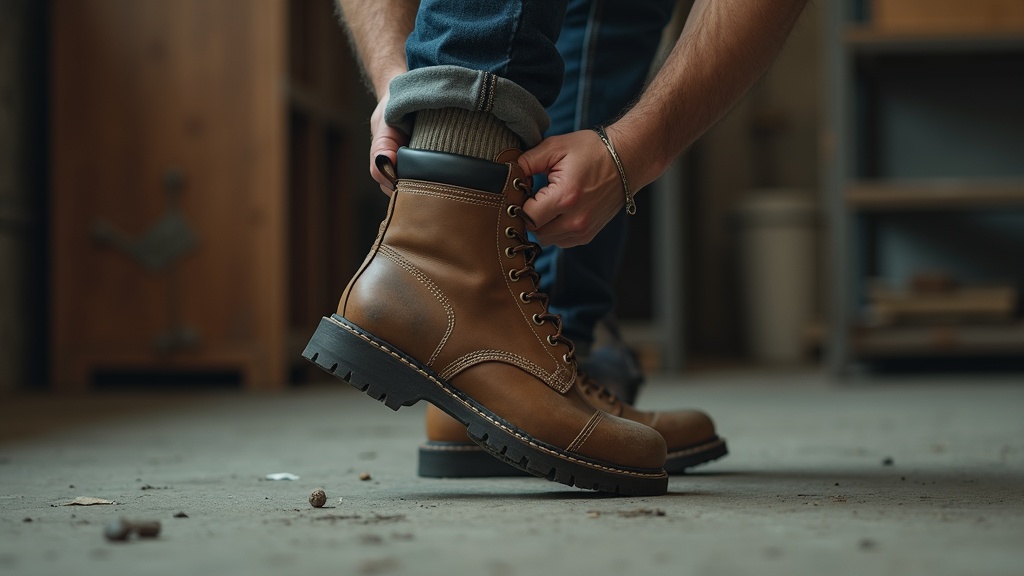
What Are the Best Boot Socks for 12-Hour Shifts?
Twelve hours on your feet is a different problem than eight. Fatigue compounds. Your feet swell. Hot spots that were minor at 9 a.m. turn into open blisters by 7 p.m.
For a full 12-hour shift, you need three things working together:
- Full-cushion sole for all-day impact absorption, not just heel and toe patches
- Arch support knitting built into the sock itself, which reduces mid-foot fatigue
- Moisture management fiber that stays effective even after hours of sweating
Darn Tough's Hiker Boot Sock in merino checks all three. Wigwam's Ironman Heavy crew is a cheaper second option that holds up well past the eight-hour mark.
Why Thick Socks Matter in the Trades (It's Not Just About Comfort)
A thick sock isn't a luxury. It's a shock absorber between your foot and whatever surface you're working on. Concrete transfers impact straight up through your heel into your knees and lower back. A cushioned work sock breaks that chain.
Thick socks also fill the dead space inside a slightly large boot, which reduces the sliding that causes blisters in the first place.
Did you know?
Studies on construction workers show that lower-limb musculoskeletal disorders, including foot and ankle pain, are among the most common causes of lost work days in the trades. Proper footwear, including socks, is consistently cited as a preventable factor.
How to Pick the Right Work Sock for Your Trade
Different trades have different demands. A framer spending eight hours on rough decking needs something different from an electrician in a clean commercial build.
| Trade | Priority | Best Sock Type |
|---|---|---|
| Framing / Rough carpentry | Impact absorption, durability | Heavy cushion merino OTC |
| Electrical / Plumbing | All-day comfort, light weight | Mid-cushion merino crew |
| Concrete / Masonry | Maximum cushion, moisture control | Full-cushion heavy wool OTC |
| HVAC / Roofing | Temperature regulation, sweat control | Merino-nylon blend with ventilation |
| Warehouse / Logistics | Standing fatigue, arch support | Compression-knit crew, mid-cushion |
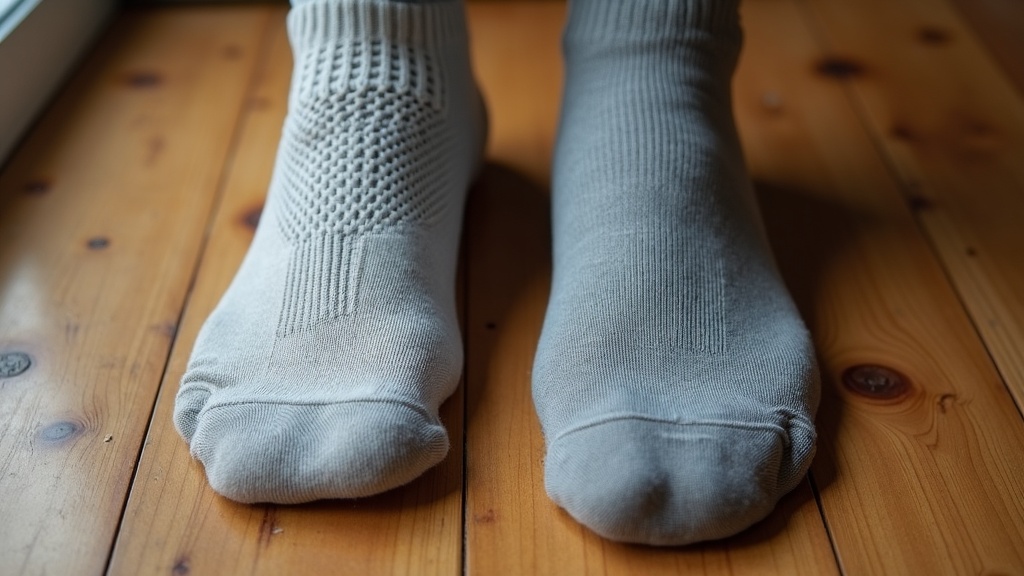
What to Avoid: Materials and Features That Fail on the Jobsite
100% cotton is the biggest offender. It absorbs sweat and traps it. On a hot day in leather boots, your feet are sitting in moisture for hours.
- Thin "athletic" socks marketed for running. Zero cushion for hard surfaces.
- Cheap polyester blends that pill inside the boot and bunch at the toe.
- No-show socks inside work boots. They slip down and create friction folds.
- Loose elastic at the top. If the sock slides during the shift, you'll have blisters by hour three.
Make Your Decision and Move On
You don't need 12 pairs of socks for every occasion. You need three to five pairs of the right sock for your trade, rotated so each pair fully dries between shifts. Buy merino if you can spend the money. Wool blends if you're watching the budget. Just stop using whatever came in a bulk pack from the gas station.
Your feet carry you through every hour of every shift. Give them gear that can keep up.
