


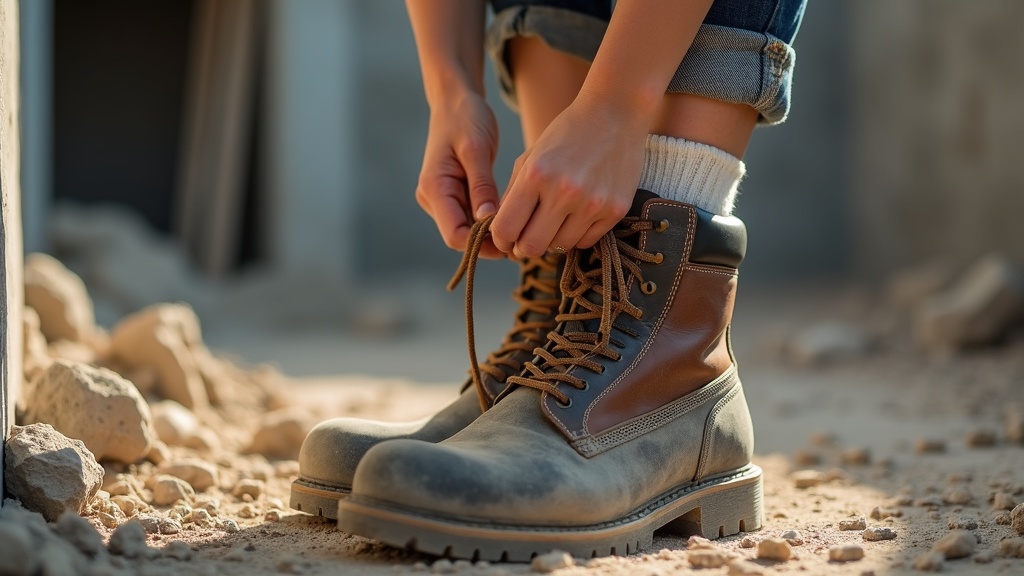
You can buy a $200 pair of work boots and still end up with blisters by noon. The sock is usually to blame. Most women on jobsites are wearing the wrong one, not because they don't care, but because the market is flooded with garbage dressed up in nice packaging.
This guide cuts through it. Real talk on what materials hold up, which socks are actually built for heavy labor, and how to stop wasting money on pairs that fall apart after two washes.
Key points at a glance
- Cotton socks are the number one cause of blisters and hot spots in work boots.
- Merino wool and merino blends outperform synthetics for all-day moisture control.
- Fit matters as much as material: a sock that bunches inside a boot destroys your feet.
- Compression socks can help women who stand on concrete for 8-plus hours, but only light graduated compression.
- Spending $15 to $22 per pair upfront saves you money compared to replacing $6 drugstore socks every few weeks.
- Proper care (air drying, no high heat) doubles the lifespan of any quality work sock.
What a great work sock actually does for you
Why Most Socks Fail Women on the Jobsite (And What to Look For Instead)
The problem is simple. Most socks sold to women are designed for the gym or the office. They're thin, they're cotton-heavy, and they have zero reinforcement where a work boot actually puts pressure on your foot.
After four hours in a steel-toe boot, a cotton sock is soaked. Wet fabric rubs. Rubbing means blisters on the heel, the Achilles, and the pinky toe. By quitting time your feet are wrecked.
What to look for instead:
- Cushioned zones at the heel and ball of foot, not wall-to-wall padding that makes the boot too tight
- Moisture-wicking fiber: merino wool, CoolMax, or a nylon/polyester blend rated for activity
- Reinforced toe and heel so the sock doesn't wear through in six weeks
- A stay-up cuff with real elasticity, not a loose rib that collapses by 10 a.m.
- Crew or over-the-calf height to protect against boot shaft abrasion on the shin
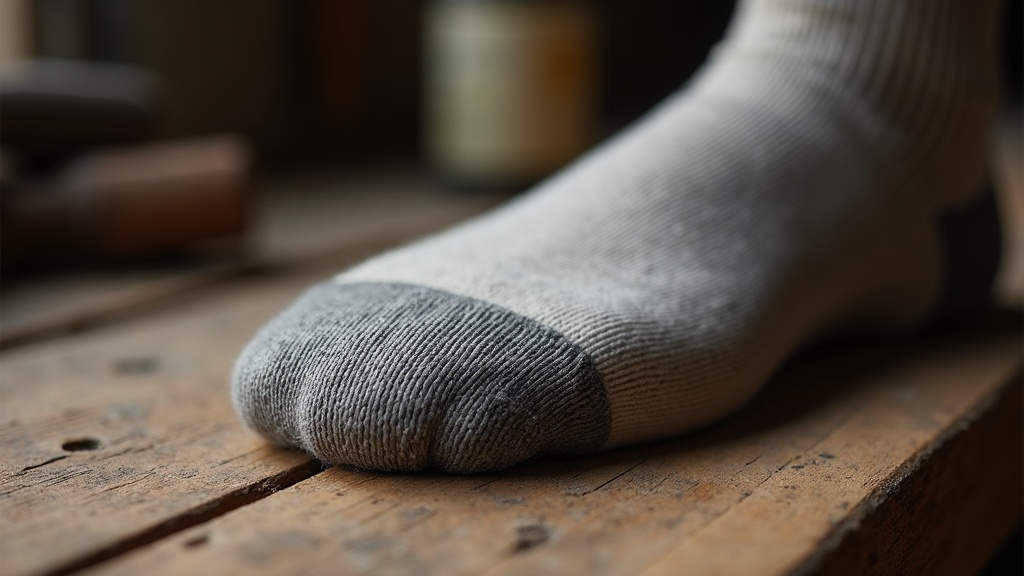
The 6 Best Socks for Women Construction Workers, Ranked
These are chosen for durability, moisture control, and real-world comfort during a full construction shift. No spa socks. No fashion crew socks that happen to come in work-boot height.
1. Darn Tough Women's Hiker Micro Crew
Made in Vermont from fine merino wool. Guaranteed for life, literally: they replace any pair that wears out. The cushioned footbed handles concrete and gravel without making your boot feel a size too small. Best all-around pick for most women on a jobsite.
2. Smartwool Women's PhD Work Heavy Crew
Slightly thicker than Darn Tough, with targeted shin padding that matters on a 10-hour frame day. Merino blend keeps odor down even if you skip a wash day. Good choice for colder climates or outdoor winter work.
3. Wigwam Women's Work Boot Pro Crew
A cotton-free blend of wool, nylon, and polyester. Cheaper than Darn Tough or Smartwool, still holds up through repeated machine washes. Best value pick if you're buying in bulk for a full work week.
4. Carhartt Women's Force Performance Work Crew
Synthetic-first construction using FastDry technology. Not as naturally odor-resistant as wool, but excellent for high-sweat situations in hot weather. Carhartt's women's sizing runs true to work boot sizes.
5. Wrightsock Double-Layer Crew
Two-layer construction that eliminates friction almost entirely. The layers move against each other so your skin doesn't have to. A strong pick for women who are prone to blisters no matter what else they try.
6. Copper Fit Arch Support Compression Crew
Lower on the list because it prioritizes compression over cushion, but for women who finish a shift with swollen feet and aching arches, this sock earns its place. Pair it with a boot that has good volume at the toe box.
Did you know?
Darn Tough's unconditional lifetime guarantee is real. You mail the worn-out pair back, they send you a new one. The company has honored this policy since 2004 and it's one reason the brand dominates in trades and military use.
Merino Wool vs. Synthetic vs. Cotton: Which Material Actually Holds Up
This is the question that matters most. The fiber content on the label tells you almost everything about how a sock will perform by hour six of your shift.
| Material | Moisture Control | Odor Resistance | Durability |
|---|---|---|---|
| Merino Wool | Excellent: wicks and regulates | Best in class, stays fresh 2-3 days | High (with nylon reinforcement) |
| Synthetic Blend (polyester/nylon) | Good: fast drying, high volume wicking | Moderate, degrades over washes | Very high, abrasion-resistant |
| Cotton | Poor: holds moisture against skin | Neutral when dry, bad when wet | Low, thins and holes quickly |
| Wool/Synthetic Blend | Excellent: best of both worlds | Very good | High, more durable than pure wool |
| Bamboo Blend | Decent, softer but less durable | Good when new | Moderate, not built for heavy use |
Bottom line on material: if you only remember one thing, it's this: get cotton out of your boot. A merino/nylon blend or a quality synthetic is the floor for any serious work sock.
Do Compression Socks Help on a Construction Site?
They can, with one important caveat. Light graduated compression (15 to 20 mmHg) reduces the foot and ankle swelling that comes from standing on concrete for a full shift. Women who finish the day with tight, aching feet often see real improvement.
Heavy compression (30 mmHg and up) is for medical use. In a work boot, it can restrict circulation and make your feet feel worse, not better. Stick to the lighter end.
Also: compression socks only help if the boot fits properly. If your boot is already squeezing your foot, adding a compression sock makes things worse. Get the fit right first.
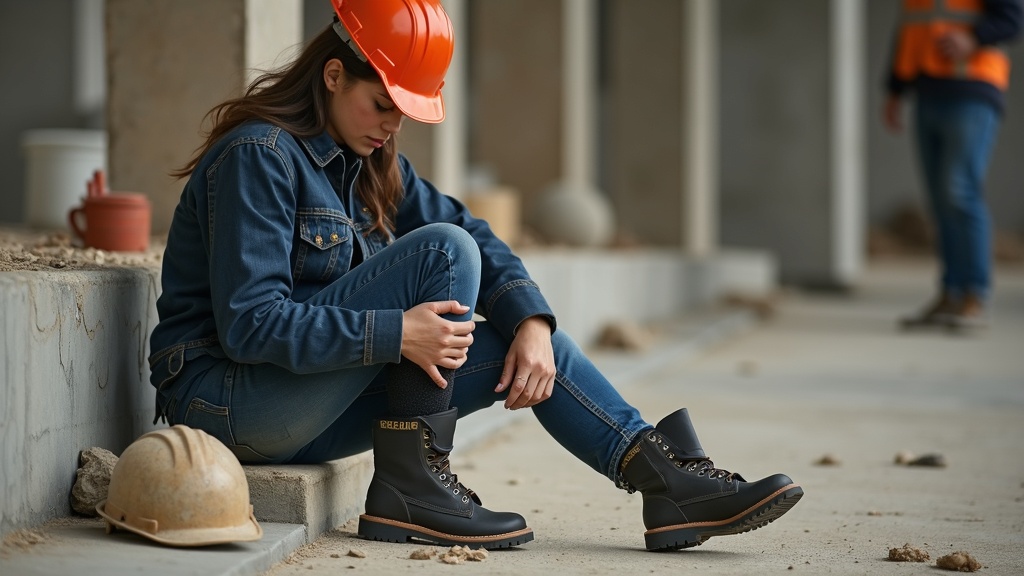
How to Get the Right Fit in a Work Boot Sock (Most Women Get This Wrong)
Women's feet are not just smaller versions of men's feet. They tend to have a narrower heel, a wider forefoot relative to heel width, and a higher arch. Most unisex work socks are cut for men. That matters.
Three fit rules that actually make a difference:
- The sock should fit your foot size, not just your shoe size. If the toe seam sits at your mid-toe, the sock is too short and will bunch.
- A sock that's too thick for your boot pushes your heel up, causing Achilles rub. Check your heel clearance with the sock on before you commit to a pair.
- The cuff elastic should grip your calf without cutting. If you have sock marks after four hours, the elastic is too tight for a full-day wear.
Did you know?
The American Orthopaedic Foot and Ankle Society notes that women are four to five times more likely than men to develop foot problems related to footwear fit. A sock that doesn't match your foot's actual dimensions is part of that equation, not just the boot.
What to Expect to Pay, and When Cheap Socks Cost You More
A six-pack of drugstore work socks runs $12 to $18. Sounds like a deal. But most women on a jobsite burn through them in four to six weeks. That's $100 to $150 a year on socks that leave your feet destroyed by midday.
A pair of Darn Tough runs $20 to $24. Smartwool is similar. Two or three quality pairs, rotated and washed properly, can last two to three years. Do the math.
The real cost breakdown for a full work week:
- Budget route: 5 pairs at $4 each, replaced every 6 weeks: roughly $175 per year
- Quality route: 5 pairs at $20 each, replaced every 2 years: roughly $50 per year
- Plus: fewer blisters, less foot pain, better days at work
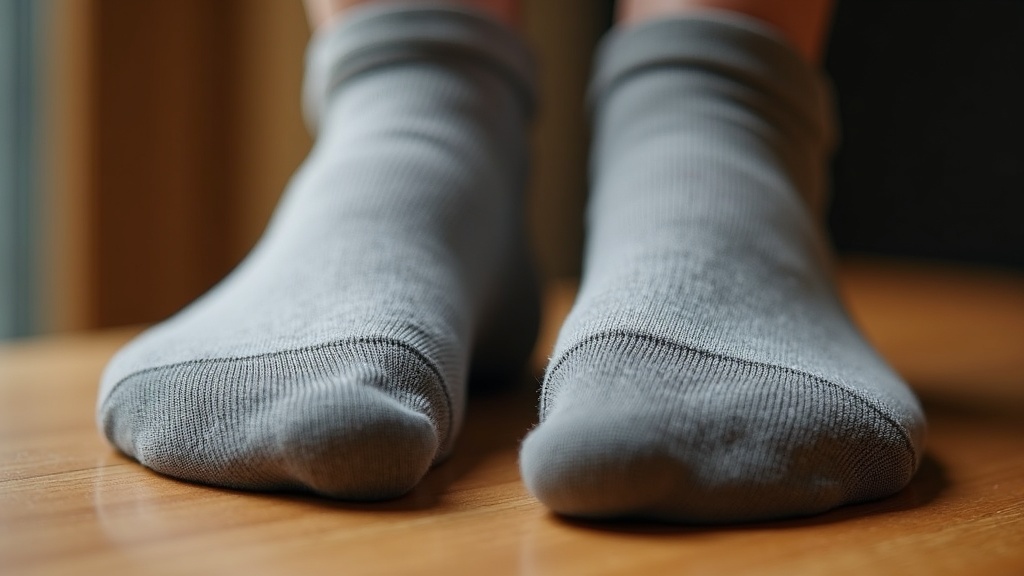
How to Make Your Work Socks Last Longer
Even a $24 pair of Darn Tough will die early if you abuse it in the wash. These rules add months to any quality work sock.
- Air dry whenever possible. High heat from a dryer breaks down elastic fibers and shrinks wool blends.
- Wash inside out. Reduces pilling on the outer surface and protects the foot-contact layer.
- Cold or warm water only. Hot water sets odor into synthetic fibers and felts merino wool.
- Rotate at least 3 to 4 pairs. Wearing the same pair two days in a row breaks down the cushion faster.
- Never wring wool socks. Press them flat and hang. Wringing distorts the shape permanently.
The Bottom Line: What to Buy Based on Your Job
Not every construction job is the same. Here's how to match the sock to what you actually do:
- Outdoor framing, roofing, or excavation in any season: Smartwool PhD Work Heavy Crew or Darn Tough Micro Crew. Merino handles temperature swings better than anything else.
- Indoor trades (electrical, plumbing, finish carpentry) with high heat: Carhartt Force FastDry or Wigwam Work Boot Pro. Synthetic wicks faster in hot, enclosed spaces.
- Long days on concrete slabs (warehouse, flatwork, tilt-up): Wrightsock Double-Layer or Copper Fit Compression Crew. Blister prevention and swelling control are the priority.
- Budget-conscious but not willing to sacrifice performance: Wigwam Women's Work Boot Pro in a 3-pack. Best cost-per-wear ratio short of the premium brands.
Buy two or three quality pairs, rotate them daily, wash them right, and your feet will feel it by the end of the first week. That's the whole game.
