


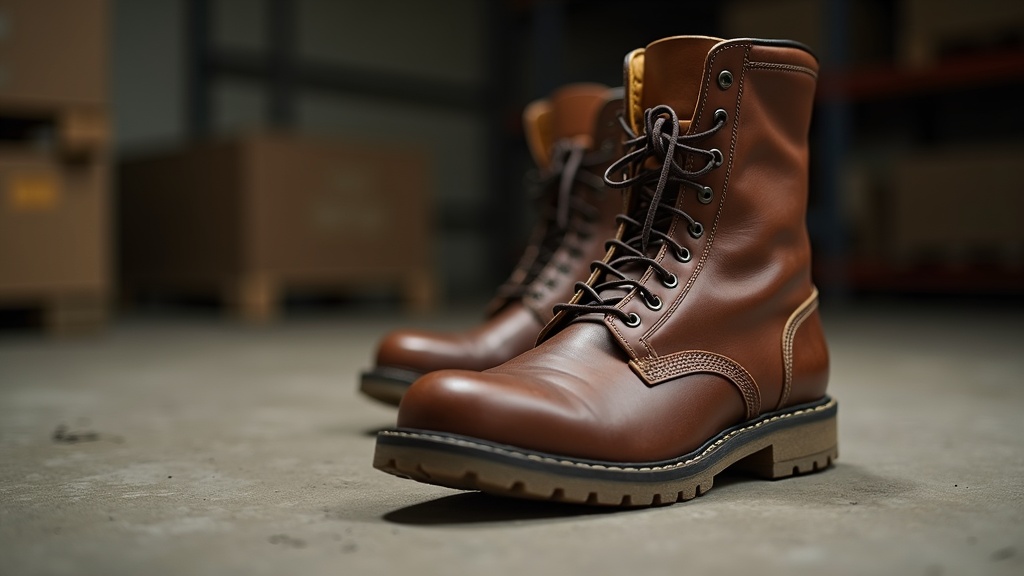
Your feet hurt because you're doing real work. Ten, twelve hours on concrete, tile, or asphalt will wreck your body from the ground up. The wrong shoe doesn't just make that worse, it makes it permanent.
This guide cuts through the marketing noise. No lab tests paid for by brands, no vague "cushioning technology" talk. Just what actually works, what podiatrists say off the record, and what your coworkers who've tried everything are wearing now.
Key points at a glance
- Arch support and heel stability matter more than cushioning thickness
- Plantar fasciitis, heel spurs, and top-of-foot pain each need a different fix
- Women's work shoes have gotten genuinely better, but sizing still requires attention
- Podiatrist-recommended doesn't always mean trade-site ready, know the difference
- A quality insole can rescue a decent shoe, but can't save a bad one
What this guide gives you
Why Your Feet Hurt at Work (and Why Most Shoes Don't Fix It)
Concrete doesn't give. Every step on a hard floor sends a shock up through your heel, arch, and ankle. Your body absorbs that, hour after hour, until something breaks down.
Most work shoes are designed to pass safety certifications, not to protect your musculoskeletal system. Steel toe, slip-resistant sole, and done. The insole is an afterthought. The arch support is a pressed foam bump that compresses into nothing within a month.
The result: plantar fasciitis flare-ups, heel spurs, metatarsalgia, and that bone-deep ache you feel at the end of every shift. None of that is inevitable. It's a footwear problem with a footwear solution.
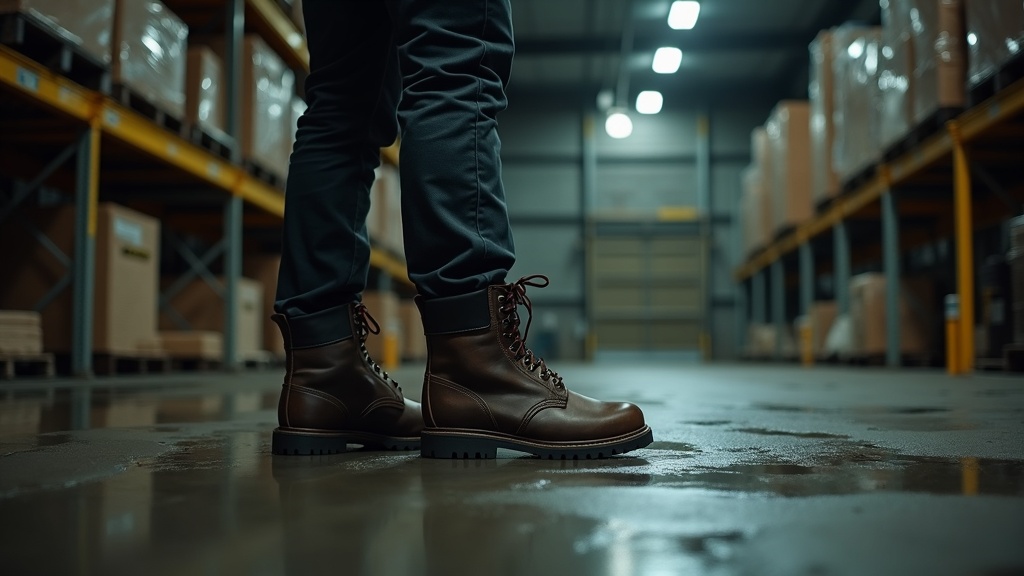
What to Actually Look for in a Work Shoe for Foot Pain
Skip the marketing terms. Here's what the structure of the shoe needs to do.
Heel cup depth and rigidity
A deep, firm heel cup keeps your foot from rolling inward. That rolling, called overpronation, is the number-one driver of plantar fasciitis. If the heel of the shoe flexes when you squeeze it, the shoe is already failing you.
Arch support that matches your foot type
Flat feet and high arches need opposite things. A flat foot needs a firm medial post. A high arch needs cushioning and flexibility. Neither one is served by a generic insole.
Rocker sole geometry
A rocker or curved sole reduces pressure under the forefoot and heel during push-off. This is particularly helpful for heel spurs and top-of-foot pain. You'll feel it immediately on the first walk.
Toe box width
Cramped toes cause bunions, hammer toes, and nerve compression. A wide toe box, especially in the forefoot, lets your foot spread naturally under load.
- Midsole material: EVA foam compresses faster, polyurethane lasts longer but is heavier
- Outsole hardness: softer rubber on hard floors, harder compound on wet or oily surfaces
- Collar padding: reduces Achilles tendon irritation on long shifts
- Removable insole: essential if you use custom orthotics
The 7 Best Work Shoes for Foot Pain in 2026
These picks cover different jobs, different pain types, and different budgets. Every one of them has been worn by real people with real pain, not just reviewed on a website by someone sitting at a desk.
1. New Balance 626v2
The best all-around pick for sore feet standing all day. Slip-resistant, wide toe box, excellent arch support out of the box. Works in food service, healthcare, and light warehouse. Under $80.
2. Dansko Professional Clogs
The gold standard for nurses and anyone on hard floors all day. The rocker bottom genuinely offloads heel pressure. Stiff at first, then they shape to your foot. Worth every penny of the $130 price tag.
3. Keen Utility Atlanta Cool 2
Best work boot for plantar fasciitis in a trade setting. Steel toe, electrical hazard rated, and a wide toe box with a contoured footbed that actually supports the arch. Runs a half size large.
4. Skechers Work Relaxed Fit
Best budget pick. Memory foam, slip-resistant, lightweight. Won't last as long as leather options, but at $60 you can replace them twice a year and still come out ahead. Great for top-of-foot pain due to the soft upper.
5. Brooks Addiction Walker 2
Podiatrist-recommended for a reason. The extended Progressive Diagonal Rollbar controls overpronation better than almost anything else on the market. Not a boot, but for service workers or supervisors it's the smartest choice.
6. Thorogood American Heritage 6"
Best work boot for trades workers who need both pain relief and durability. Full-grain leather, Vibram outsole, and a cushioned MAXWear wedge. Made in the USA. Lasts three to five years with care.
7. Merrell Moab 3 Work
For workers who walk mixed terrain: part warehouse, part outdoor. Excellent lateral stability for ankle support, and a Vibram sole that handles everything from gravel to wet concrete. The best shoes for pain on top of foot from friction, thanks to the padded collar.
Did you know?
The American Podiatric Medical Association reports that roughly 77% of Americans experience foot pain, yet fewer than a third ever change their footwear to address it. Most people just push through until the damage becomes structural.
Best Work Shoes for Foot Pain: Women's Picks That Deliver
Women's work shoes used to be men's shoes in smaller sizes. That's changed. The foot anatomy is different, and the best manufacturers now build from a female last.
Alegria TRAQ Qwik
Rocker sole, slip-resistant, and built specifically for women working in healthcare and hospitality. The footbed has a cork and latex base that molds over time. Outstanding for plantar fasciitis on the job.
Hoka Bondi SR
Maximum cushioning with a slip-resistant outsole. Wide platform base keeps you stable. The women's fit is true to size and the wider forefoot accommodates bunions without pressure. Expensive at $165 but worth it for 12-hour shifts.
Dansko Solstice XP 2.0
More flexible than the classic Professional and built for women who need a shoe that transitions from clinical to slightly less clinical without looking like a work boot. Excellent heel counter. Available in wide widths.

Plantar Fasciitis, Heel Spurs, and Top-of-Foot Pain: What Each Condition Needs
Not all foot pain is the same. Treating plantar fasciitis like a heel spur problem, or vice versa, gets you nowhere.
| Condition | Primary Need | What to Avoid | Top Pick |
|---|---|---|---|
| Plantar Fasciitis | Firm arch support, deep heel cup | Flat, flexible soles | Brooks Addiction Walker 2 |
| Heel Spurs | Heel cushion, rocker sole | Hard heel counters, thin soles | Dansko Professional |
| Top-of-Foot Pain | Soft upper, wide toe box | Lace pressure, stiff leather uppers | Skechers Work Relaxed Fit |
| Metatarsalgia | Metatarsal pad, forefoot cushion | Pointed toe box, high heel drop | Hoka Bondi SR |
| Overpronation | Medial post, motion control | Neutral cushion-only shoes | New Balance 626v2 |
What Podiatrists Say About Standing All Day (and What They Get Wrong for Trade Workers)
Most podiatrist-recommended shoes for standing all day were designed with healthcare workers in mind. Clean floors, consistent surfaces, no climbing, no carrying load. That's a different job than what a plumber or electrician does.
What applies everywhere: every podiatrist will tell you that arch support, heel stability, and replacing shoes before the midsole is compressed are non-negotiable. They're right on all three.
What doesn't always translate: a rocker sole that's great for a nurse walking a corridor can be a liability on a ladder or uneven ground. Doctor recommended shoes for heel spurs often lack the ankle support a trades worker needs on a jobsite.
The takeaway: take the medical advice on structure and support, then filter it through your actual work environment. A podiatrist who's never been on a rooftop may not factor in the torsional stability you need.
Did you know?
A study published in the Journal of Foot and Ankle Research found that workers who replaced their work footwear every six months reported a 34% reduction in lower limb musculoskeletal symptoms compared to those who wore shoes until they were visibly worn out. Most people go 18 months or longer.
How to Make Any Work Shoe Work Better for Foot Pain
You don't always have a choice about footwear. Your employer specifies a boot style, or your budget doesn't allow a full replacement right now. Here's what you can do.
Upgrade the insole first
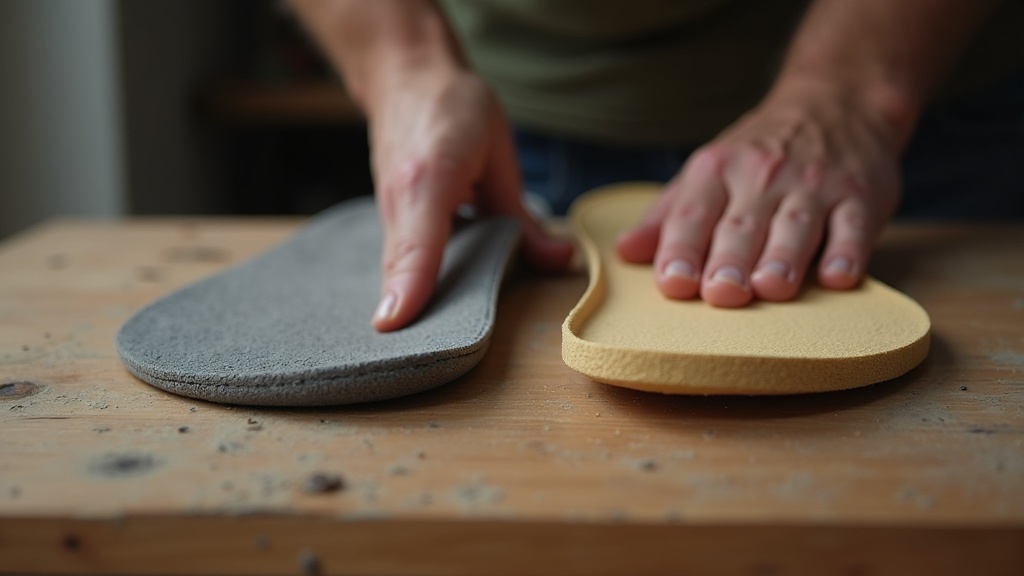
Pull out the factory insole and put in a Superfeet Green, a Powerstep Pinnacle, or a custom orthotic. This single change helps more people more than any other modification. A $40 insole in a $70 boot will outperform a $150 boot with a stock footbed for plantar fasciitis.
Relace for top-of-foot pressure
If you get pain across the top of your foot, try window lacing: skip the eyelets directly over the pressure point. It takes two minutes and can eliminate the pain from extensor tendonitis without buying a new shoe.
Alternate two pairs
EVA foam needs 24 hours to fully decompress after a shift. Rotating between two pairs extends the life of both and gives your feet a slightly different load pattern every day. Less repetitive stress, longer shoe life.
Stretch before and after your shift
A calf stretch held for 30 seconds on each side before you put your boots on reduces plantar fascia tension during the day. After your shift, roll a frozen water bottle under your arch for five minutes. These cost nothing.
The best work shoes for foot pain are the ones that fit your foot type, match your work surface, and get replaced before they bottom out. Buy the right shoe once, take care of it, and your feet will still be functional in ten years. That's the whole play.
