


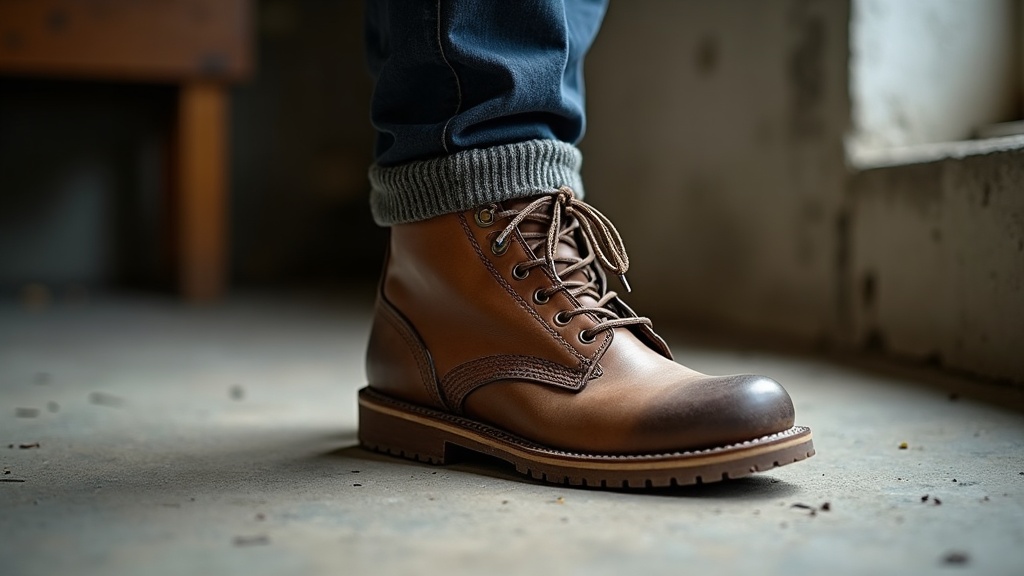
Your socks are the last thing you think about before a shift and the first thing you curse by hour six. If you're standing on concrete, swinging a hammer, or hauling gear from dawn to close, what's between your foot and that boot matters more than most guys realize.
The cotton or wool socks debate isn't complicated, but it does depend on the job, the season, and how hard your feet sweat. Here's the straight answer.
Key points at a glance
- Cotton is comfortable when dry but turns clammy fast once you start sweating.
- Merino wool manages moisture, regulates temperature, and resists odor through a full shift.
- For cold-weather or physically demanding work, wool wins without much argument.
- In hot dry conditions with low-sweat jobs, quality cotton holds its own.
- Durability depends more on construction than fiber: reinforced heels and toes matter on both.
- If you have diabetes or circulation issues, the material choice carries real health stakes.
What This Guide Gives You
The Short Answer: Cotton Is Fine Until Your Feet Start Sweating
If your job is light, your boots stay dry, and you're off your feet by noon, a good pair of thick cotton socks will do the job. No argument there.
The second you start generating serious heat and sweat, cotton becomes a liability. It absorbs moisture and holds it, which means your feet stay wet, and wet feet blister, chafe, and break down faster than they should.
How Cotton Socks Actually Behave During a Full Shift
Cotton soaks up sweat quickly, which feels fine for the first hour or two. By midday on a physical job, that same moisture has nowhere to go inside a closed boot.
The result is a sock that bunches, slides, and loses its cushion. Blisters form at friction points, usually the heel and the ball of the foot. In cold weather, wet cotton drops your foot temperature fast, which is a real problem if you're working outdoors.
Check out our guide as well: Boots and Socks: Why the Pairing Matters More Than Either One Alone
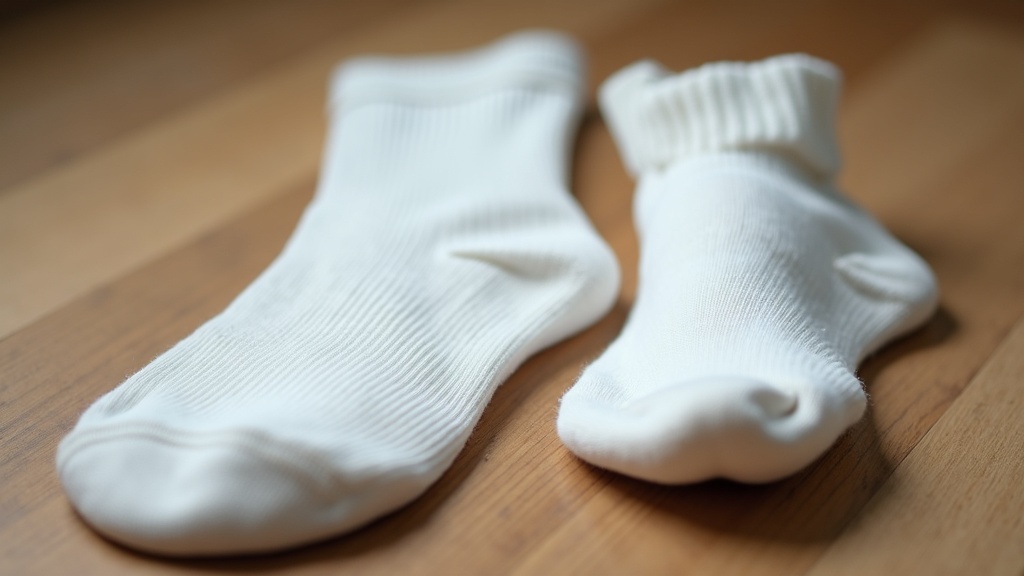
How Wool Socks (Especially Merino) Handle the Same Conditions
Wool, and merino in particular, works differently at the fiber level. It wicks sweat away from your skin and moves it outward, where it can evaporate, even inside a boot.
Merino wool also has natural crimp in its fibers that traps air, giving it insulating properties even when damp. And it resists odor-causing bacteria better than cotton, which matters a lot on a double shift.
Did you know?
Merino wool fibers are typically under 19 microns in diameter, fine enough that they bend rather than prickle against skin. That's why high-quality merino socks feel soft even against bare feet, unlike coarser wool blends.
Cotton or Wool Socks for Sweaty Feet: Here's the Honest Breakdown
This is where the debate really gets decided. If you have sweaty feet, wool wins. Full stop.
Cotton absorbs up to 27 times its weight in water and stays wet. Merino wool can absorb up to 30% of its weight in moisture vapor before it even feels damp to the touch. That difference is the entire game for guys whose feet sweat through a shift.
- Heavy sweaters: Go merino, 18-micron or finer if you can find it.
- Moderate sweaters: A wool-cotton or wool-nylon blend gives you comfort and cost savings.
- Light sweaters with dry jobs: Quality cotton works fine, especially a tighter knit like combed cotton.
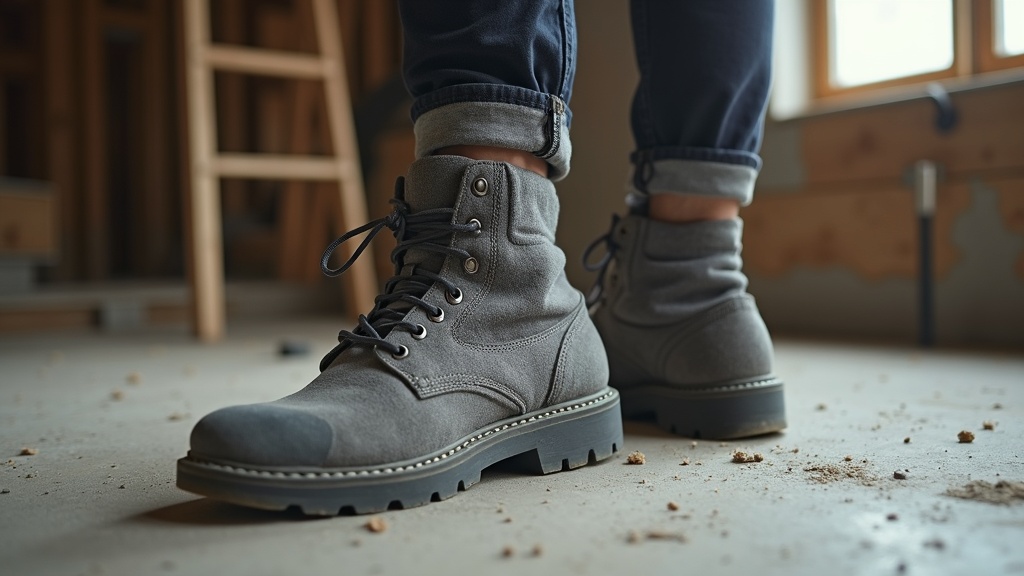
Winter Work vs. Summer Work: Which Material Makes Sense When
For winter work, wool is not optional if you're outside. It insulates when wet, it won't collapse on you when temperatures drop, and a mid-weight merino or wool blend will keep your feet functional when it's 20 degrees and you're still on that slab.
For summer work, the answer is less obvious. A lightweight merino sock still outperforms cotton on moisture management, even in heat. But if your work is mostly sedentary or in a climate-controlled space, a breathable cotton blend is cheaper and totally serviceable.
Did you know?
The U.S. military switched from cotton to merino wool blend socks for infantry units after studies showed that cotton socks increased blister rates and trench foot risk during extended field operations in wet conditions.
Durability and Cost: Which One Is Worth Your Hard-Earned Money
Cotton socks cost less upfront, sometimes $3 to $6 a pair. Merino wool work socks run $15 to $30. That gap feels steep, but the math isn't as bad as it looks.
A well-constructed merino sock with reinforced heel and toe will outlast three or four cheap cotton pairs. The key phrase there is well-constructed. A thin merino sock with no reinforcement will blow out fast on a work boot.
| Feature | Cotton Socks | Merino Wool Socks |
|---|---|---|
| Moisture management | Absorbs and holds moisture | Wicks and releases moisture |
| Insulation when wet | Drops significantly | Retains warmth |
| Odor resistance | Low after sweating | High, multi-day wear |
| Cost per pair | $3 to $8 | $15 to $30 |
| Lifespan (heavy use) | 3 to 6 months | 12 to 24 months |
| Best for | Light, dry, warm-weather work | Physical trades, outdoor, cold weather |
Special Cases Worth Knowing: Diabetes, Neuropathy, and Poor Circulation
If you have diabetes or neuropathy, foot moisture isn't just uncomfortable. It's a risk factor for skin breakdown, infection, and serious complications. Cotton socks are a bad call here.
Wool or moisture-wicking synthetic blends are the standard recommendation from podiatrists for workers with these conditions. Seamless construction matters too. Look for socks with no raised toe seam and no tight elastic band at the cuff.
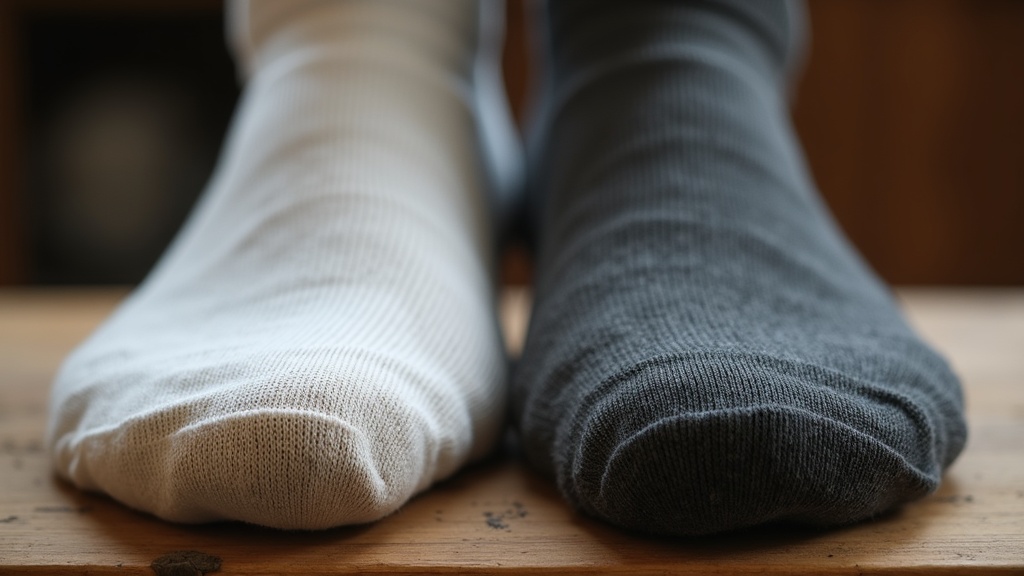
How to Tell If Your Socks Are Actually Wool (Not Just Labeled That Way)
A lot of socks use "wool" in the name but are barely 20% wool by content. That's not enough to get you the moisture and temperature benefits you're paying for. Here's how to check:
- Read the label: Look for at least 50% wool, ideally 60% or more. The rest is usually nylon for durability or a small amount of elastane for fit.
- The burn test: Pull a single thread and hold a flame to it. Wool singes, smells like burnt hair, and self-extinguishes. Cotton burns more cleanly. Synthetics melt.
- Feel the texture: Cheap wool blends feel coarse and scratchy. Merino at 18-19 microns should feel smooth against your palm.
- Price is a signal: A genuinely high-content merino work sock under $10 is almost always misleading on the label.
Check out our guide: Do Snow Socks Work on Ice? The Honest Answer for Workers
When to Grab Cotton, When to Grab Wool
Here's how to make the call fast, without overthinking it.
Reach for cotton when: your work is light, the weather is warm and dry, you're not on your feet more than four or five hours, and you're on a tight budget. A quality combed cotton sock will treat you fine.
Reach for wool when: you sweat hard, you're working outdoors in cold or wet conditions, you're on your feet all day on concrete or uneven ground, or you've been dealing with blisters or foot fatigue. The extra cost pays back in comfort and fewer foot problems.
If you can only own one type, and you work a physical trade year-round, a mid-weight merino blend with reinforced heel and toe is the single best investment you can make for your feet. Buy three pairs, rotate them, wash on cold, and they'll last you a solid year or two.
