


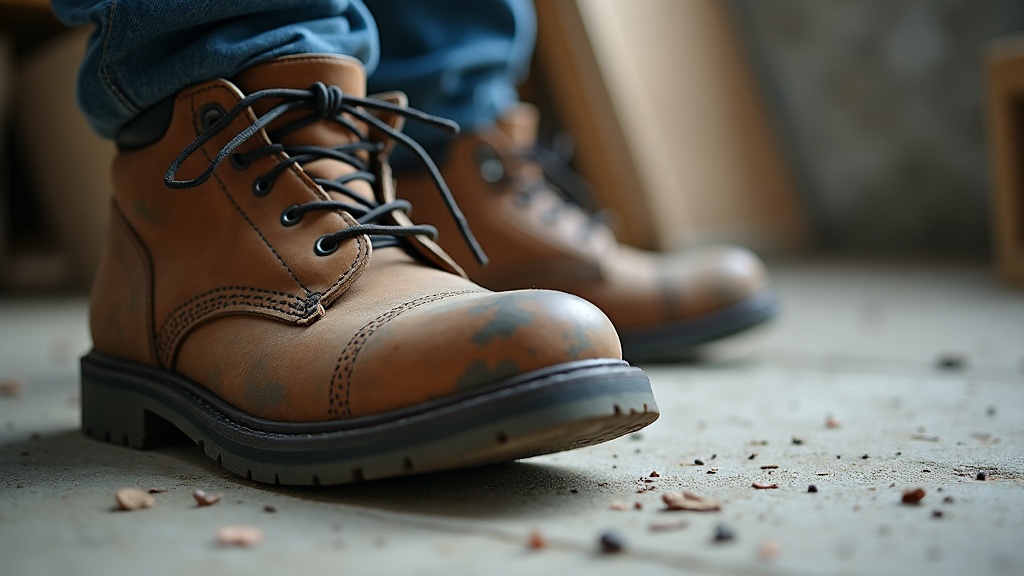
Your feet hurt at the end of every shift, and not just from the hours on your feet. Something harder is forming under the skin, a thick pad or a deep knot that makes every step feel like stepping on a pebble. That's a callus or a corn, and your work boots are almost certainly the reason.
The good news: this isn't a medical mystery. Pressure plus friction equals thickened skin. Change the pressure, change the friction, and you stop the problem at the source. Here's exactly how to do that.
Key points at a glance
- Calluses and corns are not the same thing: knowing the difference changes how you treat them.
- Work boots cause both through repetitive pressure, poor fit, and inadequate cushioning.
- The right insole can cut friction dramatically and is the single fastest fix you can make today.
- Sock material and boot fit matter as much as any treatment you apply after the fact.
- Corn and callus removers work, but only if you fix the root cause at the same time.
- Persistent, painful, or recurring skin lesions on a diabetic foot need a podiatrist, period.
What This Guide Does for You
What's Actually Happening to Your Feet (Corn vs. Callus, Straight Talk)
Your skin is smart. When something keeps rubbing or pressing against it, it builds up extra layers of dead skin to protect what's underneath. That's all a callus or a corn is: a defensive response gone too far.
A callus is a broad, flat thickening of skin. It usually sits on the ball of the foot, the heel, or the outer edge. It's not pinpoint painful. Most of the time it just feels tough and maybe a little tender when you press hard on it. A plantar callus specifically forms on the bottom of the foot and is very common in boot wearers who spend all day on hard surfaces.
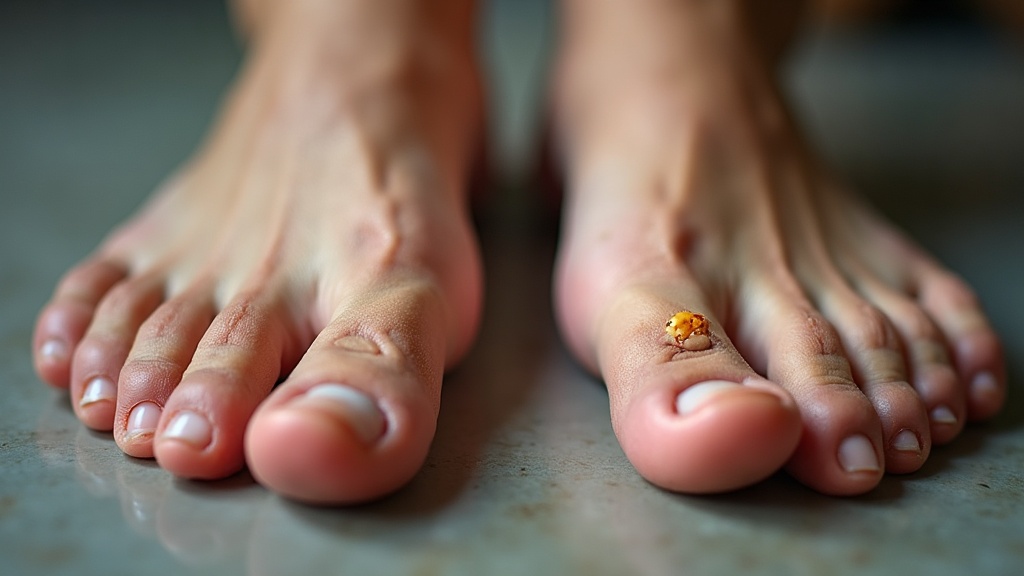
A corn is different. It's smaller, rounder, and it has a hard central core that presses into deeper tissue. That core is why a corn hurts so much more than a callus. Soft corns, which look whitish and rubbery, typically form between toes where skin stays moist. Hard corns show up on bony spots like the top of a bent toe or the side of the little toe.
Why Work Boots Are the Main Culprit
Yes, work boots cause calluses and corns. The design of a typical safety boot is built around protection, not biomechanics. Steel toes, rigid midsoles, and thick leather uppers concentrate pressure on the same spots hour after hour, shift after shift.
Three specific factors drive the problem:
- Poor fit: A boot that's even a half-size too small pinches the toes and squeezes the sides of the foot. One that's too big lets the foot slide forward with every step, slamming the toes into the toe box.
- Flat, cheap insoles: Factory insoles in most work boots are thin foam boards. They compress within weeks and provide almost no cushioning or arch support, leaving bony prominences to take the full load.
- Stiff uppers: New leather doesn't flex. It rubs the same spot on your foot repeatedly until the skin toughens up or breaks down into a painful corn.
Did you know?
The average construction worker takes between 8,000 and 10,000 steps per shift. Every single one of those steps applies force to the same pressure points in a work boot. That cumulative load is why calluses form faster on the job than in everyday footwear.
The Real Fixes: How to Stop Calluses and Corns Before They Start
Prevention is where you actually win this fight. Treating what's already there without fixing the cause just means it comes back in three weeks.
Get the fit right
Buy work boots at the end of the day when your feet are at their largest. You need a thumb's width between your longest toe and the front of the boot. The heel should sit snug with minimal lift when you walk. If the boot has a wide toe box option, take it.
Break in new boots gradually
Don't wear new boots for a ten-hour shift on day one. Wear them for two to three hours, then switch to a broken-in pair. Give the leather time to soften and conform to your foot shape before you commit to a full day.
Use moleskin or gel pads on problem spots
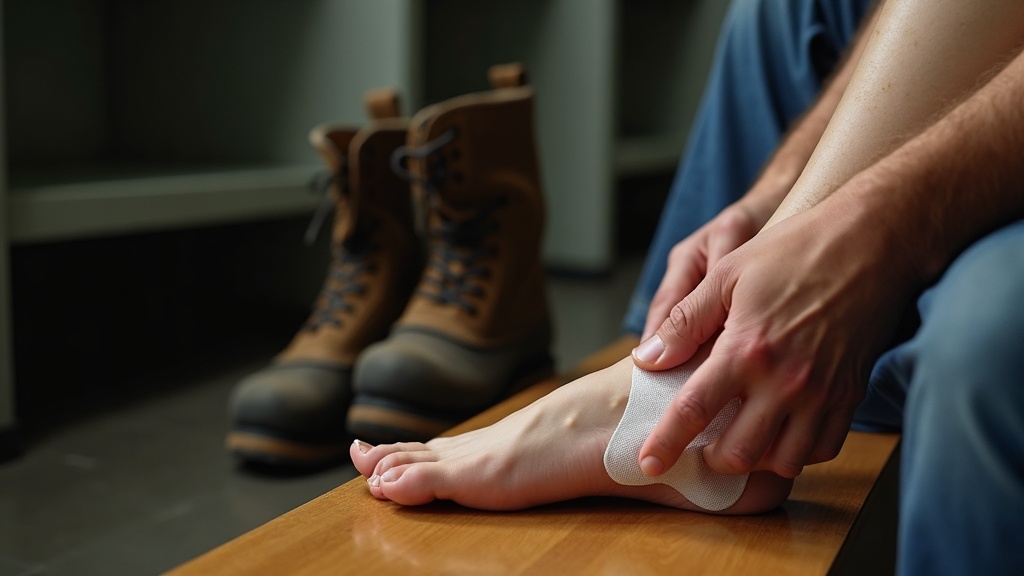
If you already know where your boots rub, put a moleskin pad directly on that spot on your foot before you lace up. It reduces friction at exactly the place that needs it.
Best Insoles for Corns and Calluses on the Job
This is the highest-impact upgrade most workers never make. A quality aftermarket insole redistributes pressure across the whole foot instead of letting it pile up on one spot. The stock foam insert that came in your boot isn't doing that job.
When picking insoles to prevent corns and calluses, look for three things: metatarsal padding, firm arch support, and a heel cup. The metatarsal pad lifts the ball of the foot and takes pressure off the bony knuckles where calluses and corns form most often.
| Insole Type | Best For | Key Feature | Price Range |
|---|---|---|---|
| Superfeet Green | High arches, hard surfaces | Deep heel cup, rigid shell | $45, $55 |
| Dr. Scholl's Work Insoles | Budget-conscious workers | Shock absorbing gel, metatarsal pad | $12, $18 |
| Timberland PRO Anti-Fatigue | All-day standing, concrete floors | Inverted cone geometry for energy return | $30, $40 |
| Powerstep Pinnacle | Plantar fasciitis + callus prevention | Dual-layer cushioning, firm arch | $40, $50 |
| Custom orthotics | Chronic or severe cases | Fitted to your specific foot shape | $200, $600 |
Socks, Fit, and the Small Details That Make a Big Difference
Cotton socks are cheap but they're terrible for feet inside work boots. Cotton holds moisture. Wet skin softens, softened skin shears more easily, and shearing creates calluses and corns faster than dry skin does.
Switch to moisture-wicking socks made from merino wool or a synthetic blend. They pull sweat away from the skin and keep friction lower throughout the day. Thickness matters too: a medium-cushion work sock adds a layer of padding between your foot and the boot.
Did you know?
Merino wool can absorb up to 30% of its own weight in moisture before it feels wet. A merino work sock keeps your foot significantly drier than a cotton sock across a full eight-hour shift, which directly lowers the rate at which skin thickening develops.
One more detail: lacing technique. If your heel lifts inside the boot, your foot is sliding forward and slamming your toes into the toe box with every step. A heel-lock lacing pattern (looping the lace through itself at the top two eyelets) can eliminate that lift without tightening the forefoot.
How to Treat a Callus or Corn That's Already There
If the damage is already done, you have options. None of them are magic, and all of them require patience.
For a callus
- Soak the foot in warm water for 10 to 15 minutes to soften the skin.
- Use a pumice stone or foot file to gently reduce the thickened area. Don't try to remove it all in one session.
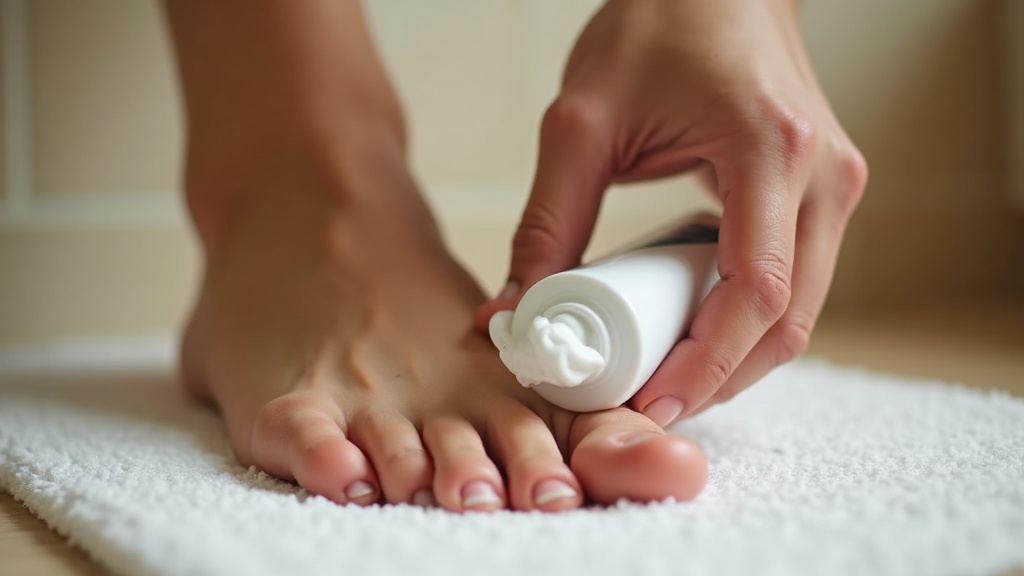
- Apply a urea-based cream (20, 40% urea) at night and cover with a sock. Urea breaks down thickened skin chemically over days to weeks.
For a painful callus on the foot or a corn
- Salicylic acid pads (like Dr. Scholl's corn removers) dissolve the hardened skin over one to two weeks. Do not use these if you have diabetes or poor circulation.
- Keep the area padded with a donut-shaped corn pad to relieve pressure while the treatment works.
- Never cut a corn with a blade at home. Infection risk is real, and you'll likely cut too deep.
When to See a Podiatrist (And How to Know You've Hit That Point)
Most calluses and corns are a nuisance, not a danger. But some situations require a professional.
- You have diabetes, neuropathy, or peripheral artery disease. Any wound or lesion on a diabetic foot can escalate fast. Don't self-treat.
- The corn or callus is bleeding, infected, or has an open wound.
- The pain is severe enough that it's changing how you walk, which then stresses your knees, hips, or back.
- You've treated it consistently for four to six weeks and it keeps coming back in the exact same spot.
A podiatrist can debride a corn safely in one appointment, prescribe custom orthotics, and identify any structural foot issue (like a hammertoe or bunion) that's driving the problem. Worth the copay.
Can You Permanently Get Rid of Corns and Calluses?
Straight answer: if the pressure stays, the callus comes back. That's just biology. The only way to stop them permanently is to permanently eliminate the source of friction and pressure.
For most workers, that means better boots, better insoles, and better socks worn consistently. For some, it means correcting an underlying foot deformity. And for a handful, surgical correction of a hammer toe or bunion is the only thing that finally stops a corn from recurring at the same spot every six weeks.
But start with the basics. Better insoles cost $30 to $50. Merino socks run $15 to $25 a pair. A good pair of properly fitted work boots lasts two to three years. That's a small investment compared to years of painful shifts. Fix the fit, add the cushion, swap the socks. Do that first. Most guys find that's all they needed.
