


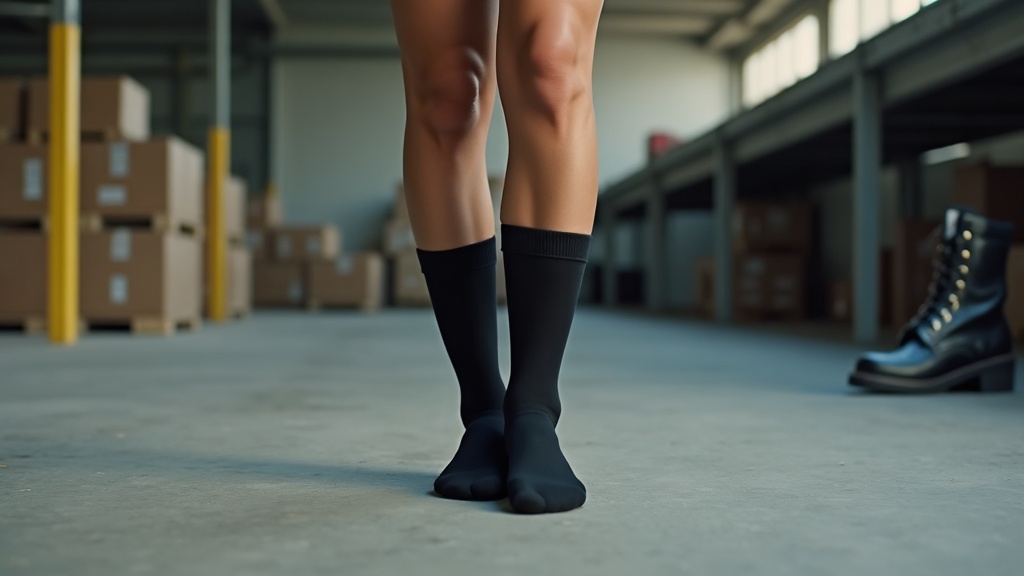
Your feet hit the floor at 5 a.m. and they don't stop moving until your shift ends ten hours later. By mid-afternoon, your ankles are puffy, your calves ache, and your boots feel like they're two sizes too small.
That's not just fatigue. That's your circulatory system losing the battle against gravity, all day long. Compression socks fix that, and the science behind them is a lot more straightforward than the marketing makes it sound.
Key points at a glance
- Compression socks squeeze the leg from the ankle up, pushing blood back toward the heart instead of pooling in your feet.
- Women who stand all day, travel by air, or are pregnant see the most consistent relief from swelling and fatigue.
- Medical-grade compression (15, 30 mmHg) works; casual fashion-compression socks under 10 mmHg barely move the needle.
- Wearing them 6 to 8 hours during your active period is the sweet spot for most working women.
- A few conditions, including arterial disease, make compression socks dangerous. Know the list before you buy.
- Fit matters more than brand. A sock that bunches or rolls down does nothing useful.
Why Your Legs Will Thank You
What Compression Socks Actually Do (No Fluff, Just the Mechanics)
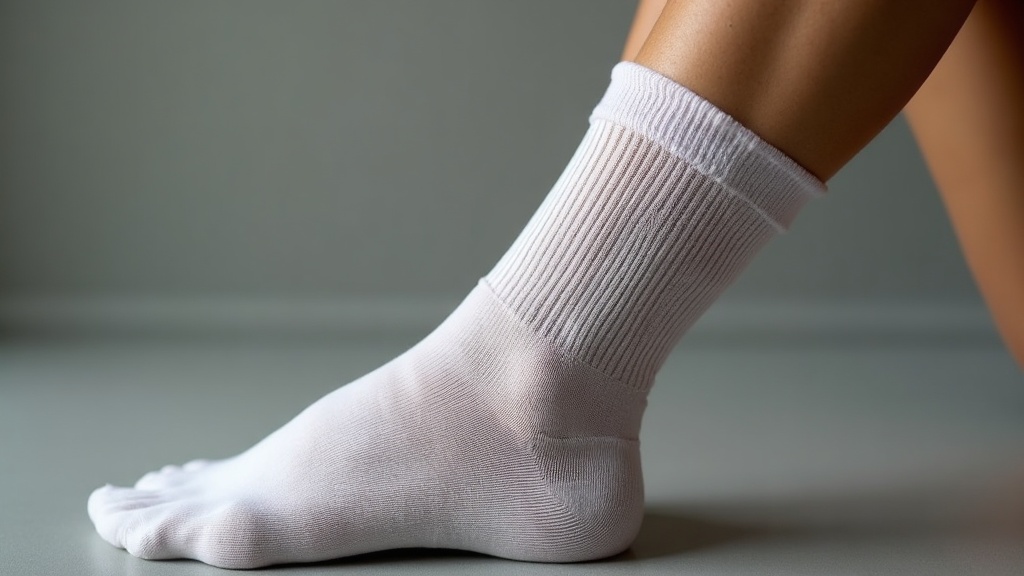
Compression socks apply graduated pressure: tightest at the ankle, easing up as they move toward the knee. That gradient is the whole point.
When you stand or sit for hours, blood and fluid collect in the lower legs because gravity is working against your veins. The external squeeze mimics the pumping action your calf muscles perform when you walk, pushing that pooled blood back up toward the heart.
The result: less swelling, better oxygen delivery to tired muscle tissue, and a measurable drop in the heavy, aching feeling most people chalk up to just having a hard job.
The Real Benefits of Compression Socks for Women on Their Feet All Day
For women in healthcare, retail, food service, manufacturing, or warehousing, the compression socks for women benefits go well beyond comfort.
Swelling relief that actually shows up
Edema, the medical word for fluid buildup in soft tissue, is the number one complaint from women who stand all day. Compression socks reduce it by keeping fluid from settling in the first place, not just draining it after the fact.
Circulation that works for you, not against you
Compression socks blood circulation women research consistently shows improved venous return, meaning the blood moves back up the leg faster and more completely. Less pooling means less risk of varicose veins developing over years of shift work.
End-of-shift recovery
Women who wear compression consistently report waking up the next morning with legs that feel closer to normal. That matters when your next shift starts in 16 hours.
Did you know?
A 2014 study published in the Journal of Vascular Surgery found that nurses who wore 15, 20 mmHg compression stockings during 12-hour shifts reported significantly less leg fatigue and swelling compared to those who wore regular socks. The compression group also showed measurably faster venous refill times by end of shift.
When Should a Woman Wear Compression Socks? Shift Work, Long Hauls, and More
The question of who should wear compression socks has a pretty wide answer. It's not just a medical thing.
- Standing all day: nurses, teachers, retail workers, line cooks, assembly workers
- Sitting all day: desk jobs, long-haul flights over four hours, cross-country drives
- Pregnancy: increased blood volume and pressure on pelvic veins makes swelling almost unavoidable without help
- Post-surgery recovery: doctors routinely prescribe compression to reduce DVT risk after procedures
- Running and athletic training: faster muscle recovery between training days
- Varicose or spider veins: compression slows their progression and reduces the aching they cause
If your legs feel tired, heavy, or swollen on a regular basis, that's the signal. You don't need a diagnosis to benefit from a 20 mmHg sock.

How Many Hours a Day Should You Wear Compression Socks?
The answer to how long to wear compression socks depends on why you're wearing them, but the general rule is straightforward.
- For daily swelling and fatigue: put them on in the morning before you stand up, wear them through your active hours, take them off before bed. Six to ten hours is typical.
- For flights or long drives: wear them the entire duration of travel plus two hours after you land or arrive.
- For medical conditions like DVT prevention: follow your doctor's specific instructions. Some post-surgical patients wear them 23 hours a day for weeks.
Do not sleep in compression socks unless a physician tells you to. When you're lying flat, your body doesn't need the assist. Wearing them overnight without cause can restrict circulation rather than help it.
Where Does the Fluid Actually Go When You Wear Them?
This question comes up constantly, and it's a fair one. The fluid doesn't disappear. Compression increases interstitial pressure in the tissue around your leg veins, which pushes fluid back into the bloodstream and lymphatic vessels.
From there, your kidneys filter it and you excrete it. That's why some women notice they urinate more when they first start wearing compression socks regularly. That's normal, and it's actually a sign the socks are doing their job.
Did you know?
The lymphatic system has no pump of its own. Unlike blood, lymph fluid relies entirely on muscle movement and external pressure to keep moving. This is exactly why compression socks help even when you're sedentary, they provide the mechanical force your lymph vessels would otherwise only get from walking.
Is There a Downside to Wearing Compression Socks All Day?
For most healthy women, no. But a few things are worth knowing.
- Skin irritation: if the sock bunches at the ankle or cuts into the back of the knee, it creates a tourniquet effect in that spot. Get the right size.
- Heat: thicker compression socks trap heat. In summer or in hot environments, look for moisture-wicking nylon blends, not wool.
- Dependency myth: some women worry their legs will stop working properly without the socks. There's no evidence of this. Your veins don't get lazy from compression assistance.
The biggest actual downside is a poor fit. A sock that's too loose does nothing. A sock that's too tight cuts off circulation instead of supporting it.
Who Should NOT Wear Compression Socks
This is non-negotiable. Certain conditions make compression socks genuinely dangerous.
- Peripheral arterial disease (PAD): if your arteries are already struggling to push blood down to your feet, squeezing the leg from outside can cause serious ischemia.
- Severe peripheral neuropathy: if you can't feel pressure or pain in your lower legs, you won't notice damage developing under the sock.
- Active skin infections, open wounds, or fragile skin: compression over broken skin makes things worse.
- Uncontrolled congestive heart failure: pushing fluid back into the bloodstream faster can overload a compromised heart.
If any of these apply to you, talk to a physician before you put on a pair. Medical compression socks for women benefits are real, but the prescription-level stuff requires professional guidance.
What to Look for Before You Buy: Fit, Pressure Level, and Build Quality
Here's where most people waste money: they grab whatever's cheap at the drugstore without checking the pressure rating or measuring their calf circumference.
| Compression Level | Pressure (mmHg) | Best For | Notes |
|---|---|---|---|
| Mild | 8, 15 mmHg | Light fatigue, travel, minor swelling | Over-the-counter; good starting point |
| Moderate | 15, 20 mmHg | Shift work, pregnancy, varicose veins | Most effective OTC option for workers |
| Firm | 20, 30 mmHg | Chronic venous insufficiency, DVT prevention | Doctor-recommended for medical use |
| Extra Firm | 30, 40 mmHg | Severe edema, post-surgical recovery | Prescription only; requires physician guidance |
| Fashion Compression | <10 mmHg | Basically nothing therapeutic | Looks the part; doesn't do the work |
Sizing: measure your calf, not your shoe
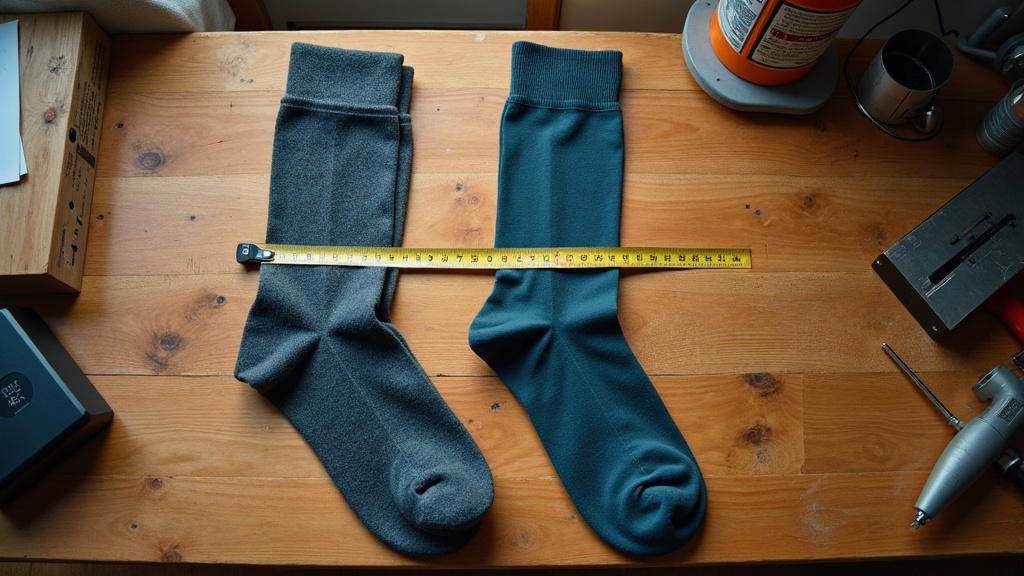
Measure the widest part of your calf in the morning, before swelling sets in. That number, combined with your ankle circumference and height, determines your size. Every brand publishes a chart. Use it.
Material for work boots
If you're wearing them inside steel-toe boots all day, avoid thick wool blends. A nylon-spandex or polyester-spandex blend stays thin, wicks moisture, and doesn't bunch up inside a tight boot shaft.
Bottom Line: Are Compression Socks Worth It for Trade and Warehouse Women?
A quality pair of 15, 20 mmHg compression socks runs $20 to $45. That's less than one co-pay, and it works every single shift.
If you're dealing with compression socks swelling relief needs, end-of-day leg pain, or early varicose vein development, the answer is yes, they're worth it. Buy the right pressure, get the right size, and put them on before you start your shift, not after your legs are already blown up.
The best compression socks for women aren't the fanciest or the most expensive. They're the ones that fit correctly, hold their compression after washing, and fit inside your actual work footwear. Do that right and you'll feel the difference by the end of your first shift.
