


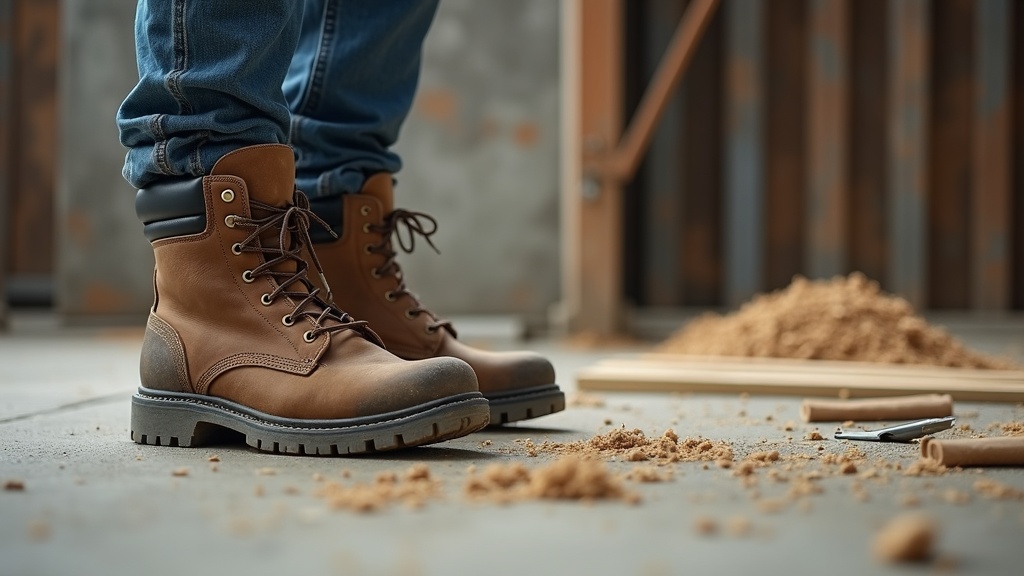
Your feet are on the ground every single hour of your shift. Bad socks don't just cause blisters, they slow you down, wreck your focus, and cost you more in the long run when you're replacing them every month. Socks matter on the job. Nobody talks about it enough.
This is a straight breakdown of what works, what fails, and why some socks are worth twice the price tag of others. No brand fluff. Just what you need to know before you buy.
Key points at a glance
- Most work socks fail by midday because of poor moisture control, not cushion thickness.
- Merino wool and bamboo outperform synthetic blends for all-day comfort and odor resistance.
- For 12-hour shifts, look for reinforced heel and toe zones, not just a thick sole.
- Work socks for sweaty feet need moisture-wicking fibers, not just cotton.
- Heavy-duty socks should fit snugly without bunching inside a steel-toe boot.
- Rotating three to four pairs and washing them right can double their lifespan.
What a great work sock actually does for you
Why Most Work Socks Fail You by Lunch
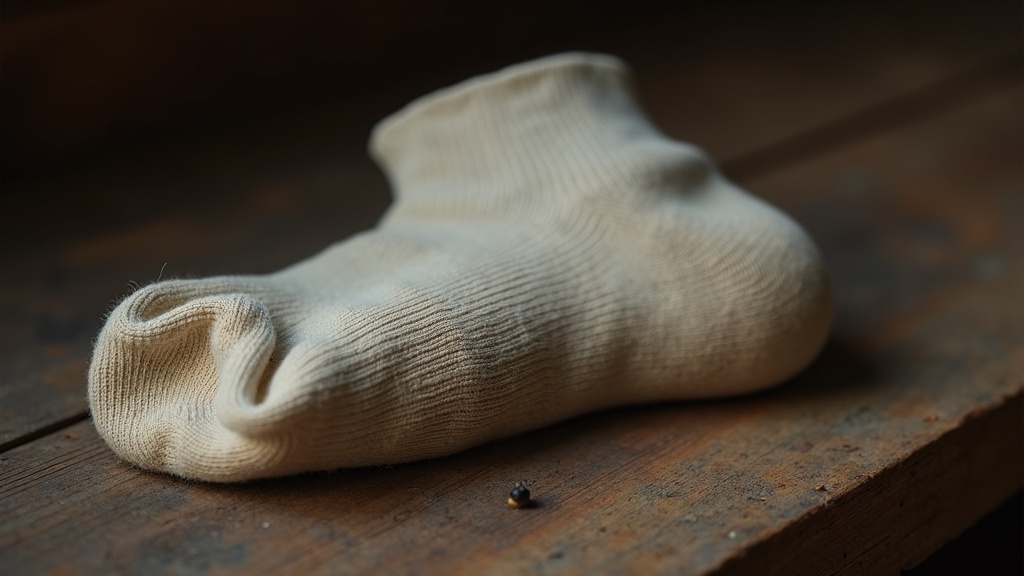
The number one culprit is cotton. Cotton soaks up moisture and holds it against your skin. By hour four, you've got wet, warm fabric rubbing against your heel with every step. That's where blisters start.
The second problem is fit. Cheap socks stretch out fast. Once the elastic in the cuff gives, the sock rides down into the toe box of your boot and folds. That fold becomes a hot spot, then a blister, then a real bad day.
What to Look For in a Work Sock
Material first
Fiber is everything. The material determines how your sock handles sweat, heat, and friction. Cotton is the worst choice for hard labor. Merino wool, bamboo, and technical synthetics are all better options for different reasons.
Cushion where it counts
You want targeted cushioning, thick padding at the heel and ball of the foot, not a uniformly thick sock that makes your boot tight. A sock that's too bulky compresses your toes and cuts off circulation.
Fit and stay-up power
Look for reinforced arch support and a cuff with real elastic content. Work socks that don't fall down use a combination of nylon and spandex in the cuff and a snug arch band to lock the sock in place. That detail alone separates decent socks from great ones.
Bamboo vs. Wool vs. Synthetic: Which One Wins on the Jobsite
Each material has a real use case. Here's the honest comparison.
| Material | Best For | Weakness | Durability |
|---|---|---|---|
| Merino Wool | Temperature regulation, odor control, cold-weather jobs | Higher price, can wear thin without nylon reinforcement | High (with nylon blend) |
| Bamboo | Sweaty feet, warm climates, odor resistance, sensitive skin | Less insulating in cold, softer fibers need nylon boost | Medium-High |
| Synthetic (Polyester/Nylon) | Heavy-duty abrasion resistance, budget-conscious buyers | Odor builds up fast, less breathable than natural fibers | Very High |
| Cotton | Light office or casual wear only | Retains moisture, blisters, shrinks, wears fast | Low |
| Merino/Nylon Blend | Best all-around for 12-hour shifts in variable conditions | Costs more upfront | Very High |
Did you know?
The average worker takes between 8,000 and 10,000 steps per shift. That's roughly four miles of pressure on your heel and ball of the foot, every single day. The sock sitting between your skin and your boot absorbs a meaningful fraction of that impact.
Best Work Socks for Sweaty Feet and Long Shifts
If your feet sweat through anything, moisture management is the only spec that matters. Look for bamboo or merino blends with a wicking layer built into the fabric structure, not just a marketing claim on the label.
For the best work socks for men on feet all day, the combination of a moisture-wicking fiber and a targeted cushion pad under the ball of the foot is what keeps fatigue down through hour ten and beyond. Flat, soaked socks give you nothing after hour six.
Read also: Best Insoles for Work Boots Construction: A Field Guide
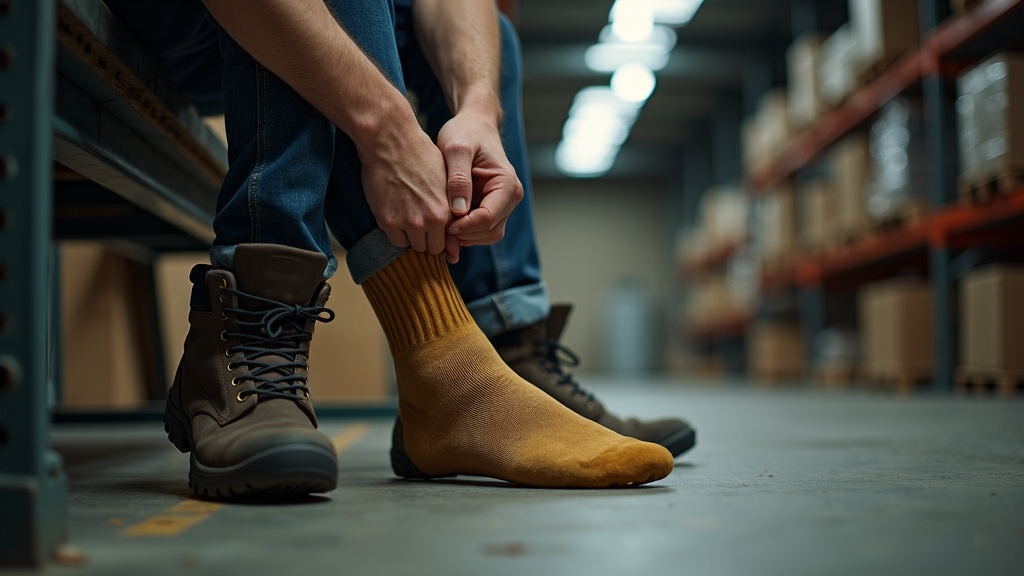
Three features to check for sweaty feet:
- Fiber content: bamboo viscose or merino, not 80% cotton
- Ventilation zones: mesh panels on the top of the foot let heat escape
- Antibacterial properties: bamboo and merino naturally inhibit odor-causing bacteria
Heavy Duty Work Socks for the Roughest Jobs
If you're on concrete all day, hauling lumber, or working a site where your boots take a beating, heavy duty work socks need to be built differently. Thicker terry loop cushioning on the sole. Reinforced heel and toe caps with extra nylon content. A tighter knit through the arch.
Thin dress-style socks inside a steel-toe boot is a recipe for pain by noon. You want something with real mass in the sole, but not so thick it changes your boot fit and creates pressure points across the top of your foot.
Did you know?
Merino wool fibers can absorb up to 35% of their own weight in moisture before they start to feel wet against the skin. That's roughly five times the moisture capacity of a standard polyester fiber, which is why merino work socks for cold-weather jobs hold up so well even when you're sweating inside heavy insulated boots.
About Work Bamboo Socks: What the Buzz Is Actually About
Bamboo work socks have picked up a real following over the last few years, and it's not just marketing. Bamboo viscose is naturally softer than cotton, breathes well in warm conditions, and resists bacterial growth without any chemical treatment.
For workers in hot climates or jobs where ventilation inside the boot is poor, bamboo socks genuinely outperform most alternatives at a mid-range price. The catch: pure bamboo wears faster under abrasion. Look for bamboo blended with nylon, usually around 70/20/10 bamboo, nylon, spandex. That blend gives you the comfort and breathability with enough durability to actually last.
How to Get More Life Out of Your Work Socks
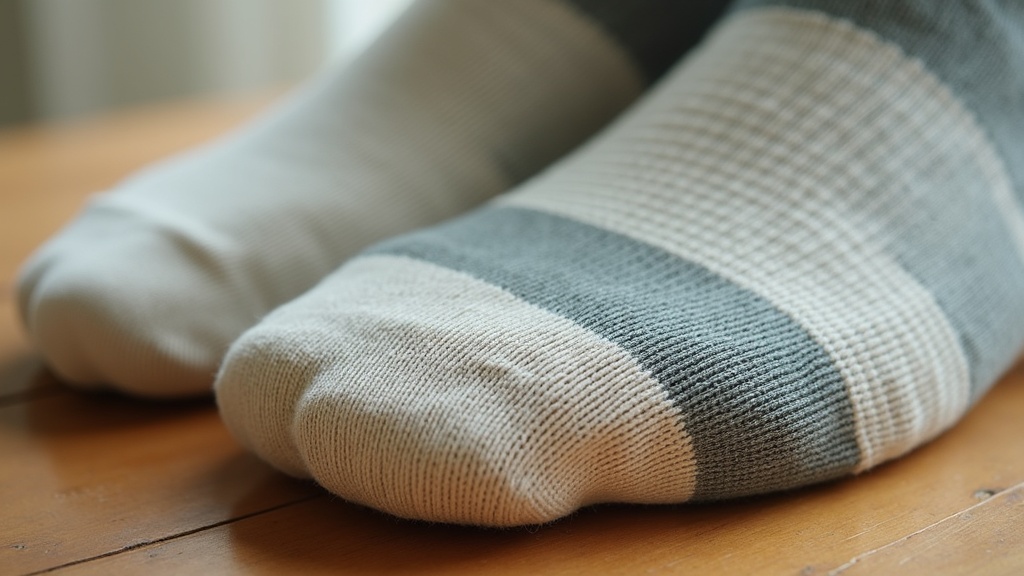
Even a quality sock dies early if you wash it wrong. Heat is the enemy. Wash in cold water, skip the dryer when you can. High heat breaks down elastic fibers and shrinks wool and bamboo blends. Air drying adds months to the lifespan of a good pair.
- Rotate at least three to four pairs so no single pair gets worn two days straight
- Turn socks inside out before washing to protect the outer surface from abrasion in the drum
- Never wash heavy wool socks with jeans or abrasive fabrics
- Replace when the heel or toe cushion has thinned to the point where you can feel the boot sole directly
What Do the Best Work Socks for 12-Hour Shifts Have in Common
After a full shift on your feet, the socks that made it through without bunching, soaking, or sliding down share a short list of traits. This is the checklist worth running before you buy any pair marketed as a work sock.
- Fiber: merino wool, bamboo, or a technical blend. No plain cotton.
- Reinforcement: nylon-reinforced heel and toe. Not just extra layers, actual nylon content.
- Cushion: targeted, not uniform. Heavy in the heel and ball, lighter across the top.
- Cuff: stays up without cutting off circulation. Spandex and nylon in the band, not just loose elastic.
- Fit: true to size. A sock that's too large will fold. A sock that's too tight will restrict blood flow.
- Moisture control: wicking fibers that move sweat away, not materials that trap it.
Spend ten dollars more per pair on socks that actually hold up and you'll spend less over the year, and your feet will thank you every afternoon. That's the straight math on it.
