


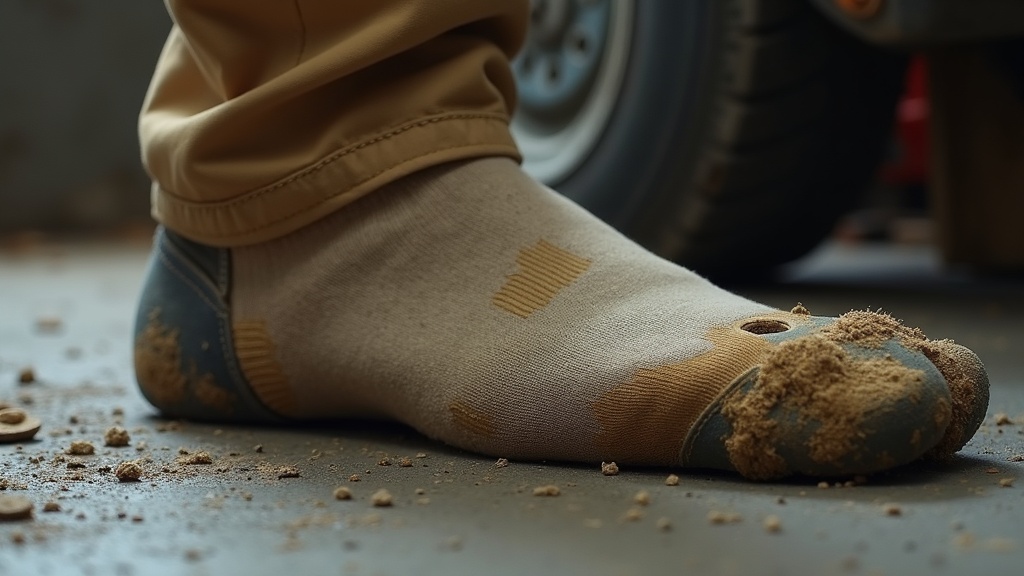
By day three in a cheap pair of work socks, most guys aren't thinking about fabric. They're thinking about why their heels are raw, why their boots smell like a locker room, and why there's a hot spot under their pinky toe that won't quit.
This isn't bad luck. It's what happens when you put the wrong material on your feet for ten-hour shifts. The sock matters more than most workers ever realize, and once you understand why, you won't buy the bargain bag again.
Key points at a glance
- Cheap cotton socks trap moisture within the first hour, turning sweat into a blister machine.
- Thin fibers break down fast under boot friction, leaving zero cushioning by day three.
- Prolonged wet socks can lead to real medical problems, including trench foot.
- Quality work socks last 1 to 3 years. Cheap ones fall apart in weeks.
- Merino wool and moisture-wicking synthetics are the two materials that actually protect workers.
- The math is simple: one good pair costs less long-term than buying cheap socks every month.
What a real work sock does for you
What Actually Happens to Your Feet Inside a Cheap Sock (Hour by Hour)
Hour one feels fine. The sock is clean, the boot feels broken in, and you're moving. No complaints.
By hour three, your feet have already produced a significant amount of sweat. A cheap cotton sock holds that moisture against your skin instead of moving it away. The skin softens. Friction increases. Hot spots start forming.
By hour six, the thin terry loop cushioning has compressed flat. You're essentially standing on a layer of damp fabric with no padding between your heel and the boot's insole. The rubbing that started as a tingle is now a real blister.
By the end of day three, the fibers have pilled, the elastic is stretched, and the heel has thinned to near-transparency. What started as a sock is now just a cotton bag around your foot.
The Three Ways Cheap Socks Break Down Your Feet Fast
1. Zero moisture management
Cotton absorbs sweat but doesn't move it. Your feet stay wet. Wet skin blisters at a fraction of the friction that dry skin can handle.
2. No real cushioning
Cheap socks use minimal loop pile and low-grade yarn. It compresses in hours, not months. Once it's flat, there's nothing between your heel and the boot sole but a thin piece of damp fabric.
3. Poor fit that bunches and slides
Low-quality elastic and weak knit structure mean the sock shifts inside the boot. Every shift is a rub. Every rub is damage to skin that's already softened by moisture.
Did you know?
The average worker's foot produces up to half a pint of sweat per day inside a closed boot. Cotton fabric can absorb moisture equal to 27 times its weight, but it releases it slowly, meaning that sweat sits against your skin for hours rather than evaporating.
Moisture Is the Real Enemy: From Sweat to Trench Foot
Most foot problems on the jobsite trace back to one thing: prolonged moisture against skin. It starts with blisters, but it doesn't stop there.
Trench foot is a real medical condition, not just a World War I story. It happens when feet stay wet and cold for extended periods. The skin breaks down, nerves and blood vessels get damaged, and the pain can sideline a worker for days or weeks. You don't need to be standing in a flooded trench. Wet socks inside rubber boots in November can get you there.
The solution isn't complicated: moisture-wicking work socks that pull sweat away from the skin and push it toward the outer layer where it can evaporate. That one change eliminates most of the problems described above.
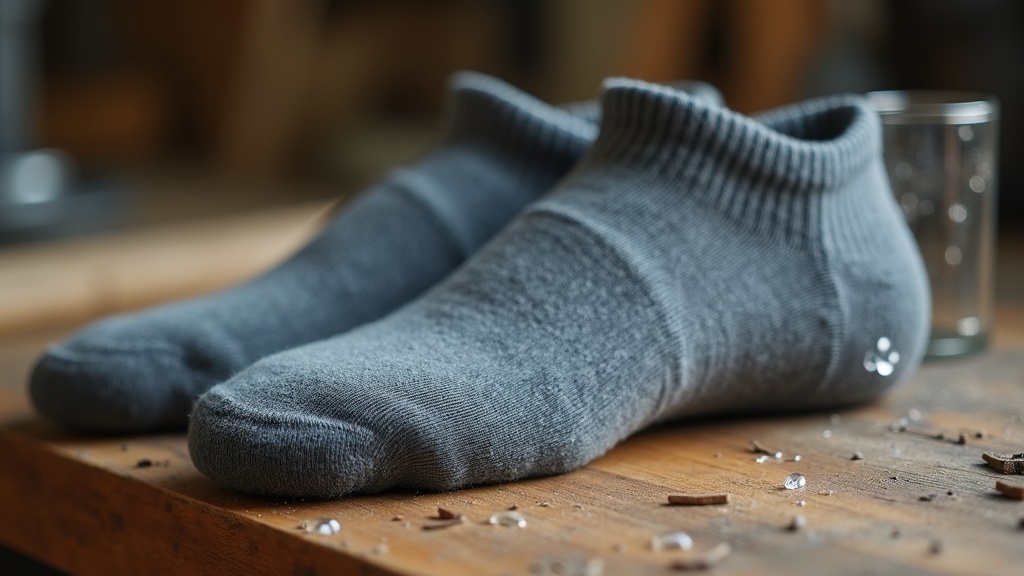
Are Cheap Socks Actually Bad for Your Feet? (Short Answer: Yes)
For a desk job? Probably fine. For a ten-hour shift in steel-toes on concrete? They're actively working against you.
The problem isn't just comfort. It's cumulative. Blisters break, get infected. Athlete's foot thrives in wet, warm environments. Plantar fasciitis gets worse when there's no cushioning underfoot. Your feet absorb enormous punishment on a jobsite, and the sock is the only layer of protection between your skin and that punishment.
Skimping on socks is like buying cheap gloves for welding. It works until it really doesn't.
How Long Should Work Socks Last? What You Should Expect
A quality pair of work socks should last one to three years with daily use, depending on the terrain and wash frequency. That means no holes, no blown-out heels, no thinning through the ball of the foot.
- Cheap socks: 2 to 8 weeks before noticeable wear through high-friction zones
- Mid-range socks (nylon blend): 3 to 6 months with regular use
- Premium merino or Darn Tough: 1 to 3 years, some brands offer a lifetime guarantee
The difference is in fiber density, yarn twist, and knit structure. Premium socks use tighter loops and reinforced zones at the heel and toe. Cheap socks use the minimum material to hold together long enough for you to open the bag.
What to Look for in a Work Sock That Won't Quit on You
You don't need a PhD in textiles. You need to check four things before you buy.
- Material: Merino wool or performance synthetic blend. Avoid 100% cotton for any physical work.
- Cushion zone: Look for targeted padding at the heel and ball, not uniform thickness everywhere.
- Height: Mid-calf or crew height keeps the boot top from rubbing your ankle raw.
- Fit system: Arch support banding and a snug toe box prevent bunching inside the boot.
| Material | Moisture Wicking | Durability | Best For |
|---|---|---|---|
| 100% Cotton | Poor, holds moisture | 2 to 8 weeks | Light indoor use only |
| Nylon Blend | Moderate | 3 to 6 months | General jobsite, warm weather |
| Merino Wool | Excellent, natural | 1 to 3 years | All seasons, sweaty feet, cold sites |
| Merino + Nylon | Excellent | 2 to 3+ years | Heavy-duty, high-friction work |
| Polyester Blend | Good | 6 to 12 months | Budget-conscious upgrade |
The Brands Worth Your Dollar: Darn Tough, Merino Wool, and More
A few names come up every time workers talk about socks that actually hold up. They're worth knowing.
Darn Tough (Vermont)
These socks carry an unconditional lifetime guarantee. You wear a hole in them, you send them back, they replace them. No questions, no receipt needed. The merino-nylon blend is dense and tight-knit, with reinforced heel and toe zones that last through years of boot use. This is the go-to for most serious tradespeople.
Smartwool Work
Another merino-based option with solid cushioning and great temperature regulation. The Work Heavy Crew is built for guys on their feet all day on unforgiving surfaces.
Wigwam and Carhartt
More accessible price points, typically nylon-cotton or synthetic blends. Not in the same durability tier as Darn Tough, but a massive step up from the bulk-bag cotton socks at the hardware store checkout.
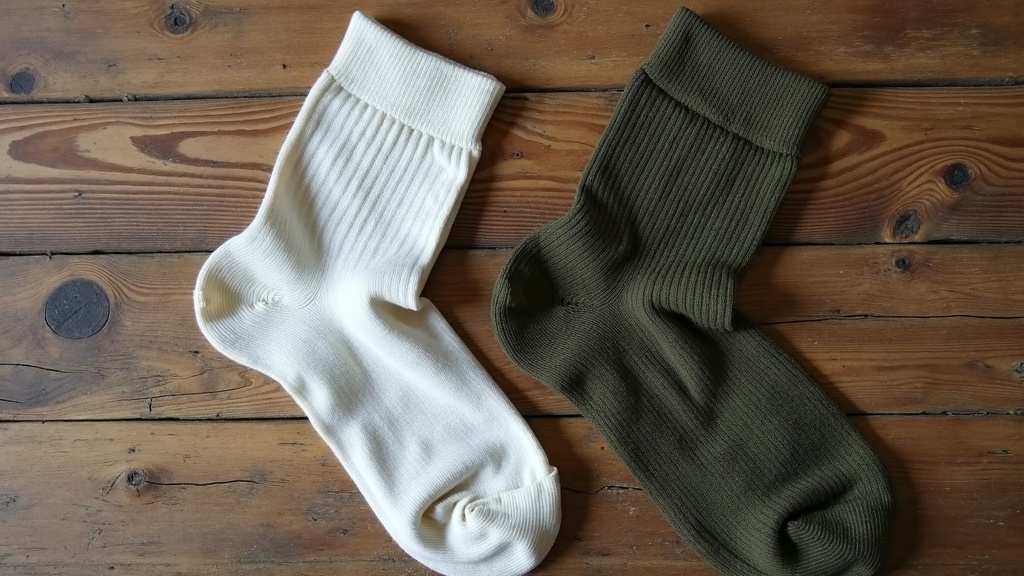
Did you know?
Merino wool fibers are naturally antimicrobial because they absorb odor-causing bacteria into the core of the fiber rather than letting it sit on the surface. That's why a merino sock worn two days in a row smells significantly better than a cotton sock worn once.
Stop Burning Through Socks and Money: The Math That Matters
A 10-pack of cheap cotton socks runs about $12 to $15. Sounds like a win. But most workers go through that pack in six to eight weeks of heavy use. That's $75 to $90 a year, minimum, on socks that hurt your feet and do nothing for them.
A pair of Darn Tough work socks runs $25 to $30. Buy four pairs, rotate them, and you're spending $100 to $120 once. Then you're done for years. And if one wears out, the guarantee covers it.
The expensive sock is the cheap choice. That's not a sales pitch, it's basic arithmetic.
Your action plan, starting this week
- Throw out any cotton work socks with thinning heels or blown-out toes.
- Buy four pairs of a quality merino or merino-nylon blend sock in the right height for your boot.
- Rotate daily: never wear the same pair two days in a row, give them 24 hours to dry fully.
- Wash in cold water, air dry when possible. High heat degrades elastic faster than anything.
- Inspect your socks monthly the same way you'd check your boot soles. Replace before they fail.
Your boots get all the attention. Your feet deserve better than whatever was on sale at the register. Fix the sock, fix the shift.
