


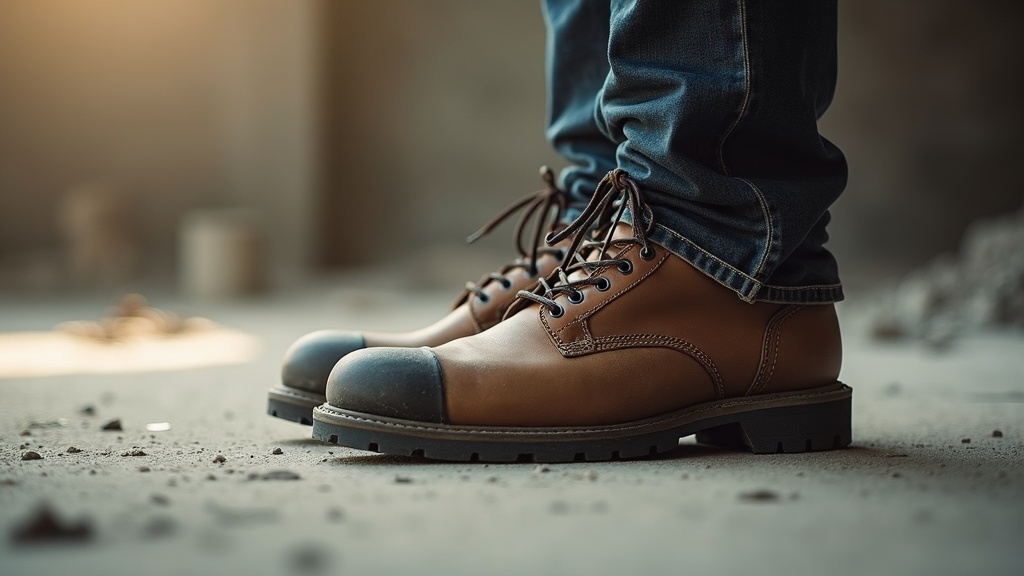
By the time you pull your boots off at the end of a ten-hour shift, your feet feel like they've been run through a press. Swollen, aching, burning at the arch. That's not just soreness. That's your body telling you the gear isn't doing its job.
Compression wool socks for construction foot pain are one of the cheapest fixes with the biggest payoff on a long shift. Not a cure, not magic. But the right pair makes a real difference, and the wrong pair makes things worse. Here's what you need to know.
Key points at a glance
- Standing on hard surfaces all day pushes blood and fluid into your lower legs, causing swelling and pain.
- Graduated compression (15, 25 mmHg) moves that fluid back up and cuts fatigue significantly.
- Merino wool stays dry, resists odor, and regulates temperature in a way synthetics simply can't match inside a boot.
- Look for reinforced heel and toe, cushioned sole, and a snug-but-not-strangling fit for work boots.
- Both men and women on the jobsite benefit from compression wool socks. Sizing and fit differ, so choose accordingly.
- Put them on in the morning, before your feet swell. That single habit changes how effective they are.
Why compression wool socks work for construction
Why Your Feet Are Wrecked by the End of the Shift
Concrete, asphalt, and steel decking don't give. Every step you take on a hard surface sends a shockwave up through your heel, arch, and ankle. Over ten hours, that adds up to thousands of micro-impacts your body has to absorb.
On top of that, standing still is actually worse than walking. When you stand in one spot, blood pools in your lower legs. Fluid leaks from blood vessels into surrounding tissue. That's why your feet look puffy by 3 PM and feel like they belong to someone else by quitting time.
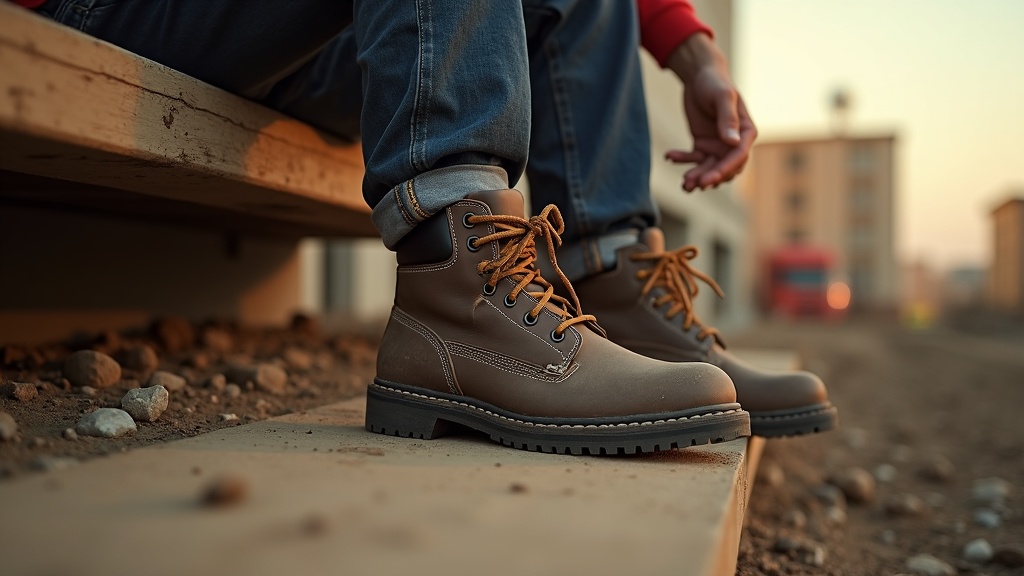
What Compression Actually Does for Construction Foot Pain
Compression socks apply the most pressure at the ankle, then gradually less as they move up the calf. That gradient forces blood back toward the heart instead of letting it sit in your feet.
For compression socks for foot pain from standing all day, the sweet spot is 15 to 25 mmHg. Lighter than that and you're basically wearing a regular sock. Heavier requires a doctor's prescription and isn't built for a full day of physical labor.
The practical result: less swelling, less arch fatigue, fewer cramps by end of shift. Workers who switch to graduated compression report that their feet feel noticeably better after the first week of consistent use.
Did you know?
A study published in the Journal of Vascular Surgery found that graduated compression stockings reduced lower-leg swelling by up to 70% in people who stand for prolonged periods. Construction workers average 6 to 9 hours of standing per shift, placing them squarely in the high-risk group for venous insufficiency.
Why Wool Beats Synthetic on the Jobsite
Polyester compression socks dry faster, sure. But inside a steel-toed boot with no real airflow, they become a sweat trap by noon. Wet feet blister faster and fatigue faster.
Merino wool compression socks for work boots handle moisture differently. The fiber absorbs up to 30% of its weight in moisture without feeling wet against your skin. It also self-regulates temperature, which means the same sock works in July heat and February cold.
The odor argument alone is worth the price difference
Merino has natural antimicrobial properties from lanolin. You can wear a quality pair two days in a row and they won't smell. Try that with a synthetic and you'll clear a room.
Read also: How to Wear Work Boots with Jeans: A Working Man's Guide
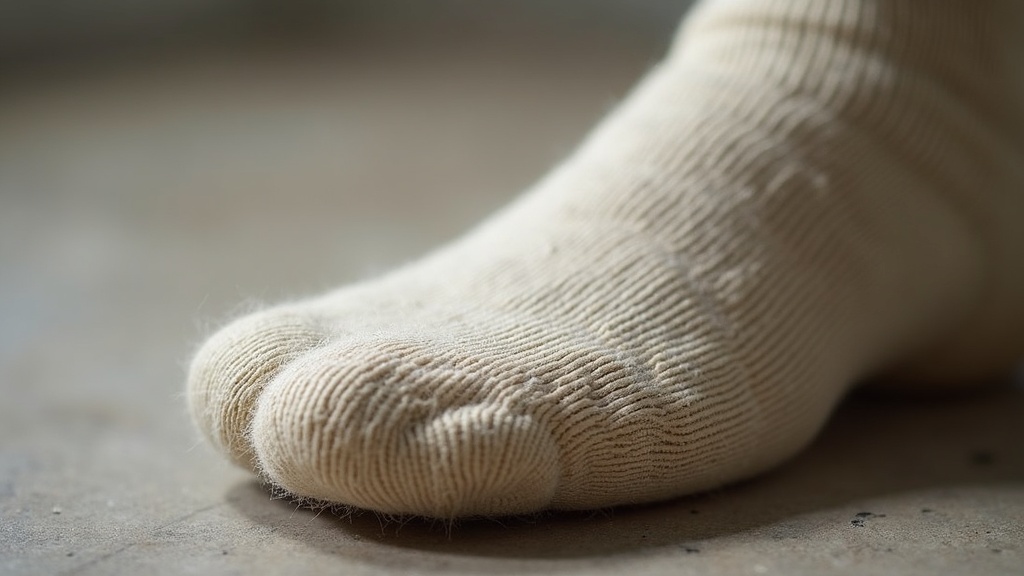
What to Look for in a Compression Wool Sock Built for Work Boots
Not every compression sock is built for a boot. A lot of them are made for nurses or travelers. Those are too thin, too short, and fall apart at the heel in a month of real use.
- Compression level: 15, 20 mmHg for everyday wear, 20, 25 mmHg if your feet swell badly by midday.
- Merino content: At least 40% merino wool. Blends with nylon or spandex are fine for durability.
- Cushioned sole: Look for terry-loop cushioning at the ball and heel. Thin soles skip this and you'll feel every pebble.
- Reinforced heel and toe: These are the two spots that blow out first in work boots.
- Over-the-calf height: Knee-high or at least mid-calf so the compression zone stays in place and doesn't roll down.
- Seamless toe box: A seam rubbing against your toe inside a tight boot for ten hours is its own kind of misery.
| Feature | Merino Wool Compression | Synthetic Compression | Standard Wool Work Sock |
|---|---|---|---|
| Swelling reduction | Strong (graduated compression) | Strong (graduated compression) | None |
| Moisture management | Excellent (wicks and absorbs) | Good (wicks, stays wet) | Good |
| Odor resistance | Excellent (natural lanolin) | Poor to moderate | Good |
| Temperature regulation | Year-round | Warm or cool, not both | Year-round |
| Durability in work boots | High (with nylon blend) | High | Moderate |
| Price range | $18, $35 per pair | $12, $22 per pair | $8, $18 per pair |
Best Compression Wool Socks for Construction Workers in 2026
These are the options that hold up to actual jobsite conditions, not just marketing photos.
Darn Tough 1466 Hiker Micro Crew
Made in Vermont, lifetime guarantee. The merino blend is durable enough to survive steel-toed boots for years. Light compression, excellent cushioning at the sole. Best for workers who want comfort without heavy compression.
Sockwell Men's Elevation Graduated Compression
20, 30 mmHg, merino-heavy blend, over-the-calf height. This one is built more for compression than cushion, but if wool socks for swollen feet in construction is your main problem, this is the one to reach for.
Smartwool PhD Pro Outdoor Heavy Crew
Thick cushioning, Merino 150 base, reinforced heel and toe. Not technically a compression sock, but pairs well with a compression liner underneath for a two-layer solution on brutal poured-concrete days.
Comrad Companion Knee High Compression Socks
15, 20 mmHg, merino blend, solid construction for the price. A good starting point if you've never worn compression socks before and want to see how your feet respond without spending $30 a pair.
Read also: How to Wear Work Boots Men: Fit, Style, and Real-World Use
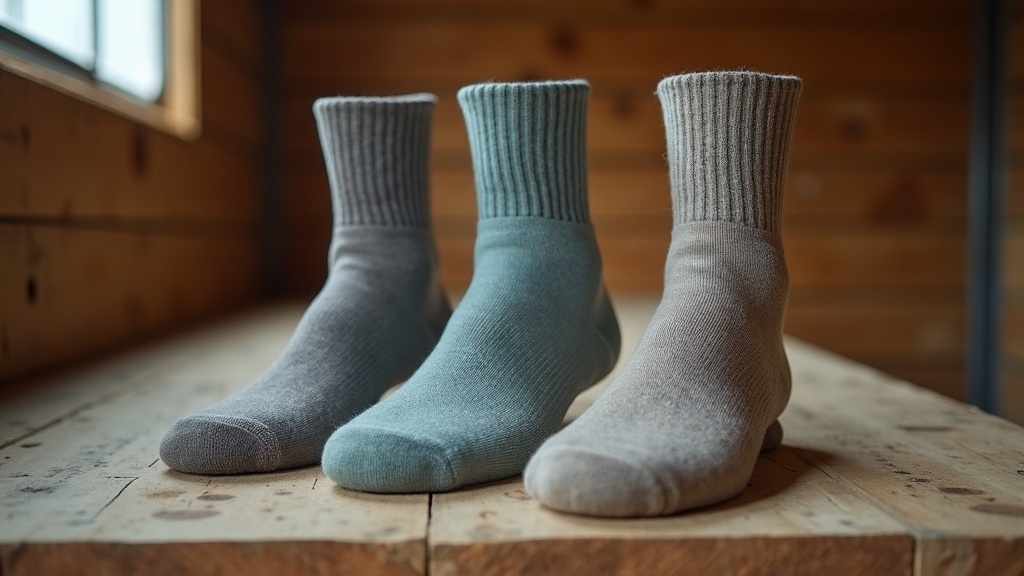
Do Compression Socks Work for Women on the Jobsite Too?
Yes, and women on construction crews are often the last ones to get useful gear recommendations. The biology is the same: prolonged standing causes the same venous pooling, the same plantar fatigue, the same end-of-day misery.
Women compression wool socks for construction are sized differently from men's and usually have a narrower heel cup and shorter foot bed. Don't just buy a men's small. The fit matters as much as the compression rating.
Brands like Sockwell, Icebreaker, and Darn Tough all carry women's-specific fits in compression merino styles. The Sockwell Women's Elevation and the Icebreaker Women's Hike+ Medium Crew are two strong options that hold up inside steel-toed work boots.
Did you know?
Merino wool fibers have a natural crimp that creates tiny air pockets, giving the yarn its insulating and moisture-buffering properties. New Zealand Merino, considered the industry standard for performance socks, is regulated for fiber diameter below 18.5 microns, fine enough to feel soft even against irritated skin.
How to Wear Them Right So They Actually Help
A compression sock worn wrong is just an expensive regular sock. Here's the short list of things that actually matter.
- Put them on in the morning, before your feet swell. If you wait until 5 PM to try to get a compression sock onto a swollen foot, you'll struggle and the fit will be off.
- Smooth out any bunching. A fold in the fabric becomes a pressure point inside a tight boot. Take thirty seconds to pull the sock smooth from toe to calf.
- The cuff should sit below the knee. If it's digging into the back of your knee, roll it down slightly or size up.
- Wash after every two wears maximum. Merino wool handles two days, but the compression elasticity degrades faster if you skip washing regularly.
- Replace every 6 to 12 months. When the cuff stops feeling snug in the morning, the compression is gone. The sock is still a sock, but it's no longer doing the job.
The best compression wool socks for construction workers are the ones you actually wear every day. Start with one pair, wear them for two weeks, and judge the difference yourself. Your feet will tell you faster than any review will.
