


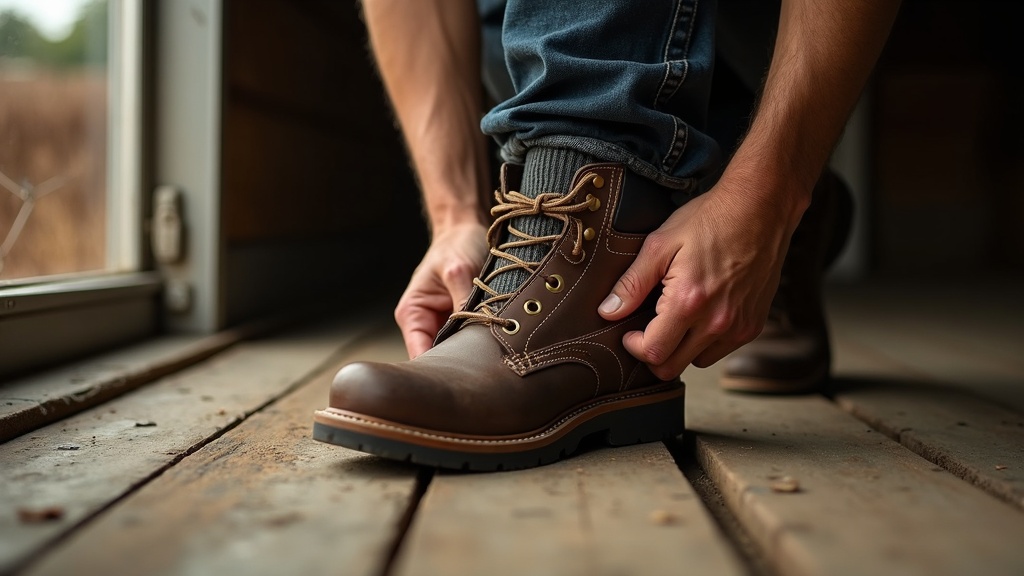
You've heard it both ways. Some guys swear wool socks are the best thing that ever happened to their feet. Others say they turned their boots into a swamp. Both camps think they're right, and here's the thing: both of them kind of are.
Do wool socks make your feet sweat? The straight answer is no, not in the way a garbage synthetic sock does. But wool isn't magic, and there are real conditions where it'll let you down. Here's exactly what you need to know before you spend real money on your next pair.
Key points at a glance
- Wool doesn't stop your feet from sweating, it manages moisture better than cotton or cheap synthetics.
- Merino wool and regular (coarse) wool are very different, and only one is genuinely comfortable all day.
- For heavy sweaters, thick wool socks in hot weather can backfire, fit and weight matter as much as material.
- Cotton holds moisture against your skin and is the worst choice for sweaty feet on a long shift.
- The best sock for sweaty feet combines moisture-wicking fiber, breathable knit structure, and the right thickness for the season.
- Wool socks are worth the price for most trade workers, with specific exceptions laid out below.
What good wool socks actually do for you
The Short Answer: Wool Socks and Sweat, Straight Up
Wool doesn't cause sweating. Your feet sweat because of heat, exertion, and nerves, not because of what you're wearing. What your sock does is determine what happens to that sweat once it's there.
Wool, especially merino, absorbs moisture into the fiber itself instead of letting it pool on your skin. You feel drier even when moisture is present. That's the real advantage.
Why Your Feet Sweat on the Job (and Why It Matters)
Each foot has around 250,000 sweat glands. On a hot day, hauling, climbing, or standing on asphalt, you can lose more than a pint of sweat per foot over a full shift. Sealed inside a leather or composite work boot, that moisture has nowhere to go fast.
Wet feet cause blisters, fungal infections, hot spots, and by the end of the day, real pain. The sock you choose is the only barrier between your skin and that environment.
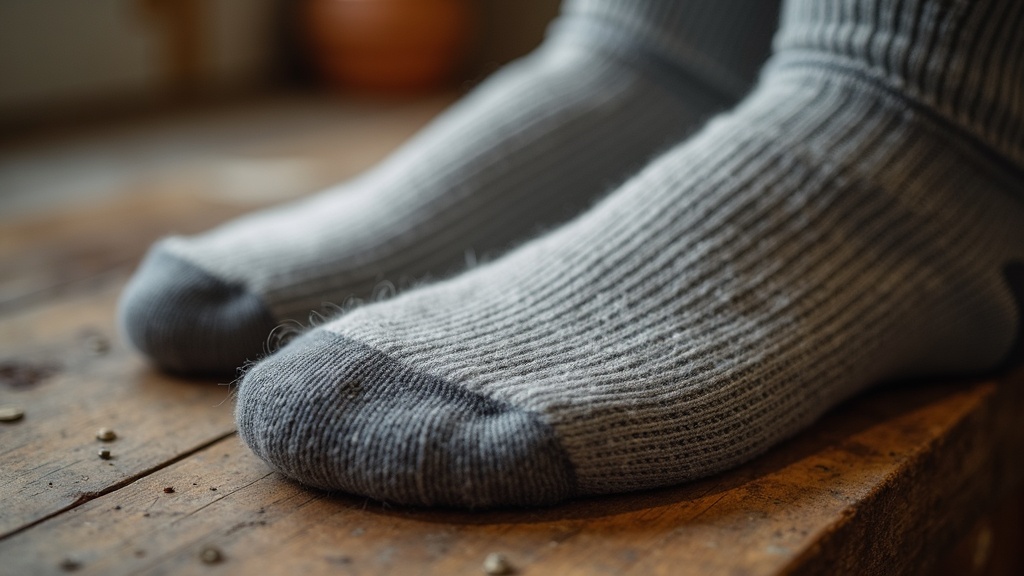
How Wool Actually Handles Moisture Compared to Cotton and Synthetic
Cotton absorbs sweat and holds it. Once it's wet, it stays wet, pressing damp fabric against your skin for hours. That's why cotton is the worst choice for sweaty feet on a long day.
Cheap polyester wicks fast but doesn't breathe well inside a tight boot. It keeps you drier than cotton but can turn funky by noon and offers no temperature regulation.
Wool absorbs up to 30% of its weight in moisture without feeling wet to the touch. More importantly, it actively moves vapor away from the skin through the fiber structure. That's not marketing copy, that's fiber science.
Check out our guide: What Are the Side Effects of Steel Toe Boots? Expert Answers and Advice
Did you know?
Wool fiber has a natural crimp that creates tiny air pockets, giving it better insulation per gram than most synthetics. That same structure is what allows it to buffer both heat and moisture simultaneously, something no synthetic fiber does as efficiently.
Merino Wool vs Regular Wool: Not the Same Animal
This is where a lot of guys get burned. They try a thick wool work sock, it feels scratchy and hot, and they swear off wool forever. That's regular wool, usually coarser fibers in the 30+ micron range.
Merino wool runs 17 to 19 microns, fine enough that it doesn't scratch. It's soft against skin all day, even without a liner sock. It also breathes significantly better than bulky wool blends.
- Regular wool: Good insulation, can feel rough, heavier, better for extreme cold
- Merino wool: Soft, fine, breathable, temperature-regulating, the go-to for sweaty feet
- Wool blends (wool + nylon or polyester): More durable than pure wool, good moisture management, solid all-around work sock
When Wool Socks Do Make Your Feet Sweat (and Why)
There are real situations where wool will work against you. If you're running hot in summer heat above 90°F, a thick cushion wool sock can insulate too much and trap heat inside your boot. More heat means more sweat.
The fix isn't to ditch wool, it's to drop down in thickness. A lightweight merino liner or a mid-weight merino work sock handles summer just fine. Save the heavy cushion socks for fall and winter.
Also worth knowing: worn-out wool socks lose their structure. Flattened fibers don't wick or breathe. If your wool socks are more than a year of daily wear old, they're probably not performing the way they should.
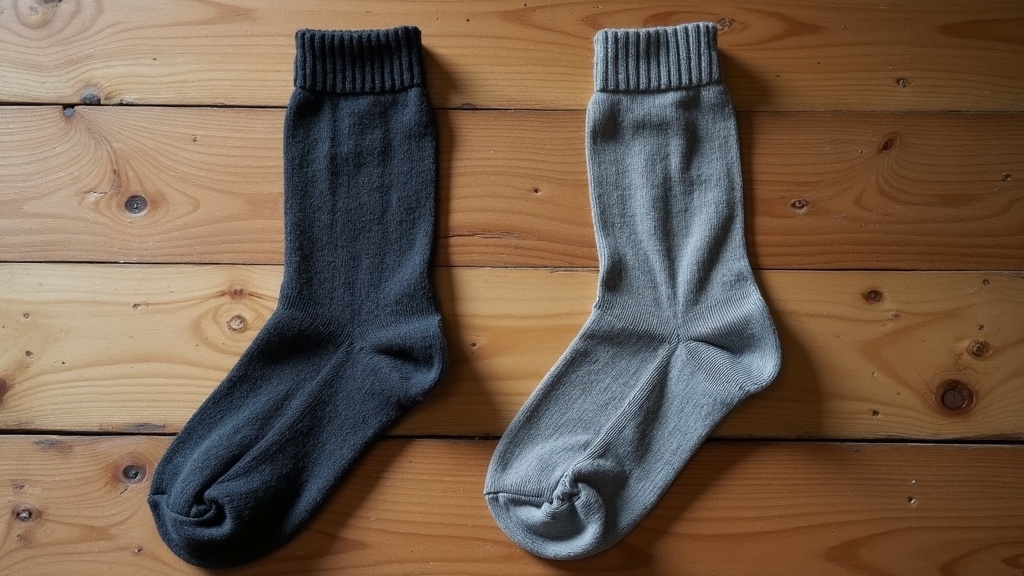
What to Look for in a Work Sock If You Run Hot
Not all wool socks are built the same, and the label alone won't tell you if it'll work for your job. Here's what actually matters:
- Fiber fineness: Look for merino at 18.5 microns or below for all-day comfort
- Weight: Lightweight or mid-weight for warm seasons, heavy cushion only for cold work
- Knit structure: Mesh or ventilation zones over the top of the foot help air circulate inside the boot
- Nylon content: A 15 to 20% nylon blend adds durability at the heel and toe without hurting breathability
- Seamless toe: Reduces hot spots and friction, especially in steel-toe boots with limited toe box room
Wool vs Cotton vs Bamboo for Sweaty Feet: Real Comparison
| Material | Moisture Management | Odor Resistance | Best For |
|---|---|---|---|
| Merino Wool | Excellent, absorbs and wicks | Excellent, multi-day wear | All-season sweaty feet, long shifts |
| Regular Wool Blend | Good in cold, can run hot in summer | Good | Cold-weather work, heavy insulation |
| Cotton | Poor, holds moisture against skin | Poor after a few hours | Avoid for physical work |
| Bamboo | Good, soft, decent wicking | Moderate | Light-duty, office, casual |
| Synthetic (polyester/nylon) | Good wicking, no absorbency | Poor, smells fast | Running, not all-day boots |
Did you know?
Wool's natural lanolin content gives it antimicrobial properties that slow bacterial growth. That's the main reason a quality merino sock can be worn two or even three days before it smells, something no synthetic sock comes close to matching.

The Bottom Line: Are Wool Socks Worth It for Trade Workers?
For most guys doing physical work, yes. Merino wool socks for sweaty feet outperform cotton and basic synthetics across the board: moisture management, temperature control, odor resistance, and comfort over a long day.
The cost is real. A good pair of merino work socks runs $20 to $30, maybe more. But one pair of merino worn three days a week outlasts a $5 cotton pack by a factor of three or four. The math works out.
Where wool loses: pure summer roofing in 95°F heat wearing heavy insulated boots. In that situation, a thin merino liner or a technical blend sock designed for hot weather will serve you better than a full-cushion wool boot sock.
Check out our guide: Merino Wool Socks for Work: What Actually Holds Up on the Job
The practical checklist before you buy
- Check the micron count: under 19.5 microns means no itch
- Match sock weight to the season and your boot's insulation level
- Look for reinforced heel and toe if durability is a concern
- Avoid 100% wool if you're hard on gear, a nylon blend holds up better
- Replace work socks annually if you're wearing them five days a week
