


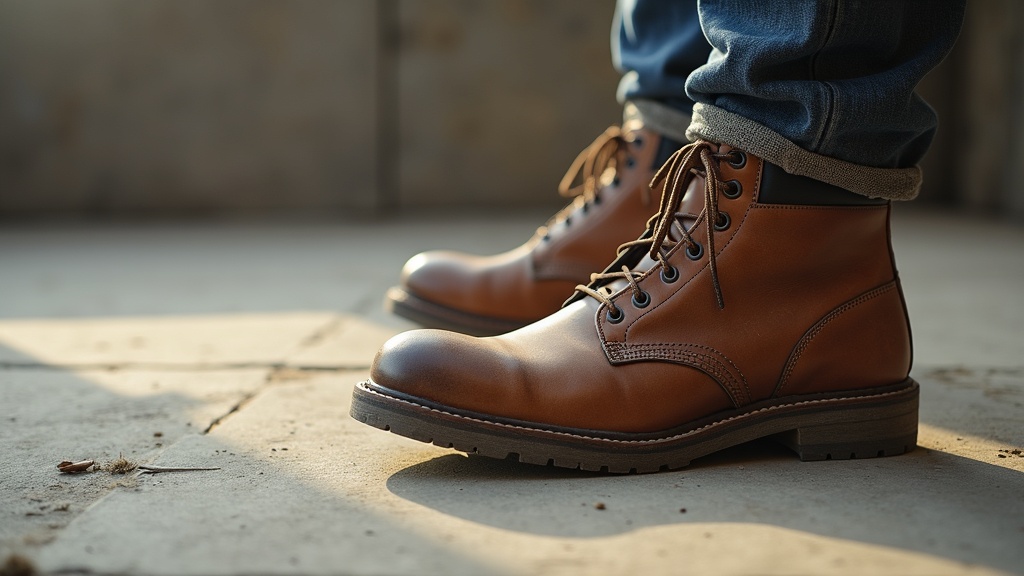
You pull off your boots after a ten-hour shift and the smell hits the whole room. You've tried foot powder, boot spray, airing them out overnight. Nothing sticks. Somebody told you to try wool socks, and now you're wondering if that's real advice or just marketing talk.
Here's the straight answer: yes, wool does prevent foot odor better than most sock materials, and there's a real reason why. But it's not magic, and it won't fix a boot that's already destroyed. This breaks down exactly what wool does, what it doesn't do, and whether it's worth your money.
Key points at a glance
- Boot odor comes from bacteria feeding on sweat, not from sweat itself.
- Wool, especially merino, wicks moisture fast and creates a poor environment for odor-causing bacteria.
- Lanolin, a natural wax in wool fiber, adds an extra antimicrobial layer that cotton simply doesn't have.
- Merino wool outperforms regular wool and cotton for all-day odor control in work boots.
- Wool socks can be worn multiple days before they smell, which saves washing and extends sock life.
- Even the best wool sock won't fix a boot with years of built-up bacteria. Boot hygiene still matters.
Why Wool Belongs in Your Work Boot
Why Work Boots Smell So Bad (It's Not What You Think)
Sweat doesn't smell. Your feet produce sweat, and sweat on its own is mostly water and salt. The stench comes from bacteria that live on your skin and inside your boot, breaking down that sweat into acids and compounds that reek.
Work boots make this worse than regular shoes. They're often waterproof or insulated, which traps heat and moisture. Eight to ten hours in a sealed boot is basically a bacteria incubator.

Does Wool Actually Prevent Foot Odor? The Short Answer
Yes, wool reduces foot odor significantly. It doesn't eliminate it forever, but in real work conditions, a quality merino wool sock will smell far less at the end of the day than cotton, and it'll last multiple wears before needing a wash.
This isn't anecdotal. Wool's structure and chemistry work together to slow down the bacteria problem at its root.
How Wool Fights Odor at the Source: Moisture, Bacteria, and Lanolin
Three things make wool effective against odor in work boots.
1. Moisture management
Wool fibers absorb up to 30% of their weight in moisture while still feeling dry against the skin. Less surface moisture means less food for bacteria. Cotton holds moisture against your foot; wool pulls it away.
2. Natural antimicrobial properties
Wool fiber has a complex surface structure that's naturally hostile to bacteria. It doesn't give bacteria an easy surface to cling to and multiply on, the way smooth synthetic fibers do.
3. Lanolin
Lanolin is the waxy coating found naturally in sheep's wool. It has documented antimicrobial and antifungal properties. Some remains in the fiber even after processing. It's one reason a wool sock worn three days in a row smells better than a cotton sock worn one day.
Did you know?
The average foot has about 250,000 sweat glands and can produce up to half a pint of sweat per day. Inside a sealed work boot, that moisture has nowhere to go unless your sock is actively moving it away from the skin.
Merino Wool vs. Regular Wool vs. Cotton: Which One Wins on the Job
Not all wool is equal. Coarse wool will keep you warm but it'll scratch your feet raw by noon. The material you choose changes everything about how your day goes.
| Material | Odor Control | Moisture Wicking | Comfort All Day |
|---|---|---|---|
| Merino Wool | Excellent (multi-day wear) | Excellent | Soft, no itch |
| Regular / Coarse Wool | Good | Good | Can scratch, especially thin skin |
| Cotton | Poor (holds moisture) | Poor | Soft but gets heavy when wet |
| Synthetic (polyester) | Poor (traps odor in fiber) | Moderate | Light but gets funky fast |
| Merino/Nylon Blend | Excellent | Excellent | More durable than pure merino |
Merino wool is the clear winner for work boot use. Its fibers are fine enough (under 20 microns) that they bend instead of poke, so they don't itch. A merino/nylon blend adds durability for the heel and toe areas that take the most abuse.
What to Look for in an Anti-Odor Wool Work Sock (Before You Buy)
- Merino wool content at least 60%: Less than that and you're mostly paying for the brand name.
- Nylon reinforcement: Pure merino wears through fast on a jobsite. Look for nylon at the heel and toe.
- Cushioned sole: A full-cushion or medium-cushion sock absorbs impact on concrete, gravel, or scaffolding.
- Crew or over-the-calf height: Keeps the sock from sliding down inside the boot and bunching at the toe.
- No chemical odor treatments: Wool doesn't need them. Treatments like silver or zinc wear off. Wool's protection is built in.
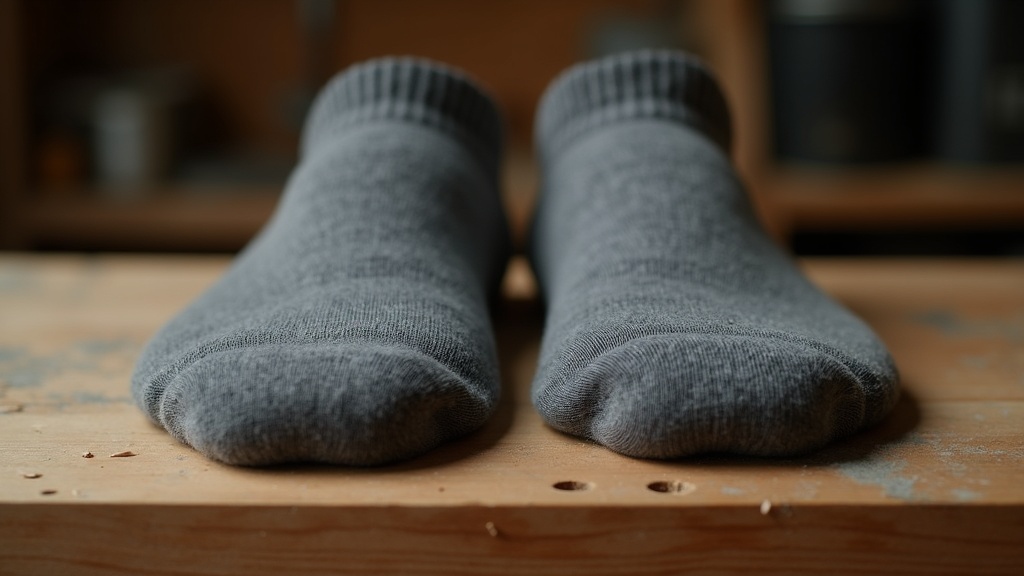
Top Wool Sock Picks for Work Boots That Hold Up All Day
There's no shortage of wool socks out there, but most aren't built for a full shift on a jobsite. A few brands consistently hold up.
Darn Tough Merino Wool Socks
Darn Tough merino wool socks are made in Vermont and come with a lifetime guarantee, which says something about how they're built. Their work boot styles use a 66% merino / 33% nylon / 1% lycra blend that holds its shape after dozens of washes. The cushioning is real, not just a thin layer on the sole.
Smartwool Work Boot Sock
Smartwool uses proprietary merino and blends it with nylon for structure. Their work-specific line has reinforced zones and holds up to repeated machine washing better than most.
Farm to Feet
Made entirely in the US with American wool. Slightly heavier than Smartwool, good for cold-weather jobsites or anyone who wants a thicker cushion underfoot.
Did you know?
Merino wool fiber measures between 15 and 24 microns in diameter. Human hair averages around 70 microns. That extreme fineness is why merino doesn't scratch, and why it fits so closely against the skin to wick moisture efficiently.
Wool Socks Won't Fix Everything: Other Steps to Kill Boot Odor
Switching to wool is the single biggest improvement you can make, but a five-year-old boot that's soaked in bacteria won't turn around from socks alone.
- Rotate two pairs of boots: Bacteria die when boots dry out completely. One pair needs 24 to 48 hours to fully air out between wears.
- Use cedar boot inserts: Cedar absorbs moisture and has mild antifungal properties. Drop them in when you take the boots off.
- Wash the insoles: Most removable insoles can be hand-washed with mild soap. Do it monthly at minimum.
- Wash your feet properly: Soap between the toes, every shower. This sounds obvious but a lot of guys just let the water run over their feet and call it done.
- Don't put wet boots in a bag or locker: Sealed, dark, and humid is exactly what bacteria want. Leave boots open and upright.
Common Questions From Workers About Wool and Foot Odor
Why do my wool socks smell after washing?
If your wool socks smell after washing, the most common cause is washing them in too-hot water or with a detergent that leaves residue in the fiber. Use cold water and a wool-specific wash or a tiny amount of regular detergent. Also check that the socks are fully dry before storing them. Damp wool in a drawer will develop a musty smell fast.
Are wool socks good for extremely sweaty feet?
Yes. Merino wool socks for sweaty feet work better than any cotton or synthetic option because they pull moisture into the fiber structure itself instead of leaving it sitting on your skin. If your feet sweat heavily, go for a medium-cushion sock rather than a heavy one. Heavy cushioning can actually trap more heat.
How often should I wash merino wool work socks?
Most guys can get two to three full shifts out of a pair before they need washing. Merino wool's odor resistance is real. If they don't smell and don't feel wet, they're fine for another day.
The Real Answer: Is Switching to Wool Worth It?
Yes, and it's not even close. A quality pair of merino wool work socks costs $20 to $30. A pair of Darn Tough socks with the lifetime guarantee effectively costs you nothing in the long run because the company replaces them free when they wear out.
Compare that to a three-dollar cotton sock you're replacing every two months and hosing down your boots with spray that stops working after a week.
Make the switch, rotate your boots, keep the insoles clean, and let your feet breathe on the drive home. That combination solves the problem for most workers, without gimmicks and without spending much money.
