


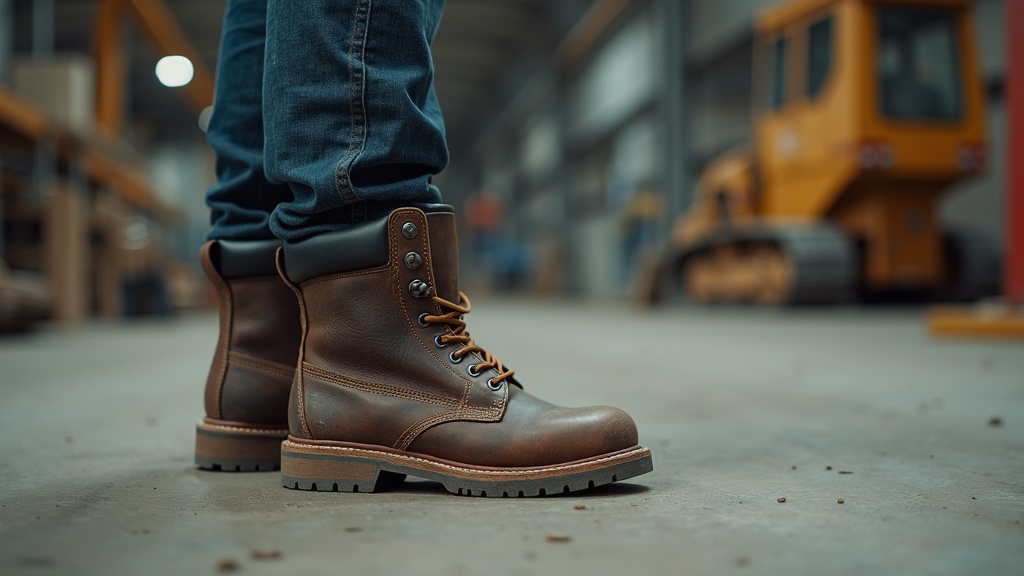
Your feet take somewhere between 8,000 and 10,000 steps on a jobsite or warehouse floor every single shift. Concrete doesn't give. Steel doesn't flex. And most workers don't think about any of this until something hurts bad enough to slow them down.
That's the wrong order. A few smart habits and the right gear will keep you on your feet longer, keep the pain out, and protect you from the kind of damage that doesn't heal on its own.
Key points at a glance
- The right boot fit is the single biggest factor in preventing foot pain at work
- A $30 aftermarket insole does more for your arch than most $200 boots do out of the box
- Moisture and friction are the two root causes of blisters and skin breakdown
- A simple 10-minute evening routine prevents most chronic foot problems before they start
- Plantar fasciitis is common on construction sites and almost always preventable
- Some symptoms, like numbness or swelling that doesn't go down, need a doctor, not just rest
What This Guide Gives You
Why Your Feet Are Shot by Quitting Time (And What's Actually Causing It)
Concrete is one of the hardest surfaces a human foot ever has to stand on. Unlike soil or asphalt, it has zero give. Every impact goes straight up through your heel, arch, and ankle. Do that for 10 hours and your feet are going to let you know about it.
The other culprit is cumulative compression. When your foot stays inside a boot for 8 to 12 hours, the soft tissue compresses, circulation slows, and the muscles that support your arch start to fatigue. That burning you feel in your heel at 4 p.m.? That's plantar fasciitis knocking on the door.
Moisture makes everything worse. Sweat trapped inside a boot softens skin, weakens it, and turns friction into blisters. In cold weather, moisture pulls heat away from your foot and sets up frostbite risk faster than most workers expect.
Picking the Right Boot: What to Look For Before You Spend a Dime
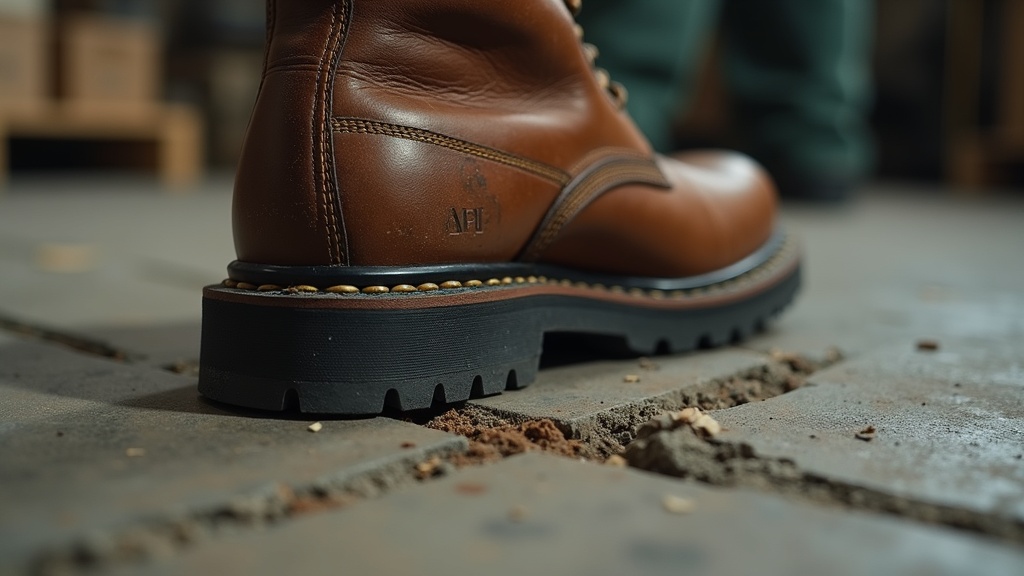
The best boots for warehouse workers and construction crews are not necessarily the most expensive ones. They're the ones that fit your specific foot correctly. A $300 boot on the wrong foot shape will hurt more than a $120 boot that actually fits.
What to check before you buy
- Toe box width: Your toes should never touch the sides. Compression here causes numbness and nail damage over long shifts.
- Heel lock: Your heel should not lift when you walk. Lift means friction. Friction means blisters.
- Arch support: Most stock boots have almost none. Factor in the cost of aftermarket insoles from day one.
- Shank stiffness: A steel or composite shank in the midsole reduces arch fatigue on uneven ground, which is every construction site ever.
- Break-in time: Full-grain leather takes 2 to 3 weeks. Buy them early, wear them around the house first.
Did you know?
Feet swell up to half a size over the course of a workday due to fluid accumulation from standing. Always try on work boots in the afternoon, not first thing in the morning, or you risk buying a boot that's too tight by lunchtime.
Work boot fitting tip: Bring the socks you actually wear on the job when you go shopping. A thin dress sock on your foot at the store will make the boot feel fine, then it'll pinch the life out of you once you're wearing your thick wool work socks.
Insoles: The Upgrade That Costs $30 and Changes Everything
Stock insoles in most work boots are thin foam that compresses flat within 60 days. After that, you're essentially standing on the boot shell itself. This is where most work-related foot problems start.
A quality aftermarket insole for construction workers gives you genuine arch support, heel cupping, and shock absorption that the boot manufacturer did not put there. Brands like Superfeet, Powerstep, and Dr. Scholl's Work series are widely available and run $25 to $50.
How to pick the right insole
- Low arch: Look for maximum arch support with a deep heel cup
- High arch: You need a rigid or semi-rigid shell, not just soft foam
- Heel pain or plantar fasciitis: Get an insole with gel heel cushioning and firm arch posting
- Standing all day on flat concrete: Prioritize metatarsal padding to reduce ball-of-foot pressure
| Insole Type | Best For | Price Range |
|---|---|---|
| Superfeet Green | High arch, heavy-duty standing, uneven terrain | $45, $55 |
| Powerstep Pinnacle | Plantar fasciitis relief, everyday warehouse use | $30, $40 |
| Dr. Scholl's Work | Budget-friendly, flat arch, light cushioning | $15, $25 |
| Timberland PRO Anti-Fatigue | Built-in insole upgrade for Timberland boot owners | $35, $50 |
| Custom orthotics | Chronic plantar fasciitis, structural foot issues | $200, $500 |
Socks Matter More Than You Think
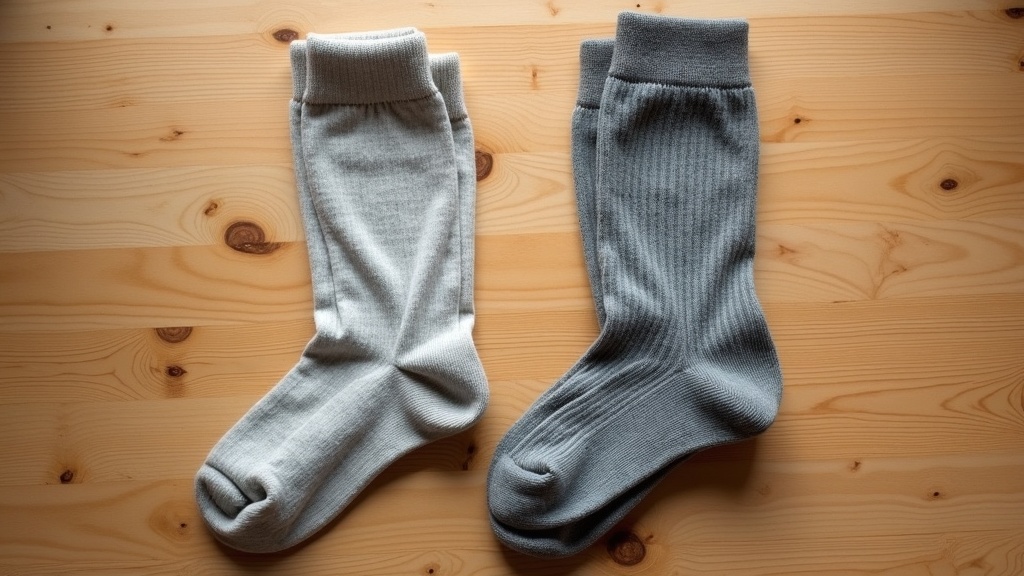
Cotton socks on a jobsite are a mistake. Cotton absorbs sweat and holds it against your skin, which softens the skin and creates friction hotspots. That's a blister by hour three.
Merino wool is the best material for work socks, period. It wicks moisture, regulates temperature in both hot and cold conditions, and resists odor better than synthetics. It costs more, but a pair of good merino socks will outlast three pairs of cotton ones.
Compression socks for warehouse workers
If you stand or walk on hard floors for 8-plus hours, compression socks are worth trying. Graduated compression (15 to 20 mmHg) helps push blood back up the leg, reduces swelling by end of shift, and lowers fatigue in the calves and arches. They're not just for medical use anymore, and they fit fine under a work boot.
A Daily Foot Care Routine That Takes 10 Minutes
You don't need a spa day. You need a consistent routine that takes less time than checking your phone before bed.
Morning (2 minutes)
- Check your feet for any new hotspots, cuts, or skin breakdown before you put your socks on
- Apply a thin layer of foot powder or anti-friction balm to known blister zones: heels, pinky toes, ball of foot
- Put on fresh socks, every single day, no exceptions
After your shift (8 minutes)
- Wash your feet with soap and water, get between the toes
- Dry thoroughly, especially between toes, because moisture there causes athlete's foot fast
- Moisturize your heels and soles with a urea-based cream, not regular body lotion
- Let your boots air out overnight, pull the insoles out so they dry properly
- Rotate between two pairs of boots if you can afford it, a wet boot never fully dries in 12 hours
Did you know?
The American Podiatric Medical Association estimates that over 75% of Americans will experience foot problems at some point in their lives, and workers who stand on hard surfaces for more than 6 hours daily are significantly more likely to develop plantar fasciitis and chronic heel pain before age 50.
What Not to Do (Habits That Make Foot Problems Worse)
Some of the damage workers do to their feet comes from what they're doing wrong, not just what they're missing.
- Lacing too tight: Cuts off circulation and causes top-of-foot pain. Lace firmly through the ankle, but leave the forefoot with room.
- Wearing the same boots every day without drying them: Wet foam breaks down twice as fast and bacteria multiply in a damp boot.
- Ignoring a blister and working through it: A burst blister on the job is an open wound inside a dirty boot. Treat it the same day.
- Buying boots online without trying them on: Sizing varies significantly between brands. A size 11 in one brand fits like a 10.5 in another.
- Skipping insole replacement: Insoles should be replaced every 6 to 12 months depending on usage, not when they look bad.
Warning Signs You Should Not Walk Off
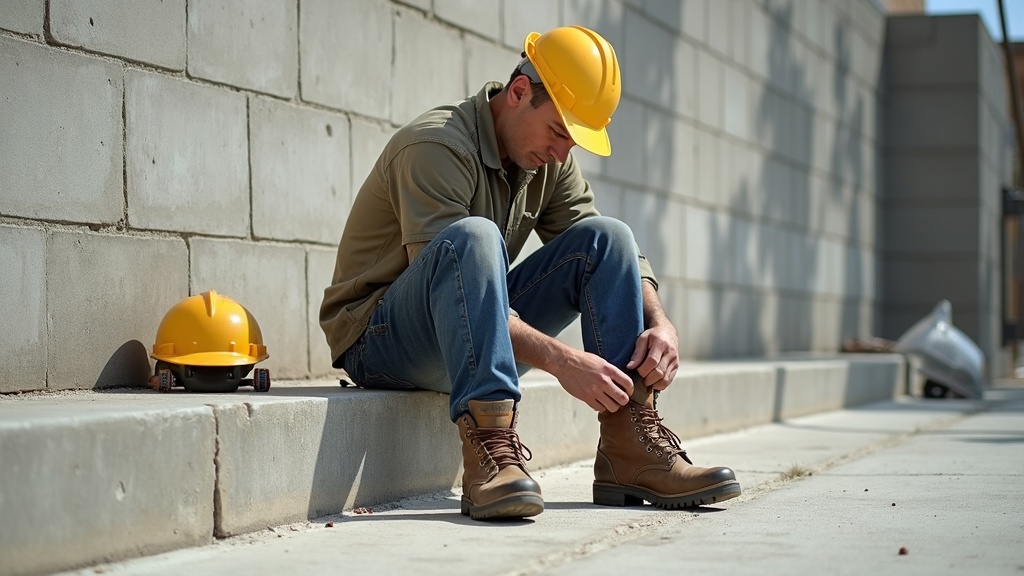
There's a difference between normal end-of-day soreness and something that needs attention. Know the difference before it becomes a long-term problem.
Get it looked at if you have:
- Heel pain that's worst in the first steps of the morning: Classic plantar fasciitis. It won't fix itself on a concrete floor.
- Numbness or tingling in the toes mid-shift: Could be nerve compression from boot fit, or something circulatory.
- Swelling that doesn't go down overnight: Not normal. Can signal ligament damage, stress fracture, or circulation issues.
- A blister or cut that shows redness spreading outward: That's infection. It needs antibiotics, not a bandage.
- Pain that shifts how you walk: Compensating with your gait sends problems up to your knees and lower back fast.
Take Stock Tonight
Pull your boots out right now and look at the insoles. If they're flat, discolored, and compacted, they're done. Order a replacement insole tonight, pick up a bag of moisture-wicking socks this week, and start the 10-minute routine tomorrow morning.
Your feet carry you through every shift. They're the one piece of equipment you can't swap out at the end of the job. Treat them like what they are: load-bearing tools that need maintenance.
