


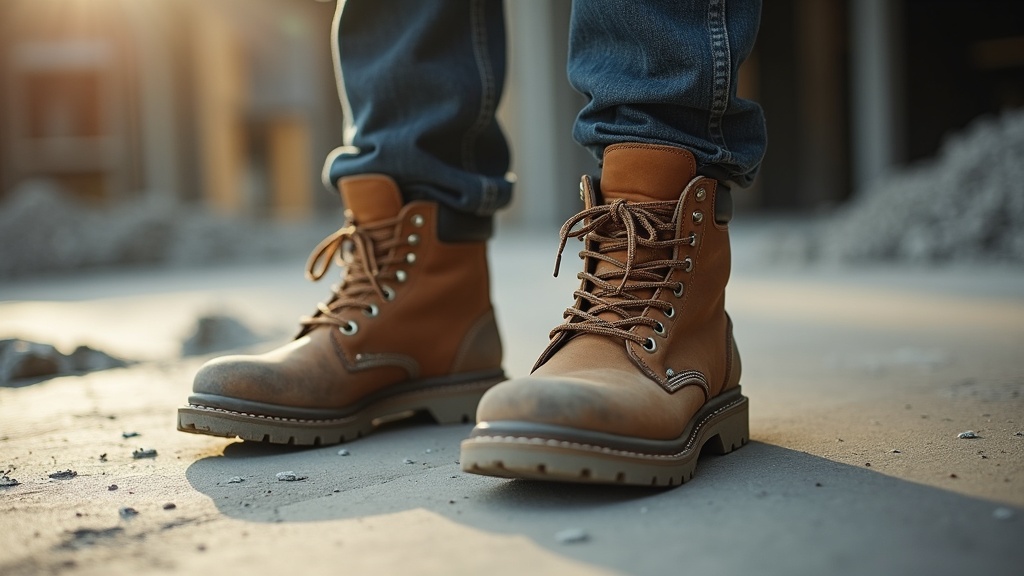
Your boots get all the attention. Your socks take all the punishment. After ten hours on concrete, scaffold, or warehouse floor, a bad sock isn't just uncomfortable. It's a blister, a hot spot, a distraction that costs you focus when focus matters.
The right pair of mens workwear socks changes your whole day. Not the brand. Not the color. The construction, the fiber, the cushion in the right places. Here's what actually separates a sock that survives from one that falls apart before lunch.
Key points at a glance
- Most work socks fail at the heel and toe within weeks because of weak loop construction, not washing.
- Merino wool and nylon blends outperform pure cotton on all-day moisture and durability.
- Cushion placement matters: you want it under the ball and heel, not wrapped all the way around.
- Crew height is the standard for boots; over-the-calf keeps things locked in on tall work boots.
- Construction workers, warehouse hands, electricians, and plumbers each have different friction and sweat profiles.
- Wash cold, air-dry when possible, and rotate at least three pairs to double your sock lifespan.
What a real work sock delivers
Why Most Work Socks Fail Before the Whistle Blows
The average retail work sock uses a basic terry loop at the sole and calls it cushion. That loop flattens out in two weeks of hard use. Once it's flat, you're walking on a thin cotton sleeve inside a stiff boot.
The real failure points are the heel and the toe box. Those zones take repetitive shear stress every single step. Cheap socks use the same yarn weight across the whole sock. Good heavy duty work socks use a denser, reinforced loop specifically in those zones.
Elasticity is the other killer. A sock that loses its band tension early slides down into your boot, bunches at the arch, and creates pressure points. You feel it around hour four, and it doesn't let up.
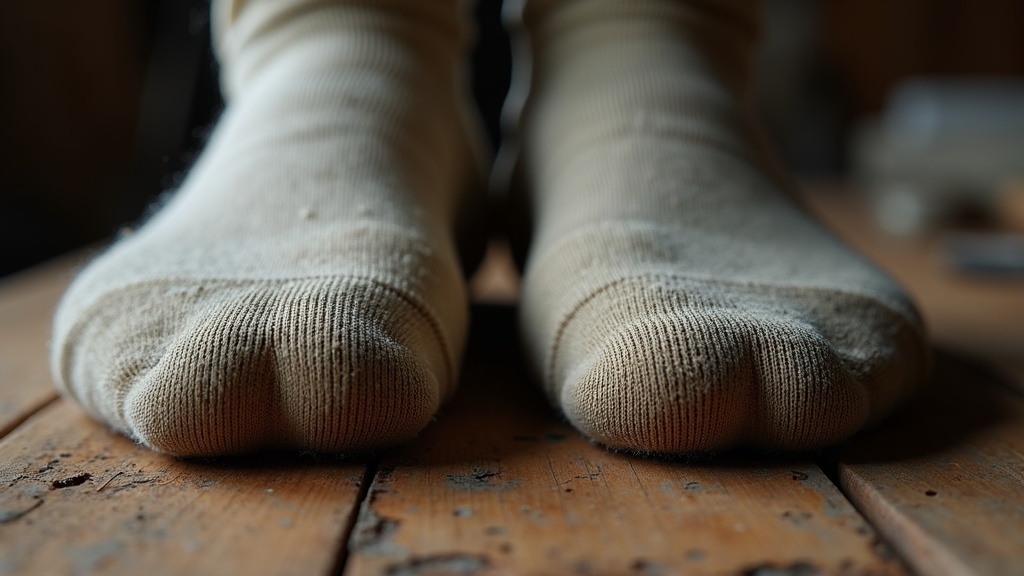
What to Look for in a Real Workwear Sock
Material
You want at least 40% wool or a performance synthetic in the blend. Pure cotton holds moisture and stays wet. Wet feet in a steel-toe boot means blisters and, in cold weather, a real risk of foot problems.
Cushion weight
- Light cushion: warm weather, lower-intensity jobs, thinner boot fit
- Medium cushion: all-purpose, most trades, most seasons
- Heavy cushion: concrete all day, extreme cold, heavy boot with room in the toe box
Height
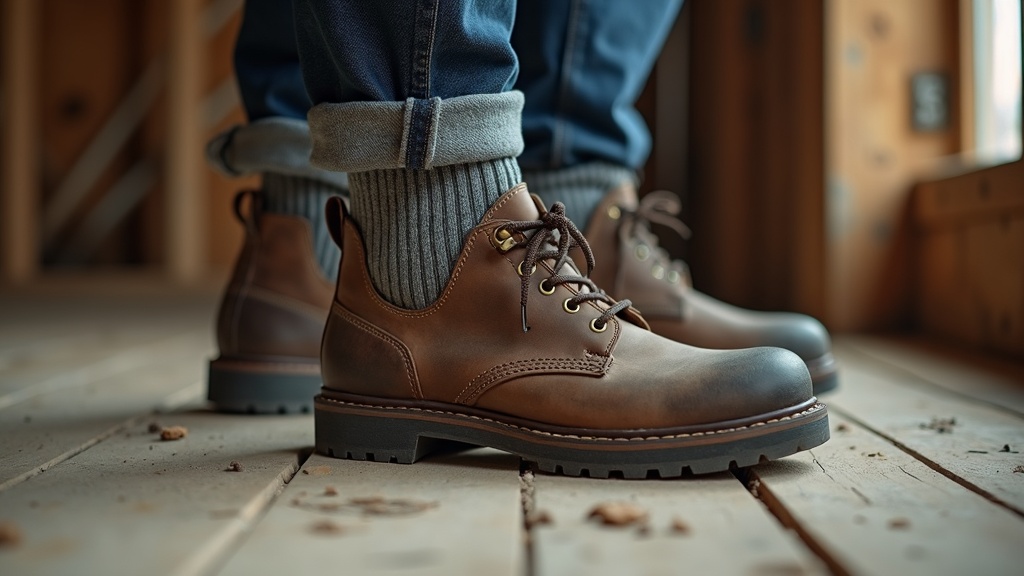
Crew mens workwear socks sit at mid-calf and work for most lace-up work boots. Over-the-calf is worth it if your boot shaft is tall or you're dealing with rubbing at the boot collar.
Did you know?
The average construction worker takes between 8,000 and 12,000 steps per shift. That's more daily impact than most recreational runners, yet most workers spend more on their coffee than their socks.
Best Mens Workwear Socks by Job Type
Construction workers
You need the heaviest cushion available at the heel and ball. Concrete transmits impact straight up. Look for nylon-reinforced toes and a compression arch band that holds the sock from shifting when you're on ladders or uneven ground.
Warehouse workers
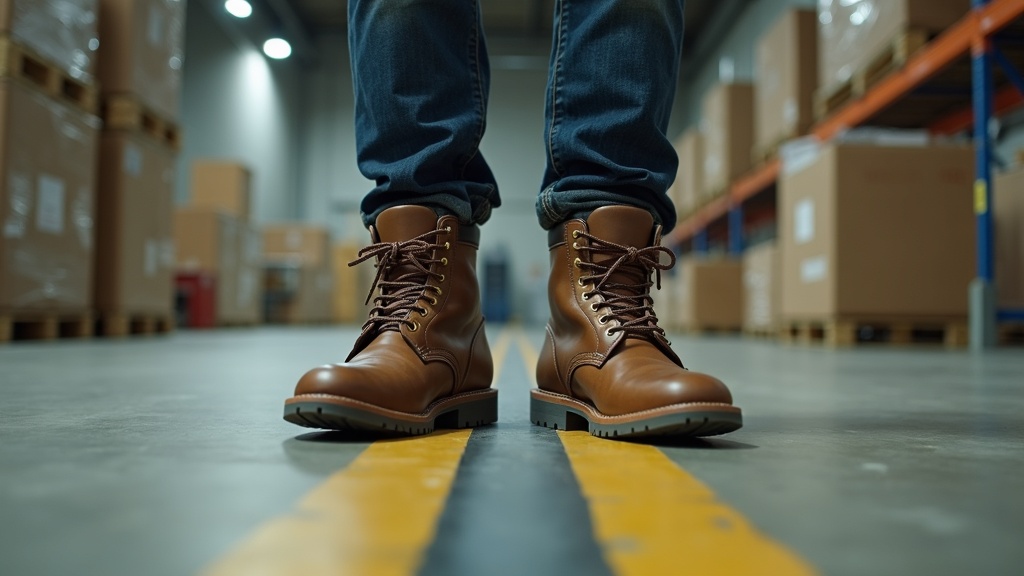
Long shifts on smooth concrete require moisture wicking work socks above anything else. Feet sweat more on flat, hard surfaces with minimal airflow. A medium-cushion merino or polyester blend prevents the friction blisters that start on hour six.
Electricians and plumbers
These trades involve a lot of kneeling, crouching, and climbing. Abrasion at the shin and boot collar is a real issue. A taller crew or over-the-calf sock prevents that collar rub. Electricians working hot environments also want fast-dry synthetic fibers.
Read also: Best Insoles for Plumbers Standing in Water All Day
Wool vs. Cotton vs. Synthetic: Which Material Actually Works
| Material | Best for | Watch out for |
|---|---|---|
| Merino wool | Temperature regulation, odor control, all-season comfort | Higher price; needs gentler washing |
| Cotton | Short, dry shifts in mild weather | Holds moisture, takes forever to dry, blisters in heat |
| Nylon blend | Durability, reinforced stress zones, long lifespan | Less breathable solo; best as part of a blend |
| Polyester / CoolMax | Hot environments, high sweat, fast dry | Can retain odor over time without treatment |
| Wool/nylon blend | Best all-around: durability plus moisture control | Slightly thicker, may not suit ultra-tight boot fit |
For most tradesmen, a merino wool and nylon blend sitting around 60/40 hits the sweet spot. You get the natural temperature control of wool and the structural strength of nylon where the sock takes the most punishment.
What Construction Workers and Tradesmen Actually Wear on the Jobsite
Talk to guys who've been on the tools for twenty years and the same brands come up: Darn Tough, Carhartt, Wigwam, and Fox River. These aren't influencer picks. They're what holds up when you're on the clock every day.
Darn Tough carries a lifetime guarantee and backs it up. Their Vermont-made merino crew socks are the benchmark for best heavy duty work socks for men right now. Carhartt's Force line uses a synthetic blend that's better in hot conditions when you're sweating through the afternoon.
Did you know?
Merino wool fibers can absorb up to 30% of their weight in moisture before they feel wet to the touch. That's nearly triple what cotton can manage before it starts sitting damp against your skin.
Best Work Socks for Steel-Toe Boots Specifically
Steel-toe and composite-toe boots create a specific problem: the rigid toe cap generates its own friction zone right across the top of your toes. You need a reinforced toe on the sock itself, not just padding at the ball of the foot.
Cushioned work boot socks designed for steel-toe use also tend to run slightly longer in the toe box to give that reinforcement room to do its job without bunching. If your toes feel compressed, you may actually need a half-size-up boot paired with a thinner sock, or a medium-cushion instead of heavy.
How to Get More Shifts Out of Your Work Socks
Good work socks cost real money. Here's how to protect that investment without overthinking it.
- Wash cold, always. Hot water breaks down elastic and shrinks wool fibers. Cold water and a standard cycle is all you need.
- Air-dry when you can. High dryer heat kills elastic faster than anything. If you're in a rush, tumble low.
- Rotate three pairs minimum. The same pair every day without rest compresses the cushion permanently. Three pairs worn in rotation last roughly three times as long.
- Don't inside-out them in the wash. Turning socks inside out in the laundry tears at the toe seam over time.
- Inspect the heel every month. Catching early thinning before it blows out lets you retire a sock before it becomes a blister problem on the job.
If you're going through a pair a month, the problem isn't usually the sock brand. It's washing them hot, drying them hot, and wearing the same pair five days straight. Fix those habits and a quality sock lasts six months to a year of hard use.
