


Your toes have been curling inside those boots for years. You wrote it off as soreness. Now one toe sits crooked all day, rubs against the cap until it bleeds, and doesn't straighten when you pull your boot off. That's not soreness. That's a hammertoe, and it doesn't fix itself.
The good news: most of it was preventable, and if you catch it early enough, a lot of it still is. Here's what actually works on the job, from a guy who's watched too many workers end up in a surgeon's office over something that started as a tight boot.
Key points at a glance
- Stiff safety-toe boots are the leading cause of hammertoe in construction and trade workers.
- A wide toe box and flexible forefoot are the two most important features to look for in any work boot.
- Hammertoe exercises and toe stretches, done daily, slow and sometimes reverse early-stage deformity.
- The right insole redistributes pressure and buys your toes breathing room inside a rigid boot.
- Buddy-taping and silicone toe sleeves let you keep working while you manage the condition.
- Persistent pain, skin breakdown, or a fixed bend means it's time to see a podiatrist.
What this guide gives you
Why Stiff Work Boots Are a Direct Cause of Hammertoe
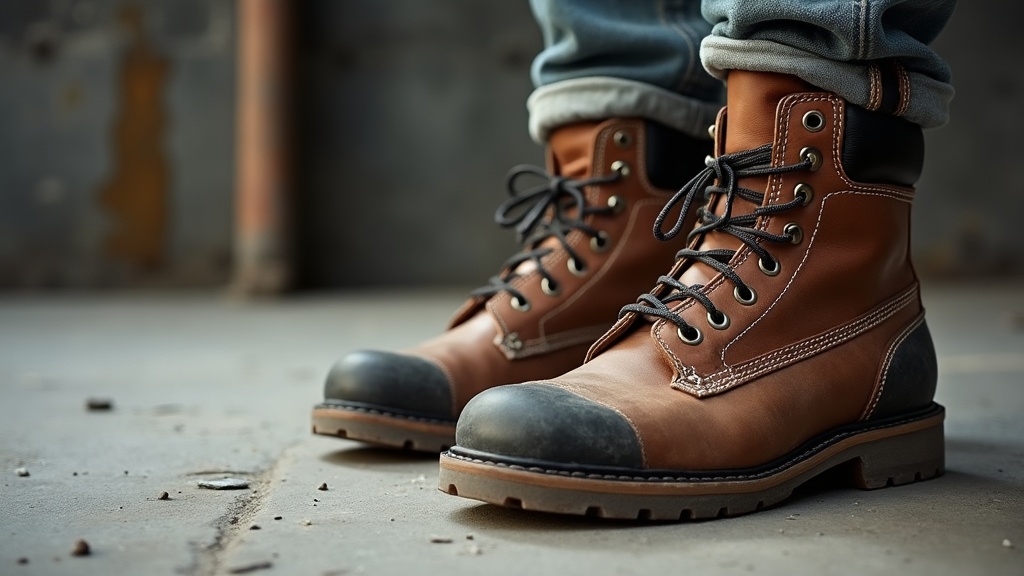
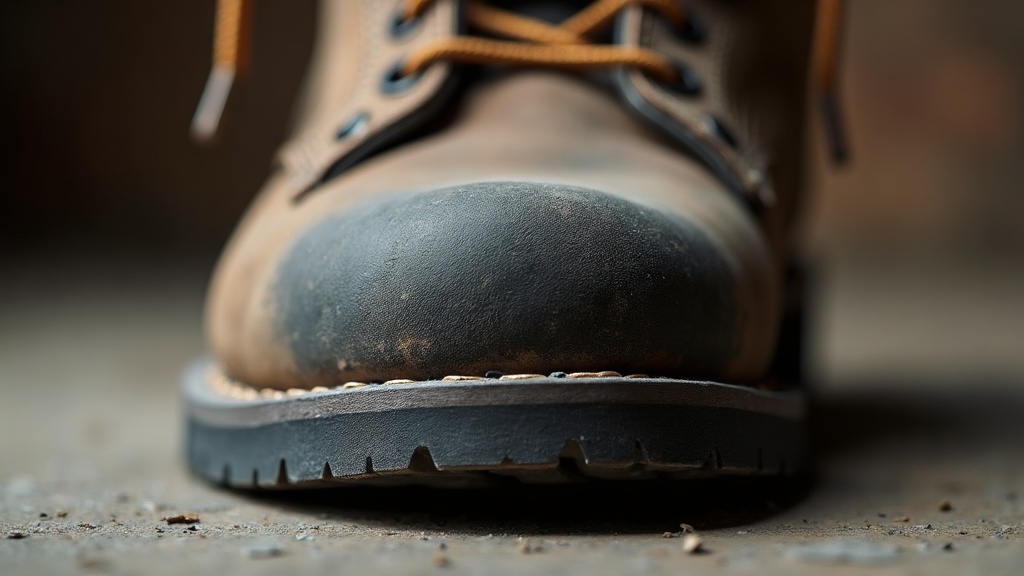
A steel or composite toe cap does its job well: it keeps a dropped beam from turning your foot into a pancake. But that same rigid shell holds your toes in a compressed, downward-bent position for eight to twelve hours a day, five days a week, often for years on end.
Hammertoe forms when the muscles and tendons around the middle toe joint get chronically shortened from being held in a bent position. The joint stiffens. Eventually it doesn't flatten out even when you're barefoot.
Construction workers, ironworkers, and tradespeople are disproportionately affected because their boots are designed around impact protection, not foot mechanics. A narrow toe box forces the second, third, and fourth toes to curl down just to fit inside the cap. Do that long enough and the curl becomes permanent.
How to Spot the Early Warning Signs Before the Damage is Done
Catch this early and you can manage it without surgery. Miss it and the joint locks up for good.
Early signs to watch for
- One toe sits higher or lower than the others when you look at your bare foot
- The top of the middle joint rubs the inside of your boot cap and forms a corn or callus
- Your toe feels stiff in the morning and loosens up during the day (that's reversible, for now)
- Work boot toe pain that's localized to one or two toes rather than the whole forefoot
- The toe straightens when you press it flat but springs back when you let go
That last one is the key test. If it straightens, it's a flexible hammertoe. You have time to fix it with the right gear and habits. If it won't budge, it's rigid, and you need a professional's opinion.
Read also: Work Boots for Sore Feet That Actually Hold Up All Shift
Did you know?
According to the American College of Foot and Ankle Surgeons, hammertoe is the most common deformity of the lesser toes, affecting an estimated 60 million Americans, with occupational footwear cited as a primary contributing factor in workers who spend six or more hours per day on their feet.
Choosing the Right Work Boot: Toe Box, Last Shape, and Flex Points That Matter
The single most important thing you can do for hammertoe prevention for workers in stiff boots is buy the right boot before the damage starts. Most guys grab whatever's on sale. That's a false economy when you factor in the medical bills.
What to look for in a work boot
- Toe box width: Wide or extra-wide toe box that doesn't squeeze the toes together. Your toes should have about a thumb's width of room at the tip.
- Last shape: A rounded last that mirrors the natural shape of the foot, not a tapered fashion-boot shape.
- Flex point alignment: The boot should bend where your foot bends. A rigid midsole that doesn't flex at the ball of the foot forces your toes to compensate.
- Composite vs. steel cap: Composite toe caps are often slightly roomier and lighter. Worth considering if your site's safety standards allow it.
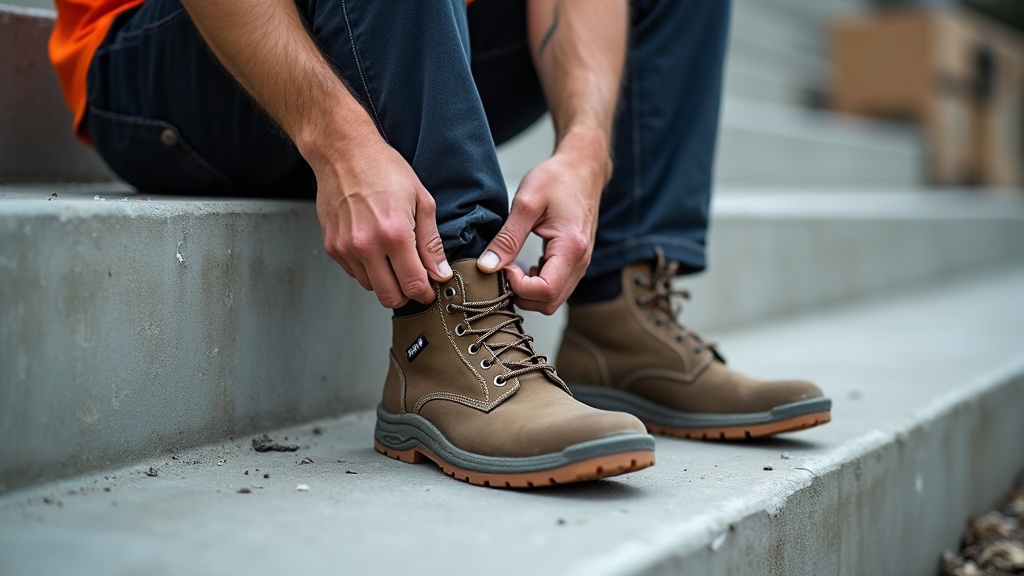
- Boot height: Higher shaft boots that are laced too tight can shift your foot forward and pack your toes into the cap. Lace snug, not strangling.
| Boot Feature | Better for Hammertoe Prevention | Worse for Hammertoe Prevention |
|---|---|---|
| Toe Cap Type | Composite, wide-profile | Narrow steel cap, tapered tip |
| Toe Box Width | Wide or EW sizing, square profile | Standard D width, pointed silhouette |
| Midsole Flex | Flexes at ball of foot | Rigid full-length board |
| Last Shape | Anatomical, rounded forefoot | Fashion-influenced taper |
| Sock Thickness | Medium cushion, moisture-wicking | Thick cotton that compresses and packs |
Insoles and Toe Pads That Actually Work on the Job
The stock insole that comes with most work boots is a flat piece of foam designed to fill space, not support a foot. Pull it out and throw it away.
A quality aftermarket insole does two things for hammertoe prevention: it supports your arch so your weight doesn't roll forward and pile pressure onto your toes, and it adds a metatarsal pad that lifts the ball of the foot and gives the curled toe a fraction more vertical room.
Best insoles for hammertoe prevention on the job
- Superfeet Green: High arch support, firm cap, metatarsal positioning. The go-to for workers who stand on hard surfaces all day.
- Powerstep Pinnacle: Lower profile than Superfeet, fits more easily in tighter boots, good dual-layer cushion under the forefoot.
- Spenco Total Support: Affordable, durable, fits standard work boot widths without cramping the toe box further.
Pair your insole with a silicone toe sleeve or gel toe cap on the affected toe. These cushion the dorsal surface (the top of the bent joint) and stop the cap from grinding a corn into the skin. They cost under ten dollars and last a month of daily wear.
Daily Exercises and Stretches You Can Do Before and After Your Shift
Hammertoe exercises for workers don't need a gym or a physical therapist. You need a floor, five minutes, and the discipline to actually do it.
Before your shift (3 minutes)
- Toe spread and hold: Sit barefoot, spread all toes as wide as they'll go, hold five seconds. Ten reps.
- Manual toe extension: Grip the bent toe with your fingers, gently pull it straight and hold for ten seconds. Eight reps.
- Towel scrunch: Lay a small towel flat on the floor, scrunch it toward you using only your toes. Three sets.
After your shift (2 minutes)
- Plantar fascia stretch: Foot flat, grab the toes and pull them back toward your shin until you feel the arch. Hold twenty seconds per foot.
- Marble pickup: Drop five marbles on the floor, pick them up one at a time with your toes and drop them in a cup. This one actually strengthens the intrinsic foot muscles that fight toe deformity.
Read also: Best Work Shoes for Foot Pain: What Actually Holds Up
Did you know?
Research published in the Journal of Foot and Ankle Research found that intrinsic foot muscle strengthening exercises performed consistently over eight weeks produced measurable improvement in flexible hammertoe alignment, without any footwear change or surgical intervention.
How to Tape a Hammertoe and Keep Working While You Fix It
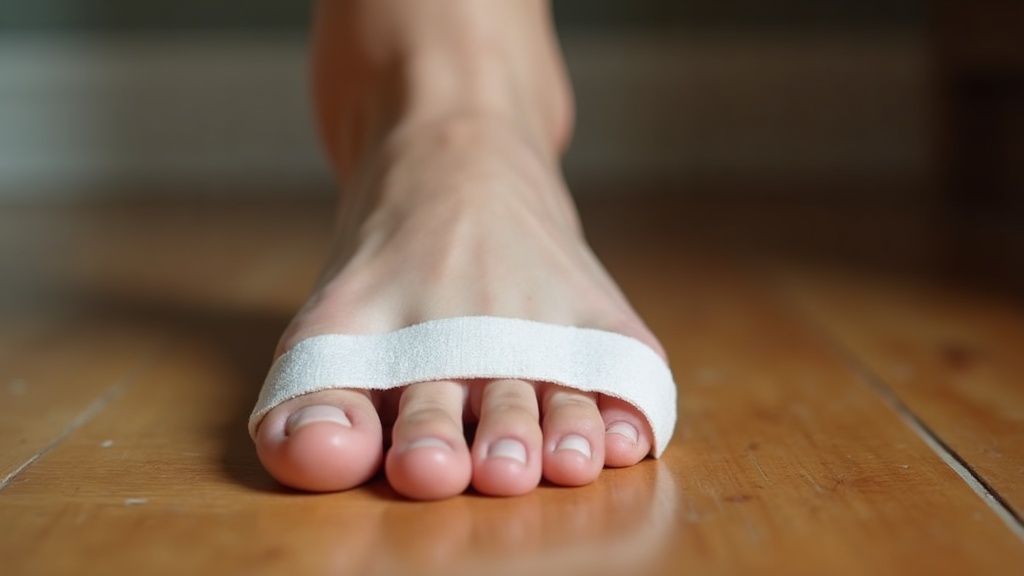
Buddy taping is simple: you tape the bent toe to the one next to it using a strip of 1-inch medical tape. The healthy toe acts as a splint and holds the deformed toe in a straighter position throughout the shift.
Use a small piece of foam or cotton between the toes before taping so the skin doesn't macerate. Change the tape every morning. If it gets wet, replace it at lunch. This costs almost nothing and significantly reduces the friction and pressure that make hammertoe worse over a workday.
Toe-straightening splints are also worth looking at. They slip on like a sleeve with a small wire or rigid insert that holds the toe flat. Some workers wear these in the evenings to stretch out the joint after a shift. They won't reverse a rigid hammertoe but they slow the progression of a flexible one.
When It Stops Being a Sore Toe and Becomes a Medical Problem
There's a line between managing a stiff toe and ignoring something that's going to cost you real time off the job. Know where that line is.
See a podiatrist if you have any of these
- The toe is completely rigid and will not straighten under any pressure
- An open sore or ulcer on top of the joint that isn't healing
- Numbness or shooting pain that radiates into the foot or up the leg
- The second toe is crossing over the big toe (crossover toe deformity)
- You're changing how you walk to avoid the pain, which puts strain on your knees and back
A podiatrist can give you a custom orthotic, cortisone injection to reduce joint inflammation, or refer you to a surgeon if it's gotten to that point. Hammertoe surgery is outpatient and recovery is typically four to six weeks. That's a lot better than waiting until it's debilitating.
Gear and Habits Worth the Money: A No-Nonsense Prevention Checklist
Here's the short version. Do these and you're well ahead of the average worker in terms of hammertoe prevention for workers in stiff boots.
- ☑ Replace your work boots with a wide-toe-box model if yours taper at the front
- ☑ Swap the stock insole for one with arch support and a metatarsal pad
- ☑ Use a silicone toe sleeve on any toe that's already showing signs of bending
- ☑ Do the five-minute stretch routine every single workday, before and after
- ☑ Buddy-tape on bad days when you know you're in for a long, hard shift on concrete
- ☑ Pull your boots off at lunch if the job allows it. Give your toes fifteen minutes flat
- ☑ Don't lace the top eyelets too tight. It pushes your foot forward and compresses the toes
- ☑ Check your toes every Sunday. A two-minute inspection catches problems early
None of this is complicated. It's just the kind of maintenance most guys skip until the pain is bad enough to make them stop skipping it. Start now, not after the next flare-up.
