


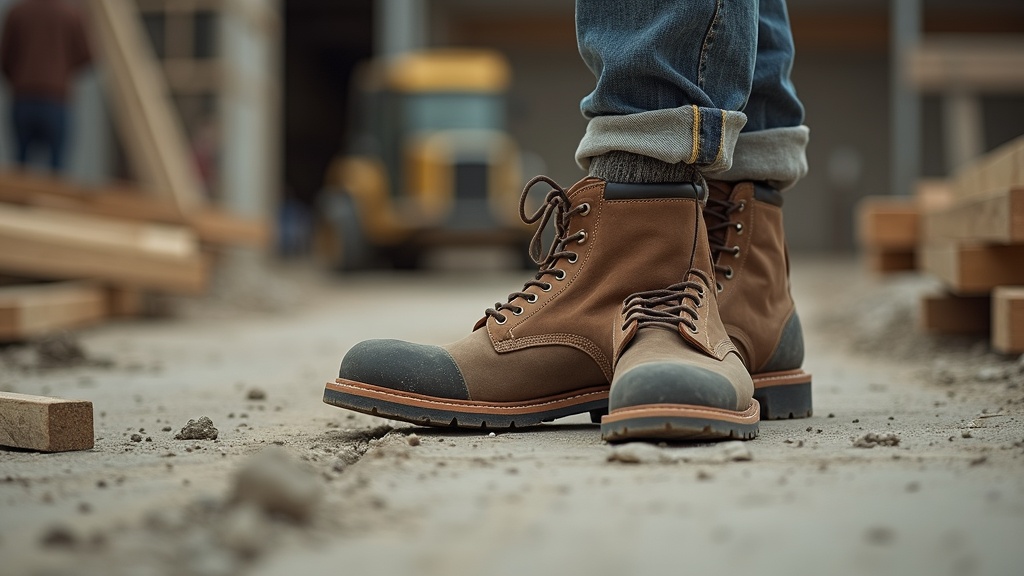
Your boots get inspected. Your gloves get swapped out. Your socks? They just keep getting pulled on until something goes seriously wrong, whether that's a blister, a hotspot, or a foot that's been sitting in sweat for ten hours. Natural fiber work socks don't last forever, and on a construction site, they wear out a lot faster than the package suggests.
Knowing how often to replace natural fiber work socks on a construction job isn't about being picky. It's about keeping your feet functional all day, every day, which is the difference between getting through a shift and limping to your truck at 5 p.m.
Key points at a glance
- Merino wool work socks typically last 6 to 12 months with a proper rotation on a construction site.
- Cotton work socks often break down in as little as 2 to 3 months under heavy daily use.
- Bamboo blends fall in the middle, around 4 to 6 months, depending on the weave and wash habits.
- A rotation of at least 5 to 7 pairs extends sock lifespan and reduces wear on any single pair.
- Thinning heel pads, persistent odor, and bunching fabric are the clearest signs it's time to replace.
- Trade type matters: concrete workers and roofers burn through socks faster than electricians or finish carpenters.
What this article does for you
The Short Answer: Natural Fiber Work Socks Don't Last as Long as You Think
Most manufacturers rate their work socks at several hundred wash cycles. That number looks great on a hang tag. It means nothing when you're running one pair through a wash every single day because it's the only pair that dried in time.
On a construction site, the average natural fiber work sock lasts between 3 and 9 months depending on the fiber, the rotation size, and how hard the work is. Single-pair daily rotation? You're looking at the low end. Five-pair rotation washed in cold water? You'll stretch it out. Simple math.
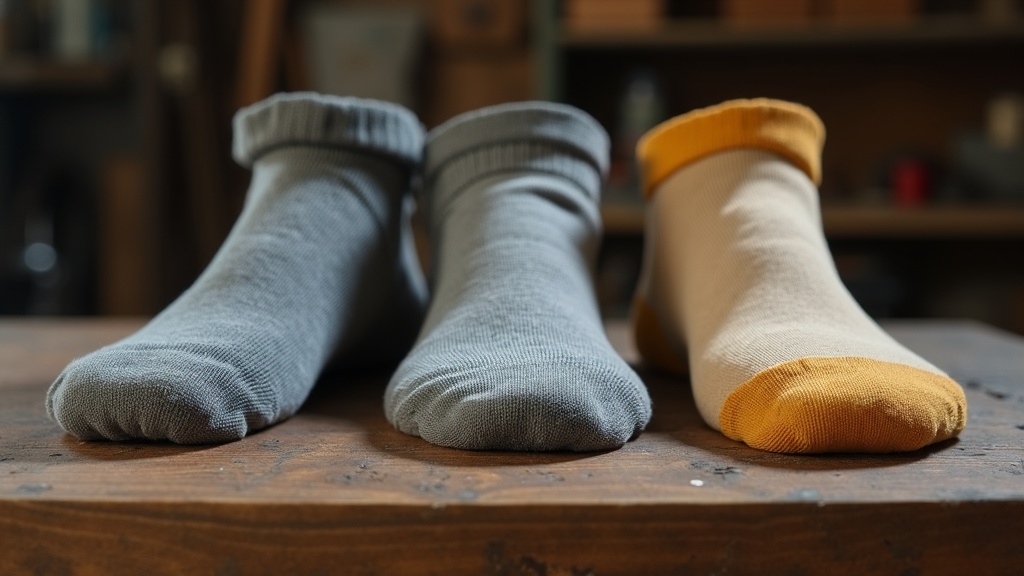
Merino Wool Work Socks: The Gold Standard and What to Expect
Merino wool work socks are the most durable natural fiber option you can put on a construction site. The fibers are finer than standard wool, which means they resist breakdown from friction better than cotton or bamboo.
Realistic lifespan: 6 to 12 months with daily rotation of 5 or more pairs, washed on cold and air-dried. Push them harder with a smaller rotation or machine-dry them hot every time, and you're looking at 4 to 6 months.
What kills merino faster
- High-heat dryer cycles break down the protein fibers
- Wearing the same pair two days in a row without washing accelerates odor retention and fiber degradation
- Rough boot linings act like sandpaper on the heel and toe zones
Did you know?
Merino wool fibers can bend back and forth over 20,000 times before breaking. Standard wool snaps after roughly 3,000 cycles. That mechanical resilience is exactly why merino outlasts other natural fibers under boot friction.
Cotton Work Socks: Cheap Up Front, Costly Later
A six-pack of cotton work socks from the hardware store costs maybe twelve bucks. That feels like a win until you're replacing them every two months.
Cotton loses its structure fast under heat, moisture, and friction. On a construction site with daily wear, expect cotton work socks to last 2 to 4 months before the cushioning compresses and the heel starts thinning out. Cotton also holds moisture, which means blisters happen faster and odor sets in deeper over time.
The cost-per-wear math on cheap cotton usually doesn't win. A $12 six-pack replaced three times a year costs $36. A single pair of quality merino at $20 that lasts a full year costs $20 and protects your feet better the entire time.
Read also: Nerve Pain from Tool Belt Weight on Hips and Feet: Fix It
Bamboo and Bamboo Blends: Where They Stand on the Jobsite
Bamboo socks have a reputation for being soft and moisture-wicking, and that reputation is mostly earned. The problem is that pure bamboo fabric is less abrasion-resistant than merino, which matters a lot inside a work boot.
Bamboo blends, typically 60 to 70% bamboo with nylon or spandex reinforcement, perform better. Expect a lifespan of 4 to 6 months on a construction site with daily rotation. Pure bamboo, closer to 3 to 5 months. They're a solid choice for trades with less boot friction, like electricians or HVAC techs.
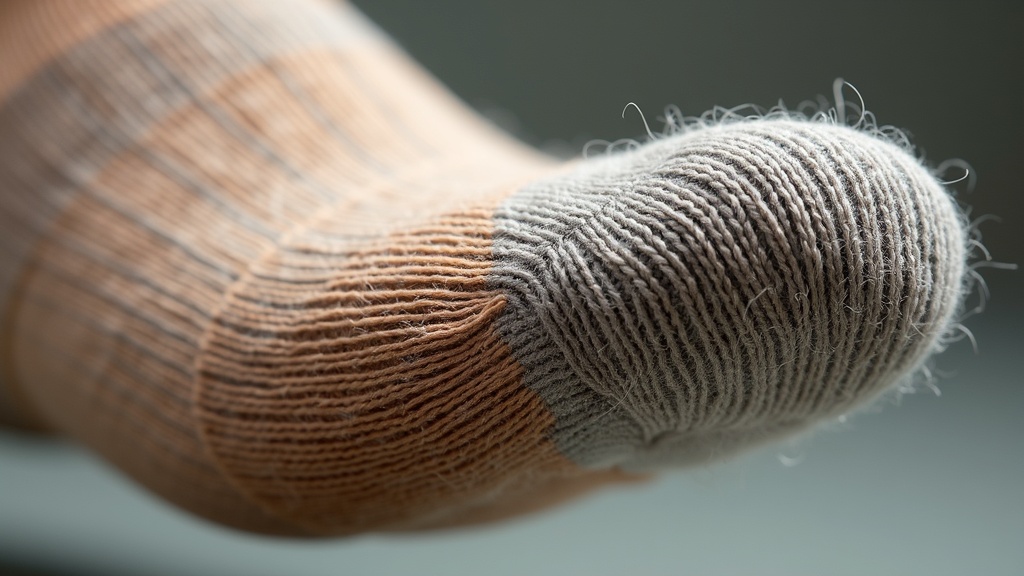
5 Signs Your Natural Fiber Work Socks Are Done (Check Before Your Next Shift)
You don't need a calendar to know when to replace work socks. Your socks tell you. Most guys just aren't listening.
- The heel pad is thin or flat. Press your thumb against the heel. If you feel your palm almost immediately, the cushioning is gone. That's your blister waiting to happen.
- The elastic is loose. If the sock slides down inside your boot during the shift, the elastic is shot. Bunching fabric creates friction points fast.
- Odor that survives a wash. Natural fibers that have broken down trap bacteria in the compromised fabric structure. When washing doesn't fix the smell anymore, the sock is done.
- Visible thinning or small holes. Holds especially around the big toe and ball of the foot. Any hole, even small, becomes a blister point by noon.
- Moisture feels wrong. A sock that used to wick well but now leaves your foot feeling damp within the first hour has lost its fiber structure. It's no longer doing its job.
Did you know?
According to podiatric research, friction blisters are one of the most common causes of lost workdays in the trades. A degraded sock, not just a bad boot, is frequently the root cause. The cushioning layer failing at the heel or toe is the number-one mechanical trigger.
How Your Rotation Size Changes Everything
This is the variable most guys ignore. If you own two pairs of work socks and alternate them, each pair is doing 50% of the work. If you own seven pairs, each pair works one day in seven before it gets washed and rested.
A minimum rotation of 5 pairs is the baseline for extending natural fiber work sock lifespan. Seven pairs is better. It keeps wear even, gives fibers time to recover their structure between uses, and means you're never tempted to re-wear a damp sock because you have nothing else.
| Fiber Type | Avg. Lifespan (5-pair rotation) | Best For | Weakness on Site |
|---|---|---|---|
| Merino Wool | 6 to 12 months | All trades, all seasons | High-heat drying |
| Cotton | 2 to 4 months | Light-duty, dry conditions | Moisture retention, fast cushion loss |
| Bamboo Blend | 4 to 6 months | Warmer climates, light boot friction | Lower abrasion resistance |
| Pure Bamboo | 3 to 5 months | Sensitive skin, low-impact trades | Weak under heavy boot wear |
| Merino/Nylon Blend | 8 to 14 months | High-friction trades, concrete work | Slightly less breathable than pure merino |
Construction vs. Other Trades: Why Replacement Timelines Differ
A concrete finisher working ten-hour days on a slab is destroying socks faster than a finish carpenter doing trim work in a climate-controlled house. The variables are moisture, abrasion, and time on your feet.
Heaviest on socks: concrete workers, roofers, ironworkers, laborers. The combination of heat, moisture, and constant movement chews through fibers fast. These guys should plan to replace natural fiber socks every 3 to 5 months even with a good rotation.
Easier on socks: electricians, plumbers, HVAC techs, finish carpenters. More time off your feet, less sustained boot friction. Merino can realistically hit that 10 to 12 month mark for these trades.
How to Get More Miles Out of Natural Fiber Work Socks
You can't stop fibers from wearing out, but you can slow it down. These habits add weeks and sometimes months to your sock lifespan.
- Wash cold, always. Hot water shrinks fibers and breaks down the protein structure in wool. Cold wash, gentle cycle if possible.
- Air dry when you can. A dryer on high heat is the fastest way to kill merino. Hang them up. They dry overnight in most conditions.
- Rotate at least 5 pairs. Already said it. Worth repeating. Single-pair rotation is a guaranteed short life.
- Turn socks inside out before washing. Most wear happens on the outer surface of the sock material from boot friction. Washing inside out protects the interior fibers.
- Don't wear two days in a row. Even if they smell fine. Fibers need a full dry-out cycle to recover their structure.
Read also: Hammertoe Prevention for Workers in Stiff Boots
What to Buy When It's Time to Replace
When your socks are done, don't just grab whatever's on sale. The best socks for construction workers are merino wool or a merino/nylon blend, mid-calf or crew height, with reinforced heel and toe zones. Look for at least 60% merino content. Anything less and you're mostly buying the name.
Brands worth looking at: Darn Tough (Vermont-made, lifetime guarantee), Smartwool (solid mid-range merino), Icebreaker (premium, higher price but genuine quality). All three make work-specific models with the cushioning and structure a construction site demands.
Buy enough to build a proper rotation the first time. Five pairs minimum. Seven if your budget allows. You spend more upfront, but you replace less often and your feet stop complaining halfway through the shift. That math works every time.
