



Your shirt takes the same beating you do. Concrete dust, grease, UV, sweat, and a hundred snags on wire or lumber edges. Most shirts on the rack weren't built for any of that.
This is a straight-up guide to men shirts work wear that earns its keep: the right fabric, the right fit, and the features that actually matter when you're putting in real hours.
Key points at a glance
- Fabric weight and weave structure decide how long a shirt survives hard use.
- Long sleeves win on most jobsites for sun and abrasion protection.
- Button-down work shirts need reinforced buttons and box-pleated backs to move freely.
- Gimmick features cost money; triple-stitched seams and deep chest pockets actually earn their keep.
- Fit matters as much as fabric: too tight tears, too loose catches on everything.
- Washing hot and skipping the dryer is the fastest way to wreck a good work shirt.
What a real work shirt does for you
Why Most Work Shirts Quit Before You Do
The problem isn't always cheap fabric. It's cheap construction. A shirt can use decent cotton and still blow out at the shoulder seam on week three because the stitching is single-pass and the thread count is low.
Collar breakdown, pocket flap snags, and cuff fraying are the three places a shirt fails first. That tells you exactly where to look when you're buying.
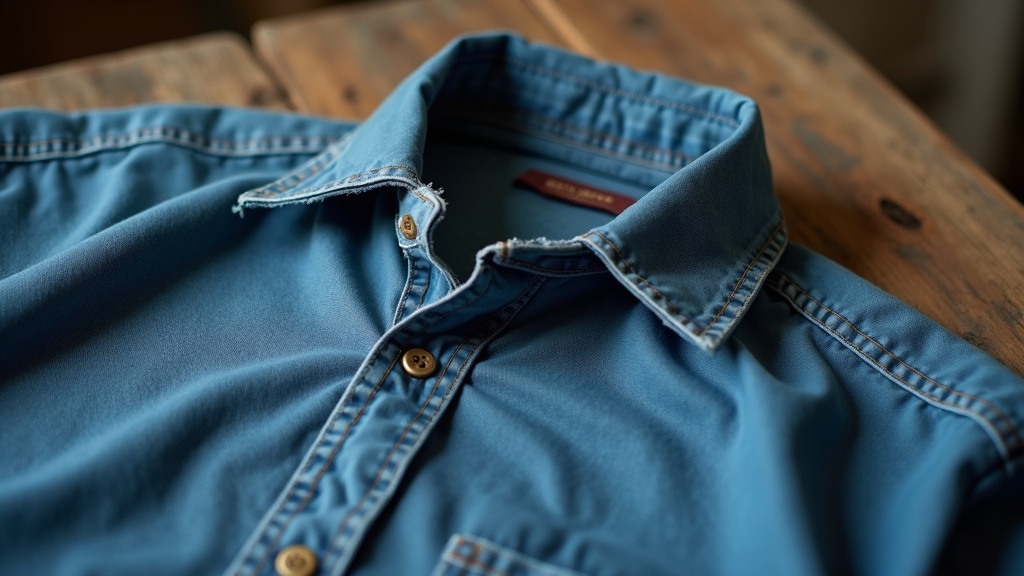
Fabric That Can Take a Hit: What to Look for in the Weave
For durable work shirts in the trades, the two fabrics that consistently hold up are ripstop cotton-poly blends and 100% cotton canvas or chambray. Both have real-world track records on construction sites.
Cotton-poly blends
- 65/35 or 60/40 poly-cotton is the sweet spot: holds shape, dries faster, resists shrinking.
- Stays color-stable through more washes than pure cotton.
- Slightly less breathable in extreme heat.
100% cotton (chambray, canvas, twill)
- Breathes better on hot, dry days outdoors.
- Heavier weaves (7 oz and up) handle abrasion well.
- Shrinks more if you're not careful with the wash.
Did you know?
Ripstop fabric gets its strength from a reinforcing grid of thicker threads woven in at regular intervals, typically every 5 to 8mm. A small tear stops at the next crossthread instead of running across the whole shirt. Originally developed for military parachutes, it's now standard in quality industrial work shirts.
Long Sleeve vs. Short Sleeve Work Shirts: Which One to Reach For
Long sleeve work shirts for men are the default choice on most jobsites, and for good reason. They protect forearms from sun, pipe edges, insulation fibers, and stray sparks.
Short sleeves work in controlled environments: a climate-controlled warehouse, a shop floor, a light-duty maintenance gig. Outside, long sleeves win almost every time.
- Roll-up tabs on long sleeves give you the best of both: push them up when it's hot, roll them down when you're under a crawlspace or working near anything sharp.
- Look for reinforced cuffs with two-button closures. Single buttons pop off fast under repetitive movement.
Button-Down Work Shirts: When You Need One and How to Pick Right
Men's work shirts button down style is the right call when you're in and out of a customer's house, on a job that requires a cleaner look, or working a site where you need pockets you can actually access quickly.
The things that make a button up work shirts long sleeve worth buying for real work:
- Resin or metal buttons, not cheap plastic ones that crack by month two.
- A box pleat at the back yoke so you can reach overhead without the shirt pulling out of your pants.
- Button-through chest pockets with reinforced corners, deep enough to hold a marker and a folded tape measure.
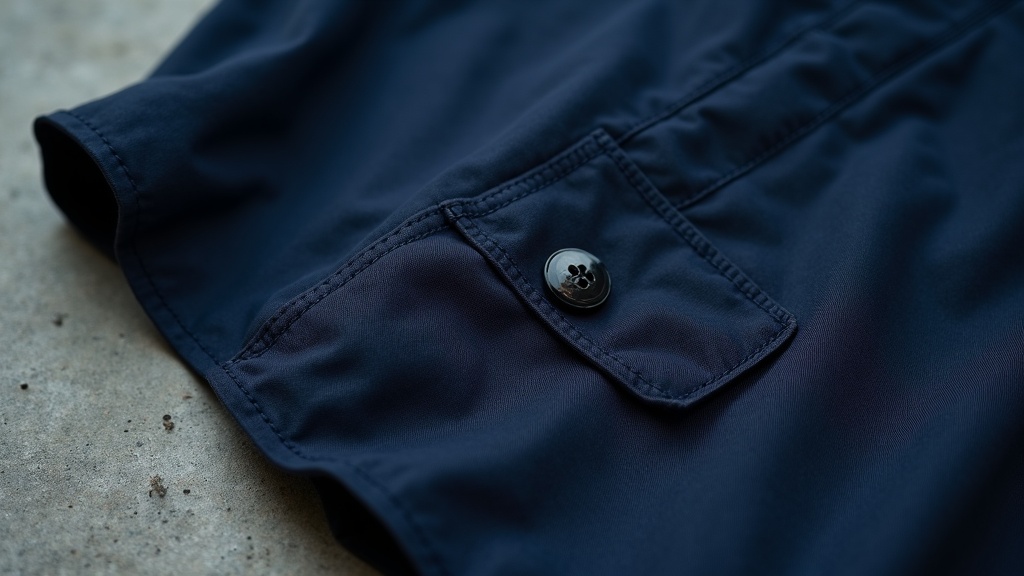
Fit That Moves With You, Not Against You
A shirt that's too slim through the shoulders will tear at the armhole the first time you swing a hammer overhead. A shirt that's too boxy catches on ladders and gets snagged on scaffold rails.
What you're looking for: relaxed through the chest and shoulders, slightly tapered at the waist, long enough in the body to stay tucked when you crouch. That's it.
- Try a shirt on and reach both arms straight up. If the back hem lifts more than two inches, it's too short.
- Cross your arms across your chest. If the back seam pulls, go up a size in the shoulders.
Features Worth Paying For (And Ones That Are Just Marketing)
| Feature | Worth It? | Why |
|---|---|---|
| Triple-stitched seams | Yes | Seams take more stress than any other part of the shirt |
| Box back pleat | Yes | Lets you raise your arms without the shirt going with them |
| Vented back hem | Yes | Keeps you cooler in heat and doesn't bind when bending |
| Moisture-wicking finish | Situational | Useful on hot outdoor sites; washes out after 30+ cycles |
| "Anti-odor" technology | No | Marketing. Fades fast. Soap and water does the same job |
| Hidden pen pocket inside placket | Rarely | Nice idea, but cheap ones fray quickly and most workers don't use them |
Work Shirts by Trade: Construction, Industrial, Warehouse, and the Trades
Different jobs put different stress on a shirt. Here's what holds up where.
Construction work shirts for men
You need 7 oz or heavier canvas or twill, long sleeves, reinforced elbows if available. Hi-vis options matter if you're near traffic or heavy equipment.
Work shirts for electricians
Flame-resistant (FR) rated shirts are mandatory in many electrical environments. Look for NFPA 2112 certification. Non-FR cotton is better than poly blends near arcs since poly melts to skin.
Work shirts for plumbers
You're crawling into tight spaces. Slim-to-regular fit, no bulky back pleat, durable elbows, and a darker color that hides grime are your priorities.
Work shirts for carpenters
Reach overhead constantly. A box-back pleat and long tail hem are non-negotiable. Ripstop cotton-poly holds up well against saw dust and rough lumber edges.
Industrial work shirts
For factory and heavy industrial environments, close-woven poly-cotton blends resist chemical splatter better. Check if your site requires specific ANSI ratings.
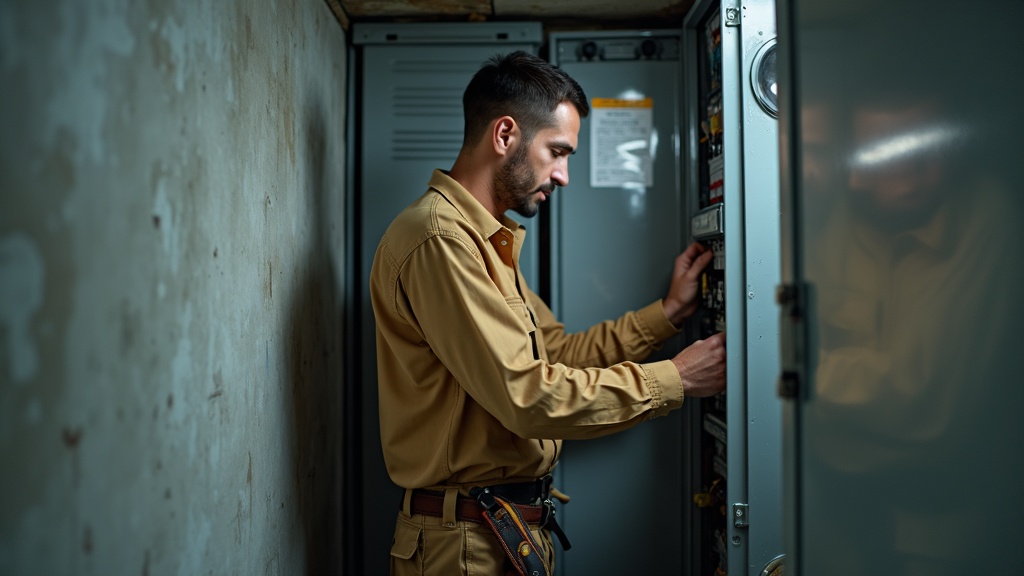
Did you know?
OSHA does not mandate a specific work shirt for most general construction trades, but NFPA 70E requires flame-resistant clothing for anyone working within the arc flash boundary of exposed energized electrical equipment. That boundary can be as wide as 19 feet depending on the voltage involved.
How to Make Your Work Shirts Last Longer
The shirt isn't always the problem. The wash is.
- Cold water, gentle cycle. Hot water breaks down fiber structure faster than the jobsite does.
- Turn shirts inside out before washing. Preserves the outer surface and slows fading.
- Air dry when you can. Dryer heat shrinks collars and wears out elastic in cuffs over time.
- Treat grease stains with dish soap before they go in the machine. Let it sit 10 minutes. Grease set by heat is nearly impossible to get out.
- Replace missing buttons immediately. One loose button creates a chain snag that tears the placket.
What to Spend and Where to Find the Value
The honest range for a work shirt that's actually built for the trades: $28 to $65. Below $25, you're usually buying a shirt that won't survive its first season. Above $70, you're often paying for a brand name, not better construction.
The brands that consistently show up on real jobsites: Carhartt, Wrangler Workwear, Duluth Trading, Cintas (for FR options), and Berne. Each has weak spots in certain product lines, so read the specific garment specs, not just the logo.
- Buy a two-pack or three-pack when you can. Per-shirt cost drops, and rotating shirts extends individual shirt life significantly.
- Check the care label for fabric weight. It's usually listed in grams per square meter (g/m²). Anything under 180 g/m² is light-duty at best for outdoor construction work.
- Outlet stores and end-of-season sales are your best shot at quality for less. Work shirts don't go out of style. Last year's chambray is this year's chambray.
