


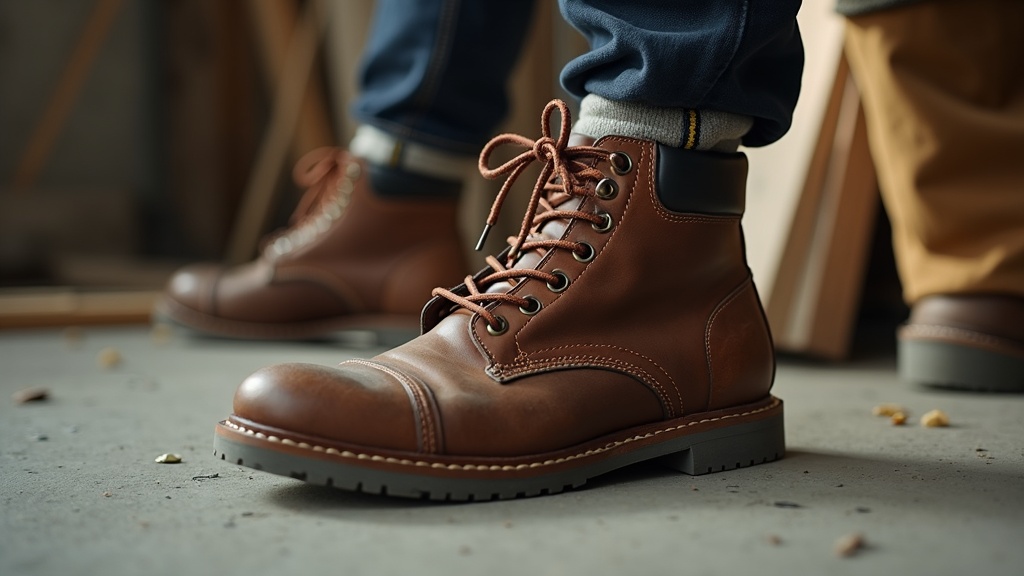
Your feet take more abuse than any other part of your body at work. Eight, ten, twelve hours on concrete, inside steel-toed boots, sweating through whatever socks you grabbed off the shelf at Walmart. By quitting time, you know the damage.
Merino wool socks have been getting a lot of attention in trades circles. Some of it is hype. Some of it is real. This article separates both.
Key points at a glance
- Merino wool manages moisture and odor better than cotton, period.
- For work boots and 12-hour shifts, cushion zone and blend percentage matter more than thread count.
- 100% merino wool sounds premium but wears out faster than a nylon blend in trade environments.
- Diabetics benefit from merino's pressure-free fit and moisture control, but consult your doctor first.
- Price per wear beats sticker price: a $22 merino sock outlasts four pairs of $4 cotton ones.
Why Merino Works for Hard Jobs
Why Your Socks Are Wrecking Your Feet by Quitting Time
Cotton socks absorb moisture and hold it. Once they're wet, they stay wet. That trapped moisture creates friction, and friction creates blisters. It also softens skin until it breaks down under the pressure points of a boot.
By hour six, wet cotton has bunched, slipped, and turned your heel into a hotspot. That's not bad luck. That's what cotton does inside a closed boot under load.
Is Merino Wool Actually Good for Work? (Short Answer: Yes, With Caveats)
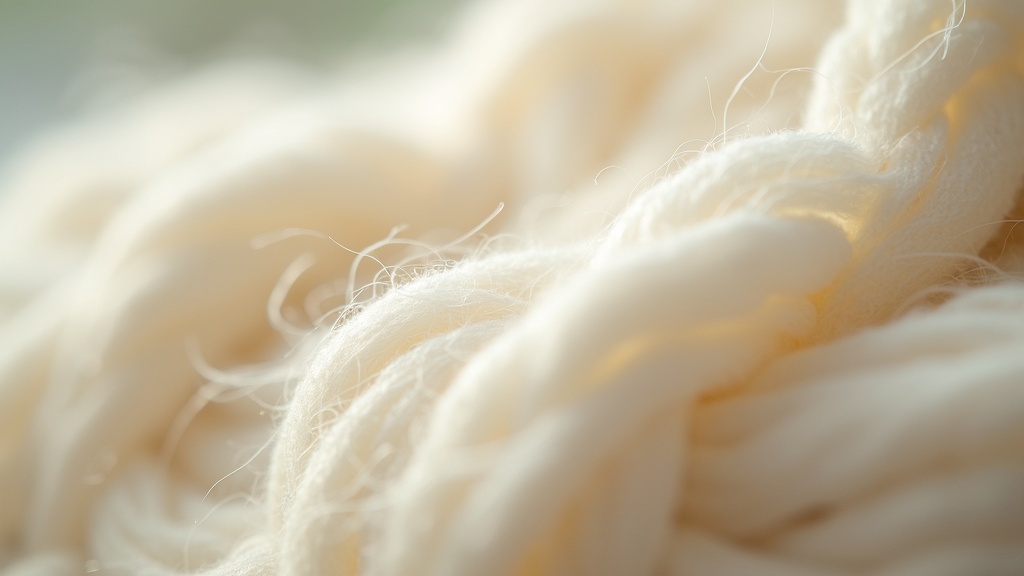
Merino wool is genuinely good for hard, physical work. The fiber wicks moisture away from your skin, releases it into the air, and keeps you dry even when you're sweating hard. It also regulates temperature, which matters whether you're in a cold warehouse or a hot crawlspace.
The caveat: pure merino wool is not the most durable fiber. The ultra-fine fibers that make it soft are also easier to abrade. Most serious work socks blend merino with nylon (anywhere from 10% to 30%) to add durability without sacrificing the moisture and temperature benefits.
Check out our guide: The 5 Best Men's Work Socks Built for Real Days on the Job
Did you know?
Merino wool fibers can absorb up to 35% of their own weight in moisture before they feel wet against your skin. Cotton starts feeling damp at around 7%. That gap is the entire reason merino stays comfortable inside a sealed work boot for hours longer.
What to Look for in a Merino Work Sock (Before You Spend a Dime)
Merino percentage
Aim for 60, 85% merino, 15, 30% nylon, and a trace of spandex for shape retention. 100% merino is great for trail runners, not for 10-hour days in steel toes.
Cushion level
- Light cushion: good for dress work boots, mild days
- Medium cushion: best all-around for most trades
- Heavy/full cushion: for concrete, cold weather, or long hauls
Crew vs. over-the-calf
Crew merino wool socks for work fit under most work pants without bunching. Over-the-calf stays up better inside tall boots and adds shin coverage for cold environments.
Reinforced zones
Check for reinforced heel and toe. These areas take the most friction inside a boot. A sock without reinforcement in those zones will blow out within a few months on a trade job.
Best Merino Wool Socks for Work Right Now: Honest Picks
These are solid options backed by real-world use, not sponsored rankings.
- Darn Tough Hiker Micro Crew: 61% merino, lifetime guarantee, thick cushion, and they actually honor the guarantee. Best overall for trades.
- Smartwool Hiking Heavy Crew: good cushion, well-built, widely available. Slightly less durable than Darn Tough over time but more options in fit.
- Farm to Feet: American-made, solid construction, merino blends that hold up well in work boots.
- Icebreaker Merino Hike+ Medium Crew: lighter weight, better for warmer climates or spring and fall work.
What About Costco, Smartwool, and the Big Names?
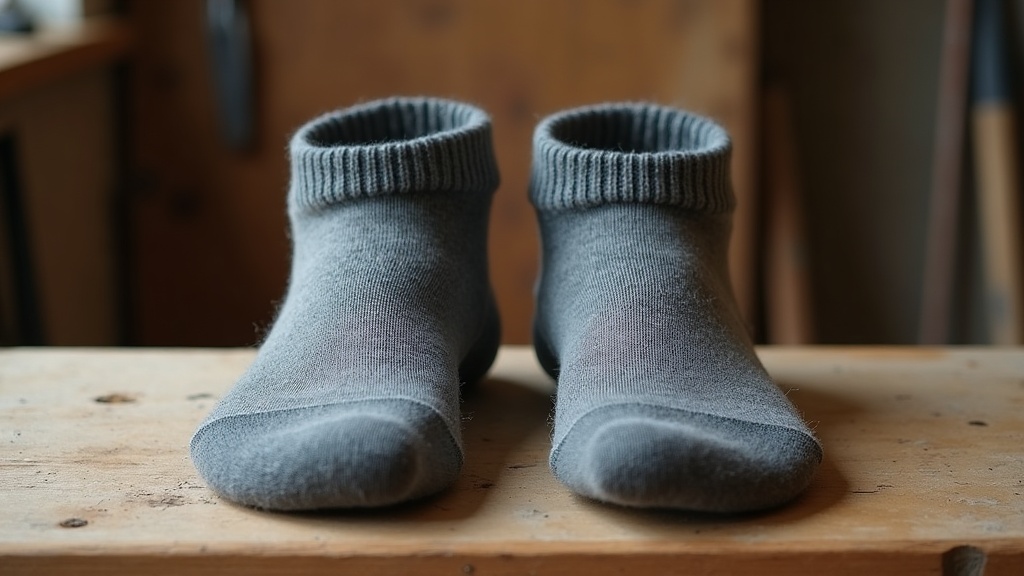
Costco sells Kirkland merino wool socks at a price that's hard to argue with. The quality is decent, not exceptional. The merino percentage is lower, and cushioning is modest. For light office or warehouse work, they're fine. For a full day in work boots on a construction site, you'll notice the difference within a week.
Smartwool is a legitimate brand. Their work-specific lines like the PhD Work series are built for this. Prices are fair when you factor in how long they last.
| Sock Type | Moisture Control | Durability | Best For |
|---|---|---|---|
| 100% Merino Wool | Excellent | Moderate | Light-duty, travel |
| Merino/Nylon Blend | Excellent | High | Trades, daily work boots |
| Cotton | Poor | Moderate | Office, low activity |
| Synthetic (polyester) | Fair | High | Hot weather, athletic |
| Wool/Synthetic Hybrid | Very Good | Very High | 12-hour shifts, heavy boots |
What Are the Disadvantages of Merino Wool Socks?
They cost more upfront. A quality pair runs $18, $28. That stings compared to a six-pack of cotton socks for $12. But one merino pair with reinforced zones will outlast those six pairs with room to spare.
They also require a bit more care. Hot machine wash and high-heat drying will shrink and felt them. Cold wash, low heat or air dry. That's the whole list of downsides, honestly.
Best Socks for 12-Hour Shifts: Thickness, Cushion, and Fit
For wool socks for 12-hour shifts, medium to heavy cushion in the heel and ball of the foot is non-negotiable. That padding absorbs the repetitive impact that adds up over a full shift on hard surfaces.
Fit matters just as much. A sock that's too loose will bunch and cause hotspots. Too tight and it cuts circulation. Look for socks with an arch compression band, which keeps the sock in place without squeezing.
Did you know?
Merino wool is naturally antimicrobial because lanolin and the fiber's protein structure inhibit the bacteria that cause odor. Most synthetic socks trap bacteria and start to smell within hours. A merino sock can be worn two or three days in a row in a work boot with minimal odor buildup.
Are Wool Socks Good for Diabetics?
Merino wool has properties that make it worth considering for diabetics: no seams that dig in, moisture management that reduces skin breakdown, and natural softness that doesn't create pressure points. These are all genuine advantages for anyone dealing with foot sensitivity.
That said, diabetics should always talk to their doctor or podiatrist before switching foot gear. There are diabetic-specific socks with non-binding tops and extra padding that may be a better fit depending on the level of neuropathy involved.
Check out our guide: The 5 Best Workman Socks for Long Shifts, Tough Sites, and Everything

How to Make Your Merino Work Socks Last Longer
Buy at least three pairs and rotate them. Letting socks rest between wears allows the fibers to recover their shape and extend the life of the cushioning significantly.
- Wash cold, dry on low or hang dry
- Turn inside out before washing to reduce surface abrasion in the drum
- Never wring them out hard when wet
- Store flat or loosely folded, not balled up (balling stretches the cuff)
- Replace when the heel or toe zone shows thin spots, not when they look worn
A good merino work sock, treated right, should give you 18 months to 3 years of regular use on the job. Some Darn Tough customers have returned pairs after five years under their lifetime guarantee. That's the ceiling of what a well-built merino blend can do.
