


```html
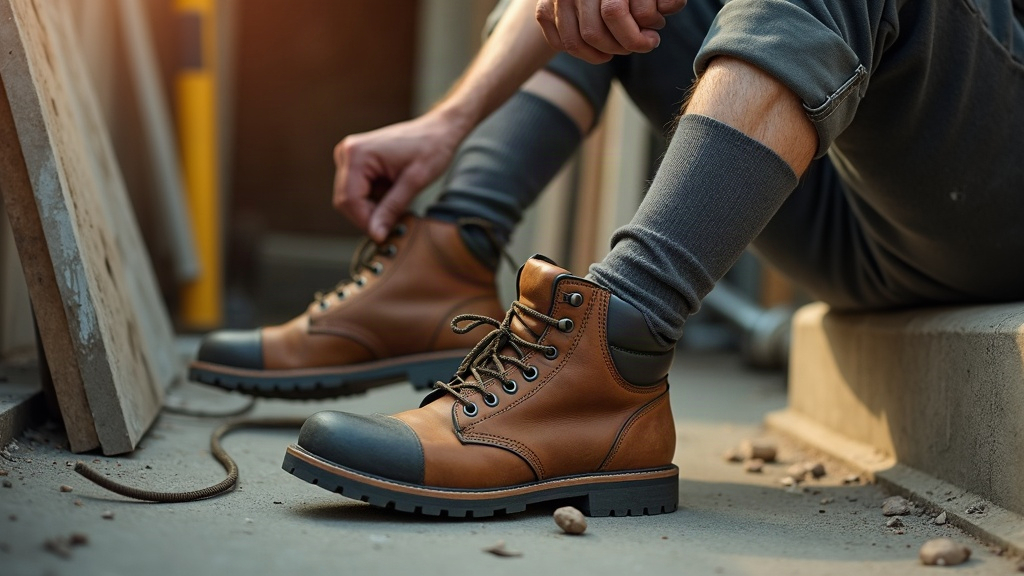
You put in a full shift on your feet. Concrete floors, ladders, hauling materials, crouching under sinks or above ceiling tiles. By the time you hit the truck, your calves are heavy and your feet feel like you stuffed them in a vice. That's not just tiredness. That's your legs telling you something is wrong with how you recover.
Recovery socks built for trades workers aren't a gym-bro product. They're a tool. And like any tool, they work when you pick the right one and use it right. Here's everything you need to know, straight up.
Key points at a glance
- Standing or moving all day restricts blood return in your legs, causing swelling and soreness that goes beyond normal fatigue.
- Compression socks improve circulation by applying graduated pressure, most at the ankle and tapering up the calf.
- Wearing them at work and after your shift both matter, for different reasons.
- Research supports compression for reducing delayed onset muscle soreness (DOMS) after physical exertion.
- For trades work, look for 15-20 mmHg or 20-30 mmHg, moisture-wicking material, and a reinforced heel and toe.
- Compression alone isn't enough: pair it with hydration, movement, and sleep to actually recover.
Why Trades Workers Need This
Why Your Legs Feel Wrecked After a Full Shift (and It's Not Just Tiredness)
When you stand or walk on hard surfaces all day, your calf muscles act as a pump to push blood back up toward your heart. When that pump gets tired, blood pools in your lower legs. Fluid leaks into surrounding tissue. That's the heavy, swollen, aching feeling you know too well by quitting time.
Add physical labor, crouching, climbing, and carrying, and your muscles accumulate micro-damage and metabolic waste products like lactic acid. The body clears those out through circulation. If circulation is sluggish, clearance slows down, and you wake up sore the next morning.
Read also: Tennis Elbow in Construction Trades: How to Actually Prevent It
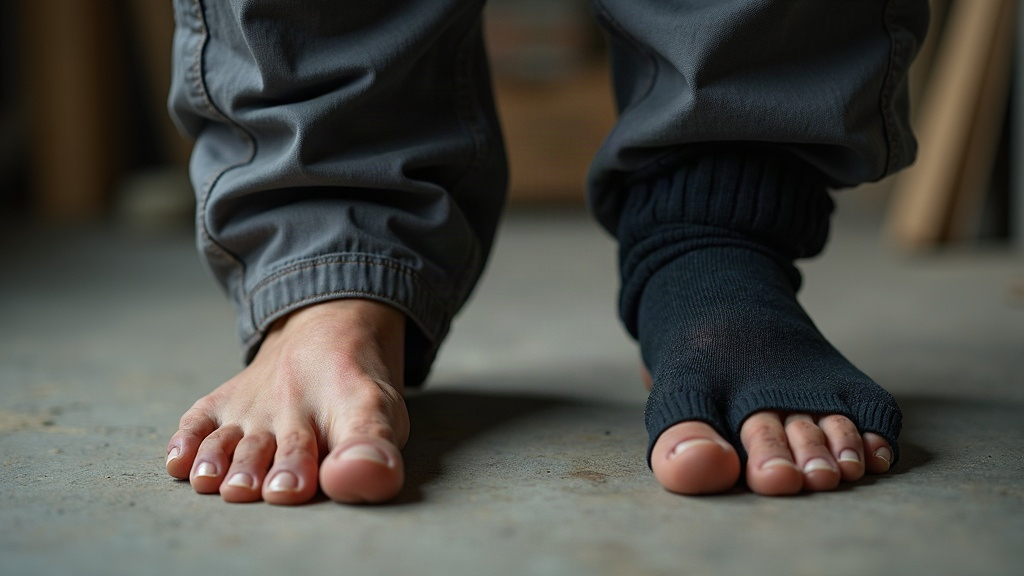
What Compression Socks Actually Do for Muscle Recovery, No Marketing Spin
Compression socks apply graduated pressure: tightest at the ankle, lighter as they go up the calf. That gradient pushes blood upward, improving venous return. More blood moving means more oxygen in, more waste products out.
That's it. No magic. It's basic circulatory mechanics, and it works. Studies consistently show reduced swelling, less perceived muscle soreness, and faster recovery time compared to wearing nothing.
Did you know?
A 2014 meta-analysis published in the British Journal of Sports Medicine found that compression garments significantly reduced delayed onset muscle soreness (DOMS) in the 24-72 hours following physical exertion, with the strongest effect seen during recovery periods, not during exercise itself.
Wearing Compression Socks at Work vs. After Work: Which Matters More
Both windows matter, but they do different jobs.
- During your shift: Wearing compression socks at work limits fluid accumulation in real time. Your feet stay less swollen, you're more comfortable in your boots, and your legs have more energy left by the end of the day.
- After your shift: Post-shift compression speeds up clearance of metabolic waste from fatigued muscles. This is the window that directly affects how you feel the next morning.
If you can only do one, post-shift recovery compression wins for muscle repair. But wearing them all day plus an hour or two after work is the smarter play if your shift runs 10 hours or more.
Do Compression Socks Help with Post-Workout Recovery? What the Research Says in Plain English
A lot of trades guys also train after work. Maybe you lift, run, or do something to stay sharp. Your legs are already beaten up before you even touch a barbell.
Research on compression socks for training men shows consistent results: wearing compression during and after exercise reduces muscle oscillation (the micro-vibration that causes damage) and speeds up perceived recovery. Several trials show reduced DOMS scores at 24 and 48 hours post-exercise in people wearing compression versus those who didn't.
For a tradesman who lifts after a 9-hour day framing houses or pulling wire, that difference can be the gap between functioning the next morning and moving like you're 90 years old.
What to Look for in a Recovery Sock Built for the Trades (mmHg, Material, Fit)
Not every compression sock belongs on a jobsite. Here's what actually matters when you're buying for trades work and post-shift recovery.
Pressure Level (mmHg)
- 15-20 mmHg: Good for light days, prevention, and wearing during desk-level work. Comfortable for all-day use inside a boot.
- 20-30 mmHg: The sweet spot for most trades workers. Noticeable support, clinically validated for swelling and recovery, still wearable all day.
- 30-40 mmHg: Medical grade. Requires a prescription in many states and is overkill unless a doctor recommends it for a circulatory condition.
Material
You'll be sweating in these. Material is not optional.
| Material | Best For | Downside |
|---|---|---|
| Merino Wool Blend | All-day wear, temperature regulation, odor resistance | Pricier, takes longer to dry |
| Nylon / Spandex | Compression precision, durability, fast-dry | Hotter in summer, less breathable |
| Copper-infused Nylon | Odor control, antimicrobial | Copper benefit fades after repeated washing |
| Polyester Blend | Budget-friendly, decent moisture wicking | Less durable compression over time |
Fit Details That Matter for Boot Wearers
- Reinforced heel and toe: your boots put real stress there
- Seamless toe box: prevents blisters on long shifts
- True graduated compression, not just tight fabric labeled as "compression"
The Real Downsides of Compression Socks Nobody Talks About
Compression socks aren't perfect. If they're too tight for your leg diameter, they can actually restrict circulation instead of helping it. Always size by calf circumference, not just shoe size.
Cheap pairs lose their compression after 15-20 washes. You're getting placebo after that point. Budget for replacements every 4-6 months if you're wearing them daily.
And if you have peripheral arterial disease or nerve damage in your legs, compression can make things worse. If your doctor has ever flagged circulation issues, check before you buy.
Did you know?
According to the American Orthopaedic Foot and Ankle Society, workers who stand on hard concrete surfaces for 6 or more hours daily are at significantly higher risk of developing chronic venous insufficiency by their 40s, a condition where the leg veins struggle to return blood to the heart efficiently.
How to Stack Recovery Right: Socks Plus the Other Stuff That Works
Compression socks are one piece. They don't replace the basics.
- Hydration: Dehydration thickens blood and slows circulation. Drink water before, during, and after your shift. Not soda, not energy drinks.
- Legs elevated: 15-20 minutes with feet above heart level after work accelerates fluid drainage fast.
- Light movement: A 10-minute walk after your shift keeps the calf pump working instead of just collapsing on the couch.
- Sleep: Your muscles rebuild during sleep. Eight hours isn't a luxury for a guy doing physical labor. It's a performance requirement.
- Anti-inflammatory food: Fish, leafy greens, and tart cherry juice have actual research behind them for reducing exercise-induced inflammation.
Read also: Wrist Pain from Repetitive Work: What Plumbers and Electricians Need to Know
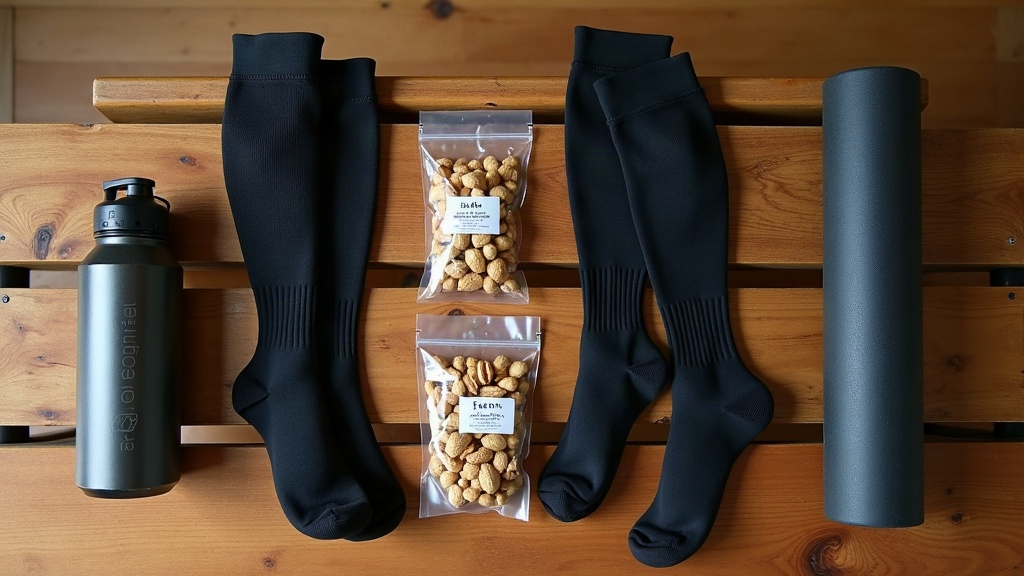
Top Picks: Recovery Socks Worth Your Hard-Earned Money
These aren't affiliate picks dressed up as recommendations. They're options that hold up based on what trades workers actually need.
- CEP Compression Run Socks 3.0 (20-30 mmHg): German-made, precise graduated compression, excellent durability. Used by runners and physical workers both. Pricey but they last.
- Sockwell Men's Elevation Graduated Compression (20-30 mmHg): Merino wool blend, ideal for temperature regulation on the jobsite. Good fit in work boots.
- Physix Gear Sport Compression Socks (20-30 mmHg): Budget-friendly without gutting the compression quality. A solid starting point if you're not sure this is for you.
- Darn Tough Merino Wool Compression Socks: Built like they won't quit. Lifetime guarantee. Merino wool manages moisture and odor through a full shift. Best for electricians and plumbers who are in and out of tight spaces all day.
Your Post-Shift Recovery Routine, Simplified
You don't need a complicated system. You need a consistent one.
- End of shift: Change into your recovery compression socks before you even start the drive home.
- At home: 15 minutes of leg elevation while you eat or watch something.
- Before sleep: Remove the socks (don't sleep in them unless a doctor tells you to) and do a few calf raises or light stretches.
- Morning: Put them on again before your boots if you're doing 8+ hours on your feet.
That's the whole routine. It takes less than 20 minutes of active effort across the full day, and it compounds over months into legs that hold up better, longer, without the chronic ache that slows most trades workers down by their 40s.
Frequently asked questions
Can I wear compression socks inside steel-toe work boots all day?
How long should I wear compression socks after my shift for muscle recovery?
Are compression socks good for electricians, plumbers, and carpenters specifically?
What mmHg level is right for trades work?
Do compression socks reduce leg fatigue from standing all day on concrete?
How often should I replace my compression socks?
```
