


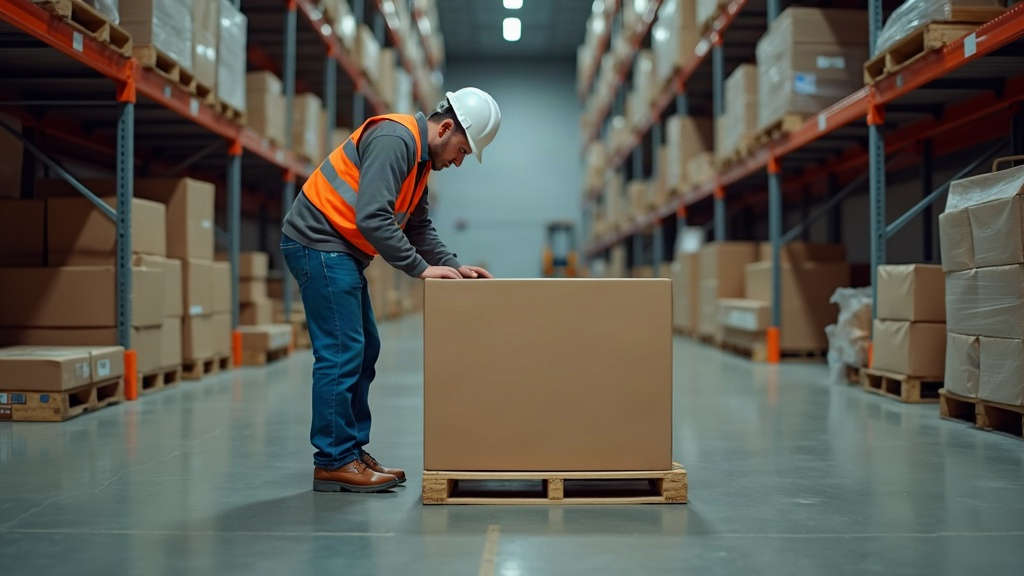
Your left leg goes numb halfway through the shift. The burning starts in your lower back and shoots straight down to your heel. You stretch it out, walk it off, and get back to the pallet. Then it comes back, worse than before. That's sciatica nerve pain, and in warehouse work, it doesn't just show up once.
This isn't a desk job tweak. Warehouse workers deal with a specific, brutal combination of heavy lifting, concrete floors, and repetitive motion that hammers the sciatic nerve harder than almost any other occupation. Here's what's actually going on, and what you can do about it today.
Key points at a glance
- Warehouse work compresses the sciatic nerve through repeated lifting, prolonged standing, and vibration from forklifts or conveyor belts.
- Burning, shooting leg pain that gets worse during shifts is the defining sign you're dealing with sciatica, not a pulled muscle.
- You can keep working through mild sciatica if you adjust your technique and gear, but pushing through severe pain causes lasting damage.
- The right footwear, a quality lumbar support belt, and micro-break stretches can cut symptoms significantly during the shift.
- If your sciatica came from a work injury or cumulative trauma, you may have a solid workers' comp claim worth filing.
- Ignored sciatica can take 3 to 6 months to heal on its own, and sometimes longer if a disc is involved.
What This Article Does For You
Why Warehouse Work Hits the Sciatic Nerve Harder Than Most Jobs
The sciatic nerve runs from your lower lumbar spine, through the buttock, and all the way down each leg. It's the longest nerve in the body, and it passes right through the area that takes the most punishment in warehouse work.
Repetitive lifting is the main culprit. Every time you bend forward with a load, you increase disc pressure in L4-L5 and L5-S1, the two vertebrae most likely to herniate and press on that nerve. Do that three hundred times a day and the cumulative load is enormous.
Prolonged standing on concrete, vibration from forklifts, and awkward twisting while moving loads all add to that compression. The spine never gets a full decompression cycle between lifts the way it would in a mixed-activity job.
Symptoms That Tell You It's Sciatica, Not Just a Sore Back
A sore back stays in your back. Sciatica travels. That's the key difference.
- Burning or electric shooting pain that runs from the lower back down one leg (rarely both)
- Numbness or tingling in the thigh, calf, or foot
- Weakness in the leg, especially when climbing stairs or standing from a squat
- Pain that gets worse when sitting during breaks and eases slightly when walking slowly
- Sharp pain with sneezing or coughing
If your pain checks two or more of those boxes, you're likely dealing with sciatic nerve pain from your warehouse job, not just a strained erector muscle.
Read also: Hyperlordosis & Hollow Back: Trades Prevention Guide
Did you know?
According to the Bureau of Labor Statistics, transportation and warehousing workers have one of the highest rates of musculoskeletal disorders of any U.S. industry sector. Lower back injuries account for the largest share of lost workdays in that category.
Can You Still Work With Sciatic Nerve Pain? The Honest Answer
It depends on the severity. Mild to moderate sciatica, the kind that flares and settles throughout the shift, can often be managed with technique changes, gear, and breaks. Millions of workers do it.
Severe sciatica is a different story. If you've lost significant strength in a leg, if the pain is constant and scores 8 or above, or if you're losing bladder control (a medical emergency called cauda equina syndrome), you stop. You do not push through that.
The middle ground is where most warehouse workers live: it hurts enough to slow you down but not enough to stop you. If that's you, the next sections are written for your situation.
What Actually Helps During the Shift (Without Quitting or Calling In)
Fix your lift mechanics first
Bend at the knees, not the waist. Keep the load close to your body. Never twist while holding weight: pivot with your feet instead. These aren't new tips, but most workers abandon them when they're rushing. One bad lift is often all it takes to go from manageable to floored.
Use micro-breaks strategically
You don't need ten minutes. You need 60 seconds. A standing piriformis stretch (cross one ankle over the opposite knee and sit back slightly) targets the exact muscle that often compresses the sciatic nerve. Do it twice per break.
Ice beats heat during a flare
Heat feels good but increases inflammation acutely. Ice packs or a cold gel wrap on the lower back during your lunch break reduces nerve irritation more effectively in the first 48 to 72 hours of a flare.

Gear and Footwear That Take Some of the Load Off Your Spine
The right gear won't cure sciatica, but it buys you meaningful relief across a ten-hour shift. Bad footwear on concrete is basically a slow spinal compression machine.
When choosing the best shoes for sciatica warehouse workers, you want three things: solid arch support, a cushioned midsole with memory foam or EVA, and a heel that's not completely flat (a slight heel drop of 8 to 12mm helps take pressure off the lower lumbar).
| Feature | Why It Matters for Sciatica | What to Look For |
|---|---|---|
| Arch Support | Flat arches shift the pelvis and increase lumbar curve | Structured insole, or add an OTC orthotic |
| Heel Drop (8-12mm) | Reduces pressure at L4-L5 junction | Avoid zero-drop on hard floors |
| Midsole Cushion | Absorbs concrete floor impact per step | EVA or gel-injected midsole |
| Toe Box Width | Narrow toe boxes alter gait and add hip strain | Wide toe box, especially if feet swell on shift |
| Safety Rating | Required in most facilities | ASTM F2413 steel or composite toe |
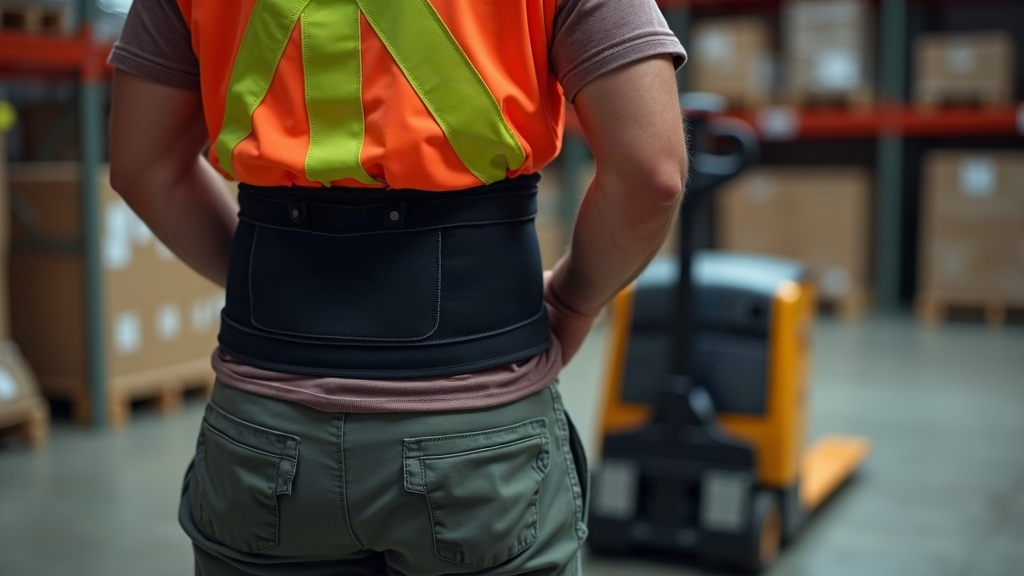
A quality lumbar support belt worn during heavy lifts (not all shift) reduces spinal load. Don't wear it constantly: it weakens your core over time if it does all the work.
Read also: Sciatica Nerve Pain in Warehouse Workers: Fix It or Fight It
How to Get the Sciatic Nerve to Stop Hurting: What Works, What Doesn't
What works
- Physical therapy targeting the piriformis and lumbar stabilizers: most effective long-term treatment for warehouse-related sciatica
- NSAIDs (ibuprofen, naproxen): reduce nerve inflammation when taken consistently for a short course, not just when the pain spikes
- McKenzie Method exercises: press-ups and extension movements that centralize sciatic pain back into the spine
- Epidural steroid injections: when the pain is severe and not responding to PT, an injection can provide a window of relief long enough to rehabilitate properly
What doesn't work
- Bed rest for more than two days: it delays recovery and weakens the supporting muscles
- Opioids as a primary treatment: they mask the pain but don't fix the nerve compression
- Ignoring it and hoping the next shift is easier
Did you know?
A 2021 study published in the journal Spine found that workers who received early physical therapy for acute sciatica returned to full duty 30% faster than those who started with imaging and specialist referrals alone. Getting PT fast matters more than waiting for an MRI.
When Sciatica Becomes a Workers' Comp Issue (And What That Settlement Looks Like)
If your sciatica came from a specific incident at work (a bad lift, a fall, a collision with equipment) or from cumulative trauma over months of repetitive lifting, you likely have a legitimate workers' comp claim. Don't walk away from that.
A sciatica workers' comp settlement in a warehouse context typically covers medical bills, a portion of lost wages during recovery, and sometimes a permanent partial disability rating if the injury left lasting impairment. Settlement amounts vary widely by state and severity.
- Minor cases with full recovery: $10,000 to $40,000 range
- Disc herniation with surgery: $60,000 to $150,000 or more
- Permanent nerve damage: settlements can exceed $200,000 depending on the state and attorney
Report the injury in writing the same day it happens. Get your own doctor involved, not just the employer's occupational clinic. And talk to a workers' comp attorney before you sign anything: most work on contingency and cost you nothing upfront.

How Long You'll Be Off Work With Sciatica If You Don't Deal With It Now
Mild sciatica that gets addressed early, with PT, modified duty, and proper mechanics, usually resolves in 4 to 8 weeks. Most people can continue light-duty work through it.
Untreated sciatica is a different timeline entirely. If you keep hammering the inflamed nerve with the same lifting patterns and no treatment, you're looking at 3 to 6 months of recovery when it finally forces you to stop. If a disc herniates fully and requires surgery, recovery time for a lumbar discectomy is 6 weeks to 3 months before you can return to heavy physical work.
The math is simple: two weeks of modified duty now beats three months of disability later.
Your Next Three Moves, Starting Today
You don't need a complete overhaul. You need three concrete actions this week.
- See a doctor and get it documented. Even if you're planning to push through, you need a medical record that ties your sciatica to your job duties. Without it, a future workers' comp claim is harder to make.
- Swap your footwear. If you're wearing flat work boots with no arch support on concrete twelve hours a day, you're compressing your spine with every single step. This is a fast fix with measurable results.
- Start the piriformis stretch today. Thirty seconds each side, twice per break. It directly decompresses the nerve route through the hip. It doesn't look impressive but it works.
