


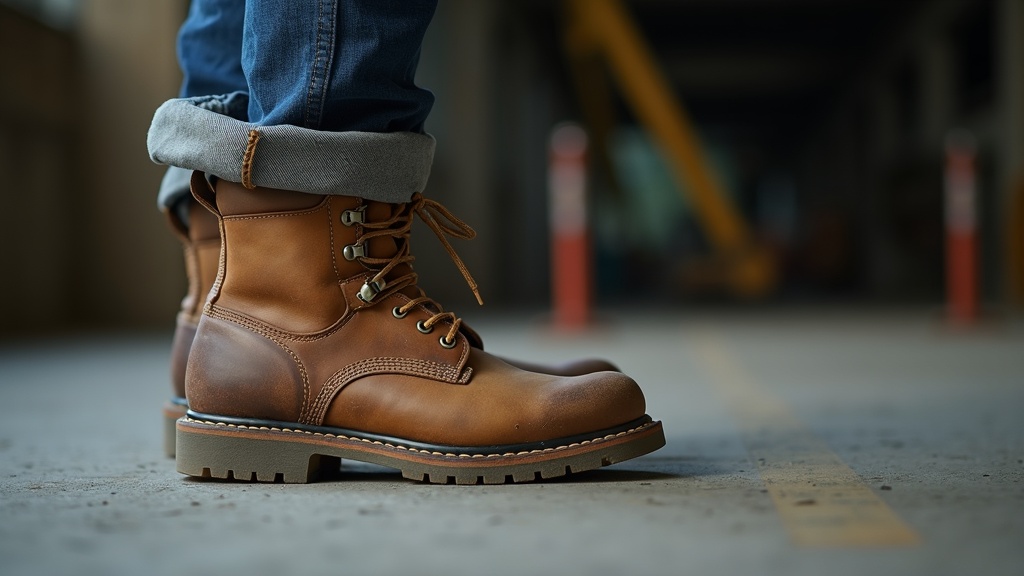
Your steel toe boots cost you real money. You broke them in, you trust them. But if you're pulling on a pair of thin cotton dress socks every morning before a ten-hour shift, you're leaving most of that investment on the table.
The steel cap at the toe does its job. The sock is supposed to do its job too. When it doesn't, your feet pay for it by the end of the day.
Key points at a glance
- Regular cotton socks trap moisture and cause blisters at the steel edge within hours
- Steel toe boots create a hard seam at the toe box that needs a reinforced, cushioned barrier
- Moisture-wicking materials like merino wool and synthetic blends outperform cotton in every measurable way
- Sock thickness directly affects boot fit: going thicker often means sizing up half a size
- Women wearing steel toe boots all day face specific fit issues that the right sock helps correct
- A good pair of work boot socks is safety gear, not a comfort accessory
What the Right Sock Actually Does
What Regular Socks Actually Do to Your Feet in Steel Toes
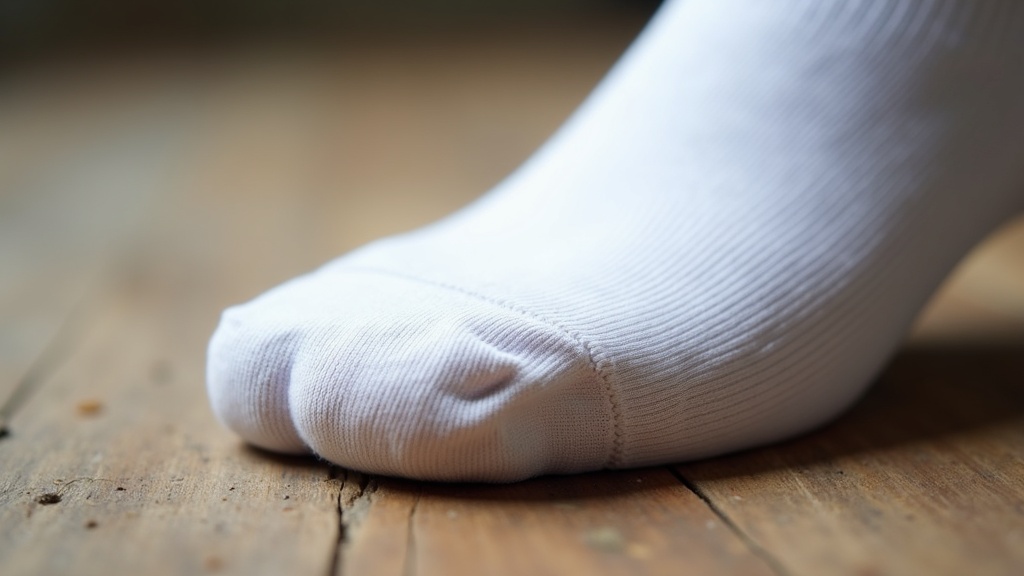
A standard department-store cotton sock gives you maybe two hours before problems start. Cotton soaks up sweat and holds it against your skin. Inside a steel toe boot, that means warm, wet fabric pressed against your foot with no escape route.
The result: blisters at the toe knuckles where skin rubs the metal edge, hot spots on the heel, and by hour six, that particular kind of aching that makes you dread the walk back to your truck.
The Real Reason Steel Toe Boots Need a Different Sock
The steel cap doesn't flex. It has a hard interior rim that sits right where your toes curl when you walk. Every step, that rim applies pressure. Without enough padding between skin and metal, you get friction. Friction becomes a hot spot. Hot spot becomes a blister.
Reinforced toe socks for boots exist specifically because of that rim. They add a second layer of cushioning exactly where the steel cap ends, distributing pressure instead of concentrating it.
Did you know?
Steel toe caps can drop to near-ambient temperature in cold environments. On a winter jobsite at 20°F, the metal at the toe of your boot can be significantly colder than the boot's insulation. A thick merino sock adds a thermal buffer that the steel cap itself cannot provide.
Can You Wear Regular Socks With Steel-Toe Boots? (Short Answer: Technically Yes, Practically No)
Nobody's going to stop you. But you'll feel the difference by noon and regret it by three. Regular socks lack the structure, the cushioning at the toe box, and the moisture management that a full day in steel toes demands.
If you're wearing them for a two-hour errand, fine. If you're on a job site for eight to twelve hours on concrete or uneven ground, you need the right sock. It's that simple.
What to Look for in a Work Boot Sock: The Four Things That Matter
- Cushioning at the toe and heel. Not all-over padding, which makes the sock too thick everywhere. Targeted cushioning where impact actually happens.
- Moisture-wicking construction. Moisture-wicking socks for steel toe boots keep sweat moving away from your skin. Look for this specifically on the label, not just "breathable."
- Reinforced heel and toe panels. These wear out fastest in a work boot. A sock with reinforced zones lasts two to three times longer than a standard athletic sock.
- Over-the-calf or crew height. Boot shaft friction on a low-cut sock leads to skin irritation at the ankle. Crew height minimum, over-the-calf for tall boots.
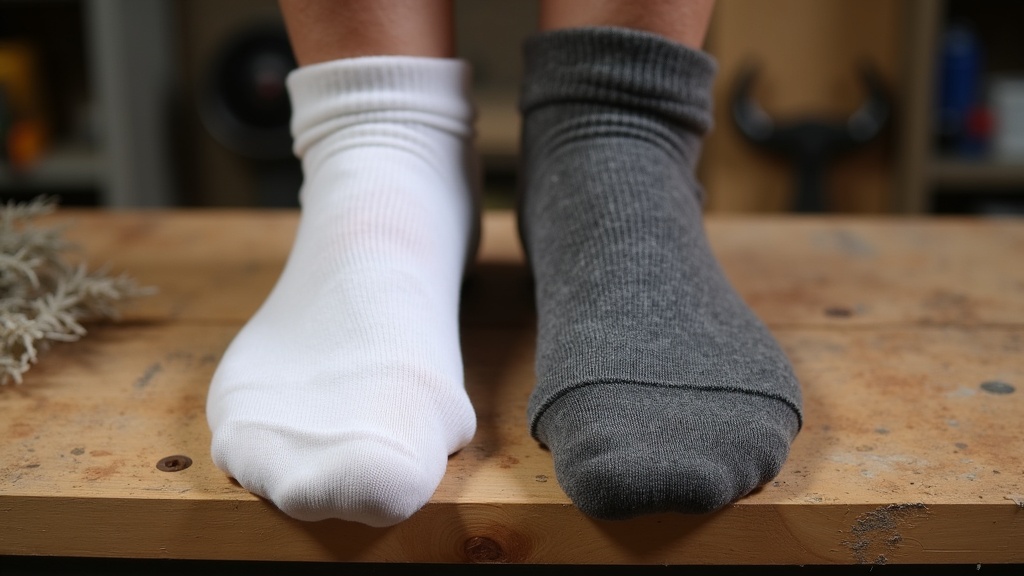
Best Sock Materials for Steel Toe Boots (Wool, Synthetic, Cotton Ranked)
Not all materials perform the same. Here's an honest breakdown based on what holds up on a real shift.
| Material | Moisture Control | Durability | Best For |
|---|---|---|---|
| Merino Wool | Excellent, naturally wicks and resists odor | Good with nylon blend | Year-round, cold to moderate heat |
| Synthetic Blend (Polyester/Nylon) | Very good, dries fastest | Excellent | Hot climates, high-sweat jobs |
| Wool/Synthetic Blend | Excellent, best of both | Very good | All-day shifts in variable conditions |
| Cotton | Poor, retains moisture | Low | Not recommended for full shifts |
| Cotton/Polyester Blend | Fair, marginal improvement | Moderate | Short shifts, dry environments only |
Merino wins for most people because it handles cold and warmth, manages sweat without that synthetic clamminess, and naturally resists odor. The downside is price, usually $18 to $30 a pair. Synthetic blends are a solid budget option if you're rotating through multiple pairs a week.
Special Considerations for Women Wearing Steel Toe Boots All Day
Most work boot socks are engineered around a men's last. That means a wider toe box and more room through the arch than a women's foot typically needs. The result: bunching at the toe, which creates exactly the kind of friction the sock was supposed to prevent.
Steel toe socks for women are cut to match a narrower heel and higher arch. Brands like Darn Tough, Farm to Feet, and Smartwool make gender-specific work boot socks. This isn't a marketing distinction. It's a fit distinction. A sock that bunches is a sock that blisters.
Did you know?
The average person's feet produce about half a pint of sweat per day. In an enclosed work boot with no ventilation, that moisture has nowhere to go except into the sock. A moisture-wicking sock moves that sweat away from skin roughly four times faster than plain cotton.
How Sock Thickness Affects Boot Fit and Why You Might Need to Size Up
A thick work boot sock adds real volume inside your boot. If your boots already fit snug, switching to a cushioned work boot sock will make them feel one size smaller. That's not comfortable, and it cuts off circulation over a long shift.
The fix is simple: if you're buying new boots, bring the socks you plan to wear and size the boot with them on. If you already own the boots and want to switch to thicker socks, you may need to go up half a size or try a medium-weight sock instead of heavy.
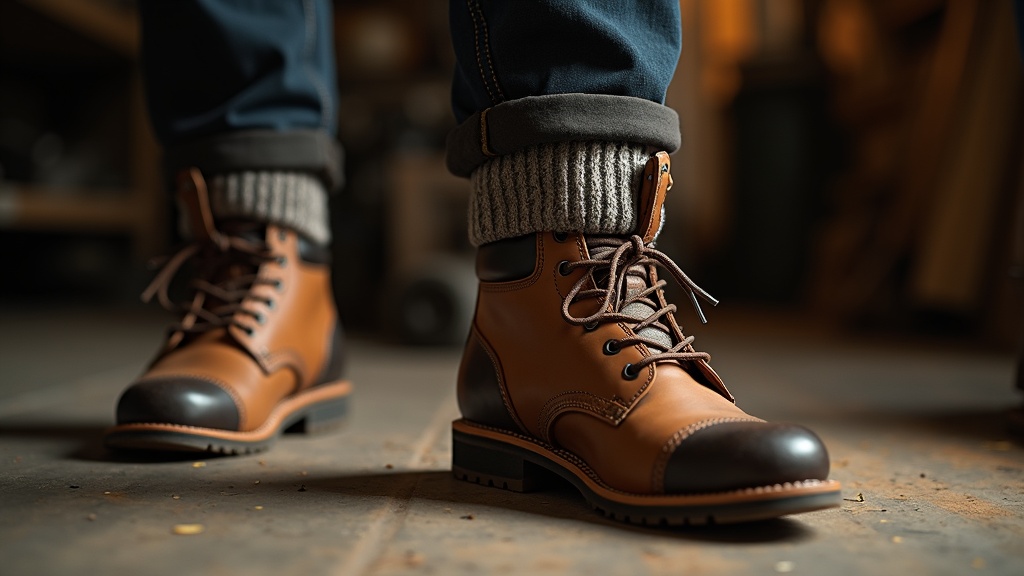
Top Picks Worth Your Money: From Dickies to Merino Wool Options
You don't have to spend $30 a pair to get a sock that works. But you do have to spend more than $3. Here's what holds up.
- Darn Tough Hiker Micro Crew: Merino wool, lifetime guarantee, the benchmark for all-day comfort. Around $24 to $28. Worth every cent if you rotate three pairs.
- Smartwool Work Heavy Crew: Heavier merino option, built for colder months. Extra cushioning at the heel and ball. Around $22 to $26.
- Carhartt Force Over-the-Calf Boot Sock: Synthetic blend, fast-drying, reinforced toe and heel. A solid mid-range option around $12 to $16 for a two-pack.
- Dickies Dri-Tech Moisture Control Crew: Budget pick that actually delivers on moisture management. Around $10 to $14 for a three-pack. Not as durable as merino, but fine for rotation.
- Farm to Feet Damascus Work Boot Sock (Women's specific): Merino wool, fitted to a women's last, reinforced high-wear zones. Around $20 to $24.
Your Socks Are Part of Your Safety Gear: Make the Switch Practical
Start with three pairs in the material you choose. That gives you a rotation without doing laundry every night. Wash them in cold water, air dry when you can. Heat breaks down the elastic and shrinks wool faster than anything.
If you're on your feet ten hours a day five days a week, replace your work boot socks every four to six months. Even good merino wears thin at the heel over time. A worn-out sock in a steel toe boot is just a thin cotton sock at that point.
The math is easy: two good pairs of work socks cost less than one box of blister bandages and a tube of foot cream. Invest in the sock first.
