


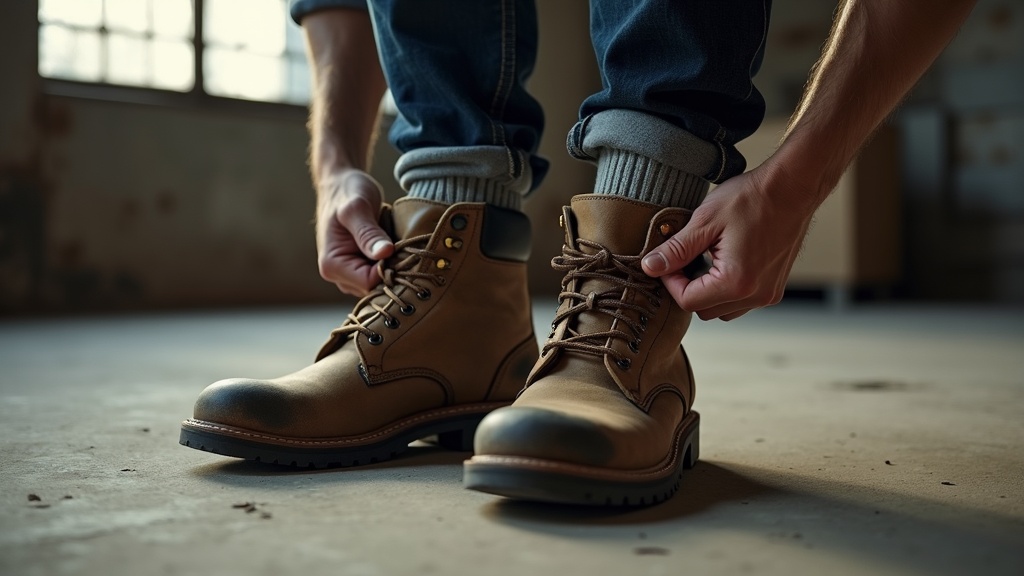
Eight, ten, twelve hours on concrete. No give, no flex, just hard slab eating at your arches, your heels, your knees. Most guys grab whatever six-pack is on the shelf at the hardware store and call it a day. Then they wonder why their feet are wrecked by Wednesday.
The right sock changes that equation. Not in a dramatic way, not overnight, but consistently, shift after shift. This is what you actually need to know before you buy.
Key points at a glance
- Concrete transmits cold and impact directly into your feet, no natural cushioning whatsoever.
- Wool, especially merino, outperforms cotton and most synthetics for all-day comfort and moisture control.
- Cushion placement matters: look for reinforced heel and ball, not just a thick leg.
- Merino has real drawbacks, including cost and abrasion sensitivity. Wool blends often last longer.
- Women's sizing and fit in work socks is a real category now, not just shrunken men's versions.
- How you wash and dry your socks is half the battle for making them last.
What a great work sock actually does for you
Why Concrete Floors Are So Hard on Your Feet (And What That Costs You)
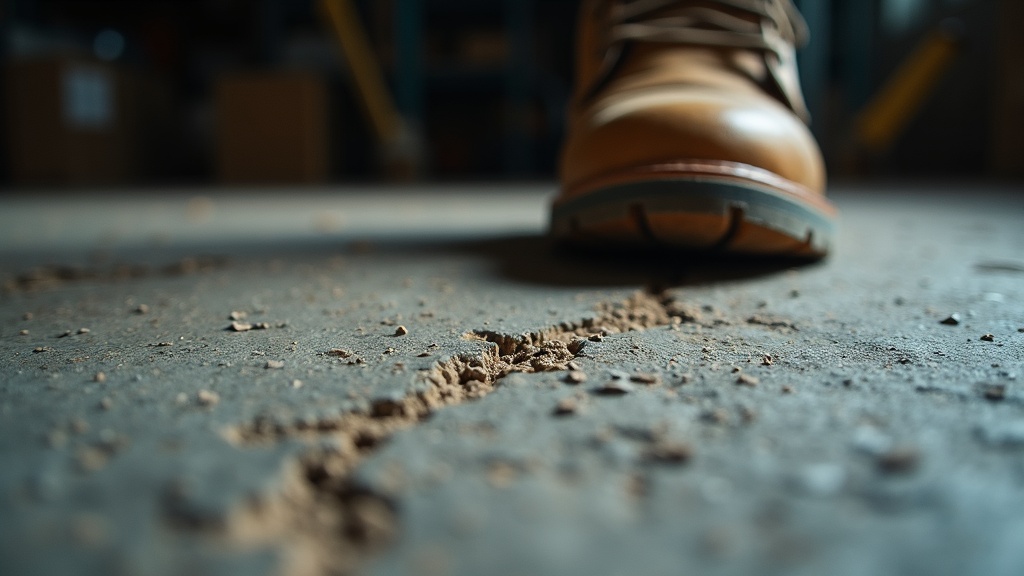
Concrete has zero energy return. When your heel strikes dirt, asphalt, or a wood subfloor, there's some give in there. Concrete gives you nothing back. Every step sends a small shockwave up through your heel, arch, and ankle.
Do that 10,000 times a day, five days a week, and you get plantar fasciitis, heel spurs, knee pain, and lower back problems that stack up over years. The medical costs and lost workdays add up fast.
Cold also travels right through slab. Concrete floors sit at or near ground temperature, and that cold transfers through the sole of your boot into the bottom of your foot. A thin sock does almost nothing to stop it.
What Makes a Sock Actually Built for Concrete: Cushion, Fiber, and Fit
Three things separate a real work sock from a dressed-up dress sock: cushion placement, fiber performance, and structural fit.
Cushion placement
You want dense terry loop cushioning under the heel and the ball of the foot. Those two spots take almost all the impact. A sock that's thick everywhere but thin there is a waste of material.
Fiber performance
The yarn has to handle moisture, friction, and temperature swings. Not every fiber does all three well. This is where wool earns its place.
Structural fit
A sock that moves around inside your boot creates hot spots and blisters. Look for arch compression, a snug heel cup, and a ribbed leg that grips without cutting off circulation.
Wool vs. Synthetic vs. Cotton: Which Material Holds Up on the Job
Cotton is comfortable for about three hours. After that it holds moisture against your skin, loses loft, and turns into a wet rag. For casual wear, fine. For concrete floors, cotton fails.
Synthetics like nylon and polyester dry fast and hold up to abrasion well. They work. But most don't regulate temperature the way wool does, and they tend to generate odor faster over long shifts.
| Material | Moisture Control | Temperature Regulation | Durability on Concrete |
|---|---|---|---|
| 100% Cotton | Poor, holds sweat | Poor | Low, wears thin fast |
| Merino Wool | Excellent, wicks and breathes | Excellent, warm and cool | Moderate, can pill or thin |
| Wool/Nylon Blend | Very good | Very good | High, nylon adds abrasion resistance |
| 100% Synthetic | Good, dries fast | Fair | High |
| Wool/Cotton Blend | Moderate | Good | Moderate |
For thick wool work socks for concrete floors, a wool-nylon blend hits the sweet spot: the wool handles temperature and moisture, the nylon fights abrasion from boot seams and rough slab.
Are Wool Socks Good for Construction Workers? The Honest Answer
Yes, with conditions. Wool, particularly merino, does three things most fibers can't: it regulates temperature across a wide range, it wicks moisture without feeling wet, and it resists odor naturally. For a construction worker or warehouse worker going eight-plus hours, those traits matter more than almost anything else.
Did you know?
Merino wool fibers can absorb up to 30% of their own weight in moisture vapor before they feel damp against your skin. Cotton reaches that threshold much faster and stays wet. That difference is significant over a ten-hour shift in insulated boots.
The answer changes if you're working in conditions with a lot of water or chemical splash. In those cases, a tighter synthetic weave is more practical. But for dry indoor concrete, a cold-climate jobsite, or any situation where your feet sweat hard inside a boot, wool wins.
Read also: Men Shirts Work Wear: What Actually Holds Up on the Job
What to Watch Out For: The Real Disadvantages of Merino Wool Socks
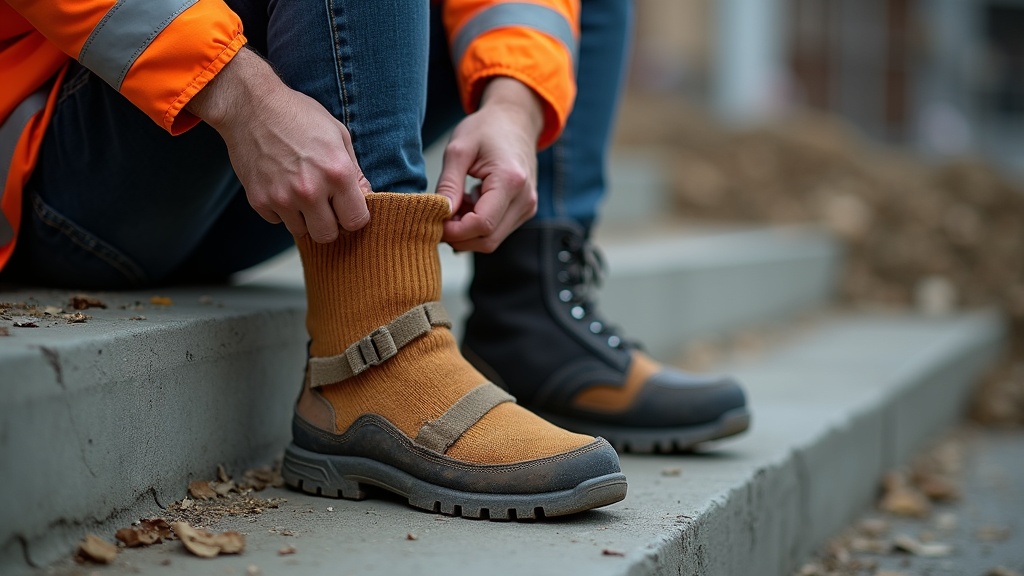
Merino is softer and finer than traditional wool, which is exactly why it wears through faster under hard use. Heel and toe zones on a pure merino sock can develop thin spots within a few months on concrete, especially if your boots have rough internal seams.
- Cost: Quality merino work socks run $20 to $30 a pair. Budget accordingly.
- Washing sensitivity: Hot water and a dryer on high will shrink and felt merino fast. Hand wash or cold machine wash, air dry.
- Abrasion: Fine fiber wears faster at friction points. A reinforced heel and toe is non-negotiable for heavy duty work socks for men and women alike.
- Not waterproof: Wool manages moisture, it doesn't block it. If you're standing in water, you need rubber boots, not better socks.
Did you know?
Adding just 15 to 20% nylon to a merino blend can more than double the sock's resistance to abrasion at the heel and toe, without meaningfully changing how the fiber feels or manages moisture.
The Best Thick Wool Work Socks for Concrete Floors Right Now (Men and Women)
These aren't affiliate picks pulled from a spreadsheet. They're what shows up consistently when you ask electricians, warehouse workers, and concrete finishers what's actually in their boot right now.
Top picks for men
- Darn Tough Hiker Boot Full Cushion: 61% merino, 38% nylon, 1% Lycra. Built in Vermont, lifetime guarantee. Heavy cushion, holds structure wash after wash. One of the best heavy duty work socks on the market, period.
- Smartwool PhD Work Heavy Crew: Purpose-built for the jobsite with targeted cushioning and a reinforced shin guard strip. Runs warm, good for cold concrete in winter.
- Carhartt Force Merino Work Boot Sock: More accessible price point, merino blend, FastDry technology. Not as refined as Darn Tough but takes serious punishment and lasts.
Top picks for women
- Darn Tough Women's Hiker Micro Crew: Same Vermont-made quality in women's sizing. Narrower heel cup, proportional arch compression. Women thick wool work socks for concrete floors don't have to be men's mediums stuffed into a boot.
- Smartwool Women's PhD Outdoor Heavy Crew: Full cushion underfoot, merino blend, proper women's fit. Works great in composite-toe boots where fit precision matters more.
How to Make Your Work Socks Last Longer (Simple Habits That Pay Off)
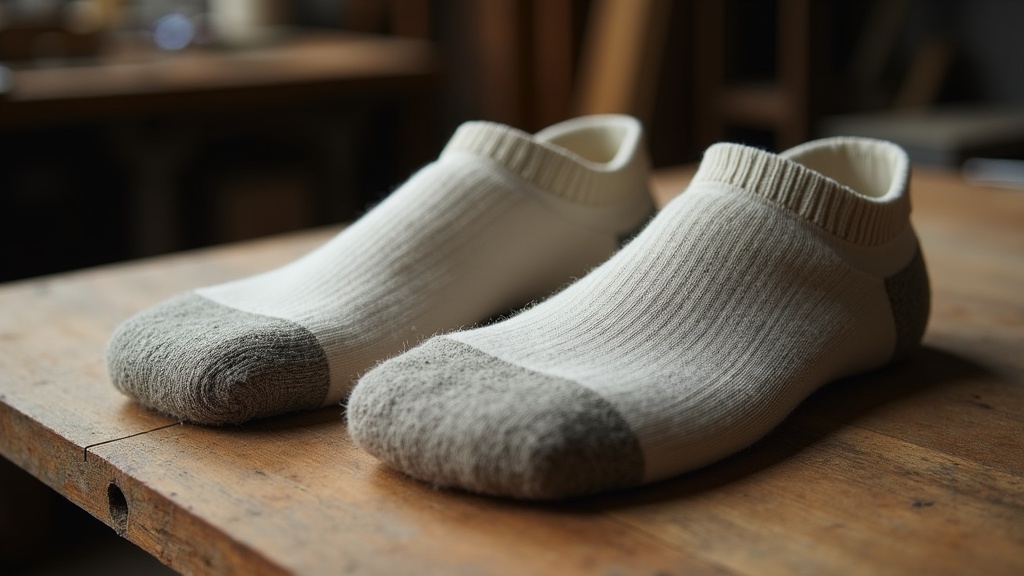
A $25 pair that lasts two years beats a $6 pair that blows out in six weeks. These habits close that gap.
- Rotate pairs daily. Wool needs 24 hours to decompress and air out fully. Wearing the same pair back to back degrades the fiber faster.
- Wash cold, air dry. Machine wash on cold, gentle cycle. Skip the dryer entirely or use the lowest heat setting. Heat is the enemy of wool structure.
- Turn them inside out to wash. Most abrasion during the cycle happens on the outer surface. Inside-out reduces pilling on the exterior.
- Check your boot liners. A rough or torn boot liner chews through heel fabric fast. A $10 replacement liner can double the life of a $25 sock.
- Don't wring them. Press moisture out gently. Wringing stretches the fiber structure and breaks down elastic threads at the cuff.
What Other Trades Workers Are Actually Wearing: Real Picks from the Field
Concrete finishers tend to go heavy: full cushion, over-the-calf height for boot support, wool-nylon blend. Cold slab and knee pads mean they need maximum underfoot protection.
Warehouse workers logging 15,000 steps on concrete often prefer a mid-cushion merino sock with strong arch compression. They want cushion without bulk, since they're moving fast and don't want heat to build up.
Electricians on new construction favor thick boot socks for construction workers in the Darn Tough or Smartwool range. They're climbing ladders and crawling in tight spaces, so fit stability matters as much as cushion.
Work socks for sweaty feet specifically: merino handles this better than anything synthetic. The fiber structure pulls moisture away from the skin and keeps it from pooling at the toe box, where blisters start.
Quick buying checklist before you order
- At least 50% wool content (merino preferred)
- 15% or more nylon for abrasion resistance
- Reinforced heel and toe zones
- Arch compression band (not just elastic at the cuff)
- Correct height for your boot: crew for low boots, boot height or over-the-calf for 8-inch or taller
- Your actual shoe size, not a "one size fits most" range
If a sock checks those boxes, it has a real shot at surviving a full season on concrete. If it doesn't, you'll know by month two when the heel cushion flattens out and you're back to feeling every seam in the slab.
