


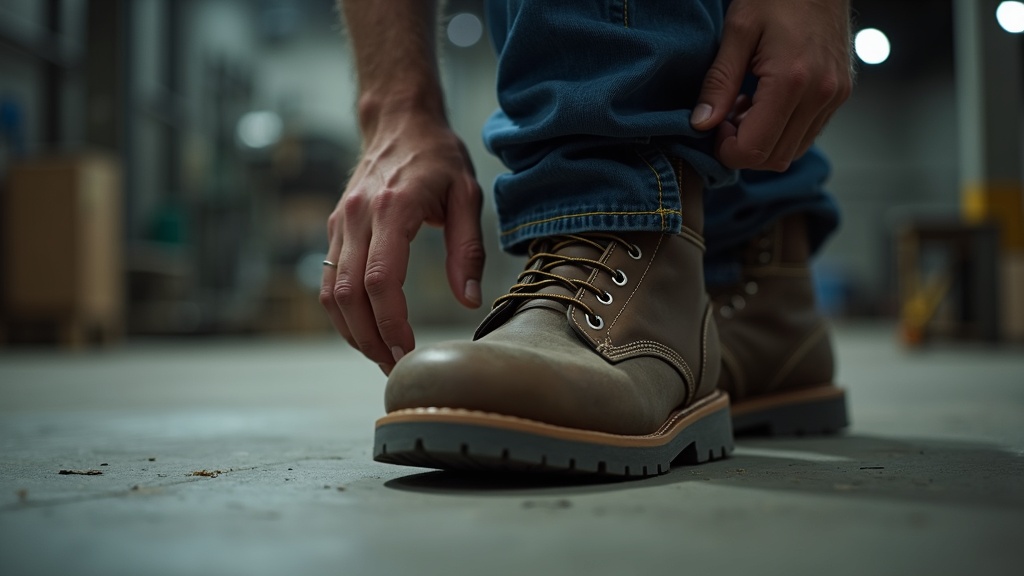
Your feet are going numb by hour four, and you still have half a shift left. That pins-and-needles feeling isn't just annoying. It's your body sending a clear signal that something is being compressed, cut off, or ignored.
The good news: most cases of tingling feet and numbness in boots at work are fixable without a doctor's visit, a new pair of boots, or any fancy gadget. You just need to know what's actually causing it.
Key points at a glance
- Numbness usually comes from nerve compression, not poor circulation.
- Boot fit and lacing pattern are the two fastest things to fix right now.
- Stock insoles are flat, thin, and built to save the manufacturer money, not protect your feet.
- Thick seam socks and the wrong sock thickness inside a tight boot make everything worse.
- Morton's neuroma and peripheral neuropathy look similar but need different treatment.
- A few targeted fixes before your next shift can make a real difference, tonight.
What You Get From This Guide
Why Your Feet Go Numb and Tingly in Work Boots (The Real Reasons)
Tingling and numbness are almost always nerve signals, not blood-flow problems. When a nerve gets pinched or compressed, it stops transmitting cleanly, and you get that buzzing, dead, or burning sensation in your toes and the ball of your foot.
The most common culprit inside a work boot: the peroneal nerve or the plantar digital nerves getting squeezed, either by a boot that's too tight across the top, a toe box that's crushing the forefoot, or a lacing pattern that cuts into the instep like a tourniquet.
Swelling makes it worse. Feet swell up to half a size during a long shift, especially on concrete. A boot that fits fine at 7 a.m. can feel like a vice by noon.
Boot Fit Is the First Thing to Check
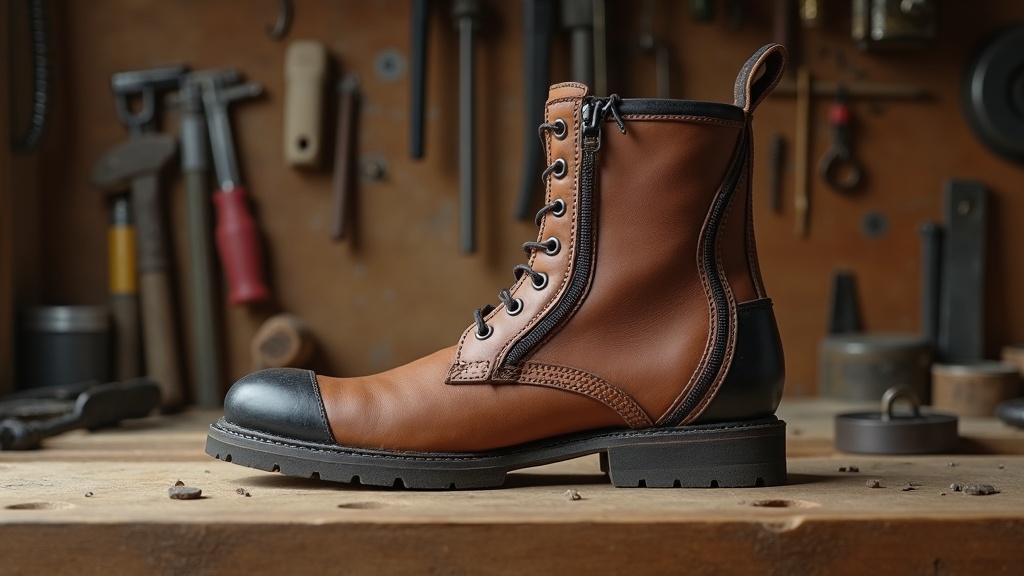
Most workers wear boots that are too short or too narrow. They buy the same size they've worn in sneakers their whole life, and that's a mistake. Work boot sizing runs differently by brand, and the safety toe eats into usable space.
What proper fit looks like
- About a thumb's width of space between your longest toe and the end of the boot.
- The widest part of your foot lines up with the widest part of the boot, no overlap.
- Your heel should not lift more than a quarter inch when you walk.
- If the boot feels perfect right out of the box, it's probably too tight. Leather needs a break-in period.
If you're getting numb toes in work boots, go up half a size or try a wide-width version before anything else. It costs nothing to try.
Did you know?
The human foot can swell by as much as 8% in volume over the course of an eight-hour shift spent standing on hard surfaces. That's the equivalent of going up a full half-size, which is exactly why afternoon boot shopping is recommended by podiatrists for a more accurate fit.
Your Lacing Pattern Is Probably Making It Worse
Standard criss-cross lacing puts direct pressure on the top of the foot, right where the peroneal nerve runs. If you're lacing tight across the instep, you're compressing that nerve every single shift.
Two lacing fixes that actually work
- Window lacing (gap lacing): Skip one eyelet at the pressure point. Run the laces straight across that row instead of crossing, creating a gap that relieves nerve pressure without loosening the whole boot.
- Straight bar lacing: Threads horizontally through the eyelets, reducing upward pressure on the top of the foot significantly compared to criss-cross.
Try window lacing first. It takes two minutes and costs nothing. A lot of guys fix their feet tingling after a long shift with this one change alone.
Insoles, Arch Support, and Why the Stock Footbed Is Garbage
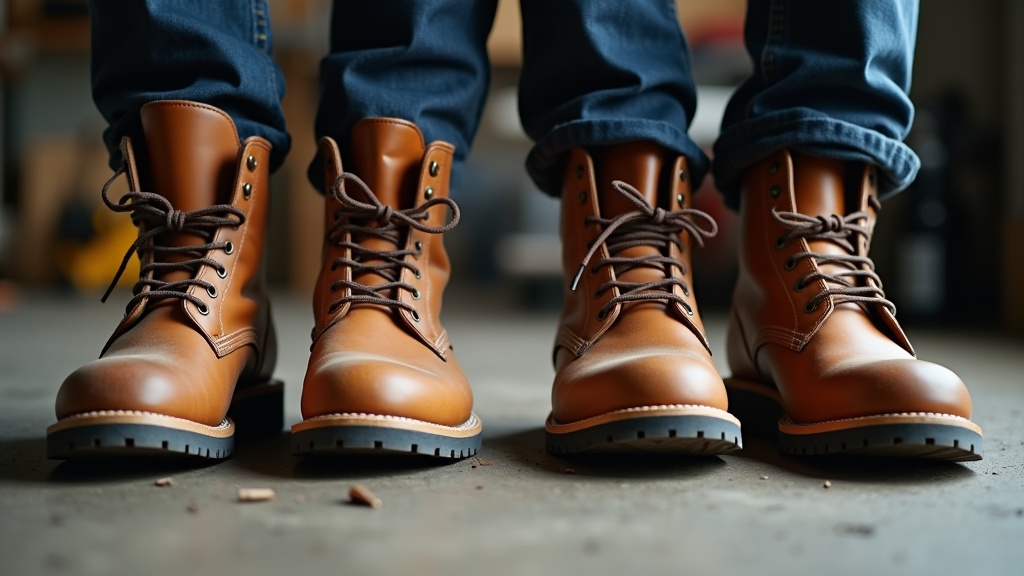
The insole that comes with your work boots is a thin foam board. It's there to fill space, not to support anything. After a week of hard use, it's essentially flat cardboard.
When your arch collapses under load, it pinches the plantar nerves that run toward your toes. That's where the burning and tingling at the ball of your foot comes from. A quality aftermarket insole fixes arch collapse, redistributes pressure, and reduces nerve compression.
What to look for in an insole for numb feet
- Firm arch support (not soft foam, which bottoms out fast).
- A deep heel cup to lock your foot in place and prevent forward slide.
- Metatarsal pad or dome behind the ball of the foot to lift the forefoot and open space between the metatarsal bones.
- Low-profile thickness so the insole doesn't make your boot too tight.
| Insole Type | Best For | Numbness Relief | Durability |
|---|---|---|---|
| Stock foam footbed | Nothing, really | Poor | Weeks |
| Soft gel insole | Short shifts, light work | Moderate | 3 to 6 months |
| Rigid arch support insole | All-day concrete standing | High | 12+ months |
| Insole with metatarsal pad | Ball-of-foot tingling, Morton's | Very high | 6 to 12 months |
| Custom orthotics | Diagnosed structural issues | Very high | 2 to 5 years |
When It Might Be Something More Serious (Morton's Neuroma, Neuropathy, and Beyond)
Morton's neuroma is a thickening of the tissue around a nerve between the third and fourth toes. It feels like a burning, sharp pain at the ball of the foot, sometimes with electric shooting sensations into the toes. Narrow boots make it significantly worse. If you've been dealing with this for months, a wider boot and a metatarsal pad insole are your first line of defense before considering anything else.
Peripheral neuropathy is different. It's nerve damage, usually from diabetes, and it shows up as persistent numbness, tingling, or burning that doesn't go away after you take the boots off. If your feet are still numb at dinner, that's not a boot problem.
Red flags that point past boot fit
- Numbness that stays for hours after removing your boots.
- Tingling that's spreading up the ankles or calves.
- One foot is consistently worse than the other with no obvious reason.
- You've lost some sense of heat or cold in your feet.
Did you know?
Morton's neuroma affects women significantly more often than men in the general population, largely due to narrow footwear. But in occupational settings with steel-toe or composite-toe boots, the rate evens out fast. A boot with a toe box less than 3.5 inches wide puts almost everyone at risk over time.
The Right Socks Actually Matter More Than You Think
Cotton socks are the wrong choice for a long shift. Cotton holds moisture, and wet feet swell more and slide around more, creating friction points and additional pressure on the nerves. Moisture-wicking wool or synthetic blend socks are the correct call.
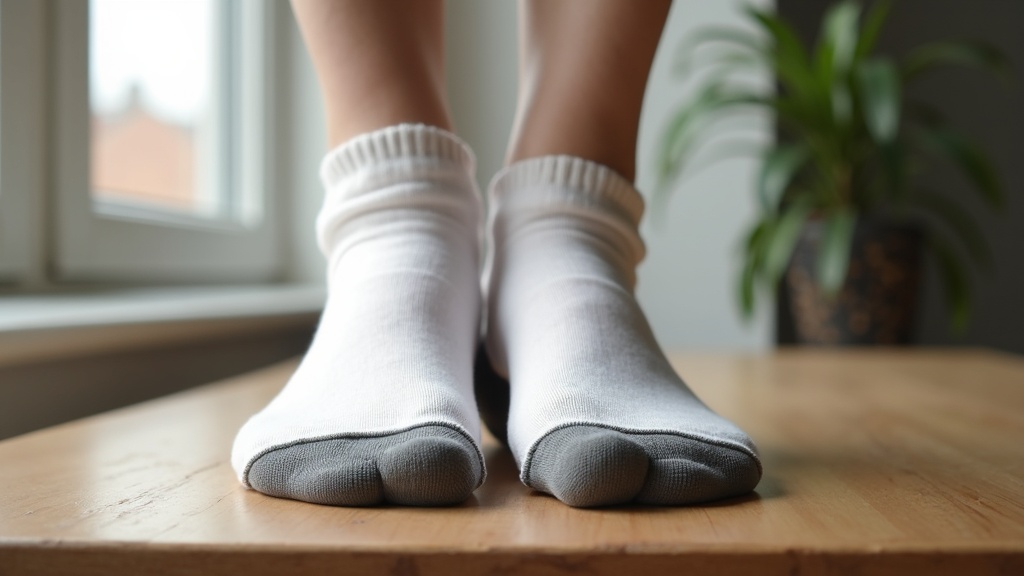
Thickness matters too. If your boots already fit snugly, adding a thick padded sock is going to compress your foot further. You want a medium-weight sock with targeted cushioning at the heel and ball, not a thick uniform pad from toe to ankle.
Watch out for these sock problems
- Seams across the toes pressing into the skin all shift long.
- Socks that bunch or slide down, creating pressure ridges under the foot.
- Elastic bands near the ankle that are too tight and restrict circulation.
Quick Fixes You Can Do Before Your Next Shift
You don't have to wait for a podiatrist appointment or a new pair of boots to start feeling better. These are practical, low-cost moves you can make today.
- Relace with window lacing at the instep eyelet where you feel the most pressure.
- Loosen the top two eyelets slightly. Most workers over-tighten at the ankle.
- Pull the stock insole and replace it with an aftermarket rigid arch support. Under $40 for a solid one.
- Switch to a merino wool or synthetic blend sock in medium weight.
- Ice your feet for 15 minutes after your shift to reduce swelling and nerve irritation.
- Do towel toe curls for two minutes before putting your boots on. Activating the foot muscles reduces collapse under load.
- Check the boot for debris or folded lining inside. A small stone or a folded seam creates a pressure point that mimics nerve compression.
When to See a Doctor and Stop Guessing
If you've addressed the fit, lacing, insoles, and socks, and you're still dealing with work boot foot pain relief that just won't come, it's time to get a professional opinion. That's not weakness, that's being smart about not destroying your feet permanently.
A podiatrist can confirm whether you have Morton's neuroma, diagnose peripheral neuropathy, and prescribe custom orthotics if needed. If you're diabetic and you've been ignoring foot numbness, make the appointment this week, not next month.
Who specifically needs to go sooner
- Anyone with diabetes who's experiencing foot numbness.
- Workers who've had numbness persist for more than six weeks despite fixing the obvious stuff.
- Anyone feeling numbness that extends above the ankle.
- Anyone with a visible lump or tender knot at the ball of the foot.
Your feet carry you through every shift. Treat the problem before it becomes permanent damage, because a bad nerve injury doesn't just cost you comfort. It can cost you the job.
