


```html

Most people grab their compression socks from the bag after they board the plane. That's too late. By then, your circulation has already started fighting the sedentary position, the low cabin pressure, and the recycled air.
Here's the straight answer: put them on before you leave the house. Everything after that is detail, and the details matter depending on your flight length, your age, and your health situation.
Key points at a glance
- Put compression socks on before you leave home, not at the gate or on the plane.
- For flights under 2 hours, healthy adults generally don't need them.
- Wear them for the full duration of the flight plus up to 2 hours after landing.
- Seniors, pregnant travelers, and people with circulation issues should always wear them on any flight over 90 minutes.
- 15, 20 mmHg is the right compression level for most travelers; 20, 30 mmHg for higher-risk individuals.
- Some medical conditions make compression socks dangerous. Know if you're in that group before you buy.
What Compression Socks Do for You at 35,000 Feet
Put Them On Before You Leave the House (Here's Why)
Your legs start sitting the moment you get in the car to the airport. Add the terminal walk, the gate wait, the boarding shuffle, and you've already been relatively sedentary for an hour or two before wheels-up.
Compression socks work as a preventive tool, not a fix. Once swelling starts, the sock is fighting uphill. Slide them on first thing in the morning, before your feet hit the floor for the day if possible, and certainly before you walk out the door.

How Long to Wear Compression Socks on a Flight
Simple answer: the entire flight, from takeoff to landing. Don't pull them off mid-flight because your feet feel fine. That's the socks working.
For flights over 8 hours, get up every 60 to 90 minutes, walk the aisle, do some ankle circles in your seat. The socks help, but movement is still your best weapon against pooling blood.
Did you know?
Cabin pressure in a commercial aircraft is typically equivalent to an altitude of 6,000 to 8,000 feet above sea level. At that pressure, blood oxygen drops slightly and the body's circulation becomes less efficient, which is exactly why your legs swell even on a calm, smooth flight.
When to Take Them Off After You Land
Don't yank them off at the gate. Your circulation is still adjusting, and fluid that built up during the flight needs time to reabsorb properly.
A good rule: keep them on for 1 to 2 hours after landing. If you've got a long walk through customs, a baggage carousel wait, or a drive from the airport, that's actually perfect. Take them off when you've arrived at your final destination and can put your feet up.
Do You Actually Need Compression Socks for Short Flights (2 to 4 Hours)?
For a healthy 35-year-old with no circulation issues, a 2-hour flight is low-risk. You'll probably be fine without them.
That said, here's who should wear them even on a 4-hour flight:
- Anyone who already deals with varicose veins or chronic leg swelling
- People who had recent surgery, especially on the legs or abdomen
- Pregnant travelers at any trimester
- Anyone who's been flying a lot recently with back-to-back trips
- People with a personal or family history of blood clots
The 4-hour mark is generally where risk starts climbing for the average person. Below that, you have more flexibility.
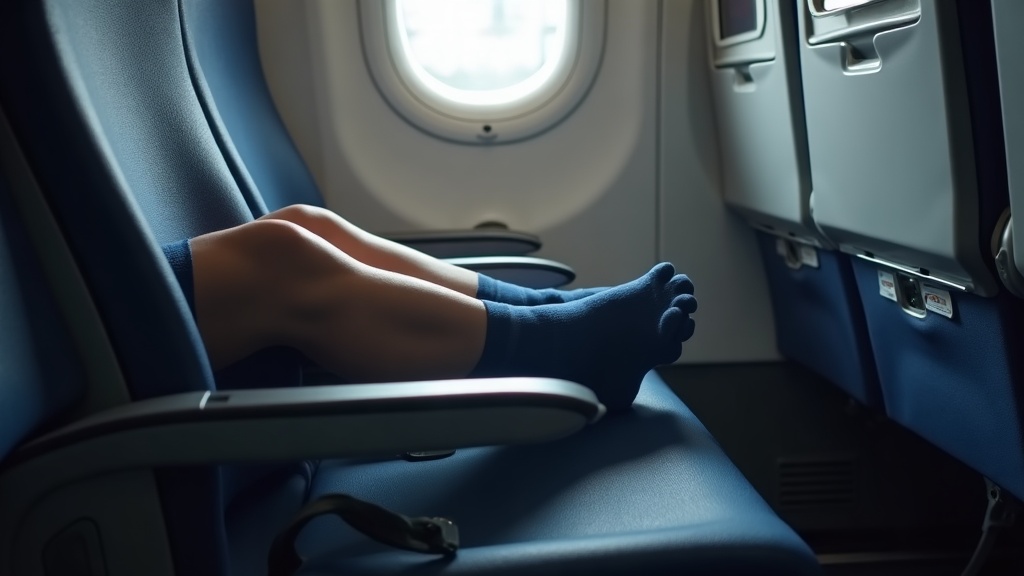
Who Should NOT Wear Compression Socks on a Plane
This is the part most articles gloss over. Compression socks are not for everyone, and putting them on when you have certain conditions can cause real harm.
Do not wear compression socks if you have:
- Peripheral artery disease (PAD) or other arterial circulation problems
- Severe peripheral neuropathy (you can't feel your legs properly)
- Open wounds, ulcers, or skin infections on your legs
- Congestive heart failure or pulmonary edema (unless specifically prescribed by your doctor)
- Fragile, easily damaged skin from conditions like dermatitis
If any of that applies to you, talk to your doctor before your trip. This isn't fine print. It's real.
Should Seniors Wear Compression Socks When Flying?
Yes, almost always. As you age, vein walls weaken and the calf muscle pump, your body's natural mechanism for pushing blood back up from the legs, loses some of its strength.
Seniors flying more than 90 minutes should treat compression socks as standard equipment, not optional gear. The 15, 20 mmHg range is appropriate for most. If your doctor has mentioned venous insufficiency, bump up to 20, 30 mmHg with their sign-off.
Did you know?
Deep vein thrombosis (DVT) risk roughly doubles for every 2 hours of flight time beyond the 4-hour mark, according to research published in the Lancet. Compression stockings have been shown to reduce traveler's thrombosis risk by up to 90% on long-haul flights.
What Compression Level to Use for Flying
| Compression Level | Who It's For | Best For |
|---|---|---|
| 8, 15 mmHg | Healthy adults, occasional flyers | Short flights under 3 hours, mild tired legs |
| 15, 20 mmHg | Most travelers, seniors, frequent flyers | Flights 4 hours and up, standard swelling prevention |
| 20, 30 mmHg | High-risk individuals, post-surgery, varicose veins | Long-haul flights, medical-grade support |
| 30, 40 mmHg | Prescription only, under doctor supervision | Severe venous disorders, not standard travel use |
For the vast majority of travelers, 15, 20 mmHg is the sweet spot. It's firm enough to make a real difference and comfortable enough to keep on for a 14-hour overseas flight.
The Downside of Compression Socks (Real Talk)
They're not magic and they're not always comfortable. Here's what you should actually expect:
- They can feel tight and hot, especially in summer or in a warm cabin. Merino wool or moisture-wicking nylon blends help.
- Putting them on is a workout if you've got limited flexibility. A sock donner tool is worth the $10.
- The wrong size does nothing. Too loose and there's no compression. Too tight and you cut off circulation. Measure your calf and ankle before you buy.
- Cheap socks lose compression after 5 to 10 washes. Budget brands are often a waste of money after a few trips.
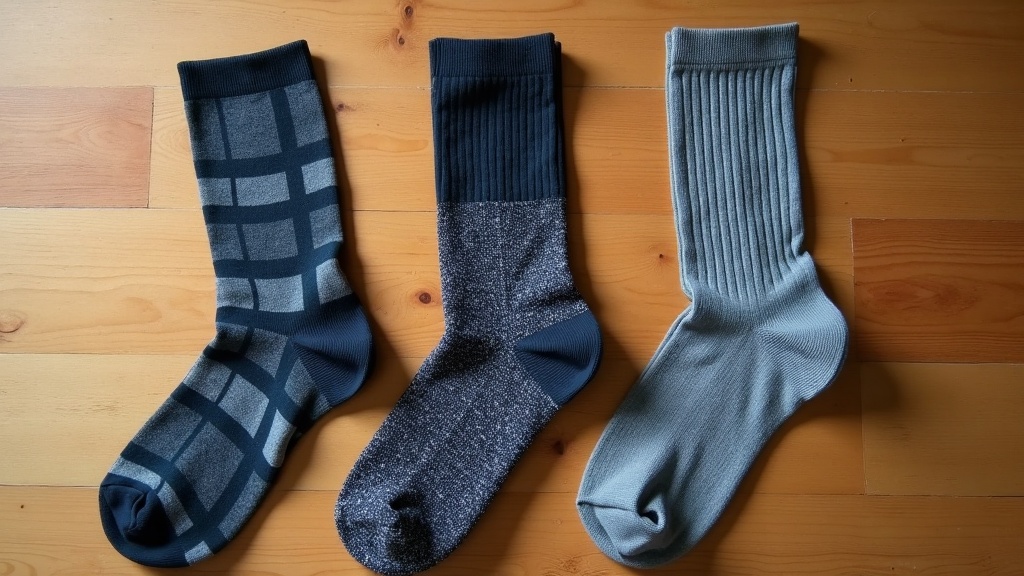
Before Your Next Flight: What to Actually Do
Skip the guesswork. Here's your pre-flight checklist:
- Measure your legs at the ankle and widest part of the calf. Use those numbers to size your socks, not your shoe size.
- Choose 15, 20 mmHg for most trips. Go 20, 30 only if you have a known condition.
- Pull them on before you leave home. Sitting in the car to the airport counts as travel time.
- Keep them on for 1 to 2 hours after landing, especially if you have a long transfer or a baggage wait ahead.
- Walk the aisle every 60 to 90 minutes on flights over 4 hours. Socks plus movement beats socks alone.
- If you're over 60, pregnant, post-surgery, or have a history of clots, talk to your doctor before the trip. Not after.
Frequently asked questions
Can I put compression socks on after boarding the plane?
Do I need compression socks for a 4-hour flight?
When should I take off compression socks after a flight?
What's the best compression level for flying?
Should seniors always wear compression socks when flying?
Are cheap compression socks from the drugstore worth it?
```
