


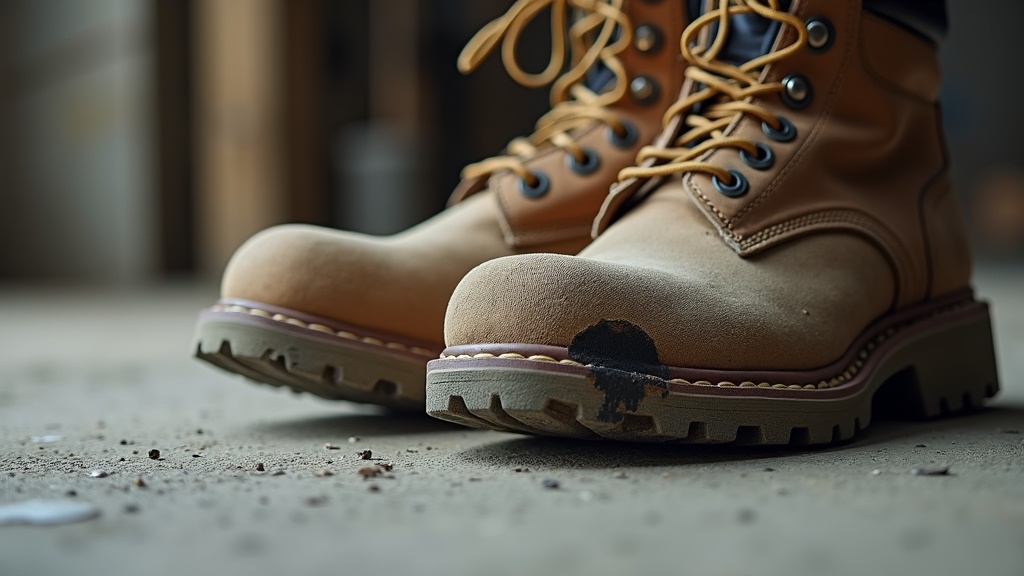
You buy a six-pack of work socks, and three weeks later you've got holes at the heel, a toe poking through, and the rest bunched down around your ankle inside your boot. It's not bad luck. There's a reason it keeps happening, and it's fixable.
Most guys just grab whatever's cheapest at the store and call it done. That's the first mistake. Here's what's actually going on, and what to do about it.
Key points at a glance
- Cheap polyester and thin knit construction are the main reason work socks wear out in weeks.
- Holes appear at the heel and toe first because that's where friction and pressure concentrate inside a boot.
- Hot water washing and high-heat drying break down elastic fibers fast, shortening sock life dramatically.
- Socks falling down in boots usually means the elastic is already dead, not that the sock is "stretchy."
- A quality pair of work socks made with merino wool or reinforced nylon can last one to three years with proper care.
- Not all "heavy-duty" labels mean anything. Fiber content, cushion zone placement, and knit density are what actually matter.
What a real work sock does for you
The Real Reason Your Work Socks Give Out in Weeks
The short answer is that most work socks aren't actually built for work. They're built to look thick on a store shelf and feel fine the first time you put them on.
Inside a work boot, conditions are brutal. Constant friction, compression, sweat, heat, and repetitive flexing hit the sock every single hour you're on the clock. A sock knitted from low-grade yarn with minimal reinforcement will start breaking down at the stress points almost immediately.
Cheap Materials: What They Don't Tell You on the Label
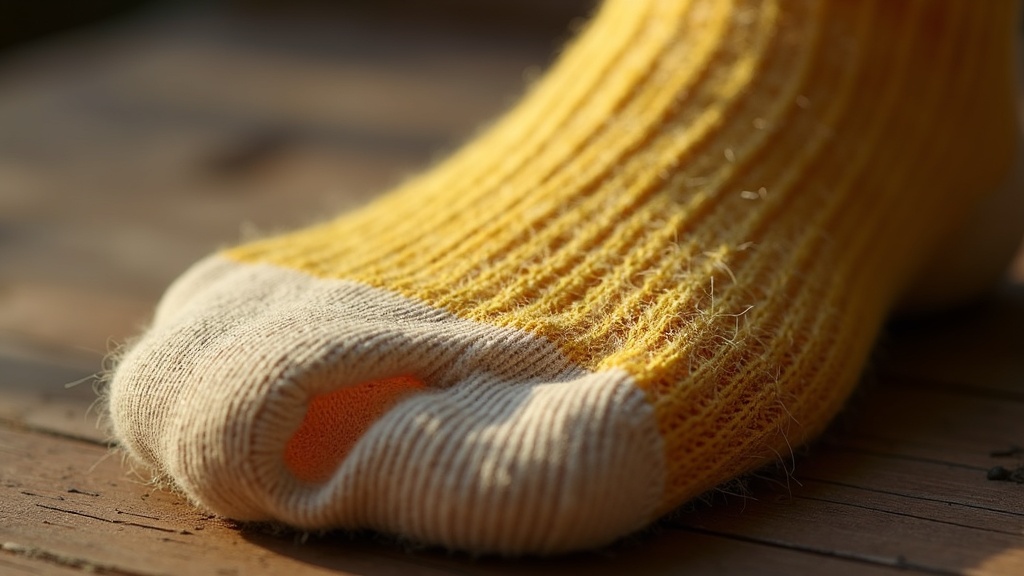
"Cotton blend" sounds harmless. In practice, it often means a thin polyester-cotton mix with no reinforcement at the high-wear zones. Cotton holds moisture, weakens when wet, and wears through fast under friction.
Cheap elastic waistbands and cuffs lose their snap after a dozen washes. The yarn itself pills, thins out, and eventually gives way. You're not imagining it when it feels like the socks got thinner after a few weeks. They did.
The Five Ways a Work Sock Actually Dies (And Which One Is Killing Yours)
- Abrasion wear: The boot lining grinds against the sock on every step. Low-thread-count fabric gives out at the toe and heel in days.
- Moisture breakdown: Cotton holds sweat against the fiber, weakening it from the inside out. This is why your heel wears through faster in summer.
- Elastic failure: The cuff loses tension first. The sock slides, bunches, and starts rubbing your foot in spots it shouldn't.
- Seam stress: Cheap toe seams can't handle the flexing. They split, and then the hole spreads from there.
- Wash damage: Heat from the dryer degrades elastic and breaks down synthetic fibers faster than wear alone.
Did you know?
The average person takes between 8,000 and 10,000 steps per day. That means a sock worn in a work boot flexes and rubs against leather or synthetic lining roughly 50,000 to 70,000 times per week. A sock with no reinforced heel or toe zone simply can't keep up.
How Your Laundry Routine Is Speeding Up the Damage
Hot water loosens the fiber structure and shrinks the knit unevenly. High-heat drying is even worse: it melts the elastic fibers that hold the sock's shape and crushes the cushioning down to almost nothing.
Wash in cold or warm water. Air dry when you can, or use low heat. It sounds simple because it is, and it can double the life of even a mid-grade sock.
Why Your Socks Keep Falling Down in Your Boots
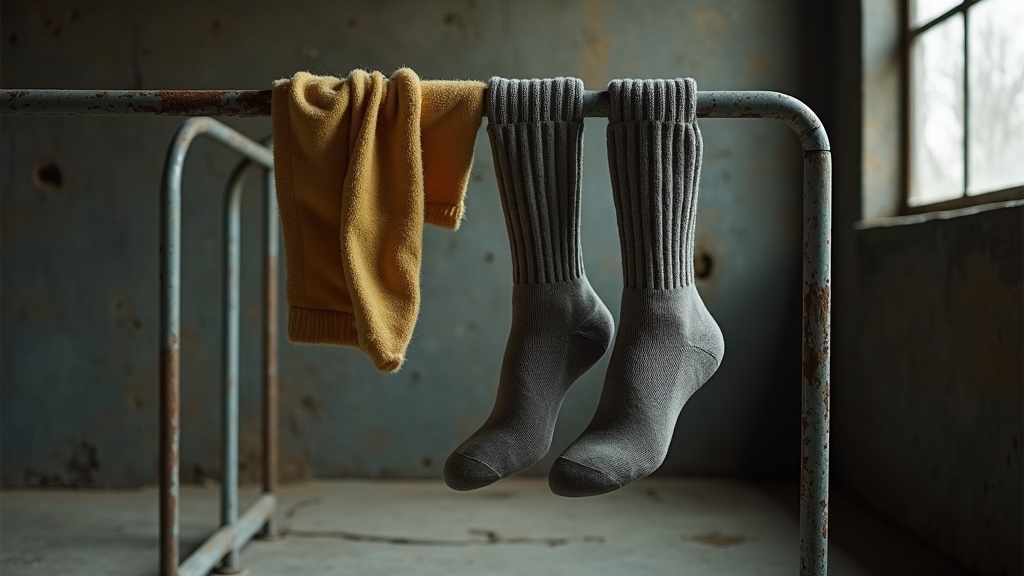
If your sock is sliding down and bunching under your arch before lunch, the elastic in the cuff is already gone. This usually happens within ten to fifteen washes of a cheap sock.
A boot also compresses the cuff differently than a sneaker. The taller the boot, the more force is pulling the sock downward as you flex your ankle. You need a sock with a wide, reinforced cuff and graduated compression in the leg, not just a thin elastic band stitched at the top.
How Long Should a Good Pair of Work Socks Actually Last
A quality pair, washed properly, should last one to three years of regular daily wear. Some merino wool socks from reputable brands hold up even longer with rotation.
If your socks are done in under three months, that's not normal wear and tear. That's a materials problem, a care problem, or both.
Did you know?
Merino wool fibers can bend back and forth over 20,000 times before breaking. Standard cotton fiber breaks after roughly 3,000 flexes. That's why merino socks survive the inside of a work boot while cotton socks don't.
What to Look for in a Work Sock That Holds Up
Fiber content comes first
Look for merino wool, nylon, or a high-nylon blend. Merino manages moisture and temperature. Nylon adds tensile strength at the wear zones. Avoid anything that's mostly cotton if you're wearing it in a heavy boot all day.
Reinforced zones matter more than overall thickness
Heel and toe reinforcement are non-negotiable. A sock can be medium thickness overall and still last years if those two zones are built with tighter, denser knit or added nylon.
Cushion placement
Full-cushion socks can feel great but trap heat. For most jobsite work, a targeted cushion at the ball and heel gives you protection without turning your boot into a sauna.
| Material | Durability | Moisture Control | Best For |
|---|---|---|---|
| Merino Wool | Excellent | Excellent | All-day wear, any season |
| Nylon blend | Very good | Good | Heavy abrasion, reinforced zones |
| Cotton blend | Poor | Poor (holds moisture) | Light, dry conditions only |
| Polyester | Fair | Fair | Budget option, not for boots |
| Merino + Nylon | Outstanding | Excellent | The gold standard for work boots |
Three Brands Worth Your Money (And One to Skip)
Darn Tough Vermont
Made in Vermont from merino wool and nylon. They back every pair with a lifetime guarantee, no questions asked. In real use, they hold up to two or three years of hard daily wear. The heel and toe reinforcement are genuinely built into the knit structure, not just a marketing claim. The Darn Tough Hiker Boot sock and the Work Boot Full Cushion are the two most popular picks for jobsite use.
Wigwam
Another American-made brand with over a century of production. Their wool-nylon blends are solid, and they price slightly lower than Darn Tough. Good option if you want domestic quality without paying top dollar.
Carhartt Force
Better than most big-box options. Fast-wicking, decent reinforcement, and they stay up reasonably well. Not in the same durability league as Darn Tough, but they hold their own for the price point.
The one to skip
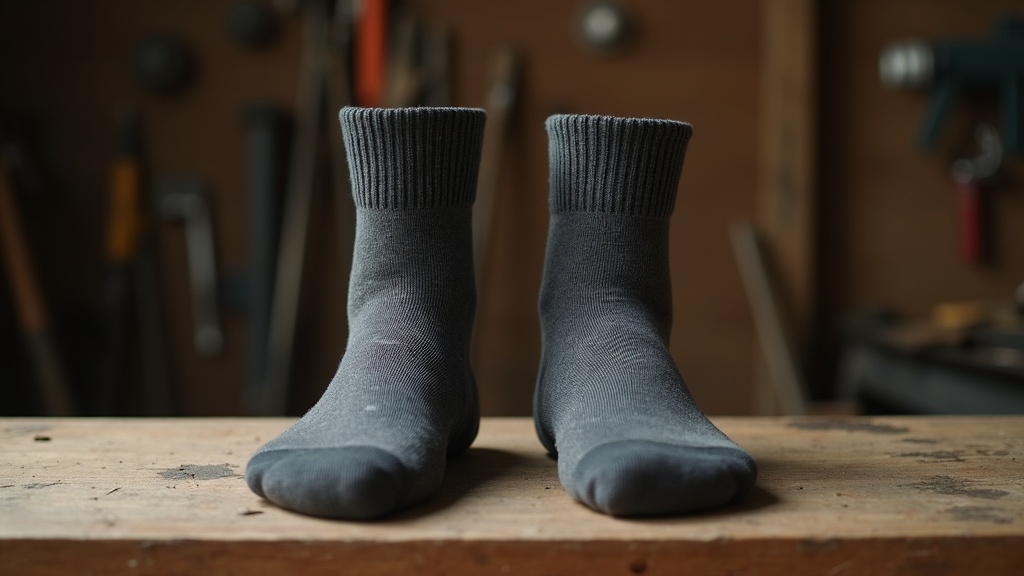
Any generic "work sock" sold in a bulk 12-pack for under $10 total. The label will say "reinforced" and "heavy duty." Pull the fabric and you'll see right through it. They're not built for boots. They're built to look like they are.
Make Your Socks Last: A Simple Action Plan
- Switch to a merino-nylon blend with documented heel and toe reinforcement. Darn Tough is the benchmark.
- Wash cold, dry low or air dry. That one change alone can double your sock's useful life.
- Rotate at least three pairs per week so no single pair gets worn and washed back-to-back daily.
- Check the cuff fit before you buy. If the sock doesn't grip your calf firmly out of the package, the elastic is already marginal.
- Replace proactively. A thinning heel isn't a worn-out sock yet, but it will be a blister in two weeks. Don't wait for the hole.
